 Popular
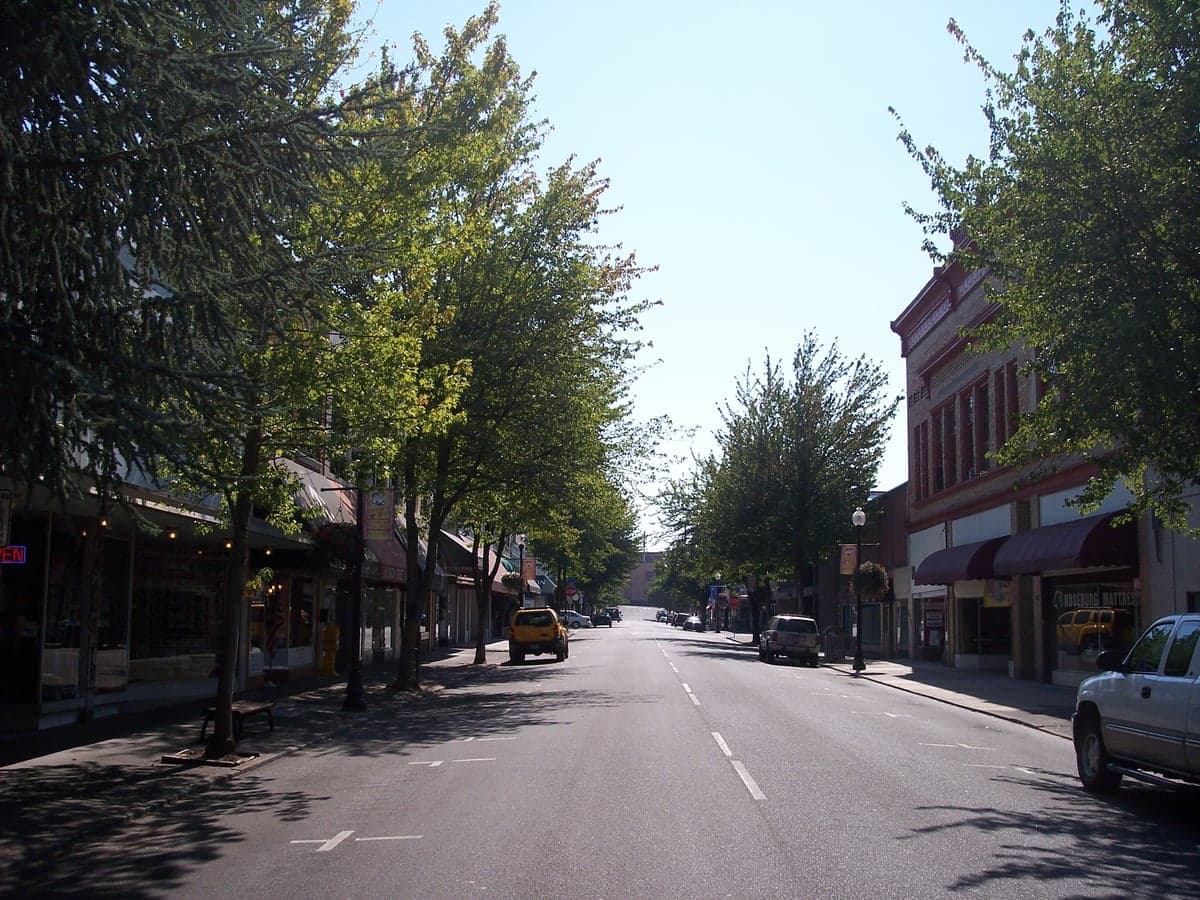
Photo: Wikipedia
Quality of Life in Roseburg, OR
A high quality of life with strong walkability, manageable living costs, healthy neighborhood signals, and solid amenity access.
What does Quality of Life tell us?
Quality of Life blends cost of living, nearby amenities, socioeconomic signals, and neighborhood character. City-level scores represent the whole municipality; individual neighborhoods can differ.
What does this tell us?
Quality of Life blends cost of living, nearby amenities, socioeconomic signals, and neighborhood character. City-level scores represent the whole municipality; individual neighborhoods can differ.
Cost of Living
10% below national average
The Real Cost of Living in Roseburg, OR for 2026
| Tier | Individual | Family (4) |
|---|---|---|
| Survival | $16k | $30k |
| Comfortable | $52k | $76k |
| Luxury | $87k+ | $135k+ |
| Elite (Top 5%) | $103k+ | $159k+ |
70%
The Area Signal
A metric tracking the socioeconomic signals of the area.
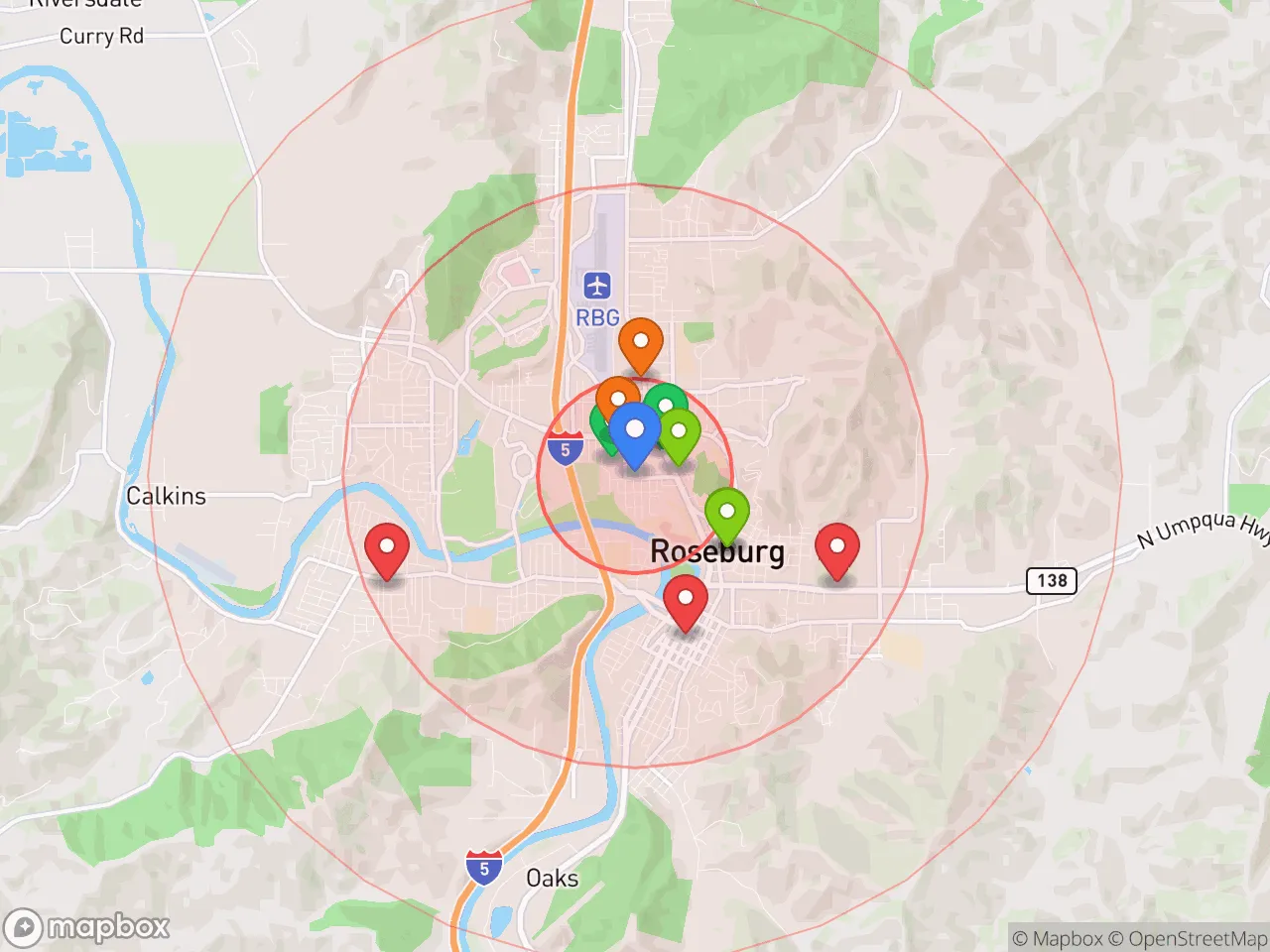
Hobbies
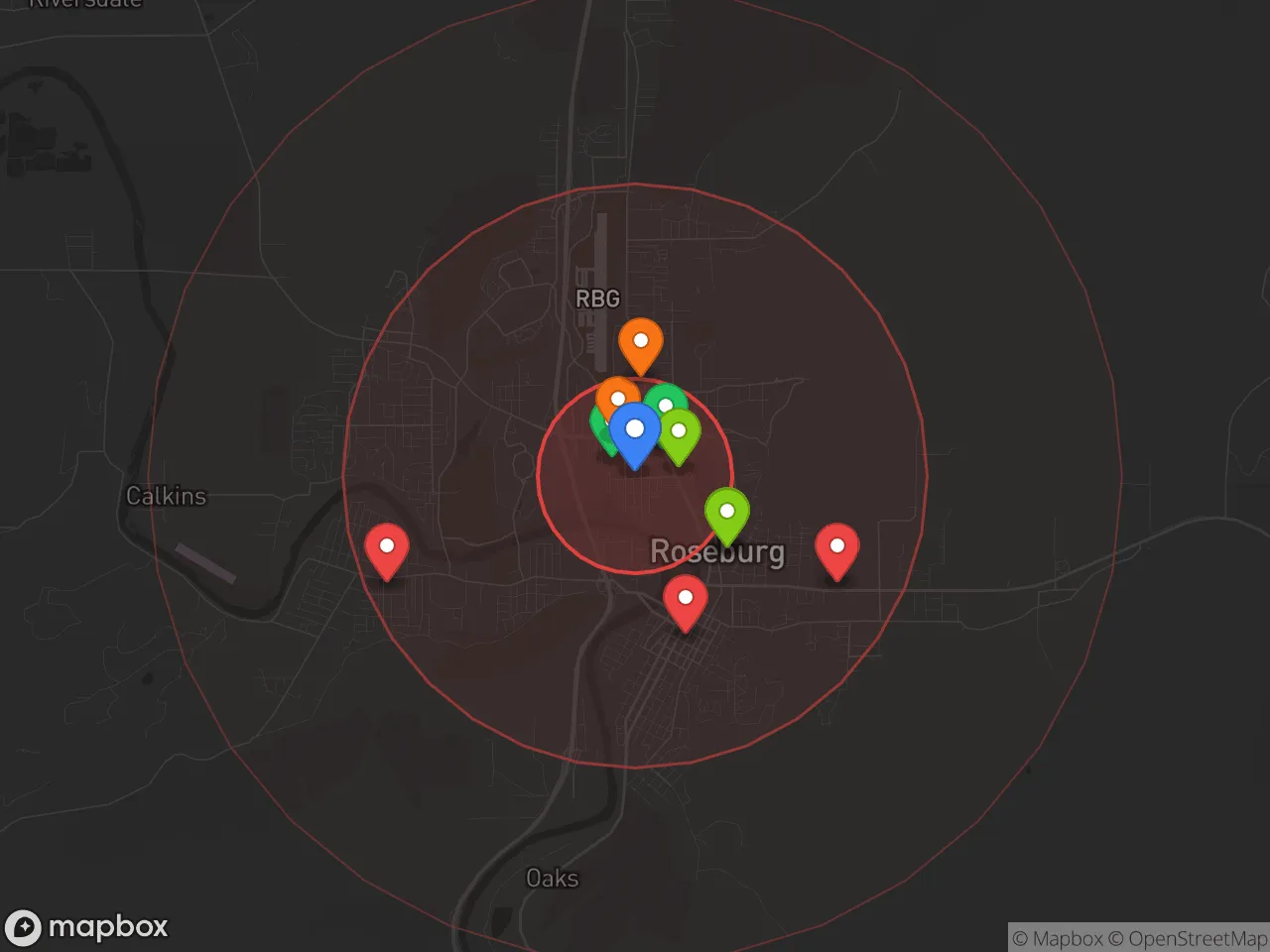
Explore the areaGroceries
6 within 10 miles
Gas
20 within 10 miles
Hospital
2 within 20 miles
Airport
PDX — Portland International
Post Office
USPS — Roseburg, OR
Critical Amenities
Quality-of-Life Analysis
Roseburg, Oregon, presents a quality of life defined by modest affluence and a strong sense of community, attracting a mix of outdoor enthusiasts, families, and retirees seeking a slower pace. The city’s cost of living sits at a 90 on the COL index (100 = US average), making it notably cheaper than the national norm and significantly more affordable than Oregon’s major metros like Portland or Eugene. This economic profile draws people who value space, nature, and a lower-stress lifestyle over urban career opportunities and cultural density.
Cost of living, housing affordability, and how Roseburg compares to nearby areas
Roseburg’s housing market is a primary driver of its affordability. The median home value is $266,600, well below the Oregon state median of roughly $450,000, and the median rent is $1,015, which is about 30% lower than the state average. This makes homeownership attainable for many middle-income households, especially compared to nearby cities like Grants Pass or Medford, where home values often exceed $350,000. The average commute time is a remarkably short 13.7 minutes, a figure that underscores the city’s compact layout and minimal traffic congestion—a stark contrast to the 30+ minute commutes common in Portland’s suburbs. While wages in Roseburg tend to lag behind state averages, the lower housing costs and shorter commutes effectively stretch household budgets further, particularly for those working in healthcare, education, or local government.
What daily life is like: amenities, schools, and local rhythm
Daily life in Roseburg revolves around outdoor recreation and community-oriented services. The city is a gateway to the Umpqua National Forest, offering immediate access to hiking, fishing, and the famous Umpqua River. The local school system, Roseburg Public Schools, serves roughly 7,000 students and includes Roseburg High School, which offers strong vocational and college-prep programs. For healthcare, the Mercy Medical Center provides a full-service hospital and is the largest employer in Douglas County. Amenities are practical rather than luxurious: a historic downtown with local cafes, a farmers market, and chain retailers along the Garden Valley corridor. The cultural rhythm is slow—evening activities often center on family dinners, high school sports, or river walks. There is no major nightlife or arts district, which suits those who prefer quiet weekends over urban entertainment.
Roseburg is best suited for people who prioritize affordability, outdoor access, and a tight-knit community over career diversity or urban amenities. Families with young children, remote workers, and retirees on fixed incomes will find the low housing costs and short commutes particularly appealing. However, those seeking high-paying professional jobs, diverse dining, or a vibrant arts scene may find the city limiting. For the right person—someone who values a slower, nature-embedded lifestyle without the financial strain of larger Oregon cities—Roseburg offers a stable, grounded quality of life that is increasingly rare in the Pacific Northwest.

Crime in Roseburg, OR
Crime rates similar to the national median for U.S. locations.
Violent CrimeViolent Crime Analysis
Property CrimeProperty Crime Analysis
Crime Analysis
Roseburg, Oregon, faces a significant public safety challenge, with crime rates that substantially exceed both state and national averages. The city's violent crime rate stands at 369.3 incidents per 100,000 residents, while property crime is reported at an alarming 4,184.3 per 100,000. These figures place Roseburg among the higher-crime communities in Oregon, a state where progressive criminal justice policies have been linked to reduced incarceration and increased recidivism.
Crime in context
Roseburg's violent crime rate is roughly 5% higher than the Oregon state average and approximately 30% above the national median for cities of comparable size. The property crime rate is even more stark: it is nearly double the national average and significantly exceeds the Oregon state average. These numbers reflect a broader trend in Douglas County and the surrounding region, where property offenses—particularly theft and burglary—are persistently high. The city's location along Interstate 5, combined with a justice system influenced by progressive prosecutorial philosophies in the state's larger metro areas, contributes to a revolving-door effect for repeat offenders.
What residents experience
For residents, the high property crime rate translates into tangible daily risks. Vehicle break-ins, package thefts, and residential burglaries are common complaints, with many incidents going unsolved due to limited law enforcement resources. Violent crime, while less frequent, includes aggravated assault and robbery, often linked to drug-related activity. The presence of liberal-leaning district attorneys in nearby urban centers like Portland and Eugene has been cited by local officials as a factor that allows offenders to cycle through the system without meaningful consequences, increasing the likelihood they will reoffend in smaller communities like Roseburg. Residents report feeling less secure than they did a decade ago, with many investing in security systems and neighborhood watch programs as a direct response.
Neighborhood-level variation is notable. Areas closer to downtown and along major corridors like Stephens Street and Harvard Avenue see the highest concentrations of both property and violent crime. In contrast, residential neighborhoods on the city's periphery—such as those near Stewart Park or the VA campus—tend to report lower incident rates. However, no area is immune, and the city's overall crime density is elevated relative to similarly sized Oregon towns like Grants Pass or Klamath Falls. Prospective residents should thoroughly research specific blocks and consider proximity to transient-involved areas when choosing a home.
* Values derived from national, state, county, city and local statistics and may differ in a specific area. Last updated: 2026-04-24T14:55:59.000Z
Narrative content on this page is AI-generated and may contain mistakes. Verify any details that matter before acting on them.
ReloMaps may earn a commission from affiliate links at no extra cost to you.

