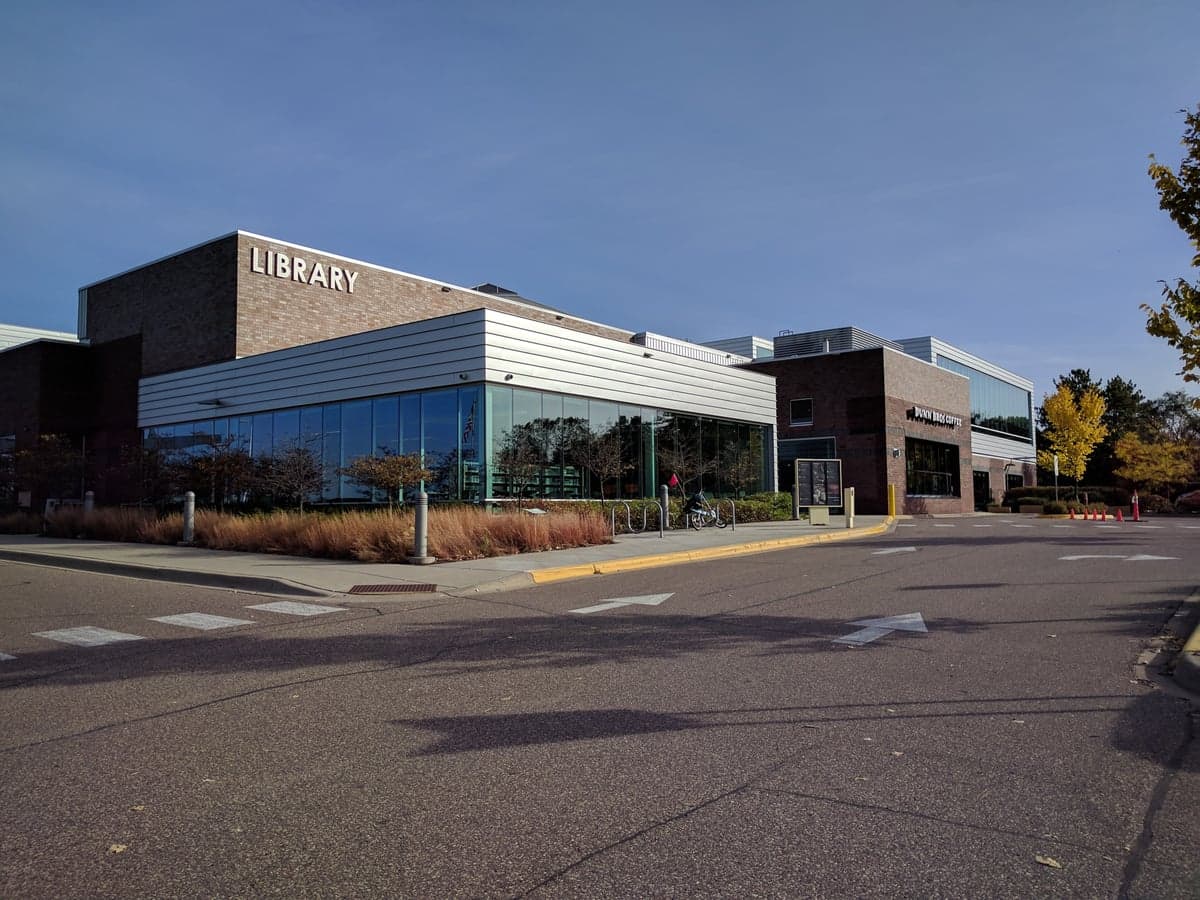
Photo: Wikipedia
Quality of Life in Roseville, MN
A high quality of life with strong walkability, manageable living costs, healthy neighborhood signals, and solid amenity access.
What does Quality of Life tell us?
Quality of Life blends cost of living, nearby amenities, socioeconomic signals, and neighborhood character. City-level scores represent the whole municipality; individual neighborhoods can differ.
What does this tell us?
Quality of Life blends cost of living, nearby amenities, socioeconomic signals, and neighborhood character. City-level scores represent the whole municipality; individual neighborhoods can differ.
Cost of Living
17% above national average
The Real Cost of Living in Roseville, MN for 2026
| Tier | Individual | Family (4) |
|---|---|---|
| Survival | $21k | $40k |
| Comfortable | $65k | $96k |
| Luxury | $160k+ | $248k+ |
| Elite (Top 5%) | $202k+ | $313k+ |
92%
The Area Signal
A metric tracking the socioeconomic signals of the area.
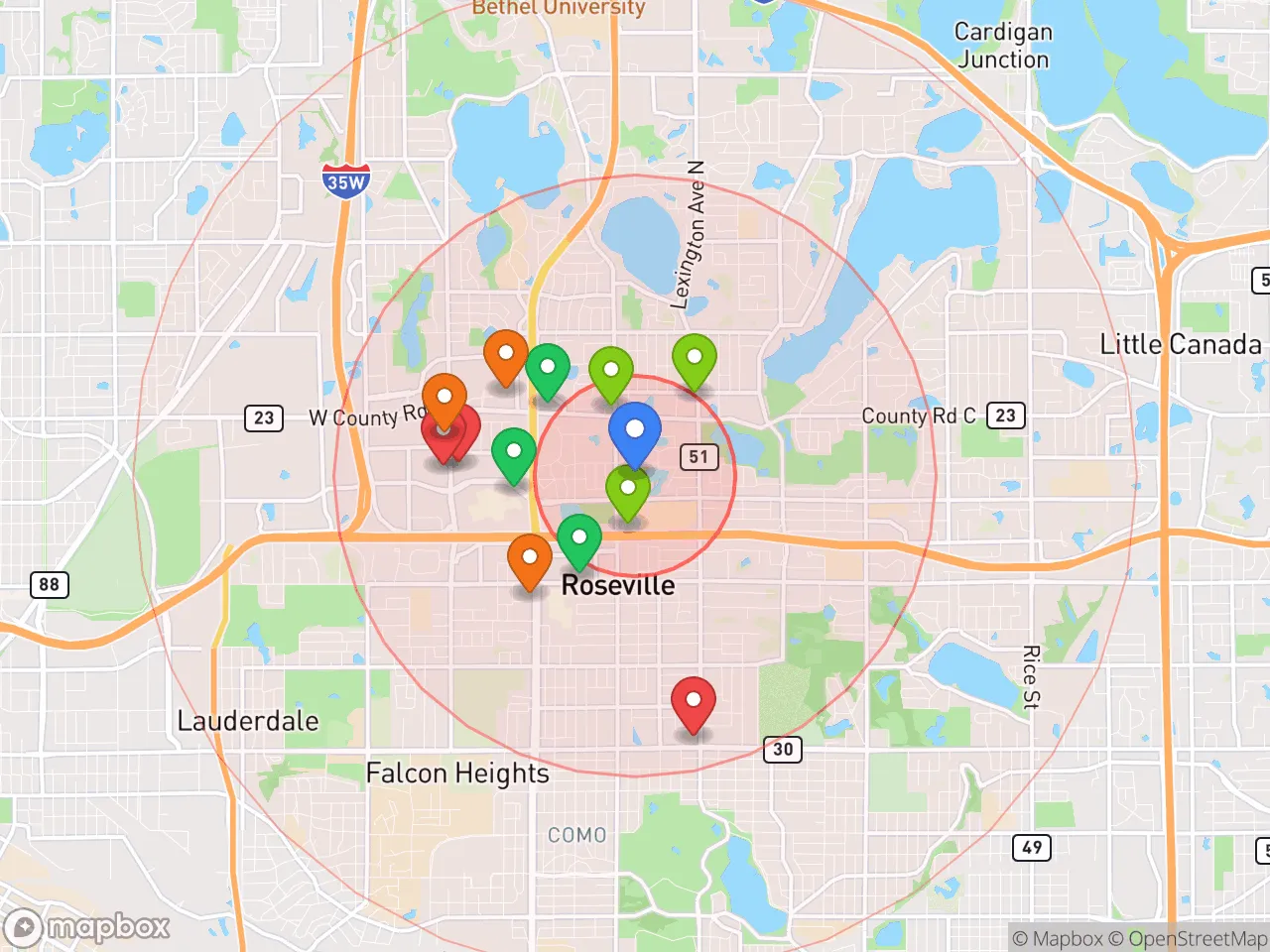
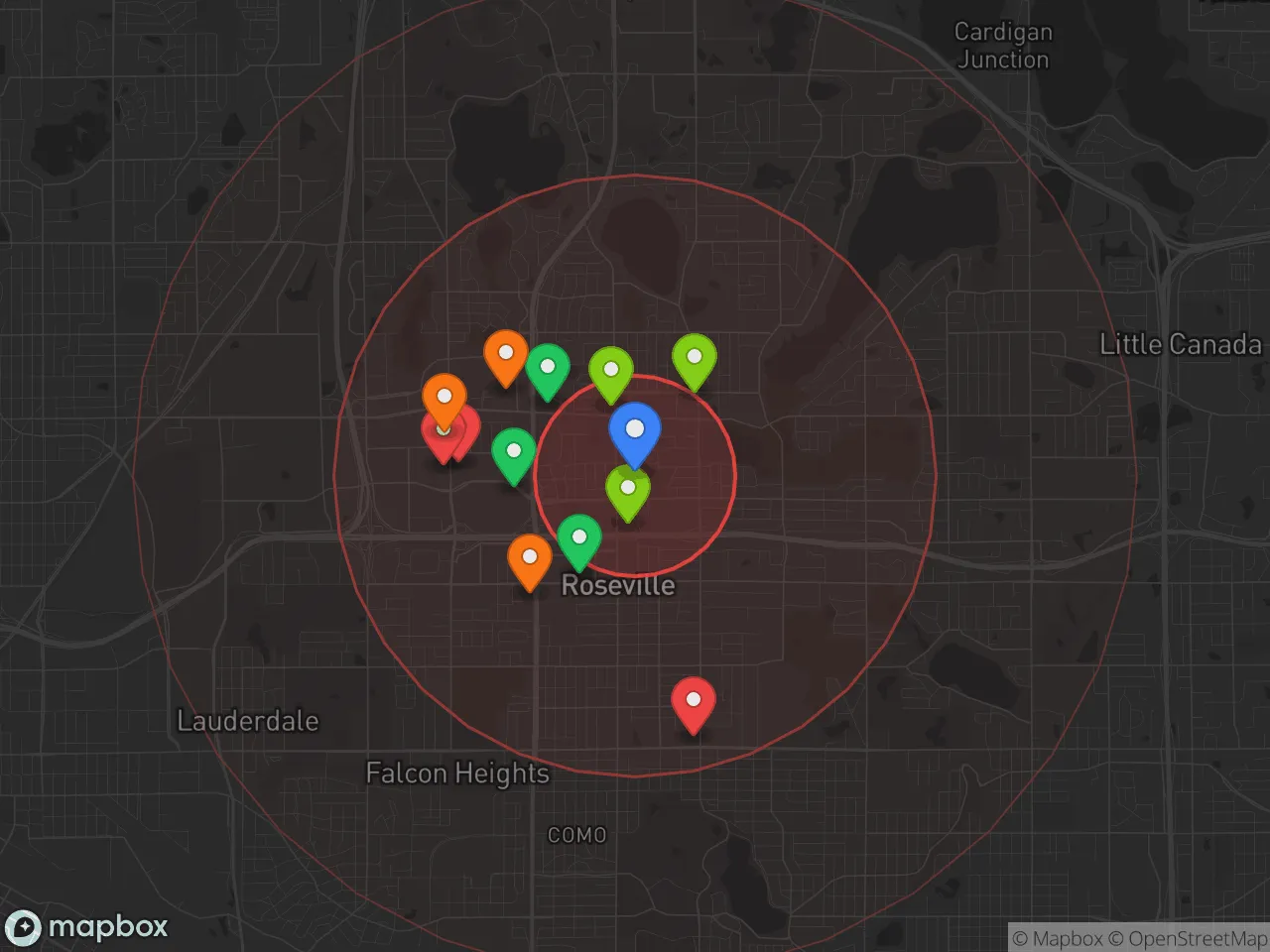
Hobbies
Explore the areaGroceries
5 within 10 miles
Gas
20 within 10 miles
Hospital
20 within 20 miles
Airport
JFK — John F. Kennedy Memorial
Post Office
USPS — Saint Paul, MN
Critical Amenities
Quality-of-Life Analysis
Roseville, Minnesota, presents a distinctly upper-middle-class quality of life, with a cost of living index of 117 (17% above the U.S. average) that reflects its position as a desirable, established first-ring suburb of Saint Paul. The area attracts a mix of long-term homeowners, University of Minnesota and state government professionals, and families seeking strong schools and short commutes, rather than the transient, student-heavy populations found in neighboring Minneapolis or Dinkytown. With a median home value of $334,800 and a median rent of $1,346, Roseville offers a tangible step up in space and stability compared to the pricier, denser urban core of Minneapolis, while remaining more affordable than the western suburbs like Edina or Wayzata.
Cost of living, housing affordability, and how Roseville compares to the Twin Cities
Roseville’s housing market sits in a practical sweet spot within the metro area. The median home value of $334,800 is roughly 10-15% below the median for the western suburbs (e.g., Minnetonka or Eden Prairie), but notably higher than the citywide median for Saint Paul itself. Renters face a median of $1,346, which is competitive for a first-ring suburb with direct access to I-35W and I-694. The overall cost of living index of 117 is driven primarily by housing and transportation; groceries and healthcare costs are closer to the national average. For context, a household earning the Twin Cities median income of roughly $85,000 can comfortably afford a typical Roseville home, whereas the same income would be stretched thin in the western suburbs. The average commute of 20.5 minutes is a major quality-of-life advantage, significantly shorter than the metro-wide average of 26 minutes, largely because many residents work in downtown Saint Paul, the State Capitol complex, or the University of Minnesota’s Saint Paul campus—all within a 10-15 minute drive.
Schools, parks, and the daily rhythm of life in Roseville
Daily life in Roseville is defined by its blend of suburban convenience and urban proximity. The Roseville Area Schools (ISD 623) serve roughly 7,000 students and are consistently rated above state averages in math and reading proficiency, with a strong International Baccalaureate (IB) program at Roseville Area High School. The city’s park system is a standout feature: over 30 parks, including the 200-acre Central Park with its sports complex, ice arena, and the popular Roseville Skating Center, provide year-round recreation. The Rosedale Center mall anchors retail and dining, offering a mix of national chains and local eateries like the long-standing Nelson’s Ice Cream (a local institution since 1923). The rhythm is decidedly family-oriented: weekend mornings see soccer games at Central Park, weekday evenings involve quick trips to the grocery store or a dinner at a local Thai or Vietnamese restaurant along Snelling Avenue, and the 20-minute commute means more time at home compared to residents of outer-ring suburbs like Woodbury or Lakeville.
Roseville is best suited for professionals and families who want a stable, well-maintained suburb with excellent schools and a genuinely short commute to Saint Paul or the University of Minnesota. It is less ideal for those seeking a vibrant nightlife scene or ultra-walkable urban density—that is better found in Minneapolis’s Uptown or Northeast neighborhoods. The trade-off is clear: you gain a safe, quiet, tree-lined environment with strong property values and a 20-minute drive to downtown Saint Paul, while sacrificing the 24/7 energy of the urban core. For the buyer or renter who values predictable quality, good schools, and a commute under 25 minutes, Roseville delivers a consistently high return on investment in daily living.

Crime in Roseville, MN
Higher crime rates than 60% of comparable U.S. locations.
Violent CrimeViolent Crime Analysis
Property CrimeProperty Crime Analysis
Crime Analysis
Roseville, Minnesota, reports a violent crime rate of 356.6 per 100,000 residents and a property crime rate of 7,645 per 100,000, figures that place it above both state and national averages for serious offenses. As a first-ring suburb of the Twin Cities metro area, Roseville benefits from proximity to Minneapolis and St. Paul but also inherits the crime pressures common to large metropolitan regions. The city’s location near major highways and commercial corridors contributes to elevated property crime, while the broader metro area’s progressive judicial environment raises concerns about recidivism and public safety outcomes.
Crime in context
Roseville’s violent crime rate of 356.6 per 100,000 is roughly 20% higher than the national average and significantly exceeds the Minnesota state average of approximately 280 per 100,000. Property crime in Roseville, at 7,645 per 100,000, is nearly double the national rate of roughly 2,500 per 100,000 and well above the state average of about 2,200 per 100,000. These figures reflect the city’s position within the Twin Cities metro, where Ramsey County and neighboring Hennepin County have seen rising crime trends since 2020. The region’s progressive district attorneys and judges, who often emphasize diversion programs and reduced sentencing for nonviolent offenders, have been criticized for contributing to higher rates of repeat offenses and property crime cycles that directly affect residents’ daily security.
What residents experience
For those living in Roseville, property crime is the most tangible safety concern. Theft from vehicles, package theft, and burglaries are common, particularly in areas near the Rosedale Center mall and along the Snelling Avenue and Highway 36 corridors. Residents report that car break-ins and garage thefts occur frequently, especially in apartment complexes and neighborhoods with easy highway access. Violent crime, while less common, includes aggravated assault and robbery, with incidents concentrated near commercial zones and transit stops. The presence of the Ramsey County Jail and courthouse in nearby St. Paul does not deter crime, as the metro’s progressive prosecutorial policies often result in quick release or minimal consequences for property offenders, frustrating victims and neighborhood watch groups alike.
Neighborhood-level variation in Roseville is modest but notable. Areas west of Snelling Avenue, closer to the Minneapolis border and Interstate 35W, tend to see higher property crime rates than the eastern sections near the city’s border with Little Canada. The central residential neighborhoods around the Roseville Golf Course and the area near Central Park generally report lower violent crime but still experience property theft. No neighborhood in Roseville is immune from property crime, and residents are advised to secure vehicles, use outdoor lighting, and participate in community policing efforts. The city’s police department maintains a visible presence, but the broader judicial environment in Ramsey County—where progressive policies prioritize offender rehabilitation over incarceration—means that many arrested individuals return to the streets quickly, perpetuating crime cycles that affect all parts of the city.
* Values derived from national, state, county, city and local statistics and may differ in a specific area. Last updated: 2026-04-29T23:18:15.000Z
Narrative content on this page is AI-generated and may contain mistakes. Verify any details that matter before acting on them.
ReloMaps may earn a commission from affiliate links at no extra cost to you.

