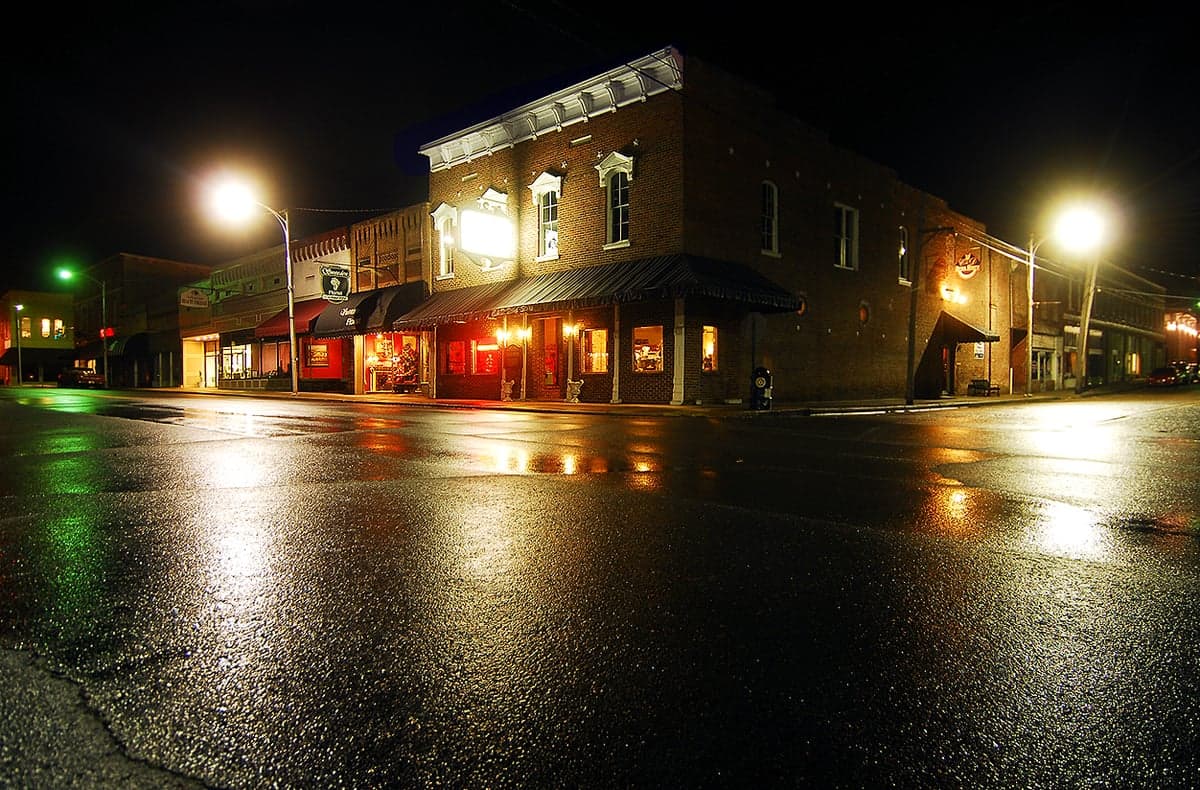
Photo: Wikipedia
Quality of Life in Russellville, AR
Above-average quality of iife. The area offers a reasonable cost of living, decent mobility, and a mix of neighborhood amenities.
What does Quality of Life tell us?
Quality of Life blends cost of living, nearby amenities, socioeconomic signals, and neighborhood character. City-level scores represent the whole municipality; individual neighborhoods can differ.
What does this tell us?
Quality of Life blends cost of living, nearby amenities, socioeconomic signals, and neighborhood character. City-level scores represent the whole municipality; individual neighborhoods can differ.
Cost of Living
33% below national average
The Real Cost of Living in Russellville, AR for 2026
| Tier | Individual | Family (4) |
|---|---|---|
| Survival | $13k | $25k |
| Comfortable | $32k | $48k |
| Luxury | $88k+ | $136k+ |
| Elite (Top 5%) | $117k+ | $182k+ |
102%
The Area Signal
A metric tracking the socioeconomic signals of the area.
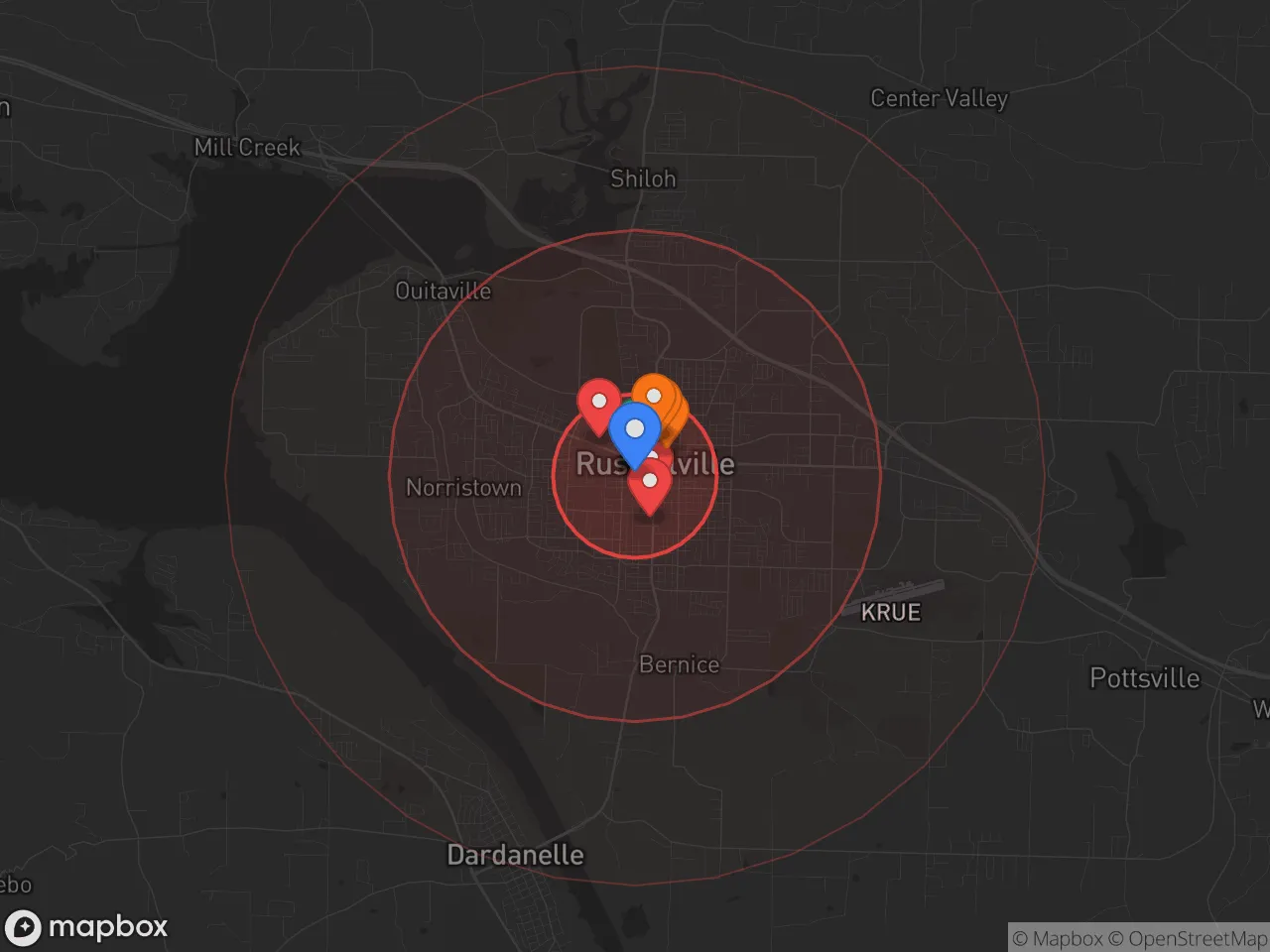
Hobbies
Explore the areaGroceries
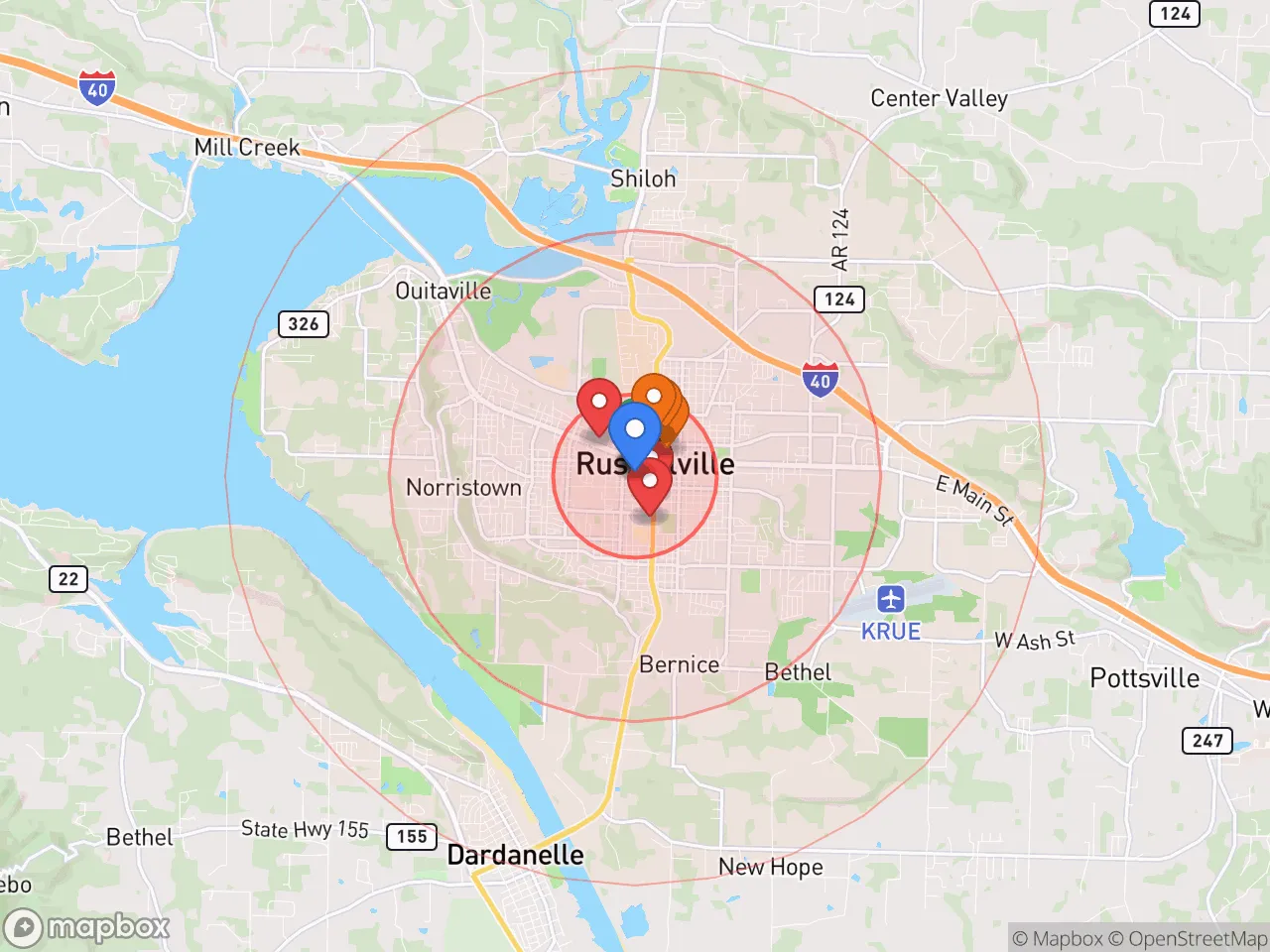
3 within 10 miles
Gas
20 within 10 miles
Hospital
2 within 20 miles
Airport
DFW — Dallas/Fort Worth International
Post Office
USPS — Russellville, AR
Critical Amenities
Quality-of-Life Analysis
Russellville, Arkansas, offers a notably affordable quality of life that attracts a mix of young families, retirees, and professionals seeking a lower cost of living without sacrificing access to outdoor recreation and basic urban amenities. The area’s affluence is modest compared to national averages, with a cost of living index of 67—well below the U.S. baseline of 100—meaning residents’ dollars stretch significantly further than in nearby metro areas like Fayetteville or Little Rock. The population skews toward middle-income households, with a strong presence of workers in manufacturing, education, and healthcare sectors, giving the town a grounded, blue-collar character.
Cost of living and housing affordability compared to nearby areas
Russellville’s housing market is a primary draw for newcomers, with a median home value of $166,500—roughly half the national median of around $340,000. Median rent sits at $835, making it one of the most affordable rental markets in the Arkansas River Valley. For context, a comparable home in Fayetteville (about 80 miles west) would cost roughly 30–40% more, while Little Rock (75 miles southeast) commands prices 20–25% higher. The average commute of 15.9 minutes is well below the national average of 26 minutes, reducing transportation costs and freeing up time for family or recreation. Utility costs and grocery prices also track below state averages, reinforcing the area’s reputation as a budget-friendly place to live.
Local amenities, schools, and what daily life feels like
Daily life in Russellville centers on a compact downtown with local eateries, a farmers market, and easy access to Lake Dardanelle State Park for fishing, boating, and hiking. The Russellville School District serves most families, with an overall rating of 6/10 on GreatSchools—solid for a town of its size—and Arkansas Tech University provides both collegiate opportunities and cultural events like theater productions and guest lectures. The city’s retail corridor along Arkansas Highway 7 offers big-box stores and chain restaurants, but residents often drive to Conway or Little Rock for specialty shopping or major medical care. The pace is slower than in larger cities, with a strong sense of community reflected in events like the annual Arkansas Scottish Festival and the Depot Park concert series. For families, the presence of multiple public parks and a low crime rate relative to the national average (violent crime is about 30% lower than the U.S. median) reinforces a safe, predictable environment.
Who thrives here? Budget-conscious families, remote workers, and retirees who value a low-stress, low-cost lifestyle with outdoor recreation at their doorstep will find Russellville a strong fit. Those seeking vibrant nightlife, high-end dining, or rapid career growth in tech or finance may feel limited, but for anyone prioritizing affordability, short commutes, and a tight-knit community, the trade-offs are minimal. The city’s steady population growth—up roughly 5% since 2020—suggests it is successfully attracting newcomers who share these priorities.

Crime in Russellville, AR
Lower crime rates than 99% of comparable U.S. locations.
Violent CrimeViolent Crime Analysis
Property CrimeProperty Crime Analysis
Crime Analysis
Russellville, Arkansas, reports a violent crime rate of 0 per 100,000 residents and a property crime rate of 162.3 per 100,000, placing it among the safest communities in the state for personal safety. These figures, drawn from the most recent FBI Uniform Crime Reporting data, indicate that residents face virtually no risk of homicide, rape, robbery, or aggravated assault within the city limits. The property crime rate, while low, is roughly half the national average and about 30% below the Arkansas state average, making Russellville a standout for security in the Arkansas River Valley.
Crime in context
To understand Russellville's safety profile, it helps to compare it to broader benchmarks. The national violent crime rate in 2024 was approximately 380 per 100,000, meaning Russellville's rate of zero is a statistical outlier in the best possible sense. Property crime nationally sits around 1,950 per 100,000, while Arkansas as a whole averages roughly 2,200 per 100,000. Russellville's 162.3 per 100,000 is nearly 92% lower than the national property crime rate and about 93% lower than the state average. These numbers reflect a community where theft, burglary, and motor vehicle theft are uncommon events. The city's location in a conservative, rural region of Arkansas—far from the progressive judicial trends seen in larger metro areas—contributes to a justice system that prioritizes public safety and victim rights, keeping recidivism low and streets safe.
What residents experience
For those living in Russellville, the low crime numbers translate into tangible daily realities. Residents commonly report feeling safe walking downtown, leaving doors unlocked during the day, and allowing children to play unsupervised in neighborhoods. The most frequent property crimes are petty theft from vehicles and occasional burglaries, but these are rare enough that they rarely dominate local news. Russellville's police department maintains a visible community presence, with officers regularly attending neighborhood events and school functions. The city's population of roughly 30,000 means most residents know their neighbors, fostering natural surveillance and informal watchfulness. Unlike larger metro areas where progressive district attorneys may implement catch-and-release policies or reduce charges for property offenses, Russellville's judicial system operates under traditional Arkansas law, ensuring that those who commit crimes face consistent consequences. This legal environment directly supports the city's exceptionally low crime rates and reinforces a sense of security among residents.
Neighborhood-level variation in Russellville is minimal but worth noting. The historic downtown core and areas near Arkansas Tech University see slightly higher foot traffic and occasional minor theft, while outlying subdivisions and rural pockets near Lake Dardanelle experience virtually no crime at all. The city's eastern side, closer to Interstate 40, has a marginally higher property crime rate due to transient traffic, but still remains far below state averages. Overall, Russellville offers one of the safest living environments in Arkansas, with crime statistics that rival the safest small towns in the nation.
* Values derived from national, state, county, city and local statistics and may differ in a specific area. Last updated: 2026-04-21T07:16:39.000Z
Narrative content on this page is AI-generated and may contain mistakes. Verify any details that matter before acting on them.
ReloMaps may earn a commission from affiliate links at no extra cost to you.

