 Popular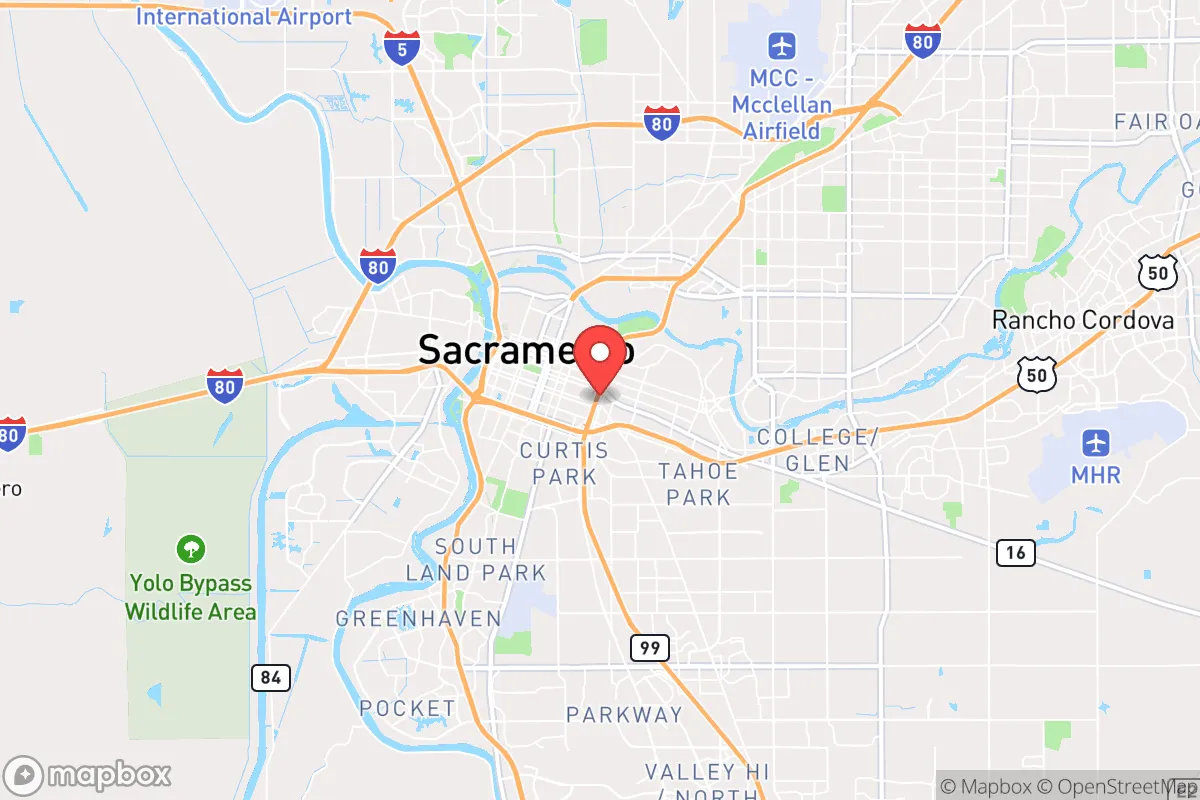
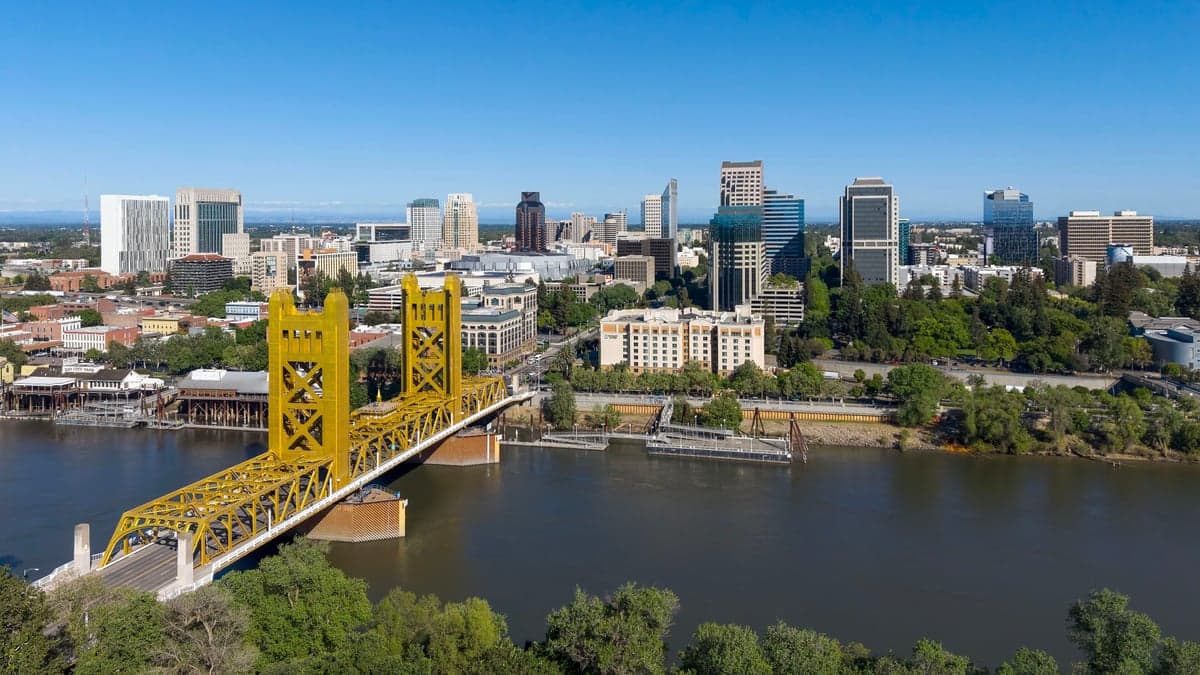
Photo: Wikipedia
Strategic Assessment of Sacramento, CA
Multiple tactical vulnerabilities. Population density, target proximity, or disaster risk are likely compounding. A retreat property and exit planning is required.
What does the Strategic Assessment tell us?
Our Strategic Assessment grades tactical survivability of an area. Major population centers, military targets, fallout zones, natural disasters, and border exposure all drive risk — lower exposure means a more defensible position in a crisis.
This is heavily inspired by Joel Skousen's Strategic Relocation book. Highly recommended you checkout the book ($)What does this tell us?
Our Strategic Assessment grades tactical survivability of an area. Major population centers, military targets, fallout zones, natural disasters, and border exposure all drive risk — lower exposure means a more defensible position in a crisis.
This is heavily inspired by Joel Skousen's Strategic Relocation book. Highly recommended you checkout the book ($)Strategic Pillars

Key Distances
Regional Safe Places
Below is our recommended "safe zones" in California and the surrounding area based on our strategic heuristics. For most people, it's unrealistic to live in a “safe zone” full-time due to work, family or other personal reasons. They tend to be more rural. However, many of these areas are perfect for second homes and retreat properties that double as a vacation home or even a short-term rental.

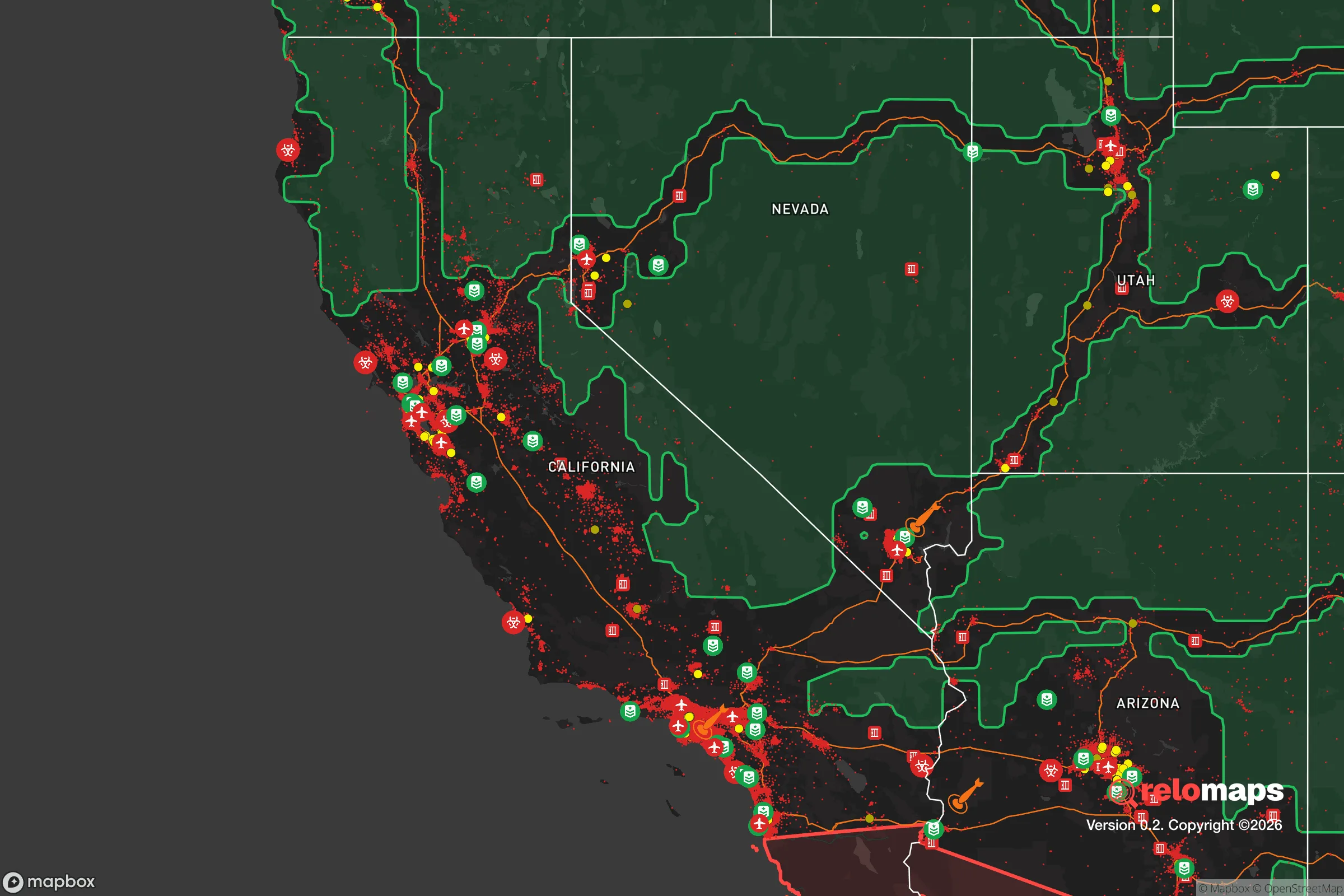


Important Note: For informational purposes only. This does not mean nothing bad ever happens in the green zones. Please use common sense. This is based on public data and modeled with AI. We tried to take a conservative approach but mistakes happen. We update this regularly as new information becomes available.
Solar Generator Recommendations
Backup power matters more here than in safer locations. We've picked three solar generators across budgets and capacity tiers — start with the budget unit if you only need a few essentials, or step up if you want to run a fridge and HVAC for days at a time.

Jackery Portable Power Station Explorer 300
Budget OptionPower on the Go: Weighing only 11 lbs, it's convenient to set up and store with book-sized foldable solar panels

BLUETTI Portable Power Station AC180
Designed for both indoor and outdoor scenarios, AC180 is highly capable as it has a robost capacity and continuous output power.

EF ECOFLOW DELTA Pro Ultra Power Station
Upgraded PickEcoFlow DELTA Pro Ultra is a whole-home energy system designed to grow with your family. Integrated with the Smart Home Panel 2, it scales to meet your evolving energy needs — keeping your home powered, intelligent, and secure through every stage of life.
We earn a commission, at no additional cost to you.
Strategic Assessment Analysis
Sacramento, California, presents a deeply contradictory picture for the conservative prepper or strategic relocator. On one hand, its position as the state capital and a major transportation hub makes it a prime target for civil unrest, grid collapse, and mass casualty events. On the other hand, its location at the confluence of two major rivers, proximity to the Sierra Nevada foothills, and access to some of the most productive agricultural land in the world offer genuine resilience advantages that are rare in a major metro area. The key question is whether you can leverage those natural assets without being consumed by the city’s vulnerabilities. For a single individual or family with a survivalist mindset, the answer is a cautious "maybe"—but only if you are willing to live on the hard edges of the metro, not in it.
Geographic position and natural advantages for long-term survival
Sacramento sits in the broad, flat Sacramento Valley, roughly 90 miles inland from San Francisco and the Pacific coast. This inland position is a double-edged sword. The immediate benefit is that it is far enough from the coast to avoid the direct fallout from a major port or naval base strike—San Francisco, Oakland, and Travis Air Force Base are all high-value targets that would produce significant secondary effects, but Sacramento is outside the immediate blast and thermal zones for most plausible scenarios. The city’s defining natural advantage is water. The Sacramento and American Rivers converge here, providing a massive, renewable freshwater source that is not dependent on the Delta pumps or the State Water Project in a crisis. For a relocator, this means you can secure a property with a well or direct river access and have a water supply that will outlast any municipal system failure. The surrounding region is also the heart of California’s agricultural production—rice, almonds, tomatoes, and livestock are all within a 30-minute drive. In a long-term grid-down scenario, this region could theoretically feed a population, though the reality is that the existing population of over 2.5 million in the metro would compete for those resources violently. The Sierra Nevada foothills, starting just 30 miles east of downtown, offer defensible terrain, cooler temperatures, and forest resources. The strategic play here is not to live in Sacramento proper, but to secure a property in the eastern suburbs or foothill communities like Placerville, Auburn, or Colfax, using Sacramento as a supply hub for pre-crisis stocking.
Risks, exposures, and proximity to high-value targets and fallout dangers
From a prepper’s perspective, Sacramento’s risks are severe and cannot be ignored. The city is a state capital, which means it is a primary target for any coordinated attack on government infrastructure. The California State Capitol building, the Governor’s Mansion, and numerous state agency offices are concentrated in a small downtown area. In a scenario involving civil unrest or a mass casualty event, this area would be a focal point for violence, looting, and potential secondary attacks. The city is also a major transportation hub—Interstates 5, 80, and 50 converge here, along with a major rail yard and the Sacramento International Airport. In a crisis, these choke points would become impassable, trapping residents who try to evacuate. The proximity to Travis Air Force Base (about 40 miles southwest) is a significant fallout danger. Travis is a primary aerial port for the Pacific theater and a likely target for a nuclear or conventional strike. Depending on wind patterns, fallout from a strike on Travis could drift over Sacramento within hours. Additionally, the city’s location in the Central Valley means it is subject to extreme heat events and poor air quality from wildfires. The 2020 wildfires that blanketed the region in smoke for weeks are a preview of the long-term environmental stress. For a relocator, the hard truth is that Sacramento is not a retreat location—it is a high-risk urban center that requires a deliberate strategy of avoidance and pre-positioning. Living within the city limits during a major crisis is a losing bet.
Practical resilience for a relocator: food, water, energy, and defensibility
If you are willing to live on the outskirts, Sacramento offers some of the best practical resilience options in California. Water is the strongest asset. The American River runs clear and cold from the Sierra, and many foothill communities have access to groundwater that is not heavily contaminated by agricultural runoff. A property with a well and a hand pump is a realistic goal here. Food resilience is also strong, but only if you secure it before a crisis. The region’s farmers’ markets are among the best in the state, and you can stockpile rice, beans, and canned goods from local producers at wholesale prices. The Sacramento Valley is also a major rice-growing region, and bulk rice storage is a viable long-term strategy. Energy is a mixed bag. The grid is aging and prone to Public Safety Power Shutoffs (PSPS) during fire season, which means solar with battery backup is almost mandatory. However, the region gets over 260 sunny days per year, making solar a reliable investment. Natural gas is widely available, but in a prolonged grid failure, gas pumps will stop working within days. Defensibility is the weakest point for the metro area itself. The flat, open terrain offers no natural chokepoints, and the population density in the suburbs is high enough that you cannot secure a perimeter. The foothills change this equation. Properties in the Sierra foothills often have limited road access, steep terrain, and good sightlines. A small group or family can defend a well-chosen property in El Dorado or Nevada County far more effectively than anything in the valley. The trade-off is that these areas are also at higher risk for wildfire, so you must balance defensibility with fire safety—clearing defensible space and having a fire-resistant structure is non-negotiable.
The overall strategic picture for Sacramento is one of high risk with conditional opportunity. For the conservative prepper who wants to stay in California—perhaps for family, business, or legal reasons—the Sacramento region offers a better long-term bet than the coastal cities or the Central Valley’s agricultural interior. The water and food advantages are real, and the foothills provide a viable retreat zone. But the city itself is a trap. The smart play is to treat Sacramento as a supply depot and a source of pre-crisis income, not as a home base. Secure a property in the foothills, stock it with at least six months of supplies, and maintain a low profile. If the worst happens, you will be far enough from the capital’s chaos to have a fighting chance, while still being close enough to the resources that make survival possible. For a single individual or a family willing to do the work, this region can work. For anyone expecting to ride out a crisis in a suburban Sacramento tract home, the outlook is grim. Plan accordingly.

* Values derived from national, state, county, city and local statistics and may differ in a specific area. Last updated: 2026-04-21T10:02:47.000Z
Narrative content on this page is AI-generated and may contain mistakes. Verify any details that matter before acting on them.
ReloMaps may earn a commission from affiliate links at no extra cost to you.

