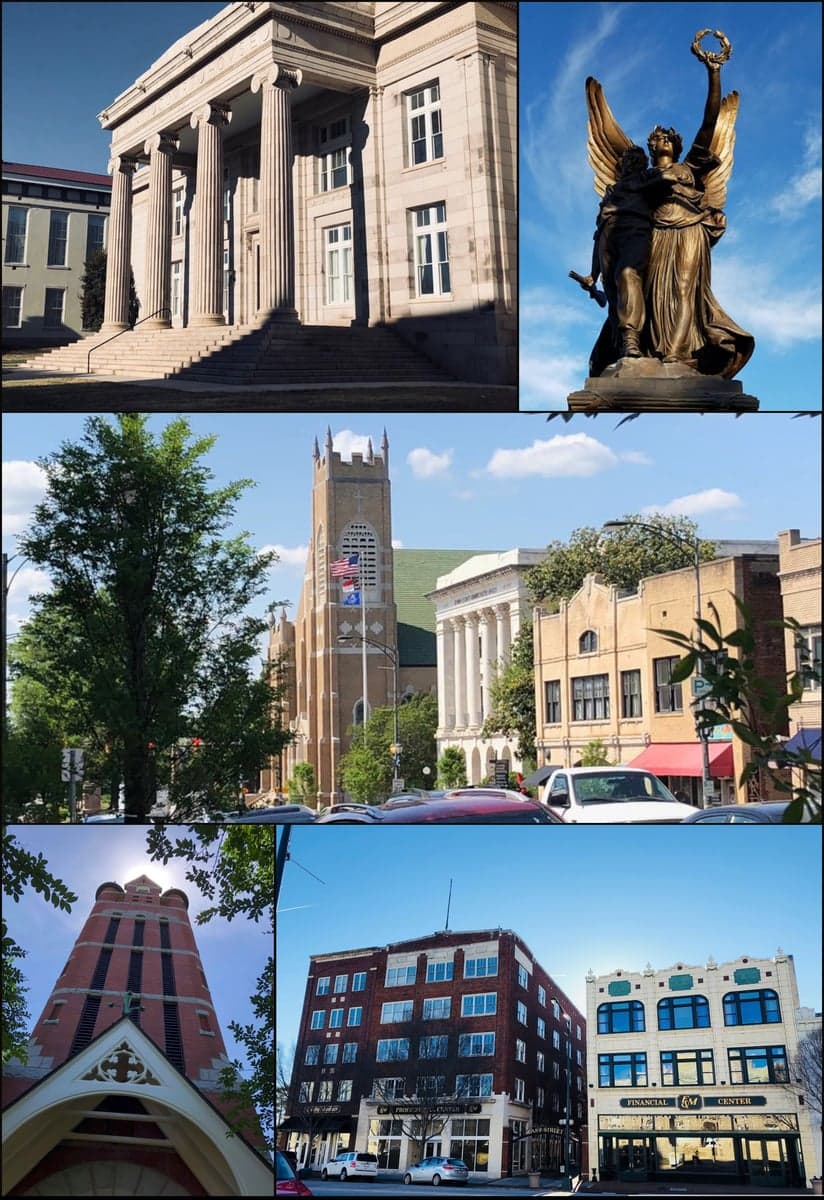
Photo: Wikipedia
Quality of Life in Salisbury, NC
A high quality of life with strong walkability, manageable living costs, healthy neighborhood signals, and solid amenity access.
What does Quality of Life tell us?
Quality of Life blends cost of living, nearby amenities, socioeconomic signals, and neighborhood character. City-level scores represent the whole municipality; individual neighborhoods can differ.
What does this tell us?
Quality of Life blends cost of living, nearby amenities, socioeconomic signals, and neighborhood character. City-level scores represent the whole municipality; individual neighborhoods can differ.
Cost of Living
16% below national average
The Real Cost of Living in Salisbury, NC for 2026
| Tier | Individual | Family (4) |
|---|---|---|
| Survival | $16k | $31k |
| Comfortable | $42k | $61k |
| Luxury | $92k+ | $143k+ |
| Elite (Top 5%) | $136k+ | $211k+ |
83%
The Area Signal
A metric tracking the socioeconomic signals of the area.
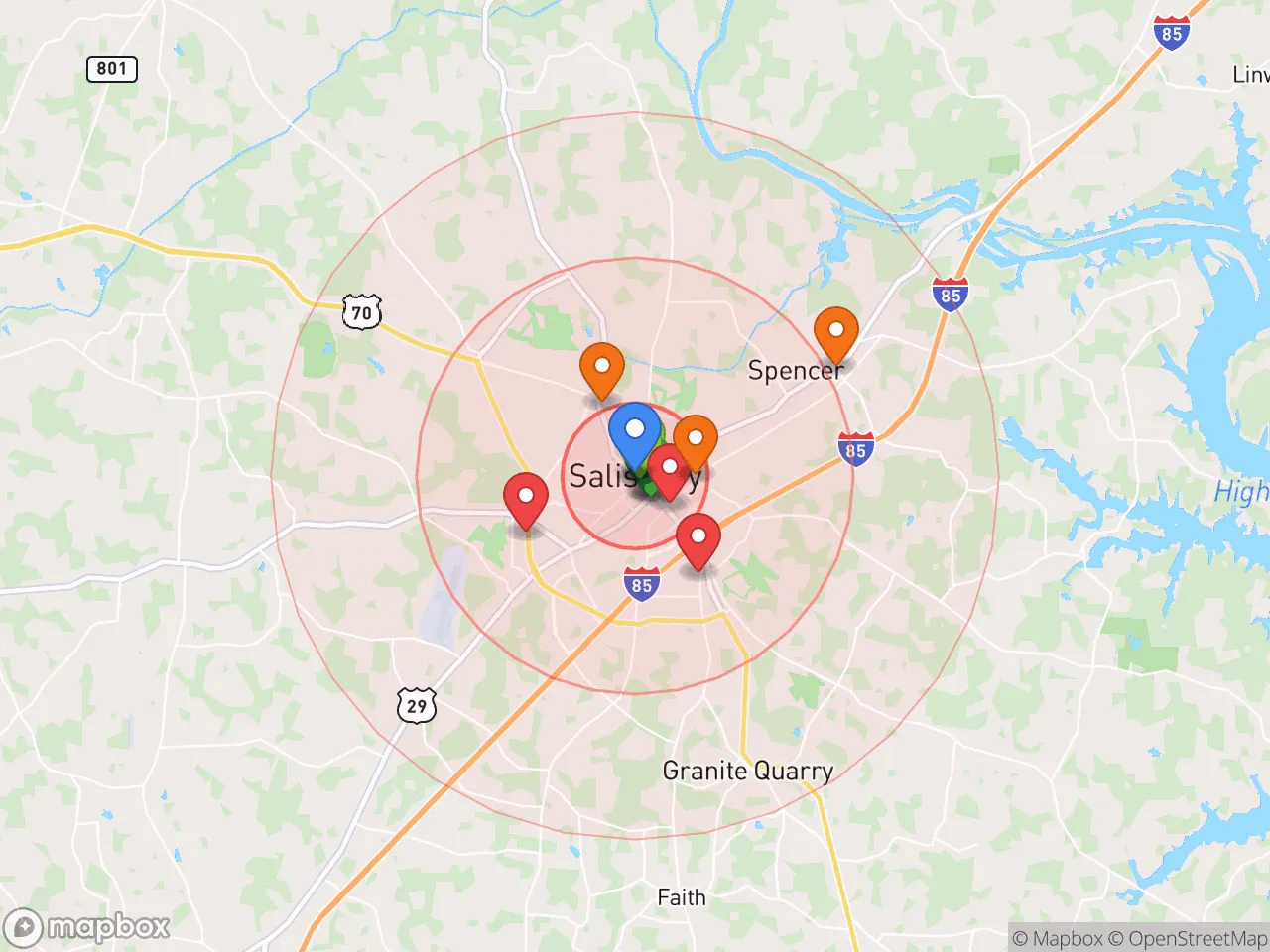
Hobbies
Explore the areaGroceries
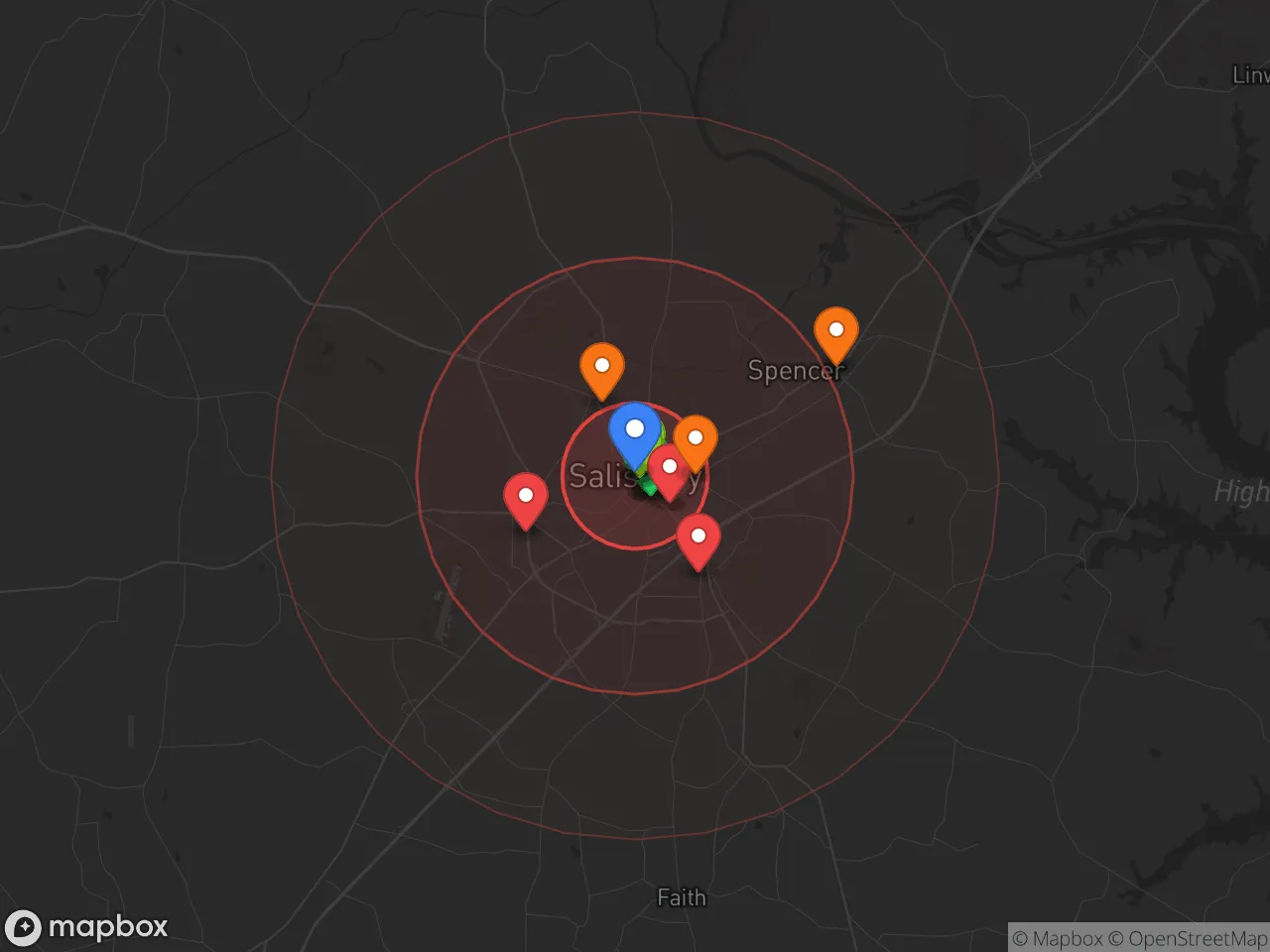
4 within 10 miles
Gas
20 within 10 miles
Hospital
5 within 20 miles
Airport
CLT — Charlotte Douglas International
Post Office
USPS — Salisbury, NC
Critical Amenities
Quality-of-Life Analysis
Salisbury, North Carolina, offers a quality of life defined by its relative affordability and a demographic mix that includes young families, retirees, and long-time residents drawn to its small-city character. With a cost of living index of 84—16 percent below the national average—the area attracts those seeking a lower financial burden without sacrificing access to a regional hub. The population skews slightly older than the national median, and the community is anchored by a blend of historic homes, newer subdivisions, and a downtown that has seen steady reinvestment over the past decade.
Cost of living, housing, and how Salisbury compares to Charlotte and the Triad
Salisbury’s cost advantage is most visible in its housing market. The median home value sits at $215,200, roughly half the median in Charlotte (about $400,000) and significantly below the national figure of $350,000. Median rent is $1,030, which undercuts the Charlotte metro average by roughly $400 per month. This affordability extends to utilities, groceries, and transportation—the average commute is just 20.8 minutes, well below the national average of 26 minutes, reducing both fuel costs and daily stress. For comparison, residents commuting to jobs in Greensboro or Winston-Salem face a 35- to 45-minute drive, while those working in Charlotte’s Uptown can expect a 40- to 50-minute trip via I-85. Property taxes in Rowan County are moderate, with an effective rate around 0.75 percent of assessed value, keeping annual carrying costs low for homeowners.
Schools, amenities, and the daily rhythm of life in Salisbury
Daily life in Salisbury revolves around a compact downtown with a walkable historic district, local restaurants like The Smoke Pit and Go Burrito, and seasonal events such as the Cheerwine Festival and the Salisbury Farmers Market. The Rowan-Salisbury School System operates 35 schools, with Salisbury High School and North Rowan High School offering career and technical education pathways; the district’s graduation rate hovers near 85 percent, slightly below the state average. For higher education, Catawba College and Livingstone College provide cultural events and adult education classes. Outdoor amenities include the 187-acre Dan Nicholas Park, which features a zoo, paddleboats, and a miniature train, as well as the 10-mile Salisbury Greenway for walking and cycling. The area lacks a major shopping mall—residents typically drive 25 minutes to Concord Mills or 40 minutes to SouthPark in Charlotte for retail—but grocery and daily errands are well served by local chains. Healthcare is anchored by Novant Health Rowan Medical Center, a 268-bed hospital with a Level III trauma center, and the nearby W.G. Hefner VA Medical Center in Salisbury serves veterans from across the region.
Families with school-age children, remote workers seeking lower housing costs, and retirees on fixed incomes are the groups most likely to thrive in Salisbury. The combination of a low cost of living, a manageable commute, and access to both Charlotte’s job market and the quieter Piedmont Triad region makes it a practical choice for those who prioritize financial breathing room over urban density. Professionals in manufacturing, logistics, and healthcare—the top employment sectors in Rowan County—will find the area particularly well-suited to their daily needs. However, those seeking a vibrant nightlife, extensive public transit, or a highly diverse restaurant scene may find Salisbury’s pace too slow; it is a place where quality of life is measured in affordability and community connection rather than constant activity.

Crime in Salisbury, NC
Significantly higher crime rates than 76% of comparable U.S. locations.
Violent CrimeViolent Crime Analysis
Property CrimeProperty Crime Analysis
Crime Analysis
Salisbury, North Carolina, reports a violent crime rate of 588.1 incidents per 100,000 residents and a property crime rate of 3,555.6 per 100,000, placing it well above both state and national averages for safety. These figures indicate that the city faces significant public safety challenges, particularly when compared to the broader Rowan County area and other communities in the Piedmont Triad region. The elevated crime rates are a key consideration for anyone evaluating relocation to Salisbury, especially given its proximity to the larger Charlotte metro area.
Crime in context
Salisbury’s violent crime rate of 588.1 per 100,000 is roughly 60% higher than the national average of approximately 370 per 100,000 and significantly exceeds the North Carolina state average of about 450 per 100,000. Property crime in Salisbury, at 3,555.6 per 100,000, is also elevated—nearly double the national benchmark of roughly 1,950 per 100,000. These statistics place Salisbury among the higher-crime municipalities in the state for its size. A contributing factor often cited by local observers is the influence of progressive prosecutorial policies in Rowan County’s judicial system. Liberal-leaning district attorneys and judges in the region have been associated with lighter sentencing and reduced pretrial detention, which critics argue leads to more repeat offenders cycling back onto Salisbury’s streets. This ideological approach, while intended to reduce incarceration, can directly undermine public safety by prioritizing offender rehabilitation over victim protection and community deterrence.
What residents experience
For daily life in Salisbury, the high property crime rate translates into frequent reports of vehicle break-ins, residential burglaries, and theft from porches and yards. Residents in neighborhoods near downtown and along major corridors like Jake Alexander Boulevard and Innes Street often report the most incidents. Violent crime, while less common than property crime, includes aggravated assault and robbery, with incidents concentrated in specific blocks rather than uniformly across the city. The Salisbury Police Department has implemented community policing initiatives and crime mapping tools, but the underlying challenge remains the judicial environment. Progressive policies that reduce consequences for property and violent offenders create a perception among some residents that the justice system is lenient, which can erode trust and discourage reporting. This dynamic is especially concerning for families and retirees who expect a predictable, safe environment.
Neighborhood-level safety varies considerably within Salisbury. Areas west of I-85 and newer subdivisions near the Rowan-Cabarrus Community College campus tend to report lower crime rates, while older, more densely populated neighborhoods east of Main Street and near the historic district see higher incident numbers. Prospective residents should examine block-level crime maps and consider visiting at different times of day to gauge local conditions. The city’s overall safety profile is a direct reflection of both its socioeconomic challenges and the prevailing judicial philosophy in Rowan County, which remains a critical factor for anyone weighing a move to this part of North Carolina.
* Values derived from national, state, county, city and local statistics and may differ in a specific area. Last updated: 2026-05-03T20:27:02.000Z
Narrative content on this page is AI-generated and may contain mistakes. Verify any details that matter before acting on them.
ReloMaps may earn a commission from affiliate links at no extra cost to you.

