 Popular
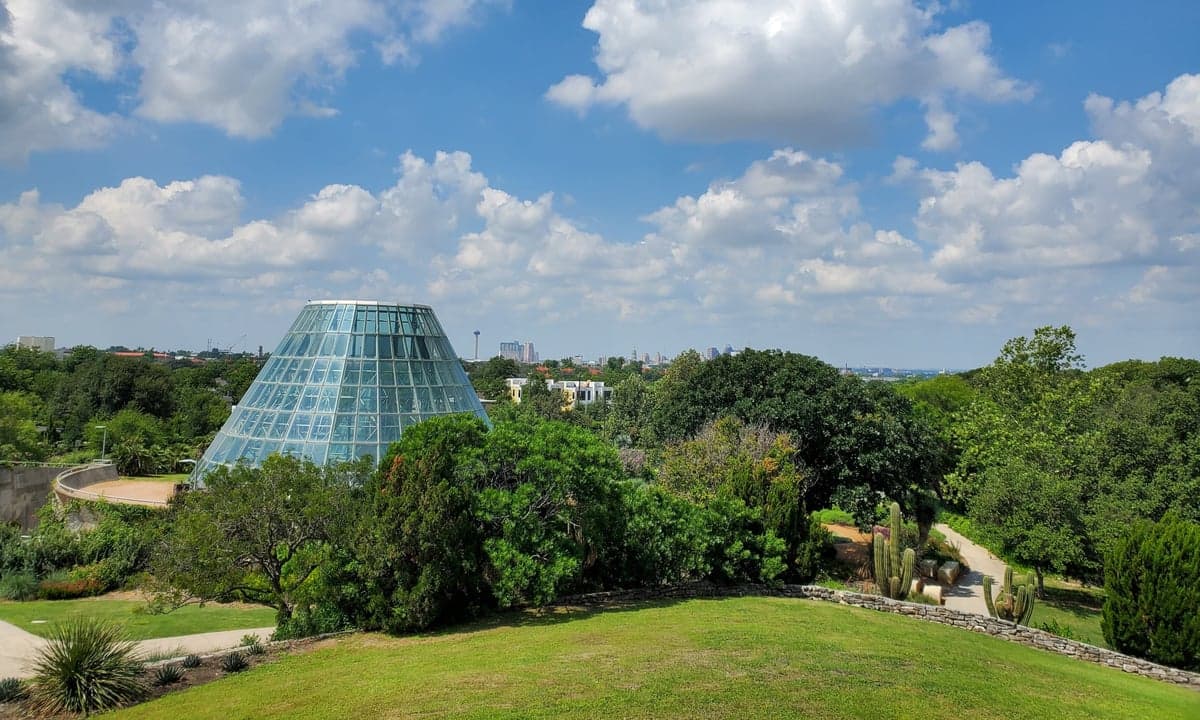
Photo: Wikipedia
Quality of Life in San Antonio, TX
A high quality of life with strong walkability, manageable living costs, healthy neighborhood signals, and solid amenity access.
What does Quality of Life tell us?
Quality of Life blends cost of living, nearby amenities, socioeconomic signals, and neighborhood character. City-level scores represent the whole municipality; individual neighborhoods can differ.
What does this tell us?
Quality of Life blends cost of living, nearby amenities, socioeconomic signals, and neighborhood character. City-level scores represent the whole municipality; individual neighborhoods can differ.
Cost of Living
4% below national average
The Real Cost of Living in San Antonio, TX for 2026
| Tier | Individual | Family (4) |
|---|---|---|
| Survival | $20k | $38k |
| Comfortable | $43k | $63k |
| Luxury | $114k+ | $176k+ |
| Elite (Top 5%) | $137k+ | $212k+ |
100%
The Area Signal
A metric tracking the socioeconomic signals of the area.
Hobbies
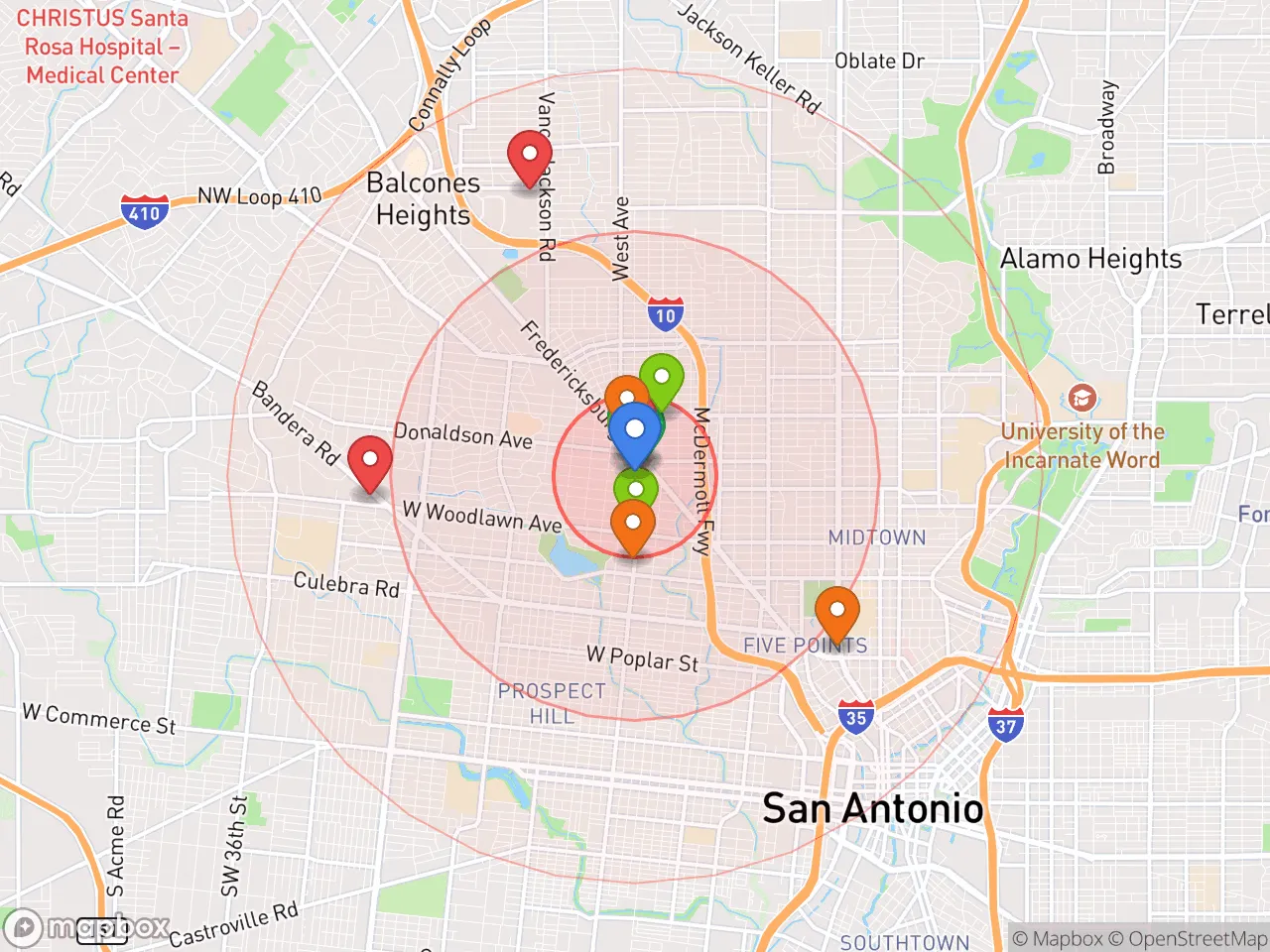
Explore the areaGroceries
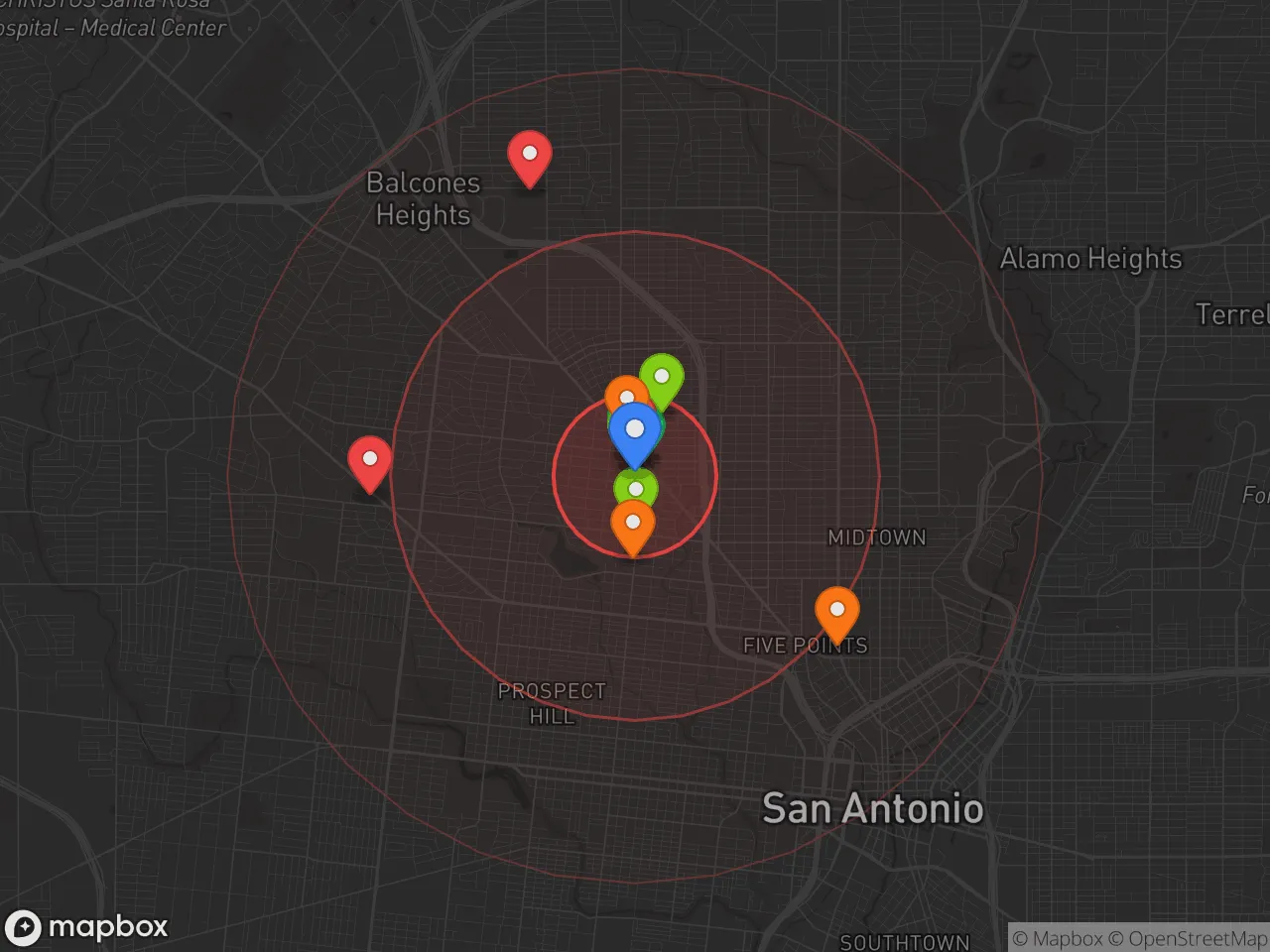
3 within 10 miles
Gas
20 within 10 miles
Hospital
20 within 20 miles
Airport
SAN — San Antonio International
Post Office
USPS — San Antonio, TX
Critical Amenities
Quality-of-Life Analysis
San Antonio offers a quality of life defined by strong affordability, a growing job market, and deep cultural roots, attracting a broad mix of military families, young professionals, and retirees. With a cost of living index of 96 (4% below the U.S. average), the city provides a financial buffer that is increasingly rare in major Texas metros. The median household income of $59,097 supports a comfortable middle-class lifestyle, though wealth is distributed unevenly, with affluent enclaves like Alamo Heights and Stone Oak contrasting with lower-income neighborhoods on the South and East Sides.
Cost of living, housing affordability, and how San Antonio compares to Austin and Dallas
San Antonio’s housing market remains one of the most accessible among large U.S. cities. The median home value of $219,700 is roughly half of Austin’s median and about 30% lower than Dallas’s, making homeownership attainable for first-time buyers and families. Median rent sits at $1,258, well below the national average of $1,400, and significantly cheaper than the $1,800+ typical in Austin. Property taxes in Bexar County average around 2.3% of assessed value, which is high by national standards but partially offset by the lower base home price. The average commute of 24.6 minutes is shorter than both the national average (27.6 min) and the Houston metro (30+ min), though traffic on I-10 and Loop 1604 has worsened since 2020. Overall, a family earning $70,000 can afford a median-priced home here, a calculation that is increasingly difficult in Austin or Dallas.
What daily life is like: amenities, schools, and neighborhood character
Daily life in San Antonio revolves around its walkable downtown core, extensive park system, and strong military presence. The city’s 1,200+ acres of parks include the famed River Walk, Brackenridge Park, and the 1,300-acre Government Canyon State Natural Area. Public schools are managed by 17 independent school districts; North East ISD and Northside ISD are the largest and generally highest-rated, with several campuses earning A ratings from the Texas Education Agency. Private and charter options are plentiful, including the Keystone School and BASIS San Antonio. The city’s rhythm is slower than Houston or Dallas, with a strong emphasis on family-oriented weekend activities—Fiesta Texas, the San Antonio Zoo, and the Missions baseball games are local staples. The culinary scene is anchored by Tex-Mex and barbecue, but has diversified significantly since 2020, with new Asian and Latin American restaurants opening along the Broadway corridor. The military presence—centered on Joint Base San Antonio (Lackland, Randolph, Fort Sam Houston)—shapes the economy and community, with many residents working in defense, healthcare, or logistics.
San Antonio is best suited for families and professionals who prioritize affordability and a relaxed pace over high-powered career acceleration. The city’s low cost of living, short commute, and family-friendly amenities make it a strong choice for remote workers, military personnel, and retirees seeking a warm climate without the premium of Austin or Phoenix. Those seeking a vibrant nightlife or a tech-industry salary may find better options in Dallas or Austin, but for a balanced, budget-conscious lifestyle with deep cultural roots, San Antonio delivers consistently.

Crime in San Antonio, TX
Higher crime rates than 74% of comparable U.S. locations.
Violent CrimeViolent Crime Analysis
Property CrimeProperty Crime Analysis
Crime Analysis
San Antonio's overall safety picture is mixed, with crime rates significantly exceeding both Texas and national averages. The city recorded a violent crime rate of 528.2 incidents per 100,000 residents and a property crime rate of 3,909.4 per 100,000 in the most recent reporting period. These figures place San Antonio among the higher-crime large metros in the state, a reality shaped by its size, demographics, and local criminal justice policies.
Crime in context
San Antonio's violent crime rate is roughly 40% higher than the national average and about 25% above the Texas state average. Property crime in the city is similarly elevated, running approximately 30% above the national benchmark. For comparison, nearby Austin reports a violent crime rate near 400 per 100,000, while Dallas and Houston post rates closer to 550–600 per 100,000. San Antonio sits in the middle of these peer cities but still well above the national norm. The city's clearance rates for violent crimes—the percentage of cases solved—lag behind state averages, a pattern critics attribute to understaffing in the police department and what some observers describe as a permissive prosecutorial environment under Bexar County District Attorney Joe Gonzales, a progressive elected in 2018 who has emphasized diversion programs and reduced cash bail for nonviolent offenders.
What residents experience
For the average resident, property crime is the most likely concern. Auto theft, burglary, and theft from vehicles are common, particularly in areas near tourist corridors like the River Walk and the Pearl District. Violent crime, while less frequent, is concentrated in specific neighborhoods—primarily on the east and south sides of the city. The city's homicide rate has fluctuated, hovering around 10–12 per 100,000 in recent years, roughly double the national average. Residents in central and north-central neighborhoods like Alamo Heights, Stone Oak, and the Dominion report far lower victimization rates, while areas such as the East Side, near Interstate 35 and Loop 410, see elevated incidents of aggravated assault and robbery. The progressive criminal justice reforms championed by local officials—including a 2023 policy limiting arrests for low-level misdemeanors—have drawn criticism from public safety advocates who argue they contribute to repeat offending and erode deterrence, particularly for property crimes.
Neighborhood-level variation is stark. In the affluent, largely suburban north side, violent crime rates can be below 200 per 100,000, while some zip codes on the near east side exceed 1,000 per 100,000. Property crime, however, is more evenly distributed, affecting even gated communities and shopping districts. Prospective residents should research specific zip codes and consult the San Antonio Police Department's crime mapping tool, as the city's overall averages obscure dramatically different lived experiences depending on where one lives. The combination of elevated citywide rates and a justice system perceived as lenient toward offenders makes San Antonio a location where personal security precautions—such as home security systems, vehicle immobilizers, and awareness of surroundings—are strongly advisable.
* Values derived from national, state, county, city and local statistics and may differ in a specific area. Last updated: 2026-04-28T15:32:18.000Z
Narrative content on this page is AI-generated and may contain mistakes. Verify any details that matter before acting on them.
ReloMaps may earn a commission from affiliate links at no extra cost to you.

