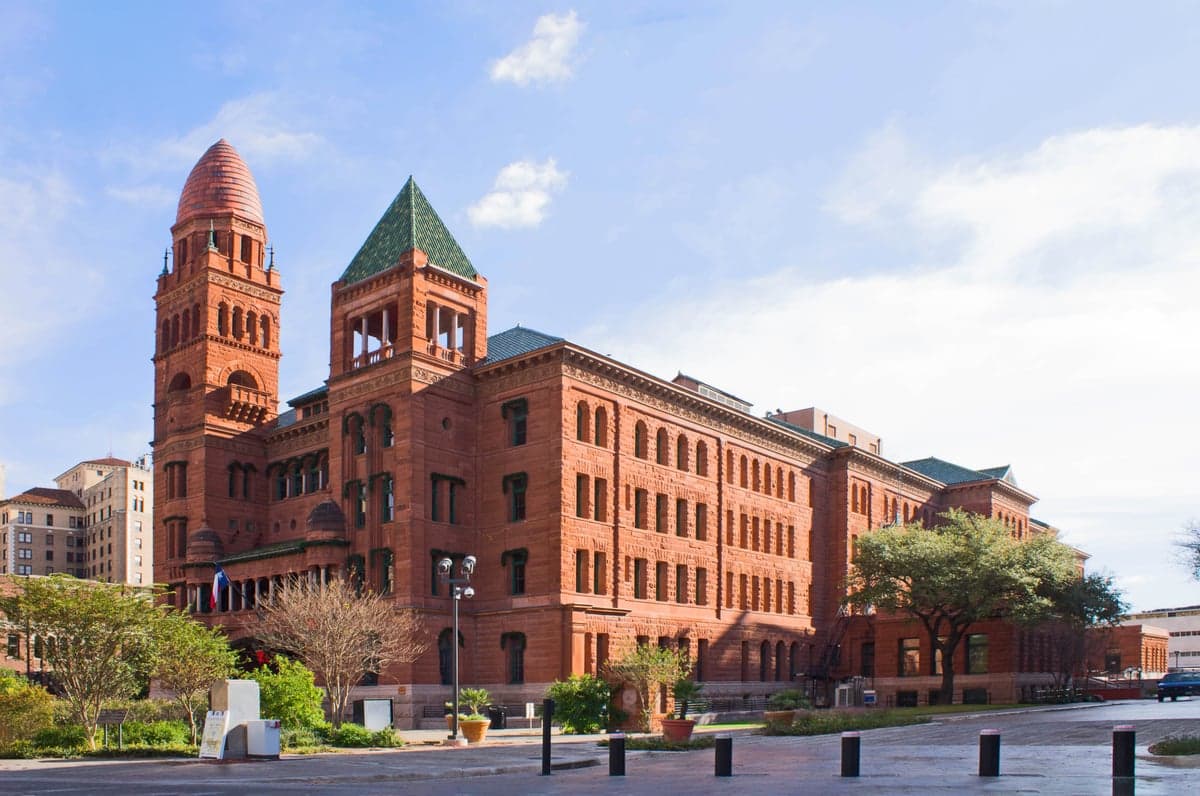
Photo: Wikipedia
Find The Best Places To Live in Bexar County
PRO TIP! You can paste a Zillow or Redfin link to get info on that property.
Best Places to Live in Bexar County

Cities & Towns in Bexar County
Cities in Bexar County
What It's Like Living in Bexar County, TX
Living in Bexar County means you’re part of a sprawling, 2-million-person mix where San Antonio’s urban energy meets the quiet of rural stretches like Elmendorf and the hill-country feel of Helotes. It’s a place where the Alamo and the River Walk are the postcard images, but the real daily rhythm revolves around family, work, and a deep-rooted sense of community that feels more small-town than a county this size should allow. Whether you’re a single professional looking for a lower cost of living than Austin or a parent weighing school options in Alamo Heights, Bexar County offers a distinct blend of affordability and tradition that’s hard to find elsewhere in Texas.
Daily Rhythm: From San Antonio’s Bustle to the Quiet of the Hill Country
Your day-to-day in Bexar County depends heavily on which of its 30-plus municipalities you call home. In San Antonio proper, the commute averages about 26 minutes, which is manageable for a metro of this size, but traffic on I-10 and Loop 1604 during rush hour is a genuine frustration for many. People who work downtown often live in the suburbs like Stone Oak or Alamo Heights, trading a shorter drive for better schools and more space. On weekends, you’ll find families at the San Antonio Zoo or hiking the trails at Government Canyon State Natural Area, while singles might hit the Pearl District for its farmers market and breweries. In smaller towns like Boerne (technically Kendall County but part of the Bexar orbit) or Converse, life slows down—Friday-night football at local high schools is a major social event, and the H-E-B grocery store is where you’ll run into neighbors.
For parents, the school system is a huge factor. The county has over a dozen independent school districts, with Alamo Heights ISD and North East ISD consistently ranking high, while San Antonio ISD offers magnet programs like the Advanced Learning Academy. The median age here is 34.6, which skews younger than the state average, and you see that in the number of young families moving into newer developments in Schertz and Cibolo. The cost of living index sits at 101—just a hair above the national average—but with a median home value of $244,100, you get significantly more house for your money than in Austin or Dallas. That affordability is a major draw for people priced out of those cities.
Sports, Community, and What People Actually Do for Fun
Sports are a unifying force here. The San Antonio Spurs are the undisputed kings—a franchise that’s woven into the county’s identity, with games at the AT&T Center drawing crowds year-round. High school football is huge in places like Judson and Steele, where Friday nights in the fall can feel like a town-wide holiday. For college sports, UTSA’s Roadrunners have grown a passionate following, especially since their move to the American Athletic Conference. Beyond the stadiums, the county’s outdoor scene is underrated. The San Antonio River runs through the heart of the city, but head north to Helotes and you’re in hill country with live oaks and limestone bluffs, perfect for hiking or a lazy afternoon at a local winery.
Festivals are a big part of the cultural calendar. Fiesta San Antonio in April is a 10-day citywide party with parades, food, and music that feels like a family reunion for the whole county. Smaller towns have their own traditions: Floresville hosts the Peanut Festival, and Poteet is known for its Strawberry Festival. For dining, you can’t go wrong with the Tex-Mex—places like Mi Tierra in San Antonio’s Market Square are iconic, but locals know that the best barbacoa is often found at a no-frills taqueria in Von Ormy. The nightlife scene is centered around the Pearl and Southtown in San Antonio, with craft breweries and live music venues, but if you’re in the suburbs, your social life might revolve around a neighborhood barbecue or a local sports bar.
Pros and Cons of Living in Bexar County
Let’s be honest about what works and what doesn’t. On the plus side, the cost of living is a genuine advantage—median income here is $70,571, which goes further than in many Texas metros. The job market is diverse, with major employers like USAA, H-E-B, and the military (Lackland and Fort Sam Houston) providing stability. The culture is warm and welcoming, with a strong sense of community that’s especially evident in the smaller towns. The weather is another perk: mild winters mean you can be outside most of the year, though summers are brutally hot and humid from June through September.
On the downside, the violent crime rate of 342.3 per 100,000 is above the national average, and while it’s concentrated in certain parts of San Antonio, it’s a concern for families choosing where to live. Traffic is a genuine headache, especially on the north side near the Rim and La Cantera shopping areas. The public school system is a mixed bag—some districts are excellent, but others struggle with funding and performance, so you have to do your homework. And while the county has plenty of big-city amenities, some longtime residents complain that rapid growth is eroding the small-town feel in places like Leon Valley and Castle Hills. If you’re looking for a place with deep Texas roots, affordable housing, and a pace that lets you choose between city life and country quiet, Bexar County delivers—but it’s not without its rough edges.

* Values derived from national, state, county, city and local statistics and may differ in a specific area. Last updated: 2026-05-10T18:10:41.000Z
Narrative content on this page is AI-generated and may contain mistakes. Verify any details that matter before acting on them.
ReloMaps may earn a commission from affiliate links at no extra cost to you.

