Photo: Wikipedia
Quality of Life in Sand Springs, OK
A high quality of life with strong walkability, manageable living costs, healthy neighborhood signals, and solid amenity access.
What does Quality of Life tell us?
Quality of Life blends cost of living, nearby amenities, socioeconomic signals, and neighborhood character. City-level scores represent the whole municipality; individual neighborhoods can differ.
What does this tell us?
Quality of Life blends cost of living, nearby amenities, socioeconomic signals, and neighborhood character. City-level scores represent the whole municipality; individual neighborhoods can differ.
Cost of Living
23% below national average
The Real Cost of Living in Sand Springs, OK for 2026
| Tier | Individual | Family (4) |
|---|---|---|
| Survival | $16k | $30k |
| Comfortable | $36k | $53k |
| Luxury | $107k+ | $166k+ |
| Elite (Top 5%) | $126k+ | $195k+ |
138%
The Area Signal
A metric tracking the socioeconomic signals of the area.
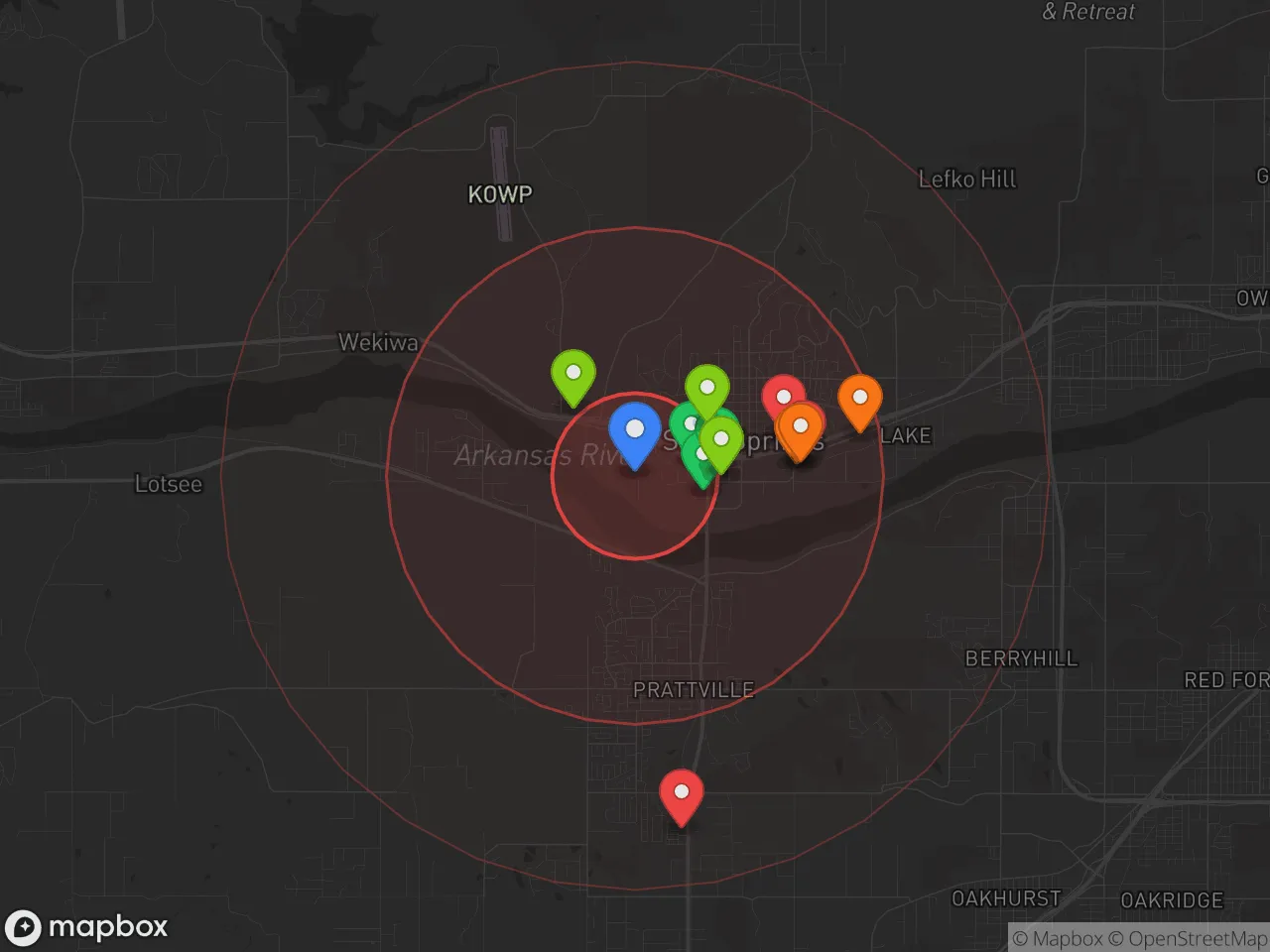
Hobbies
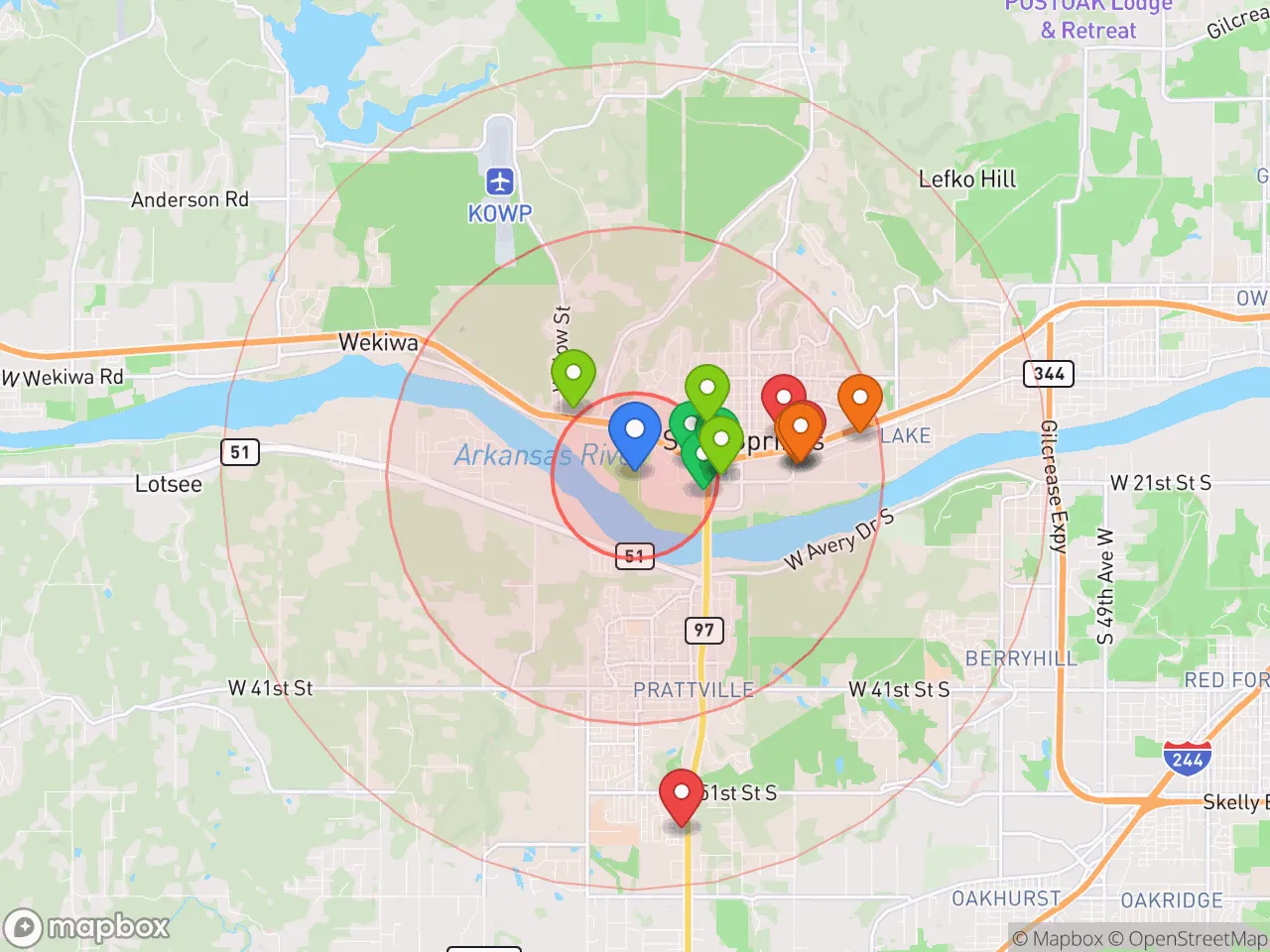
Explore the areaGroceries
6 within 10 miles
Gas
20 within 10 miles
Hospital
19 within 20 miles
Airport
DFW — Dallas/Fort Worth International
Post Office
USPS — Sand Springs, OK
Critical Amenities
Quality-of-Life Analysis
Sand Springs, Oklahoma, offers a notably high quality of life relative to its cost, attracting a mix of young families, skilled tradespeople, and Tulsa-commuting professionals who value space and affordability. With a cost-of-living index of 77 (23% below the U.S. average), the city provides a suburban lifestyle that feels more attainable than many comparable communities in the region. The population skews slightly older and more settled than the national median, reflecting a community rooted in local industry and long-term homeownership.
How housing costs and everyday expenses compare to Tulsa and Broken Arrow
Sand Springs delivers some of the most accessible housing in the Tulsa metro area. The median home value sits at $186,700, roughly $60,000 below the Tulsa city median and nearly $100,000 less than Broken Arrow. Median rent of $1,016 undercuts the national average by over $300, making it a strong option for renters seeking a single-family home or duplex rather than an apartment complex. Utility costs run about 10% below the national average, and grocery prices in Sand Springs are consistently 5–8% cheaper than in Tulsa proper, according to local COL surveys. The average commute of 22.4 minutes is shorter than the national average of 26 minutes, and most residents drive to jobs in Tulsa’s energy, aerospace, and healthcare sectors via U.S. Highway 412 or State Highway 97. Property taxes in Tulsa County are moderate, with an effective rate around 0.9% of assessed value, which keeps annual carrying costs low compared to Texas or Kansas suburbs.
What daily life is like for families: parks, schools, and local amenities
Daily life in Sand Springs centers on a compact, walkable downtown along the Arkansas River and a network of city parks that include the 40-acre Case Community Park with its splash pad, sports fields, and the Keystone Ancient Forest nature preserve. The Sand Springs Public School District serves roughly 4,500 students and consistently earns a B+ rating from Niche, with Charles Page High School offering strong vocational and STEM tracks. For everyday errands, residents rely on the local Walmart Supercenter and a growing strip of national retailers along U.S. 412, while most specialty shopping and dining requires a 15-minute drive to Tulsa’s Utica Square or the Woodland Hills Mall. The city’s recreation department runs a robust youth sports league and a senior center, and the annual Sand Springs Herbal Affair draws regional crowds. Healthcare access is solid: the Hillcrest Hospital South campus in south Tulsa is 12 minutes away, and the city has its own urgent care and several dental clinics. Nightlife is limited to a handful of local bars and a brewpub; most entertainment options are in Tulsa, which is a 20-minute drive.
Sand Springs is best suited for families and professionals who prioritize a lower cost of living and a quieter pace over urban density. It works particularly well for tradespeople employed at the local oil and gas facilities, healthcare workers at nearby hospitals, and remote workers who want a house with a yard without a six-figure mortgage. Retirees on fixed incomes also find the affordability attractive, though those seeking a vibrant downtown or extensive cultural amenities may find the city too subdued. For anyone who values a short commute, low housing costs, and access to Tulsa’s job market, Sand Springs represents one of the metro’s strongest value propositions.

Crime in Sand Springs, OK
Generally safer than 59% of comparable U.S. locations.
Violent CrimeViolent Crime Analysis
Property CrimeProperty Crime Analysis
Crime Analysis
Sand Springs, Oklahoma, reports a violent crime rate of 176.2 incidents per 100,000 residents and a property crime rate of 1,894.6 per 100,000, placing it below national averages for violent offenses but above the national property crime baseline. As a small city within the Tulsa metropolitan area, its safety profile is shaped by both local policing and the broader criminal justice policies of Tulsa County, which has seen a shift toward progressive prosecution and sentencing reforms in recent years.
Crime in context
Sand Springs’ violent crime rate is roughly 40% lower than the U.S. average of 300 per 100,000, making it statistically safer than many comparably sized Oklahoma towns. However, its property crime rate exceeds the national average of approximately 1,950 per 100,000 by a modest margin. The city benefits from its own dedicated police department, which maintains a community-oriented approach, but residents should note that major felony cases—including violent offenses and repeat property crimes—are adjudicated through the Tulsa County District Attorney’s office. In recent years, Tulsa County has implemented progressive policies such as diversion programs and reduced cash bail for nonviolent offenders, a trend that critics argue can lead to higher recidivism and a revolving-door justice system. For Sand Springs residents, this means that offenders arrested locally may face lighter consequences than in more conservative jurisdictions, potentially increasing the risk of repeat property crimes in the area.
What residents experience
Daily life in Sand Springs is generally quiet, with most crime concentrated in specific commercial corridors and near the Arkansas River recreational areas. The most common incidents are thefts from vehicles, burglaries of storage units, and occasional vandalism. Violent crime is rare but not unheard of; when it occurs, it is typically domestic in nature or tied to disputes among known individuals rather than random attacks on strangers. The city’s proximity to Tulsa (roughly 15 minutes from downtown) means that some crime is spillover from the larger metro’s challenges, including drug trafficking and gang activity. Residents should be aware that the progressive judicial philosophy in Tulsa County—which emphasizes rehabilitation over incarceration—has been linked to a rise in property crime recidivism across the metro area, a trend that directly affects Sand Springs’ otherwise manageable crime numbers.
Neighborhood-level variation is notable. The area around the historic downtown and the newer developments near the Tulsa Hills shopping center tend to see lower crime rates, while older residential sections along the Highway 97 corridor and near the city’s industrial zones report more frequent property offenses. Gated communities and newer subdivisions west of the Keystone Expressway offer the highest level of security. For those considering a move, consulting the Sand Springs Police Department’s public crime map or speaking with local real estate agents about block-by-block safety is recommended, as the difference between a quiet street and a higher-risk block can be significant within the same ZIP code.
* Values derived from national, state, county, city and local statistics and may differ in a specific area. Last updated: 2026-04-25T13:53:20.000Z
Narrative content on this page is AI-generated and may contain mistakes. Verify any details that matter before acting on them.
ReloMaps may earn a commission from affiliate links at no extra cost to you.

