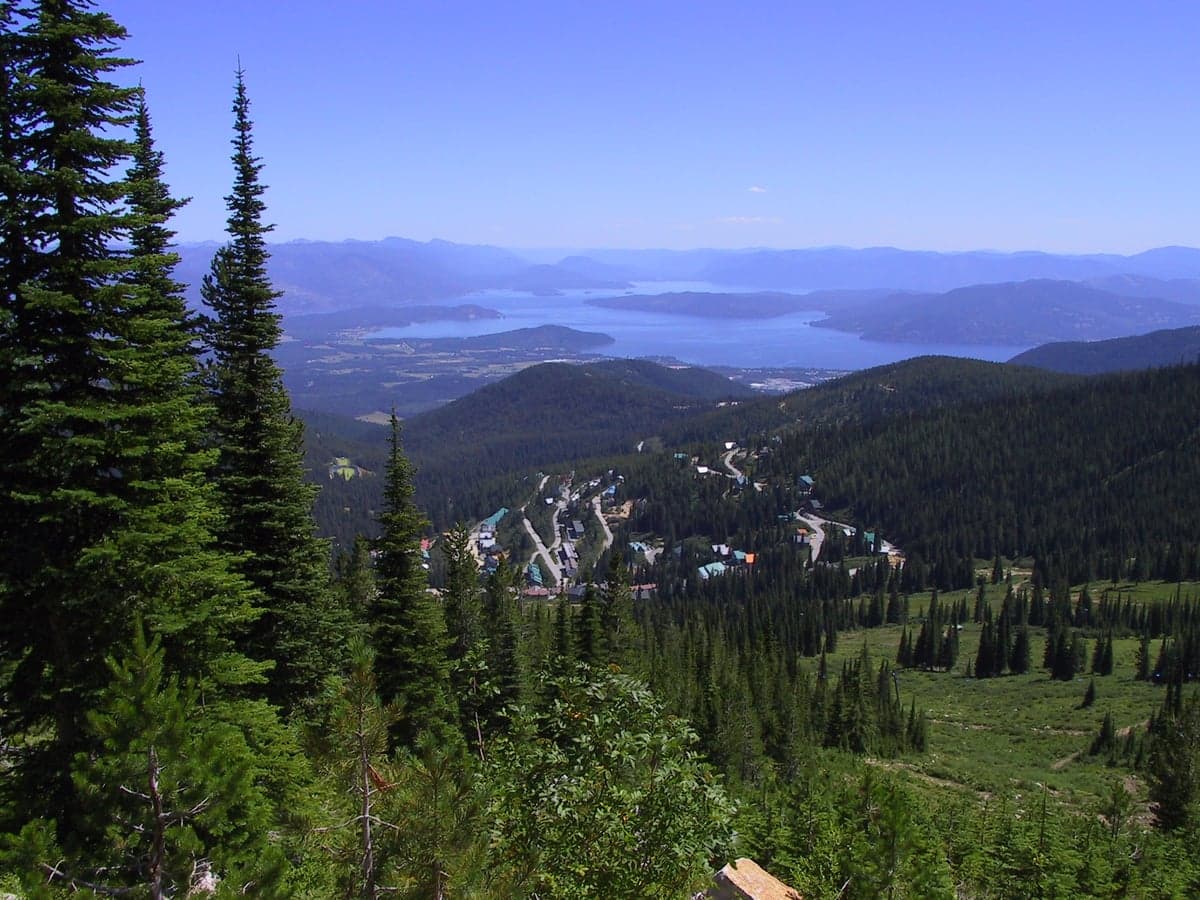
Photo: Wikipedia
Quality of Life in Sandpoint, ID
A high quality of life with strong walkability, manageable living costs, healthy neighborhood signals, and solid amenity access.
What does Quality of Life tell us?
Quality of Life blends cost of living, nearby amenities, socioeconomic signals, and neighborhood character. City-level scores represent the whole municipality; individual neighborhoods can differ.
What does this tell us?
Quality of Life blends cost of living, nearby amenities, socioeconomic signals, and neighborhood character. City-level scores represent the whole municipality; individual neighborhoods can differ.
Cost of Living
18% above national average
The Real Cost of Living in Sandpoint, ID for 2026
| Tier | Individual | Family (4) |
|---|---|---|
| Survival | $17k | $31k |
| Comfortable | $87k | $128k |
| Luxury | $122k+ | $190k+ |
| Elite (Top 5%) | $151k+ | $234k+ |
53%
The Area Signal
A metric tracking the socioeconomic signals of the area.
Hobbies
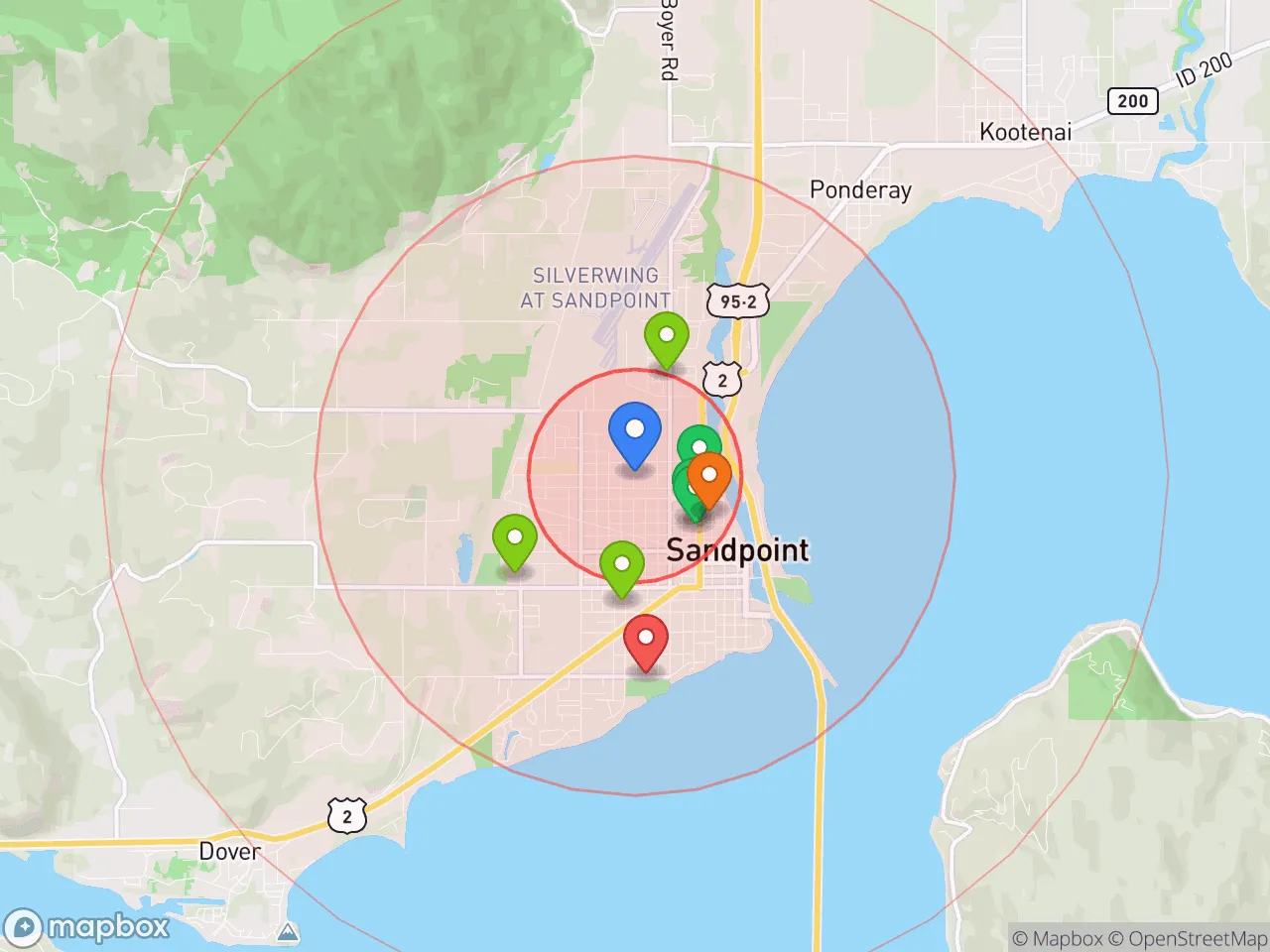
Explore the areaGroceries
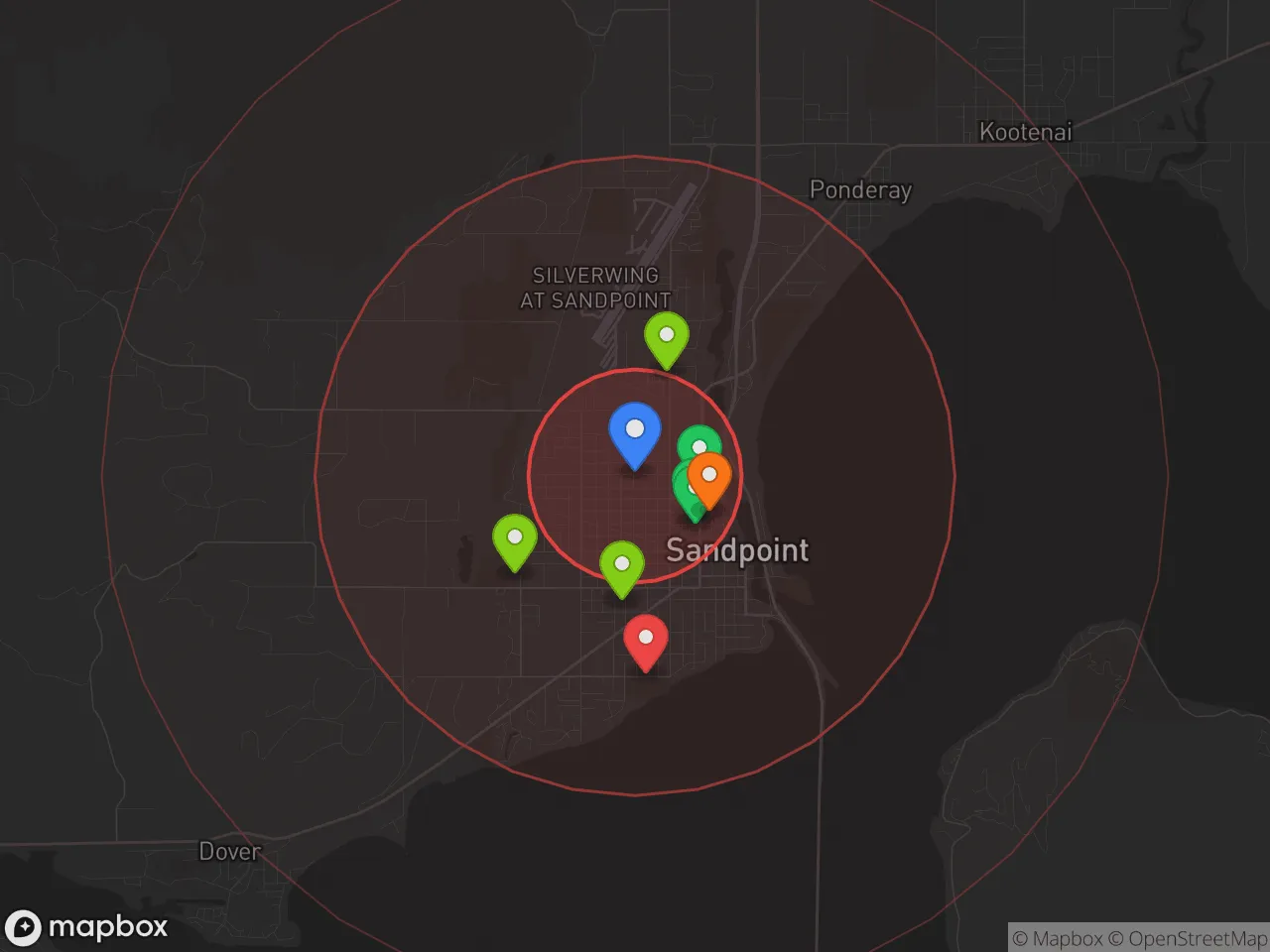
2 within 10 miles
Gas
9 within 10 miles
Hospital
2 within 20 miles
Airport
SEA — Seattle–Tacoma International
Post Office
USPS — Sandpoint, ID
Critical Amenities
Quality-of-Life Analysis
Sandpoint, Idaho, is an affluent mountain town where the cost of living index sits at 118 (18% above the U.S. average), drawing a mix of remote tech workers, second-home owners, and outdoor recreation enthusiasts. The population skews toward higher-income households, with many residents relocating from pricier West Coast metros like Seattle and Portland for the lake-and-mountain lifestyle. This influx has reshaped the local economy and housing market, creating a community that is both prosperous and increasingly competitive for newcomers.
Cost of living, housing, and affordability compared to nearby areas
Sandpoint's housing market is the primary driver of its above-average cost of living. The median home value is $449,500, significantly higher than the Idaho state median of roughly $380,000 and more than double the national median of around $200,000. Renters face a more moderate burden, with a median rent of $1,047 — notably lower than in nearby resort towns like Coeur d'Alene (where median rent exceeds $1,300) or Boise (over $1,400). However, rental inventory is tight, with vacancy rates often below 2%. For context, the average commute is a short 21.5 minutes, reflecting the town's compact layout and limited sprawl, though housing costs push many workers to live farther out in Bonner County. Compared to Spokane, Washington (about 50 miles west), Sandpoint homes cost roughly 30% more, but the trade-off is direct access to Lake Pend Oreille and Schweitzer Mountain Resort.
What daily life is like for families, amenities, and schools
Daily life in Sandpoint revolves around outdoor recreation and a tight-knit, small-town rhythm. The Lake Pend Oreille School District serves the area, with Sandpoint High School consistently ranking among Idaho's top 20% for academic performance. Amenities include the Bonner General Health hospital, a walkable downtown with independent shops and restaurants, and the Sandpoint Farmers Market (May–October). Families benefit from the Sandpoint Parks and Recreation Department, which manages over 20 parks, a community pool, and year-round youth sports leagues. The town's cultural calendar is anchored by the Festival at Sandpoint (a summer concert series) and the Lost in the '50s car show. Winters shift the focus to skiing and snowboarding at Schweitzer, while summers bring boating, fishing, and hiking on the 111-mile-long Lake Pend Oreille. The lack of major chain retail (no Costco or Target within 30 miles) means residents often drive to Coeur d'Alene or Spokane for big-box shopping, reinforcing the town's independent, outdoorsy character.
Sandpoint is best suited for people who prioritize natural beauty and recreation over urban convenience and low housing costs. Remote workers, retirees, and families who can afford the premium home prices will find a safe, active community with strong schools and low crime rates. Those on tighter budgets — especially renters or first-time buyers — may struggle with the limited inventory and high entry point, though the short commute and absence of big-city congestion offer genuine quality-of-life trade-offs. For anyone seeking a four-season playground with a genuine small-town feel, Sandpoint delivers, but the financial bar to entry is real and rising.

Crime in Sandpoint, ID
Lower crime rates than 88% of comparable U.S. locations.
Violent CrimeViolent Crime Analysis
Property CrimeProperty Crime Analysis
Crime Analysis
Sandpoint, Idaho, reports a violent crime rate of 64.1 per 100,000 residents and a property crime rate of 1,126 per 100,000, placing it well below national averages for both categories. These figures indicate a community where serious violent offenses are rare, though property crime occurs at a moderate frequency typical of a small, growing tourist and recreation hub. The overall safety picture is strong, but residents and newcomers should remain aware of seasonal fluctuations and specific property risks.
Crime in context
Sandpoint’s violent crime rate is roughly 82% lower than the national average, making it one of the safer small cities in the Pacific Northwest. Property crime, while higher than violent crime, still sits about 30% below the U.S. median for cities of similar size. By comparison, nearby Coeur d’Alene reports a property crime rate near 2,500 per 100,000, and Spokane, Washington, exceeds 4,000 per 100,000. Sandpoint benefits from being in Bonner County, which has a conservative judicial philosophy and a sheriff’s office that emphasizes community policing and proactive enforcement. This stands in contrast to larger, more liberal jurisdictions where progressive district attorneys have been linked to reduced prosecution rates and increased recidivism; Sandpoint’s local justice system prioritizes accountability, which helps keep crime rates low.
What residents experience
Most residents describe feeling safe walking downtown, using local trails, and leaving vehicles unlocked in residential areas—though the latter is not recommended. The most common property crimes are theft from vehicles and bicycle theft, particularly near the Schweitzer Mountain Resort access points and the downtown core during summer and ski season. Burglaries are infrequent but tend to target unoccupied vacation homes. Violent incidents are almost entirely interpersonal and rarely involve random attacks on strangers. The Sandpoint Police Department maintains a visible presence, and neighborhood watch programs are active in subdivisions like Ponder Point and the Sagle area. Because Sandpoint is not a large metro area and does not have a progressive prosecutor’s office, the risk of lenient sentencing contributing to repeat offenses is minimal—a factor that directly supports the community’s low violent crime rate.
Neighborhood-level variation is modest but worth noting. The area immediately around the downtown core and the Sandpoint High School zone sees slightly higher property crime, while outlying rural subdivisions like Kootenai Cutoff and the Lakeshore Drive corridor report near-zero violent crime and very low theft rates. The most consistently safe areas are the gated communities along the Pend Oreille River and the newer developments west of U.S. Highway 95. Overall, Sandpoint offers a safety profile that is significantly better than the national average, supported by conservative local governance and a justice system that does not prioritize offender rehabilitation over public protection.
* Values derived from national, state, county, city and local statistics and may differ in a specific area. Last updated: 2026-04-21T09:14:03.000Z
Narrative content on this page is AI-generated and may contain mistakes. Verify any details that matter before acting on them.
ReloMaps may earn a commission from affiliate links at no extra cost to you.

