Photo: Wikipedia
Find The Best Places To Live
in Sarasota
PRO TIP! You can paste a Zillow or Redfin link to get info on that property.
What It's Like Living in Sarasota, FL
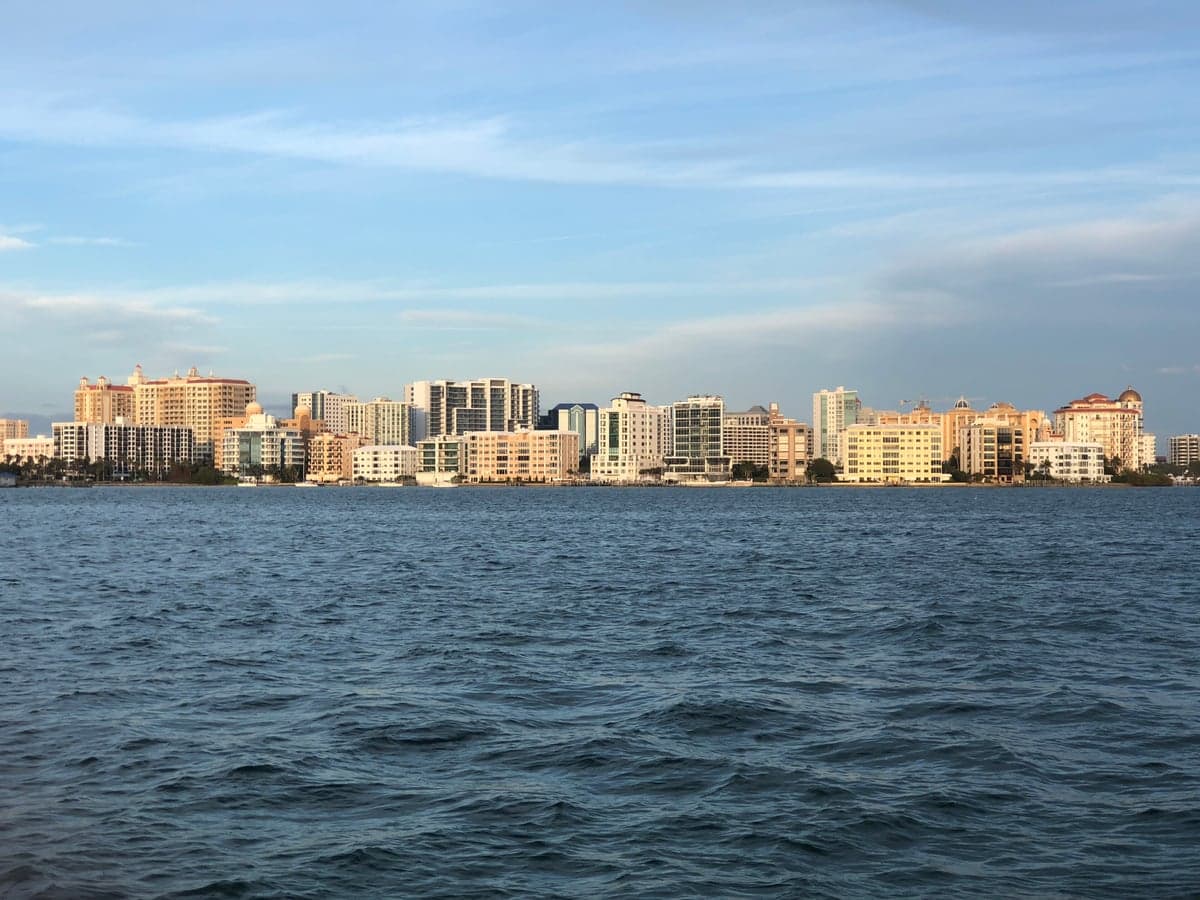
Sarasota has a reputation as a place where people go to retire, and that’s not wrong — but it’s only half the story. The city itself, home to about 56,000 people, feels like a small, sun-bleached coastal town that happens to have a world-class arts scene and a surprising amount of money floating around. The median age here is 49.3, which means you’ll see plenty of snowbirds and empty-nesters, but also a growing number of young families and remote workers who figured out they’d rather have a Gulf breeze than a corner office.
The Daily Rhythm: Slow Mornings, Busy Evenings
Life in Sarasota moves at a pace dictated by the weather. Mornings are for coffee at a place like O & French Bakery on Main Street or a walk along the bayfront at Bayfront Park. By mid-afternoon, the heat settles in, and people retreat indoors or to the water. Weekends often revolve around the Sarasota Farmers Market on Saturday mornings — it’s a genuine community hub, not a tourist trap, where locals stock up on produce and pastries while kids run around the park.
The average commute is just over 21 minutes, which is notably short for a metro area of this size. That’s a real quality-of-life perk: you can live in a quiet neighborhood off Bee Ridge Road and still be at a downtown restaurant in 15 minutes. Traffic on Tamiami Trail (US 41) can get frustrating during season — roughly January through April — but it’s nothing like Tampa or Miami.
Who Fits In: Affluence, Education, and a Certain Pace
Sarasota skews older, wealthier, and better-educated than the Florida average. The median household income sits around $70,000, and 41.7% of adults hold a college degree — well above the national average. That shows up in the kind of conversations you overhear at dinner: less about traffic and more about the latest exhibition at The Ringling or the season schedule at the Sarasota Opera.
This is not a place for someone looking for nightlife until 3 a.m. or a gritty urban edge. It’s a place for people who value clean streets, good schools, and a calendar full of cultural events. Parents here tend to be involved — the Sarasota County school system is one of the strongest in the state, and you’ll see families at the Van Wezel Performing Arts Hall or the Marie Selby Botanical Gardens on weekends. Singles in their 20s and 30s sometimes find the dating pool shallow, but those who thrive here are the ones who enjoy a slower social rhythm and don’t mind driving to Tampa (about an hour north) for a bigger scene.
Sports, Festivals, and What People Actually Do
Sarasota isn’t a big-league sports town, but it has its own loyalties. The Baltimore Orioles hold spring training at Ed Smith Stadium, and that brings a noticeable energy to the city from February through March. High school football is genuinely popular — games at Venice High or Riverview High draw big crowds, especially during playoff season. For pro sports, most locals are split between the Tampa Bay Buccaneers and the Lightning, but it’s not an obsessive culture.
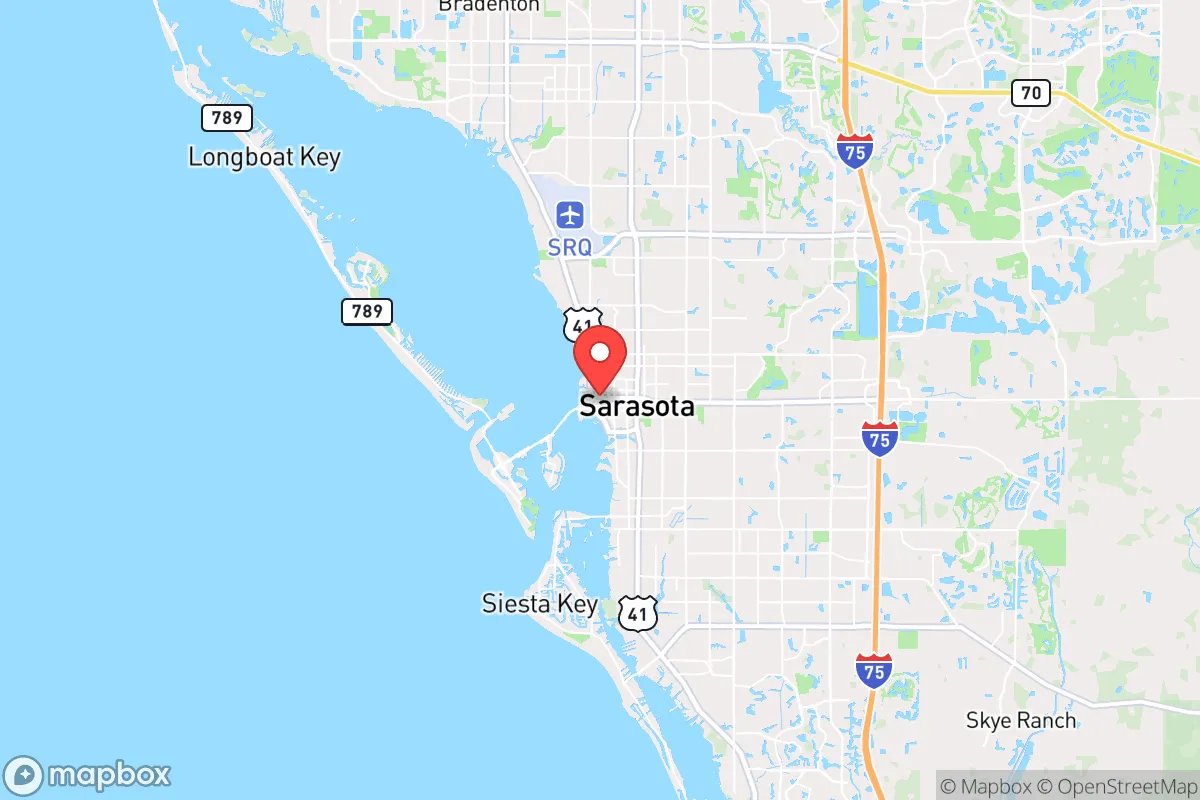
The real draw is the outdoors and the arts. Siesta Key Beach — consistently ranked among the top beaches in the country — is a 15-minute drive from downtown, and it’s where people go for sunset, volleyball, or just floating in the warm Gulf water. Myakka River State Park offers hiking, kayaking, and airboat tours through wetlands that feel a world away from the strip malls. On the cultural side, the Sarasota Film Festival and the Ringling International Arts Festival bring national attention, and the St. Armands Circle shopping district is a favorite for an evening stroll and dinner at Columbia Restaurant.
Notable quirks: Sarasota has a strong circus history — the Ringling legacy is everywhere, from the museum to the name of the causeway. Locals are used to the seasonal rhythm of “season” and “off-season,” and many plan their restaurant reservations and doctor appointments around the snowbird influx.
The Honest Trade-Offs: What You Gain and What You Give Up
The biggest pro is the quality of life for those who can afford it. The cost of living index is 136 — significantly above the national average — and the median home value is $409,700, which prices out many young professionals and service workers. Rentals are tight and expensive. The violent crime rate is 166.8 per 100,000, which is below the national average but not negligible; property crime is more of a concern, especially in tourist-heavy areas.
What frustrates longtime residents: the summer heat and humidity from June through September can be draining, and hurricane season (June–November) requires real preparation. The city’s infrastructure is strained by seasonal population spikes — roads get clogged, restaurant waits double, and finding a parking spot near the beach becomes a competitive sport. There’s also a sense that Sarasota is becoming more expensive and more crowded each year, losing some of the quiet charm that drew people here in the first place.
But for the right person — someone who values beaches, culture, and a slower pace — Sarasota offers a lifestyle that’s hard to replicate. It’s not a place for everyone, but the people who love it tend to stay.

Similar small cities to Sarasota
* Values derived from national, state, county, city and local statistics and may differ in a specific area. Last updated: 2026-05-14T01:43:34.000Z
Narrative content on this page is AI-generated and may contain mistakes. Verify any details that matter before acting on them.
ReloMaps may earn a commission from affiliate links at no extra cost to you.

