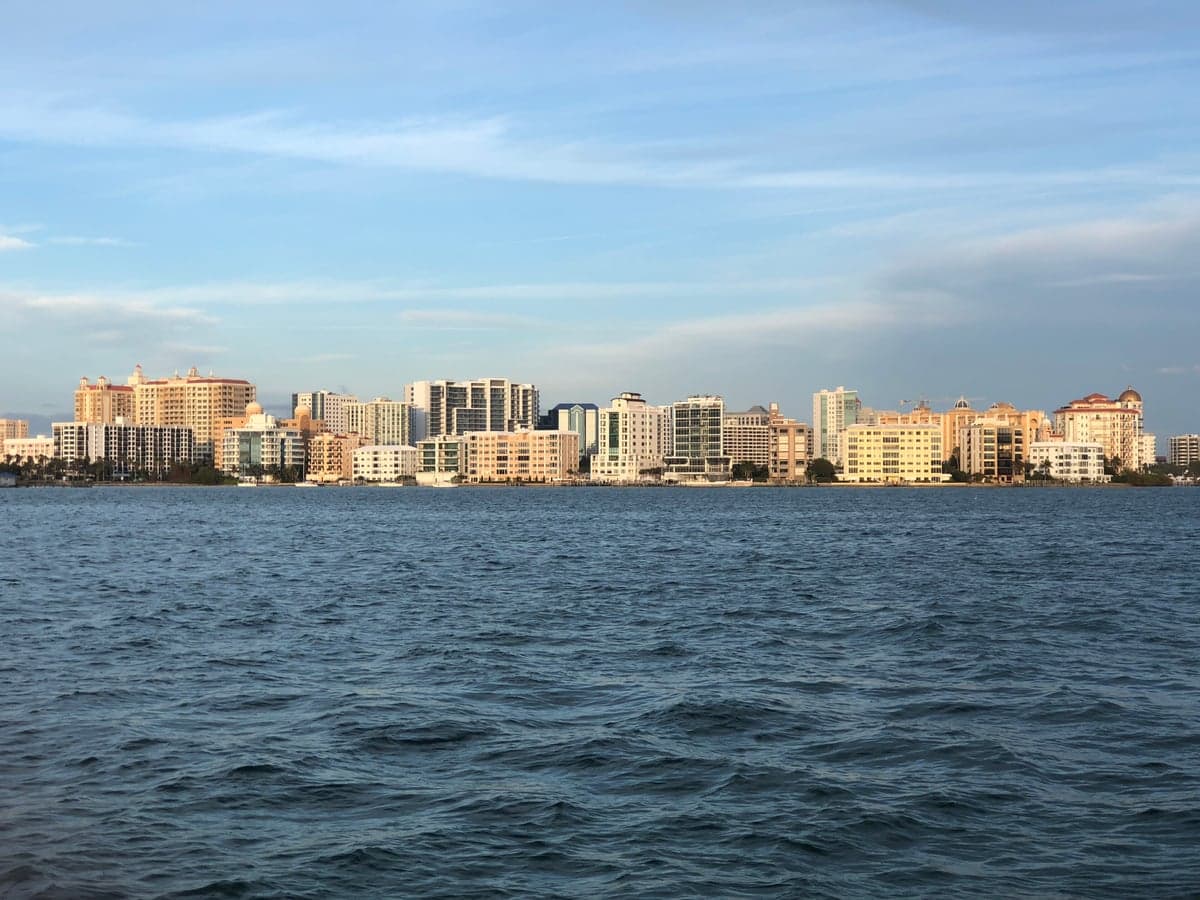
Photo: Wikipedia
Political ClimatePolitical Climate in Sarasota, FL
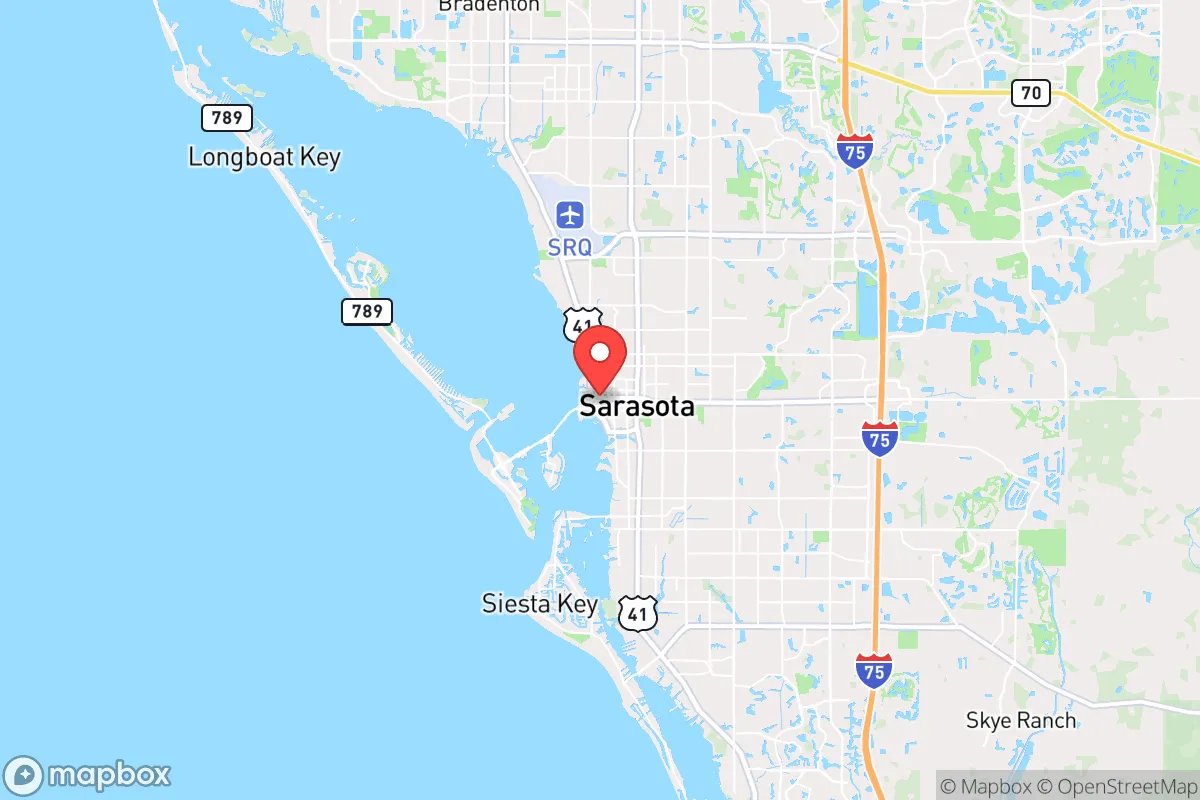
District shown is the primary district for this city’s centroid. Cities may span multiple districts.
Local Political AnalysisPolitical Analysis of Sarasota, FL
Sarasota has long been a reliably conservative stronghold, and the numbers back that up with a Cook PVI of R+11, making it significantly more Republican than the state of Florida as a whole, which sits at R+5. For years, this area was a haven for folks who wanted to escape the creeping government overreach you see in places like Miami-Dade or Broward, where progressive policies on everything from pandemic mandates to property rights have taken hold. The political trajectory here has been steady, but there are real concerns among long-time residents that the influx of new people from blue states is starting to shift the local vibe, even if the voting patterns haven't fully caught up yet.
How it compares
When you stack Sarasota up against the rest of Florida, the difference is stark. While the state as a whole leans right, Sarasota is a solid ten points more conservative, which means local elections and policy debates here are fought on a different playing field. Drive north to Tampa or south to Fort Myers, and you'll see a more mixed bag politically, but Sarasota has historically been a place where the Republican primary is the real election. The surrounding towns like Venice and North Port tend to mirror this conservative bent, though Venice has a particularly strong retiree base that leans hard into fiscal conservatism and limited government. The contrast is most visible when you look at how the county handled COVID restrictions compared to more progressive areas like St. Petersburg or Orlando—Sarasota was quick to push back on mandates, and that's a point of pride for many locals who value personal freedom over government directives.
What this means for residents
For someone moving here, the political climate means you can generally expect lower taxes, fewer business regulations, and a local government that is skeptical of state or federal overreach. The school board and county commission have been reliably conservative, which has kept things like critical race theory and radical gender ideology out of local classrooms—a big deal for families who want their kids educated without political indoctrination. However, there are warning signs. The recent push for more "affordable housing" initiatives and transit-oriented development has some worried that we're seeing the first steps toward the kind of zoning and density mandates that ruin the character of a place. If the progressive wave that's hit places like Orlando or Gainesville ever takes hold here, you can expect higher fees, more red tape for small businesses, and a general erosion of the freedom that makes Sarasota attractive in the first place.
One cultural distinction worth noting is that Sarasota has a strong tradition of civic engagement from its retiree population, who are often the most vocal about protecting property rights and opposing new taxes. This keeps the local government accountable in a way that younger, transient populations in other Florida cities don't always manage. But the long-term concern is that as more people move here from high-tax, high-regulation states, they bring their voting habits with them. If you're looking for a place where the government stays out of your life and your wallet, Sarasota is still one of the best bets in Florida—but keep an eye on the local elections, because that could change faster than you think.

State Political ClimatePolitical Climate in Florida
State Political AnalysisPolitical Environment in the State
Florida is a solidly Republican state with a Cook PVI of R+5, but it wasn’t always this way. Over the past 20 years, the state has undergone a dramatic realignment, shifting from a perennial battleground to a reliably red stronghold. The dominant coalition is a mix of conservative retirees, suburban families, and Hispanic voters in places like Miami-Dade and the I-4 corridor who have moved rightward. This shift accelerated after 2020, driven by pandemic-era migration from blue states and a backlash against progressive policies elsewhere. The trajectory is clear: Florida is becoming more conservative, not less.
Urban vs. rural divide
The political map of Florida is starkly divided. The major urban centers—Miami-Dade County, Broward County (Fort Lauderdale), and Orange County (Orlando)—still lean Democratic, but their margins have shrunk. Miami-Dade, once a Democratic stronghold, flipped to Trump in 2020 and again in 2024, driven by Cuban-American and Venezuelan voters who prioritize anti-socialism and economic freedom. Meanwhile, the rural Panhandle and North Florida—places like Panama City, Pensacola, and Gainesville—are deeply red, often voting 70%+ Republican. The I-4 corridor, running from Tampa through Lakeland to Daytona Beach, is the classic swing zone, but it’s trending red as well. Suburbs like St. Augustine and Ocala have become reliably conservative, while Naples and Sarasota on the Gulf Coast are wealthy, retiree-heavy areas that lean right. The only blue holdouts are college towns like Tallahassee and Gainesville, and a few inner-city pockets in Miami and Orlando.
Policy environment
Florida’s policy environment is a model of limited government. There is no state income tax, which is a huge draw for families and businesses. The regulatory posture is business-friendly, with streamlined permitting and a right-to-work law that keeps unions weak. Education policy has been a flashpoint: Governor Ron DeSantis pushed through the Parental Rights in Education Act (HB 1557), which prohibits classroom instruction on sexual orientation and gender identity in early grades, and the Stop WOKE Act (HB 7), which restricts critical race theory in schools and workplaces. School choice is robust, with the Family Empowerment Scholarship program giving parents taxpayer-funded options for private or homeschool. Healthcare is mixed—Florida did not expand Medicaid, keeping costs lower for taxpayers, but the state has a high uninsured rate. Election laws were tightened after 2020 with SB 90, which added voter ID requirements, limited drop boxes, and restricted mail-in voting. The state also passed a constitutional carry law in 2023, allowing permitless carry of firearms. On immigration, Florida passed SB 1718, which requires businesses with 25+ employees to use E-Verify and bans local governments from issuing IDs to undocumented immigrants. This is a state that actively pushes back against federal overreach.
Trajectory & freedom
Florida is becoming more free, not less, especially compared to states like California or New York. The trend is toward expanding personal liberty in key areas. Gun rights expanded with constitutional carry, and the state preempts local gun ordinances, so you won’t see city-level bans. Parental rights were strengthened with the Parental Bill of Rights (HB 241), which affirms parents’ authority over their children’s medical and educational decisions. Medical freedom was a major issue during COVID: DeSantis banned vaccine passports, kept schools open, and sued the CDC over cruise ship restrictions. Property rights are strong, with no state-level rent control and a homestead exemption that protects primary residences from creditors. The only area where freedom has contracted is on social issues—the state banned transgender procedures for minors (SB 254) and restricted drag shows in public spaces (HB 1423). For conservatives, these are wins for common sense and child safety. The trajectory is clear: Florida is doubling down on individual liberty, low taxes, and family values.
Civil unrest & political movements
Florida has seen its share of political flashpoints, but they’ve largely been managed. During the 2020 BLM protests, cities like Miami and Orlando saw some rioting, but DeSantis responded with the Combating Public Disorder Act (HB 1), which enhanced penalties for rioting and protected monuments. Immigration politics are hot: the state bused undocumented migrants to Martha’s Vineyard and California, and SB 1718 has created a climate where illegal immigration is actively discouraged. There’s no sanctuary city movement—Florida preempts any local sanctuary policies. Election integrity remains a concern for conservatives, but the state has been aggressive: the Office of Election Crimes and Security was created to investigate voter fraud, and dozens of cases have been prosecuted. The most visible movement is the Moms for Liberty chapter network, which has been active in school board races across Brevard County and Palm Beach County, pushing for parental rights and curriculum transparency. On the left, the Dream Defenders and other activist groups have been less effective, with their protests largely fizzling out. A new resident would notice a palpable sense of order—police are respected, and public demonstrations are rare and small.
Projection
Over the next 5-10 years, Florida will likely become even more conservative. The in-migration is overwhelmingly from blue states—New York, California, Illinois—and these newcomers are often fleeing high taxes and progressive policies, not importing them. The Hispanic vote, especially in Miami-Dade, is trending red, and the state’s growing population of retirees from the Midwest and Northeast tends to lean Republican. The only wildcard is the influx of younger, more liberal professionals into Tampa and Orlando, but they are being outnumbered by families moving to suburbs like Lakeland and Port St. Lucie. The state’s political leadership will likely remain conservative, with DeSantis’s policies setting a national template. Expect further tax cuts, expanded school choice, and continued resistance to federal mandates. The biggest risk is climate change—rising sea levels could affect coastal property values and insurance costs, but the state is investing in infrastructure and hardening its grid. For someone moving in now, the Florida of 2035 will look much like today, only more so: redder, freer, and more prosperous.
Bottom line for a new resident: If you’re tired of high taxes, government overreach, and woke ideology in schools, Florida is the place to be. You’ll find a state that respects your rights, keeps your money in your pocket, and lets you live your life without a bureaucrat looking over your shoulder. Just be prepared for hot summers, hurricane season, and a housing market that’s been squeezed by all the people who had the same idea. But for conservatives, it’s the best bet in the country right now.
* Values derived from national, state, county, city and local statistics and may differ in a specific area. Last updated: 2026-05-14T01:43:34.000Z
Narrative content on this page is AI-generated and may contain mistakes. Verify any details that matter before acting on them.
ReloMaps may earn a commission from affiliate links at no extra cost to you.

