Photo: Wikipedia
Quality of Life in Saratoga Springs, NY
Above-average quality of iife. The area offers a reasonable cost of living, decent mobility, and a mix of neighborhood amenities.
What does Quality of Life tell us?
Quality of Life blends cost of living, nearby amenities, socioeconomic signals, and neighborhood character. City-level scores represent the whole municipality; individual neighborhoods can differ.
What does this tell us?
Quality of Life blends cost of living, nearby amenities, socioeconomic signals, and neighborhood character. City-level scores represent the whole municipality; individual neighborhoods can differ.
Cost of Living
37% above national average
The Real Cost of Living in Saratoga Springs, NY for 2026
| Tier | Individual | Family (4) |
|---|---|---|
| Survival | $23k | $43k |
| Comfortable | $86k | $127k |
| Luxury | $182k+ | $281k+ |
| Elite (Top 5%) | $228k+ | $353k+ |
79%
The Area Signal
A metric tracking the socioeconomic signals of the area.
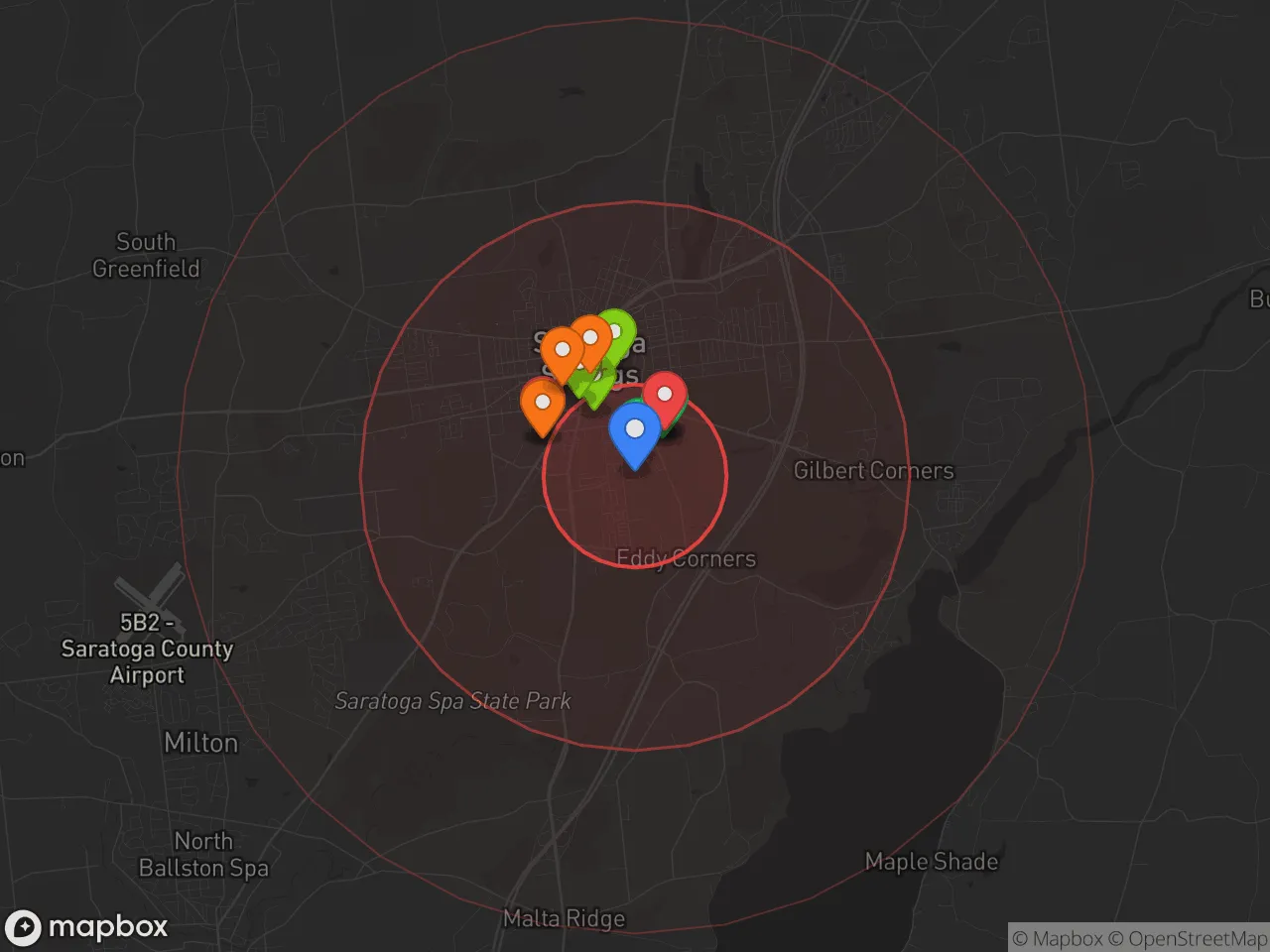
Hobbies
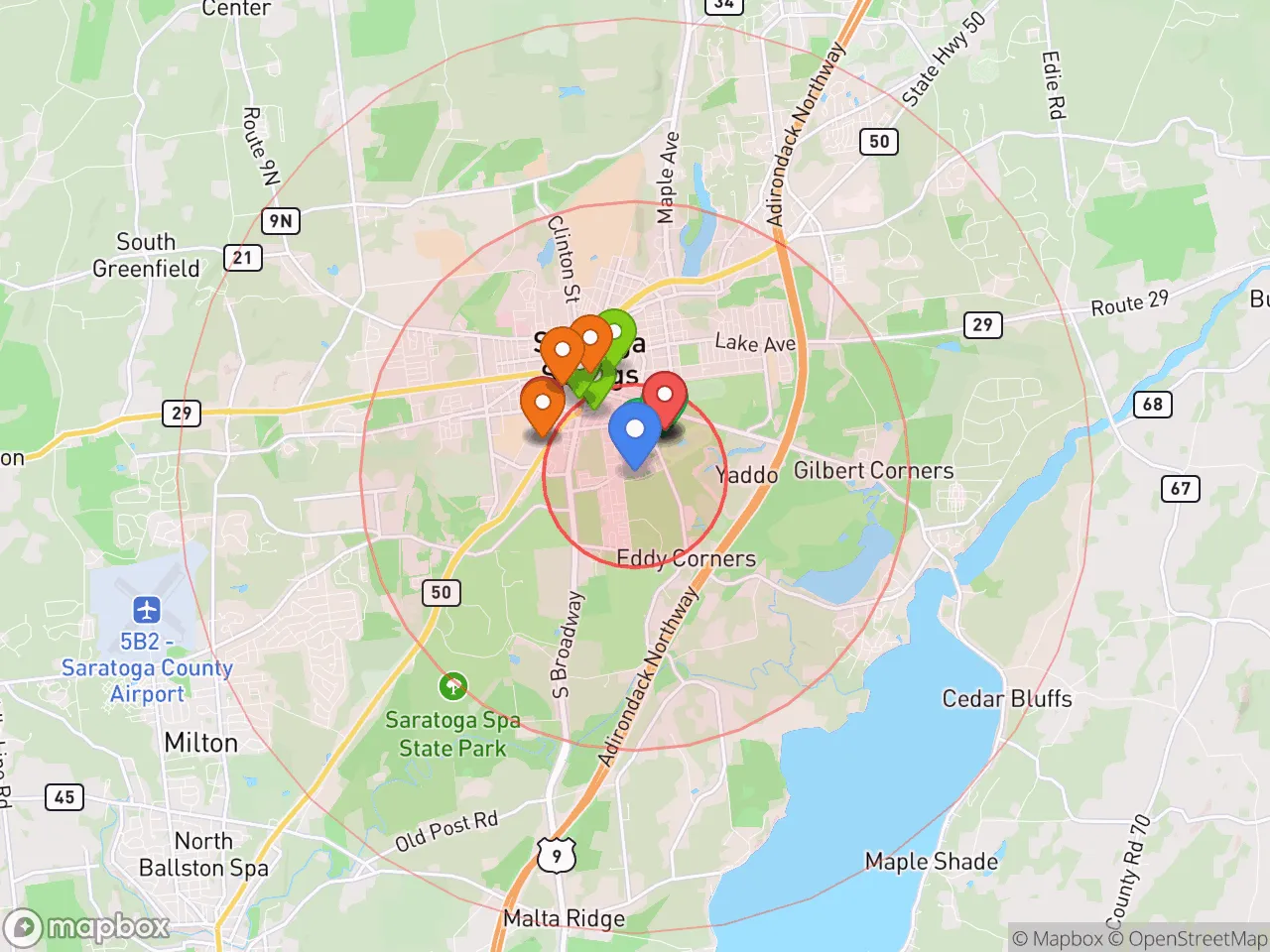
Explore the areaGroceries
6 within 10 miles
Gas
20 within 10 miles
Hospital
7 within 20 miles
Airport
EWR — Newark Liberty International
Post Office
USPS — Saratoga Springs, NY
Critical Amenities
Quality-of-Life Analysis
Saratoga Springs, New York, is one of the most affluent and sought-after small cities in the Northeast, drawing a mix of well-heeled professionals, second-home owners, and families who prioritize top-tier schools and a vibrant downtown. With a cost of living index of 137 (37% above the national average), the area is notably expensive, but residents consistently cite the high quality of public services, historic charm, and robust cultural calendar as justifying the premium. The city’s population skews educated and upper-middle-class, with a significant seasonal influx of horse-racing enthusiasts and summer tourists fueling a dynamic, event-driven local economy.
Cost of living, housing affordability, and how Saratoga Springs compares to Albany and the Capital Region
Saratoga Springs is the most expensive housing market in the Capital Region, with a median home value of $445,100 — roughly double the median in nearby Albany ($225,000) and significantly higher than the national median of around $350,000. The median rent of $1,439 is also elevated, though it remains below the national median of roughly $1,700, offering a slight edge for renters. The average commute of 26 minutes is longer than the national average of 25 minutes but is manageable given the region’s limited public transit; most residents drive, with Interstate 87 (the Adirondack Northway) providing a direct 30-minute route to Albany. For buyers, the market is competitive, with homes often selling within weeks, and property taxes in Saratoga County are among the highest in the state — averaging roughly 2.5% of assessed value — which further strains affordability. Compared to other affluent upstate enclaves like Lake George or Cooperstown, Saratoga Springs offers more employment diversity and a larger year-round population, making it a more practical choice for full-time residency despite the high entry cost.
What daily life is like for families: schools, amenities, and the rhythm of the year
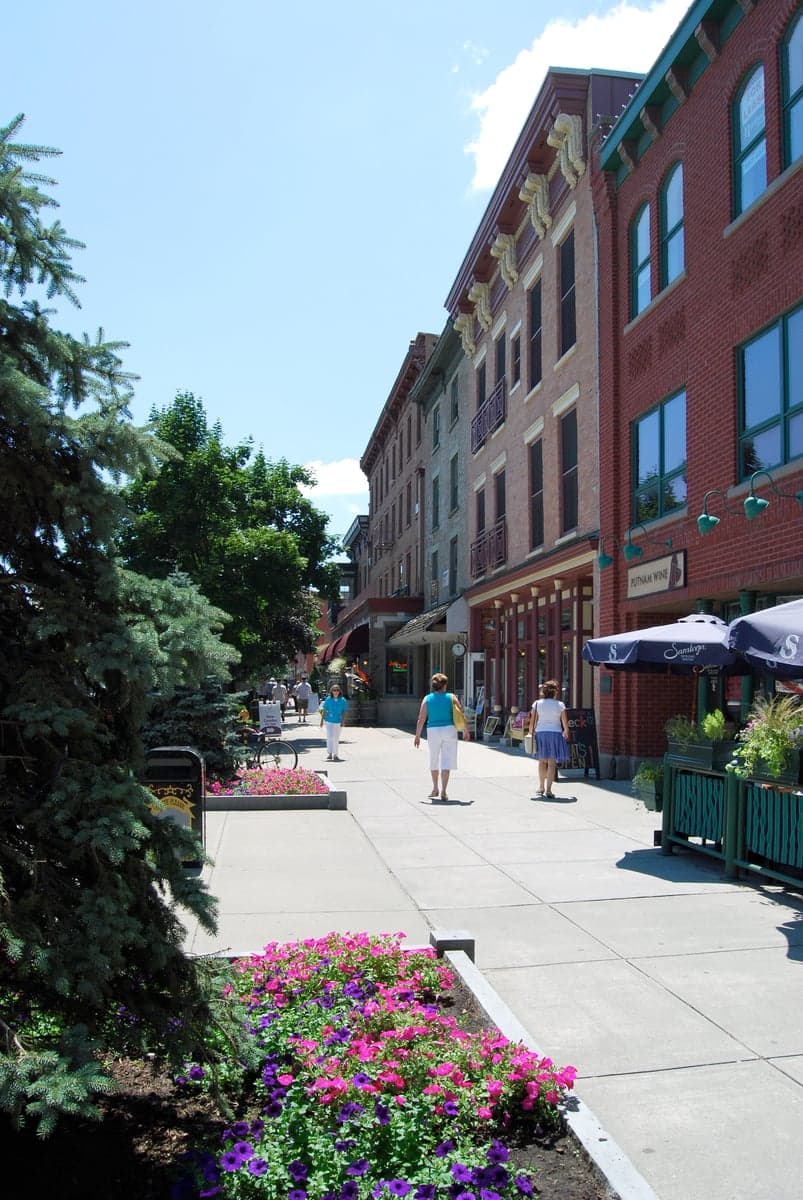
Daily life in Saratoga Springs revolves around a walkable, historic downtown anchored by Congress Park and the Saratoga Race Course. The Saratoga Springs City School District is consistently ranked among the top 10% in New York State, with a graduation rate above 95% and strong Advanced Placement offerings, making it a primary draw for families. The city’s amenities include the Saratoga Performing Arts Center (SPAC), which hosts the New York City Ballet and Philadelphia Orchestra each summer, and over 20 parks, including the 2,200-acre Saratoga Spa State Park with its mineral springs and hiking trails. The rhythm of the year is heavily shaped by the six-week summer racing season (July–August), which transforms the city into a bustling destination with packed restaurants, higher traffic, and premium hotel rates. Outside of summer, the pace slows considerably, with residents enjoying a quieter, community-oriented lifestyle centered on farmers’ markets, local breweries, and seasonal events like the Victorian Streetwalk in December. The city’s walkability is a standout feature: the downtown core is easily navigable on foot, and many neighborhoods are within a 15-minute walk of schools and grocery stores, reducing car dependency for daily errands.
This combination of high housing costs, elite schools, and a vibrant cultural scene means Saratoga Springs is best suited for upper-middle-income families, remote workers with six-figure salaries, and retirees who value walkability and arts access. Professionals commuting to Albany or working in the region’s growing tech and healthcare sectors will find the commute manageable, while those on a tighter budget may struggle with the housing market and property taxes. For anyone who prioritizes a safe, scenic, and intellectually stimulating environment — and can afford the premium — Saratoga Springs offers a quality of life that rivals pricier New England suburbs like Westport, CT, or Portsmouth, NH, at a slightly lower overall cost.

Crime in Saratoga Springs, NY
Generally safer than 56% of comparable U.S. locations.
Violent CrimeViolent Crime Analysis
Property CrimeProperty Crime Analysis
Crime Analysis
Saratoga Springs, New York, presents a mixed safety profile for potential residents. While the city is not among the most dangerous in the state, its crime rates exceed both national and New York State averages, warranting careful consideration. The city's violent crime rate stands at 331.5 incidents per 100,000 residents, and its property crime rate is 1,323.4 per 100,000, figures that place it above the typical threshold for a community of its size and character.
Crime in context
To understand Saratoga Springs' safety, it is essential to compare its crime rates to broader benchmarks. The national average for violent crime is roughly 380 per 100,000, while the New York State average is significantly lower, around 360 per 100,000. Saratoga Springs' violent crime rate of 331.5 per 100,000 is below the national average but still above the state average, indicating a localized problem. Property crime in the city, at 1,323.4 per 100,000, is notably higher than both the national average (approximately 1,950 per 100,000) and the state average (around 1,100 per 100,000). This means residents face a higher-than-average risk of theft, burglary, and vehicle break-ins compared to the rest of New York. The city's status as a major tourist and entertainment hub—hosting the Saratoga Race Course and numerous seasonal events—contributes to these elevated property crime numbers, as transient populations can create more opportunities for crime.
What residents experience
Daily life in Saratoga Springs involves a tangible awareness of property crime. Residents frequently report incidents of package theft, car break-ins, and bicycle theft, particularly in the downtown and near-track areas. Violent crime, while less common, is not absent. The city has seen incidents of aggravated assault and robbery, often linked to the nightlife scene on Caroline Street. A significant factor influencing the local crime environment is the broader judicial philosophy in Saratoga County and New York State. Progressive district attorneys and judges, who often prioritize rehabilitation and diversion programs over incarceration, can result in repeat offenders cycling back onto the streets quickly. This approach, while sympathetic to offenders, directly undermines public safety by reducing the deterrent effect of punishment and failing to incapacitate those who commit multiple crimes. For residents, this means a higher likelihood of encountering the same individuals involved in theft or low-level violence repeatedly.
Neighborhood-level variation is notable. The area immediately surrounding the racetrack and downtown core sees the highest concentration of both property and alcohol-related violent crime. In contrast, the outer residential neighborhoods—such as those near Saratoga Lake, the Skidmore College campus, and the eastern outskirts—experience significantly lower crime rates. Prospective residents should prioritize homes in these quieter, less transient areas to minimize exposure to the city's elevated crime risks. Overall, while Saratoga Springs is not a high-crime city by national standards, its above-average rates and the impact of progressive justice policies make it a location where vigilance and smart neighborhood selection are essential.
* Values derived from national, state, county, city and local statistics and may differ in a specific area. Last updated: 2026-05-01T05:23:08.000Z
Narrative content on this page is AI-generated and may contain mistakes. Verify any details that matter before acting on them.
ReloMaps may earn a commission from affiliate links at no extra cost to you.

