Photo: Wikipedia
Find The Best Places To Live in Saratoga County
PRO TIP! You can paste a Zillow or Redfin link to get info on that property.
Best Places to Live in Saratoga County
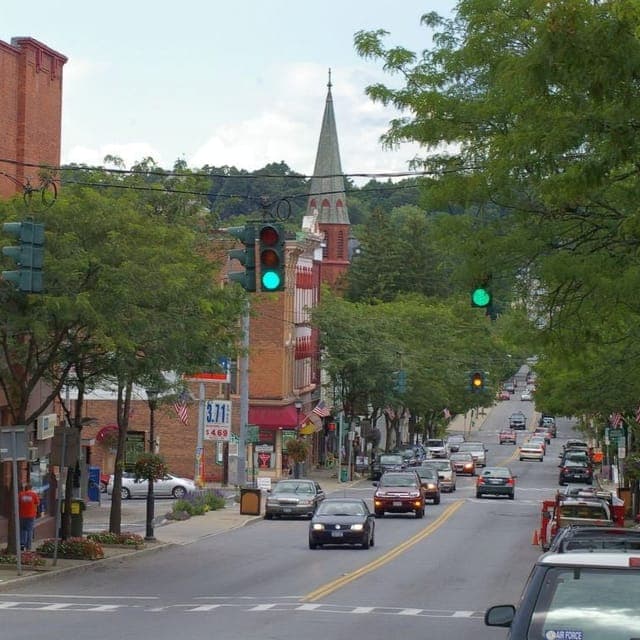
Cities & Towns in Saratoga County
Cities in Saratoga County
What It's Like Living in Saratoga County, NY
Saratoga County strikes a balance that’s hard to find elsewhere in New York—close enough to Albany for commuters but far enough to keep its own identity, where horse farms and tech offices sit just a few miles apart. The county’s 237,075 residents are spread across a mix of historic cities like Saratoga Springs, bedroom communities like Clifton Park, and rural towns like Greenfield and Stillwater. People here tend to be settled—the median age of 43.4 reflects a population that isn’t transient—and the median household income of $99,653 supports a comfortable, family-oriented lifestyle without the frantic pace of a big metro.
Daily Rhythm: Where Work, School, and Weekend Plans Collide
For most residents, the day starts with a commute that averages about 25 minutes—manageable, especially if you’re heading south to Albany or Troy for work. Clifton Park and Malta have become hubs for tech and manufacturing jobs, with GlobalFoundries in Malta drawing engineers and skilled tradespeople from across the region. If you live in Saratoga Springs, you might walk to a downtown coffee shop before heading to a local law firm or medical practice. Schools are a major anchor: the Saratoga Springs City School District and Shenendehowa Central Schools (based in Clifton Park) are consistently rated among the best in the Capital Region, and Friday-night football games at Shenendehowa draw crowds that rival small-college attendance. Parents often joke that their social calendar revolves around school events, and it’s not far off—youth sports, band concerts, and PTA fundraisers fill the weeknights.
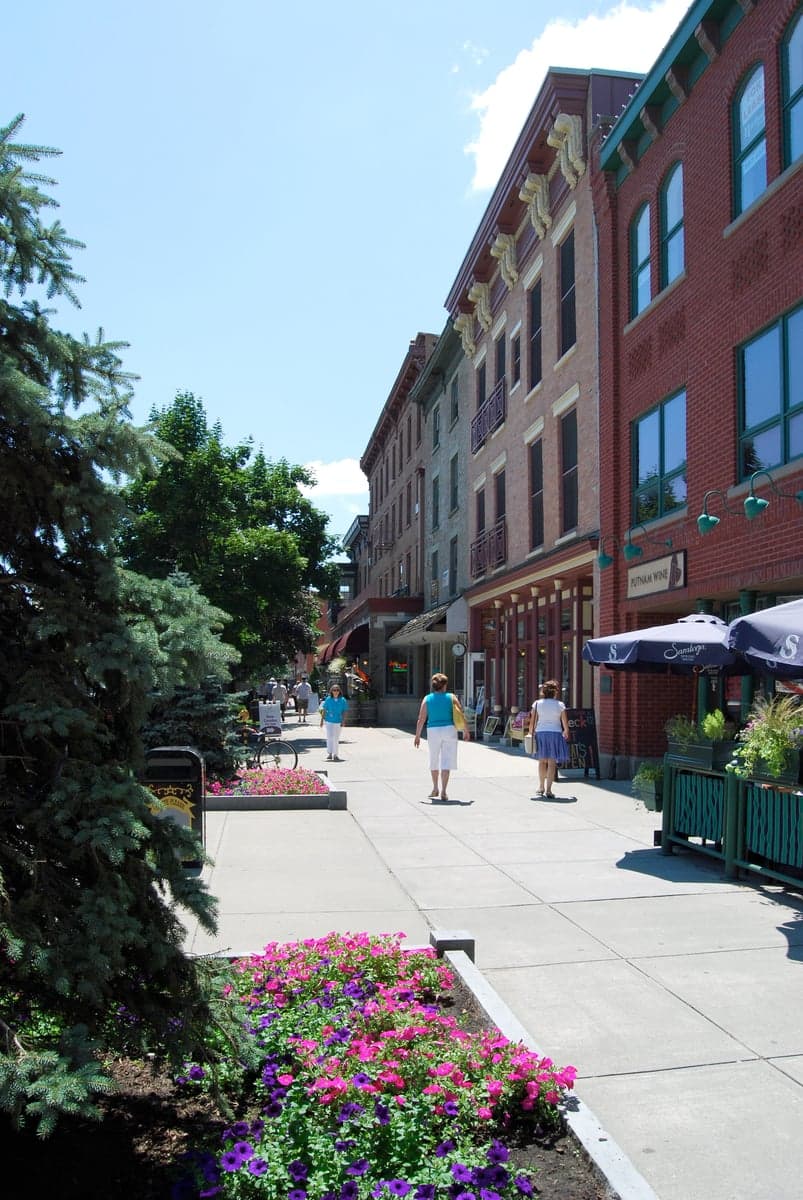
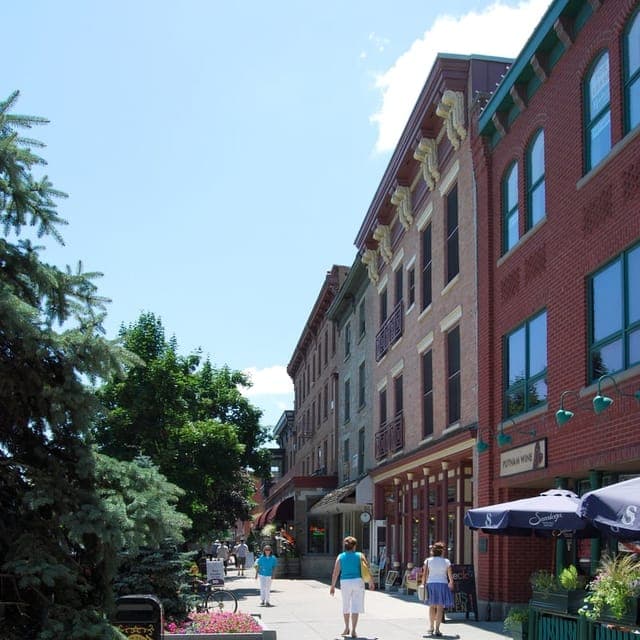
Weekends shift gears depending on where you live. In Saratoga Springs, the downtown strip on Broadway fills with people browsing boutiques, grabbing a beer at the Saratoga Brewing Company, or catching a show at the Saratoga Performing Arts Center (SPAC). In Ballston Spa, the pace is slower—think antique shops and the local library’s farmers market. Rural areas like Galway or Greenfield offer quiet mornings on back roads, with hiking at the Moreau Lake State Park or fishing on the Hudson River as common pastimes. The cost of living index sits at 116, slightly above the national average, but residents feel it mostly in housing—the median home value of $324,800 is steep for upstate New York, though still cheaper than the suburbs of Boston or New York City.
Sports, Festivals, and the Saratoga Identity
If there’s one thing that defines Saratoga County’s social calendar, it’s the Saratoga Race Course. From July through Labor Day, the track transforms the region: traffic thickens, hotel rates spike, and locals either embrace the crowds or escape to the Adirondacks. The summer meet isn’t just about betting—it’s a social ritual, with tailgates, charity events, and the annual Travers Stakes drawing national attention. Beyond the track, SPAC hosts the New York City Ballet in July and the Philadelphia Orchestra in August, plus rock and pop acts throughout the summer. For high school sports, the rivalry between Saratoga Springs and Shenendehowa is genuine—basketball and lacrosse games can pack gyms, and the Saratoga Springs football team’s run to the state championships in recent years has deepened local pride.
Festivals are a big deal here. The Saratoga County Fair in Ballston Spa runs for a week each July, with midway rides, livestock shows, and demolition derbies that feel like a time capsule. The Chowderfest in Saratoga Springs (February) and the Victorian Streetwalk (December) draw thousands downtown. A notable cultural quirk: Saratoga Springs is a dry city by law—no bars, only restaurants that serve alcohol with food—which shapes the nightlife into a more subdued, dinner-and-a-show vibe compared to Albany or Troy.
Pros and Cons of Living Here
- What people love: The schools are a genuine draw—43.8% of adults hold a college degree, and the emphasis on education shows in test scores and college placements. Outdoor access is immediate: the Adirondack Park is a 30-minute drive north, and the Hudson River offers kayaking and fishing. The economy is stable, with a mix of government jobs (state offices in Albany), healthcare (Saratoga Hospital), and tech (GlobalFoundries). The community feels safe overall, though the violent crime rate of 331.5 per 100,000 is slightly above the national average—most incidents are concentrated in specific areas of Saratoga Springs, not the suburbs or rural towns.
- What frustrates locals: Housing costs are the top complaint—the median home value of $324,800 is a stretch for single people or young families starting out, and inventory is tight. Traffic on Route 9 and the Northway (I-87) during summer weekends can turn a 20-minute drive into an hour. Winters are real: snow from November through March, with lake-effect bands that can dump a foot overnight. Some residents feel the county’s identity is too tied to horse racing and tourism, leaving little for off-season entertainment beyond chain restaurants and high school sports.
The kind of person who fits here is someone who values community over nightlife, wants good schools and safe streets, and doesn’t mind a four-season climate. It’s a place where you’ll know your neighbors, your kid’s teacher, and the guy who runs the local hardware store. For conservative-leaning singles or parents, the county’s mix of rural independence and suburban convenience—without the high taxes of Westchester or the politics of New York City—makes it a practical, grounded choice in a state that often feels like neither.

* Values derived from national, state, county, city and local statistics and may differ in a specific area. Last updated: 2026-05-12T04:53:08.000Z
Narrative content on this page is AI-generated and may contain mistakes. Verify any details that matter before acting on them.
ReloMaps may earn a commission from affiliate links at no extra cost to you.

