 Popular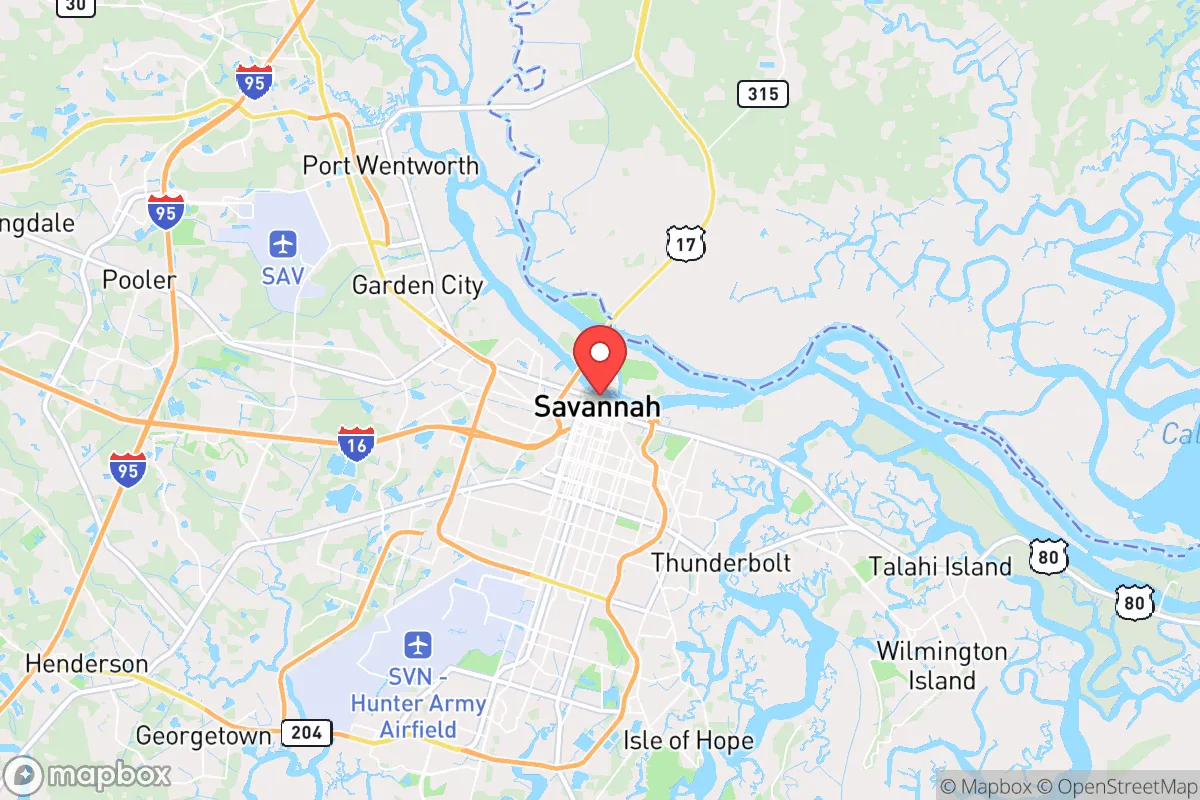
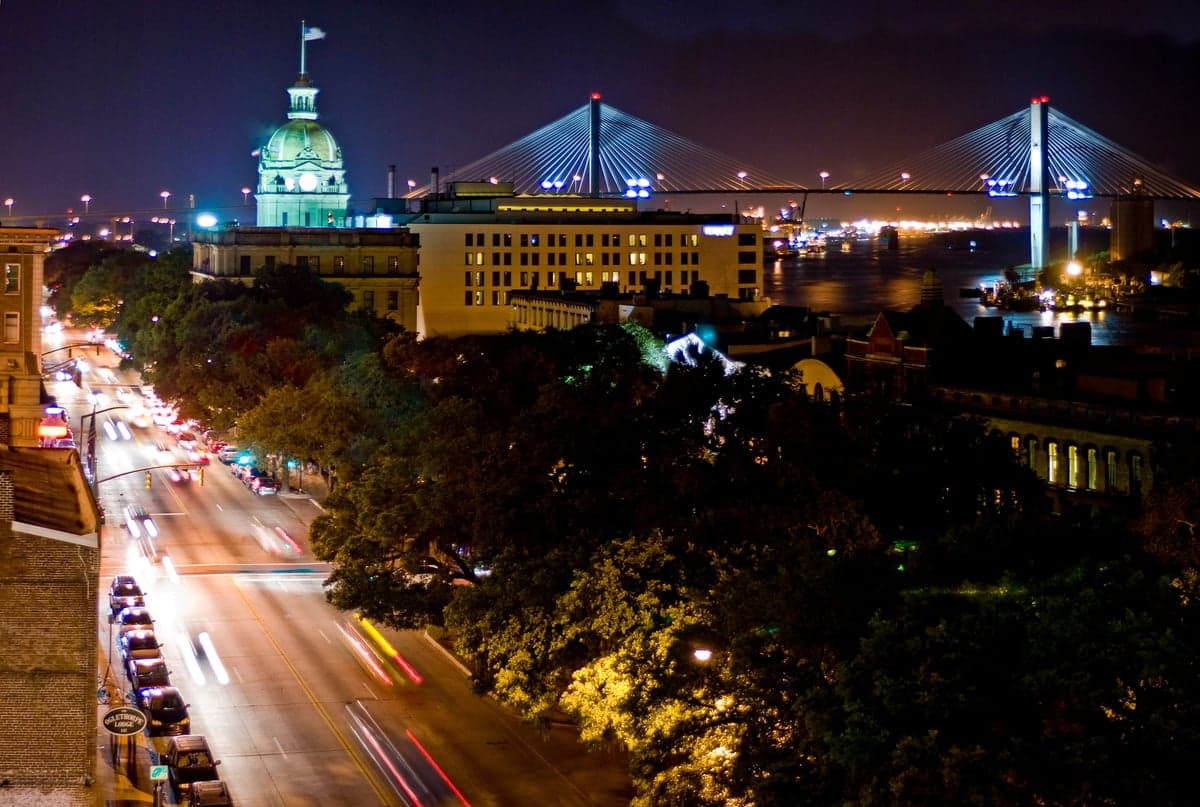
Photo: Wikipedia
Quality of Life in Savannah, GA
A high quality of life with strong walkability, manageable living costs, healthy neighborhood signals, and solid amenity access.
What does Quality of Life tell us?
Quality of Life blends cost of living, nearby amenities, socioeconomic signals, and neighborhood character. City-level scores represent the whole municipality; individual neighborhoods can differ.
What does this tell us?
Quality of Life blends cost of living, nearby amenities, socioeconomic signals, and neighborhood character. City-level scores represent the whole municipality; individual neighborhoods can differ.
Cost of Living
1% below national average
The Real Cost of Living in Savannah, GA for 2026
| Tier | Individual | Family (4) |
|---|---|---|
| Survival | $21k | $39k |
| Comfortable | $44k | $64k |
| Luxury | $103k+ | $159k+ |
| Elite (Top 5%) | $128k+ | $199k+ |
88%
The Area Signal
A metric tracking the socioeconomic signals of the area.


Hobbies
Explore the areaGroceries
4 within 10 miles
Gas
0 within 10 miles
Hospital
3 within 20 miles
Airport
ATL — Hartsfield–Jackson Atlanta International
Post Office
USPS — Savannah, GA
Critical Amenities
Quality-of-Life Analysis
Savannah, Georgia, presents a quality of life defined by historic charm, a moderate cost of living, and a demographic mix that includes young professionals drawn to the creative economy, military families connected to Hunter Army Airfield and Fort Stewart, and retirees seeking a walkable, coastal environment. The city’s affluence is moderate relative to the national average, with a cost-of-living index of 99 (exactly on par with the U.S. baseline of 100), meaning everyday expenses—groceries, utilities, and transportation—run close to the national norm. Residents tend to be a blend of service members, hospitality and logistics workers, and creative-class professionals employed in film, design, and tourism, giving Savannah a more economically diverse and less uniformly wealthy profile than nearby resort communities like Hilton Head or Charleston.
Cost of living, housing affordability, and how Savannah compares to nearby cities
Savannah’s housing market remains one of the most accessible on the Southeast coast. The median home value sits at $225,200, roughly $100,000 below the national median and significantly lower than Charleston’s median (around $450,000) or Hilton Head’s (over $600,000). Median rent is $1,302, which is below the national average of roughly $1,400 and well under the $1,800+ typical in Savannah’s pricier neighbor, Tybee Island. This affordability gap means a household earning the local median income of about $55,000 can realistically afford a starter home in neighborhoods like Ardsley Park or the Victorian District, whereas similar incomes in Charleston or Jacksonville would require a longer commute or a smaller unit. The average commute time of 20.4 minutes is notably short for a metro area of Savannah’s size (pop. ~150,000 city proper), reflecting the city’s compact layout and the fact that many residents live within a 15-minute drive of the Historic District, the Savannah College of Art and Design (SCAD), or the major employers along I-16 and I-95. Property taxes in Chatham County are moderate—around 1.1% of assessed value—and Georgia’s homestead exemption further reduces the burden for owner-occupants.
Amenities, schools, and the daily rhythm of life in Savannah
Daily life in Savannah revolves around its walkable Historic District, Forsyth Park, and a robust calendar of festivals (the Savannah Music Festival, the Savannah Film Festival) that draw both locals and tourists. The Savannah-Chatham County Public School System includes several magnet and charter options, such as the Savannah Arts Academy (consistently ranked among Georgia’s top high schools) and the STEM-focused Oglethorpe Charter School, though overall district performance lags behind suburban Effingham County schools. For daily errands and dining, residents rely on the Starland District for independent restaurants and breweries, the Southside for big-box retail and grocery chains, and the emerging Canal District near the Savannah River. The city’s humidity and hurricane risk are real trade-offs—summer heat indexes regularly exceed 100°F, and the Atlantic hurricane season (June–November) brings occasional evacuation orders. Still, the short commute, abundant green space (22 parks per square mile in the Historic District), and access to Tybee Island beaches (18 miles east) create a pace that feels slower and more connected than Atlanta or Charlotte.
Savannah is best suited for people who value historic architecture, a moderate climate, and a lower cost of living than other coastal Southern cities, but who can tolerate humidity, tourism crowds, and a public school system with uneven outcomes. Creative professionals, SCAD students and alumni, military personnel, and remote workers earning national salaries will find the housing affordability and short commute particularly attractive. Retirees on fixed incomes also gravitate here for the walkability and relatively low property taxescars. Those seeking top-tier public schools, dry heat, or a fast-paced urban job market may find Savannah too slow or too humid—but for the right resident, it offers a quality of life that balances charm, cost, and convenience in a way few other historic cities can match.

Crime in Savannah, GA
Lower crime rates than 77% of comparable U.S. locations.
Violent CrimeViolent Crime Analysis
Property CrimeProperty Crime Analysis
Crime Analysis
Savannah, Georgia, presents a crime and safety landscape that demands careful consideration from potential residents. The city reports a violent crime rate of 67.3 incidents per 100,000 residents and a property crime rate of 55.3 per 100,000, figures that place it in a concerning position relative to both state and national averages. While Savannah offers historic charm and cultural vibrancy, its public safety environment is shaped by local justice policies that prioritize offender rehabilitation over strict enforcement, a factor that directly impacts the security of daily life.
Crime in context
Savannah's violent crime rate of 67.3 per 100,000 is roughly 80% higher than the national average of approximately 37 per 100,000hol, placing it among the more dangerous mid-sized cities in the Southeast. Property crime, at 55.3 per 100,000, is also elevated, exceeding the national benchmark by about 15%. These numbers are not outliers; they reflect a systemic pattern. The Chatham County judicial system, like many in liberal-leaning metro areas, has adopted progressive policies—including reduced cash bail, diversion programs, and lenient sentencing guidelines—that critics argue embolden repeat offenders. This approach, while sympathetic to offenders, has a direct consequence: more criminals remain on the street, undermining justice for victims and the broader public. Neighboring communities such as Pooler and Richmond Hill, which fall under different judicial jurisdictions, often report lower crime rates, underscoring the localized impact of prosecutorial philosophy.
What residents experience
For those living in Savannah, the elevated crime statistics translate into tangible daily concerns. Property crime, particularly vehicle break-ins and package theft, is a persistent nuisance in popular districts like the Historic Landmark District and Midtown. Violent incidents, while less frequent, are concentrated in specific corridors—notably the areas around Martin Luther King Jr. Boulevard and the eastern sections of the city. Residents often report a sense of unease after dark, especially in poorly lit or less-trafficked streets. The Savannah Police Department has implemented community policing initiatives, but staffing shortages and high turnover rates limit their effectiveness. Progressive district attorneys in Chatham County have been criticized for declining to prosecute certain low-level offenses, leading to a perception that the justice system prioritizes the rights of offenders over the safety of law-abiding citizens.
Neighborhood-level variation is significant. The Ardsley Park and Victorian District areas, with active neighborhood associations and private security patrols, experience notably lower crime rates than the city average. In contrast, the West Savannah and Cloverdale neighborhoods see higher incidences of both violent and property crime. Prospective residents are advised to research block-by-block data and consult local real estate agents familiar with safety trends. Ultimately, Savannah's appeal must be weighed against the reality of a justice system that, through its progressive policies, contributes to a less secure environment for families and individuals seeking a stable community.
* Values derived from national, state, county, city and local statistics and may differ in a specific area. Last updated: 2026-04-15T23:50:20.000Z
Narrative content on this page is AI-generated and may contain mistakes. Verify any details that matter before acting on them.
ReloMaps may earn a commission from affiliate links at no extra cost to you.

