 Popular
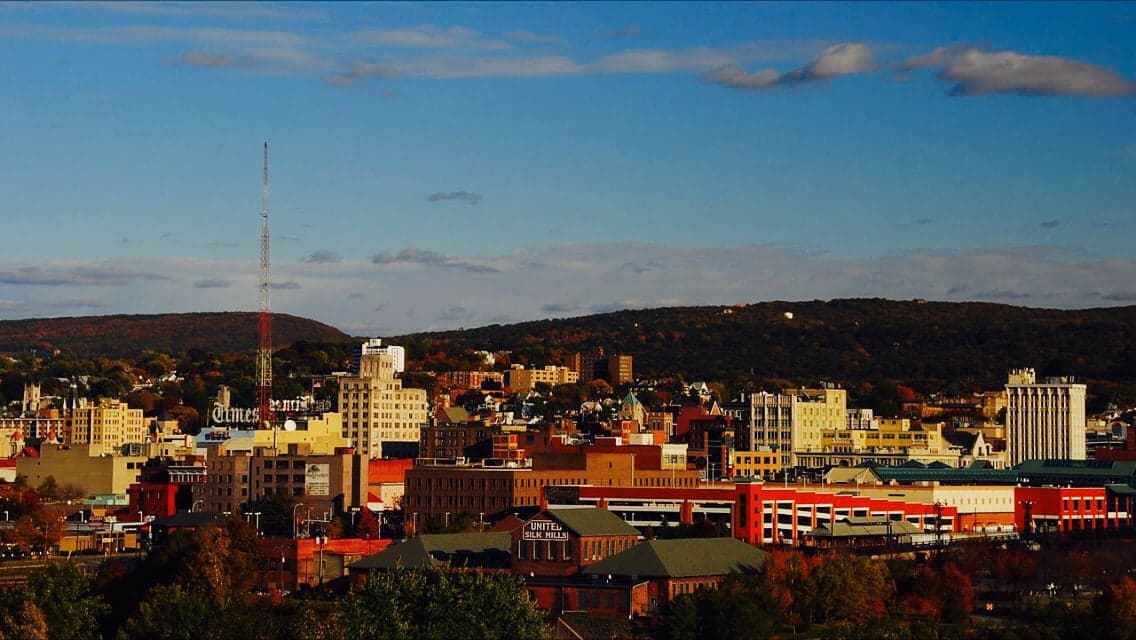
Photo: Wikipedia
Quality of Life in Scranton, PA
A high quality of life with strong walkability, manageable living costs, healthy neighborhood signals, and solid amenity access.
What does Quality of Life tell us?
Quality of Life blends cost of living, nearby amenities, socioeconomic signals, and neighborhood character. City-level scores represent the whole municipality; individual neighborhoods can differ.
What does this tell us?
Quality of Life blends cost of living, nearby amenities, socioeconomic signals, and neighborhood character. City-level scores represent the whole municipality; individual neighborhoods can differ.
Cost of Living
29% below national average
The Real Cost of Living in Scranton, PA for 2026
| Tier | Individual | Family (4) |
|---|---|---|
| Survival | $16k | $30k |
| Comfortable | $28k | $40k |
| Luxury | $89k+ | $139k+ |
| Elite (Top 5%) | $113k+ | $175k+ |
122%
The Area Signal
A metric tracking the socioeconomic signals of the area.
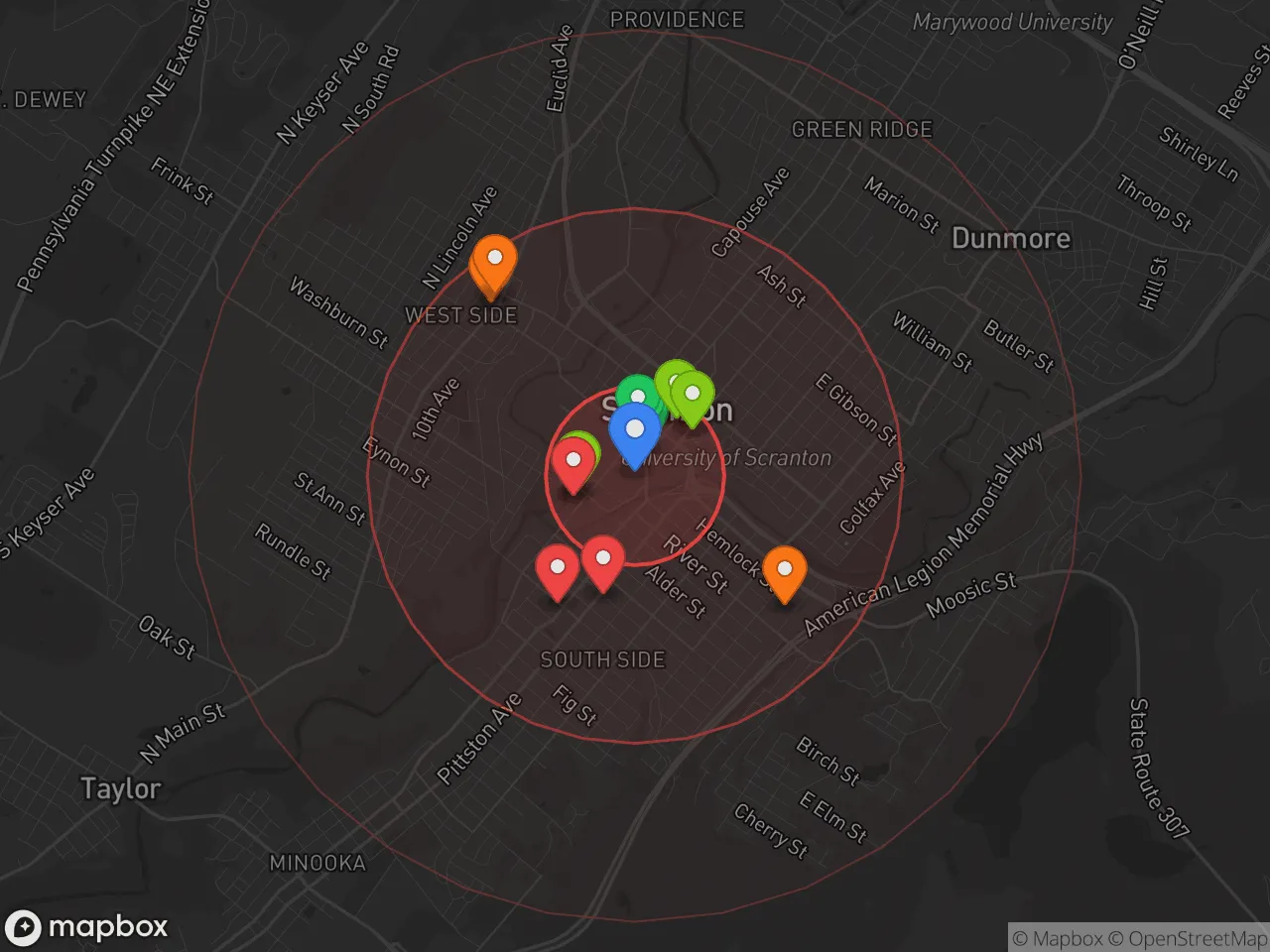
Hobbies
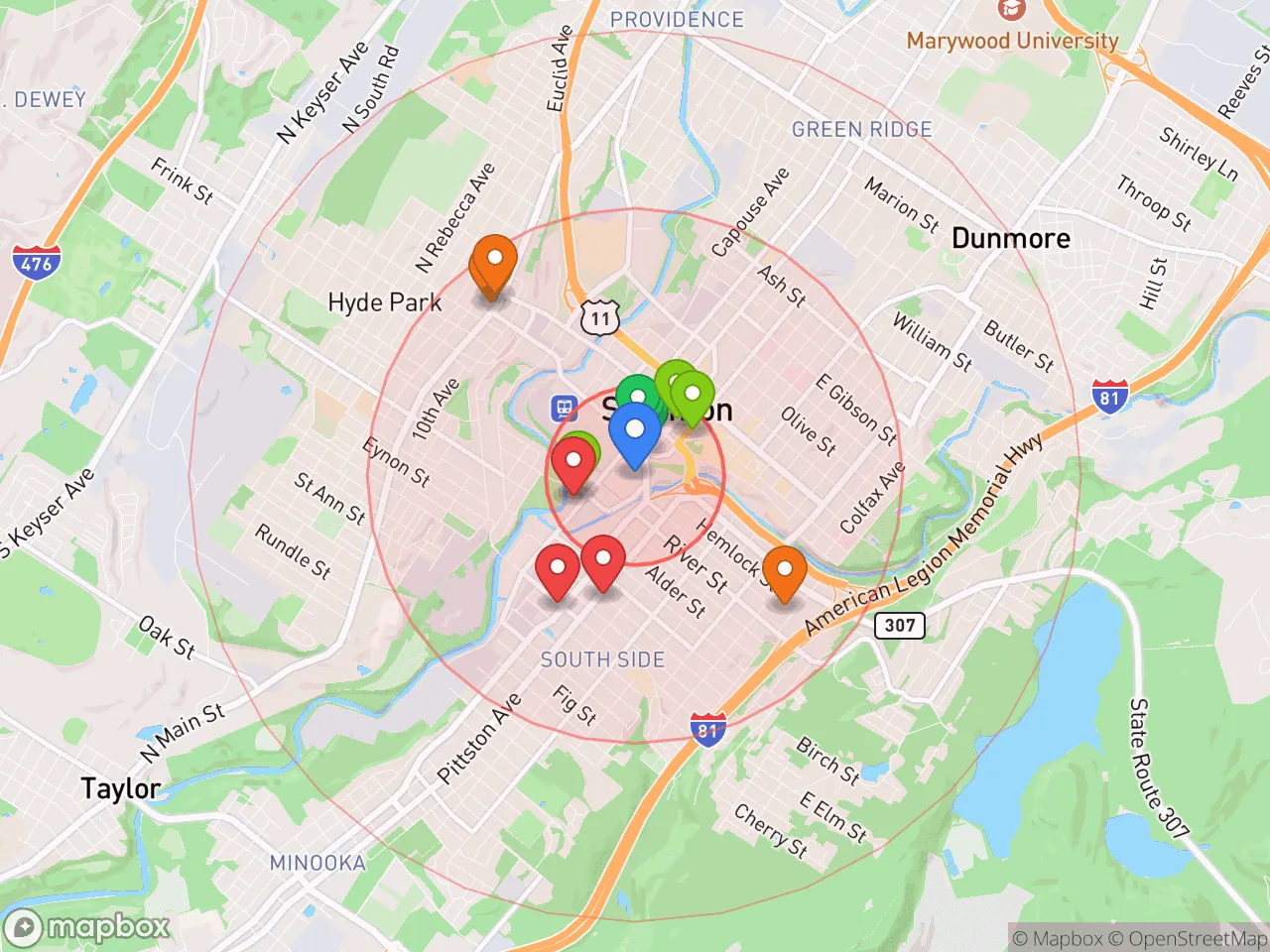
Explore the areaGroceries
8 within 10 miles
Gas
20 within 10 miles
Hospital
12 within 20 miles
Airport
EWR — Newark Liberty International
Post Office
USPS — Scranton, PA
Critical Amenities
Quality-of-Life Analysis
Scranton, Pennsylvania, offers a quality of life defined by its working-class roots and significantly lower cost of living than the national average, attracting a mix of young professionals, families, and retirees seeking affordability without sacrificing urban amenities. With a cost of living index of 71—29% below the U.S. average—the city provides a financial cushion that allows residents to stretch their incomes further than in nearby metropolitan areas like New York City or Philadelphia. The population skews older and more settled, with a median age of 37.8, and the local economy is anchored by healthcare, education, and logistics, with Geisinger Health System and the University of Scranton as top employers. This creates a community where stability and practicality often outweigh the fast-paced, high-cost lifestyle of larger East Coast hubs.
Cost of living, housing affordability, and how Scranton compares to nearby areas
Scranton’s housing market is a standout draw, with a median home value of $141,700—roughly one-third the national median—and a median rent of $991, making homeownership and renting both accessible for moderate-income households. This affordability is especially stark when compared to nearby cities: Wilkes-Barre’s median home value is about $130,000, while in Philadelphia it exceeds $250,000, and in New York City it surpasses $600,000. The average commute of just 19.5 minutes is notably shorter than the national average of 26 minutes, reducing transportation costs and freeing up time for family or recreation. However, property taxes in Lackawanna County are relatively high, averaging around 2.5% of assessed value, which can offset some of the housing savings for homeowners. For renters, the market remains tight but manageable, with vacancy rates hovering near 5%, and the low cost of utilities and groceries further bolsters the city’s affordability profile.
Local amenities, schools, and what daily life feels like for residents
Daily life in Scranton is shaped by a blend of historic architecture, walkable neighborhoods, and access to outdoor recreation, with Nay Aug Park offering hiking trails and a waterfall within city limits. The Scranton School District serves most families, though it has faced challenges with funding and test scores—graduation rates hover around 80%, below the state average of 87%—prompting some parents to explore charter or private options like Scranton Preparatory School. For entertainment, the city punches above its weight: the Scranton Cultural Center hosts concerts and theater, while the Electric City Trolley Museum and the Steamtown National Historic Site draw visitors. Dining leans toward hearty, affordable fare, with local staples like pizza and pierogies dominating menus. The rhythm of life is slower than in major metros, with residents often citing a strong sense of community and neighborly interactions as key perks, though nightlife and retail options are limited compared to larger cities.
Scranton is best suited for those who prioritize financial breathing room and a grounded, community-oriented lifestyle over high-end amenities or rapid career advancement. Young families and first-time homebuyers will find the housing market particularly forgiving, while remote workers can leverage the low cost of living and short commute to maximize savings. Retirees on fixed incomes also thrive here, thanks to affordable healthcare and a slower pace. However, professionals seeking dynamic job markets or extensive cultural offerings may find the city limiting, as median household income sits around $45,000—below the national median—and job growth in tech or finance is sparse. For those who value affordability, a manageable commute, and a tight-knit community, Scranton delivers a quality of life that is both practical and rewarding.

Crime in Scranton, PA
Generally safer than 59% of comparable U.S. locations.
Violent CrimeViolent Crime Analysis
Property CrimeProperty Crime Analysis
Crime Analysis
Scranton, Pennsylvania, presents a mixed safety profile for prospective residents. The city's violent crime rate of 327 incidents per 100,000 residents and property crime rate of 1,314.7 per 100,000 place it above the national average, indicating that crime is a factor to weigh carefully when considering a move. While not among the most dangerous cities in the state, Scranton's crime statistics reflect challenges common to post-industrial cities in the Northeast, compounded by local justice system policies that residents and analysts should scrutinize.
Crime in context
Scranton's violent crime rate of 327 per 100,000 is approximately 12% higher than the national average of roughly 290 per 100,000, and significantly above the Pennsylvania state average of about 280 per 100,000. Property crime in the city, at 1,314.7 per 100,000, also exceeds both the national benchmark (around 1,200 per 100,000) and the state average (roughly 1,100 per 100,000). These figures place Scranton in a tier with other mid-sized Pennsylvania cities like Wilkes-Barre and Allentown, though it remains safer than larger, high-crime urban centers such as Philadelphia or Reading. A critical factor for readers to consider is the influence of progressive prosecutorial policies in Lackawanna County. District Attorney Mark Powell, elected as a Democrat, has implemented diversion programs and alternative sentencing for non-violent offenders. While intended to reduce incarceration, such approaches can result in more offenders remaining on the street, potentially increasing recidivism and undermining public safety. This ideological tilt in the justice system is a legitimate concern for those prioritizing community security.
What residents experience
Daily life for Scranton residents involves navigating a city where property crime is the more prevalent concern. Theft, burglary, and motor vehicle theft are the most common offenses, with property crime rates roughly 10% above the national average. Residents often report issues with package theft, vehicle break-ins, and vandalism in residential neighborhoods. Violent crime, while less frequent, is concentrated in specific areas and often linked to drug activity and disputes. The city's police department has faced staffing shortages in recent years, which can affect response times and proactive patrols. For families and individuals, this means taking standard urban precautions: securing homes and vehicles, using well-lit parking, and staying aware of surroundings, particularly after dark. The progressive lean of local courts means that even when arrests are made, lenient sentencing can lead to quick returns of repeat offenders, a pattern that frustrates many long-term residents and community watch groups.
Neighborhood-level variation is significant in Scranton. The Hill Section and Green Ridge are generally considered safer, with lower crime rates and more active neighborhood associations. In contrast, the South Side and parts of West Scranton experience higher concentrations of both property and violent crime, often correlating with areas of economic distress and vacant properties. The downtown core sees a mix of petty crime and occasional violent incidents, particularly near bars and late-night establishments. Prospective residents should research specific blocks and talk to local police or community groups, as crime can vary dramatically even between adjacent streets. Overall, Scranton requires a cautious, informed approach to safety, with the understanding that local justice policies may not prioritize the protection of victims and the public as strongly as in more conservative jurisdictions.
* Values derived from national, state, county, city and local statistics and may differ in a specific area. Last updated: 2026-05-01T23:24:44.000Z
Narrative content on this page is AI-generated and may contain mistakes. Verify any details that matter before acting on them.
ReloMaps may earn a commission from affiliate links at no extra cost to you.

