Quality of Life in Seabrook Island, SC
A high quality of life with strong walkability, manageable living costs, healthy neighborhood signals, and solid amenity access.
What does Quality of Life tell us?
Quality of Life blends cost of living, nearby amenities, socioeconomic signals, and neighborhood character. City-level scores represent the whole municipality; individual neighborhoods can differ.
What does this tell us?
Quality of Life blends cost of living, nearby amenities, socioeconomic signals, and neighborhood character. City-level scores represent the whole municipality; individual neighborhoods can differ.
Cost of Living
208% above national average
The Real Cost of Living in Seabrook Island, SC for 2026
| Tier | Individual | Family (4) |
|---|---|---|
| Survival | $56k | $105k |
| Comfortable | $175k | $257k |
| Luxury | $225k+ | $349k+ |
| Elite (Top 5%) | $371k+ | $575k+ |
48%
The Area Signal
A metric tracking the socioeconomic signals of the area.
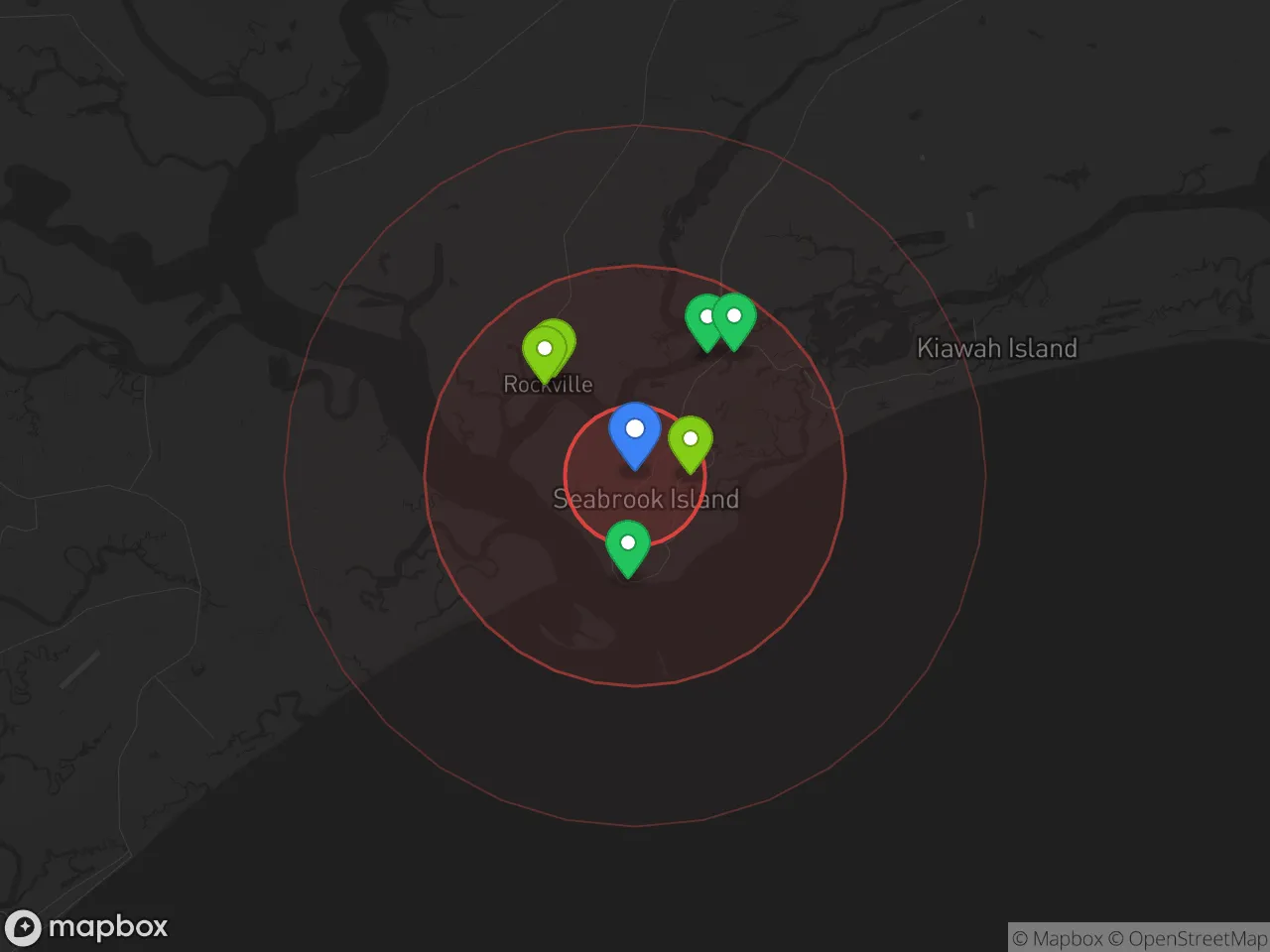
Hobbies
Explore the areaGroceries
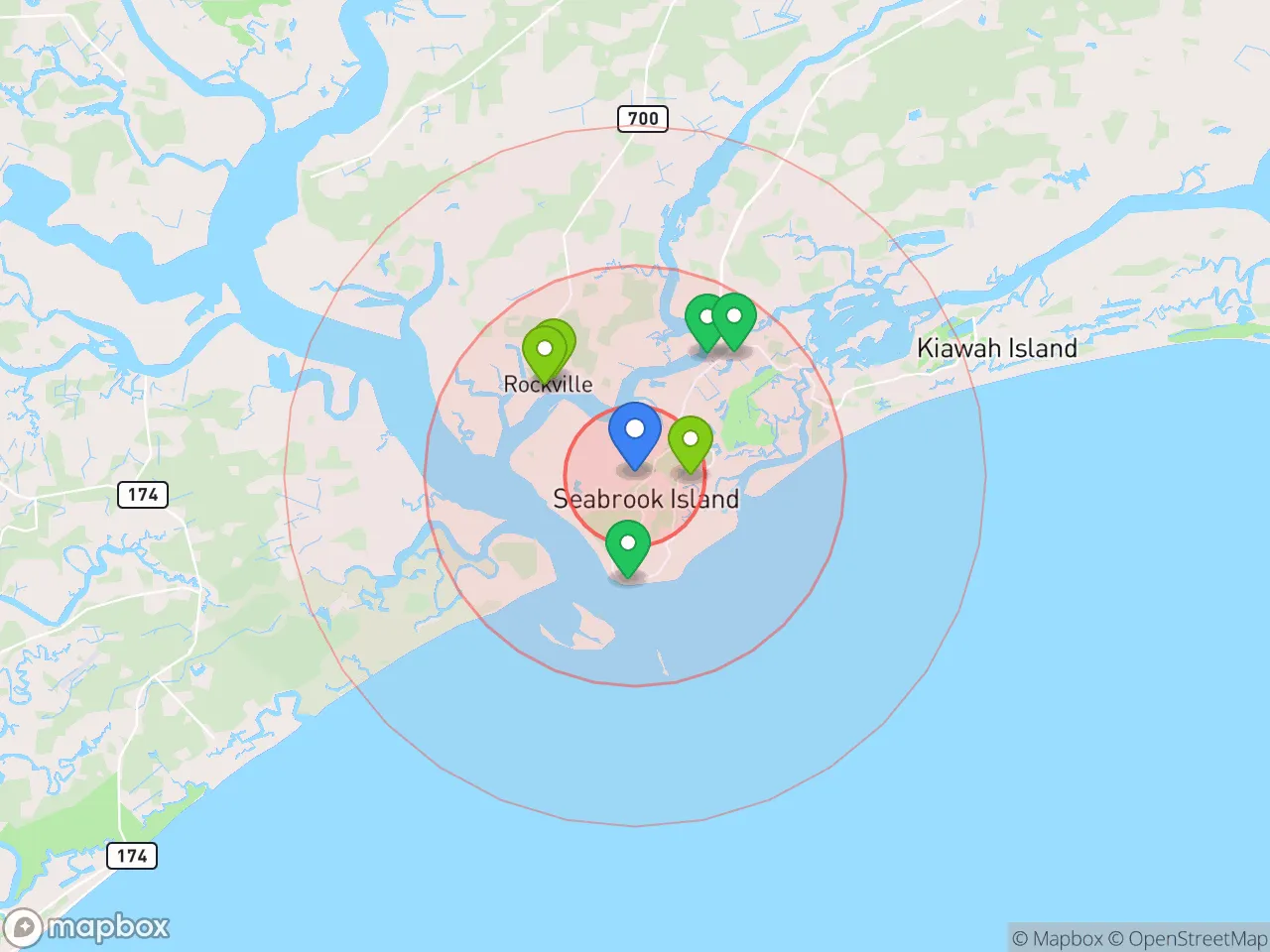
2 within 10 miles
Gas
3 within 10 miles
Hospital
4 within 20 miles
Airport
CLT — Charlotte Douglas International
Post Office
USPS — Seabrook Island, SC
Critical Amenities
Quality-of-Life Analysis
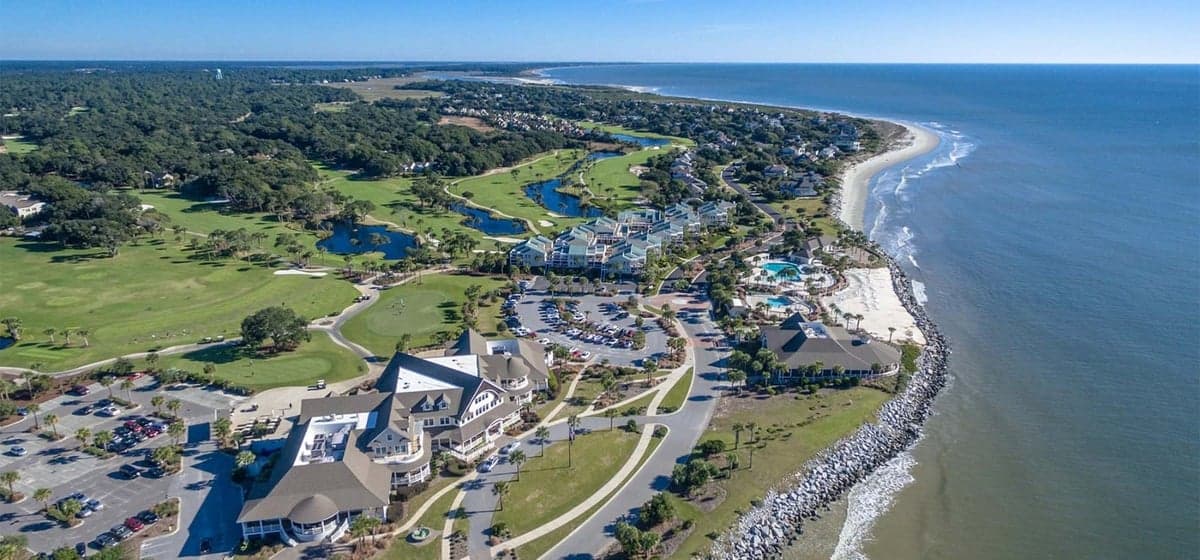
Seabrook Island, South Carolina, is an affluent, private barrier-island community where the cost of living index reaches 308—more than three times the national average—reflecting a lifestyle built around golf, beach access, and low-density residential living. The island’s roughly 1,800 year-round residents are predominantly retirees, second-home owners, and professionals who prioritize privacy, natural surroundings, and recreational amenities over urban convenience. Median home values sit at $899,600, and median rents run $3,501 per month, placing Seabrook among the most expensive ZIP codes in the Charleston region.
Cost of living, housing, and affordability compared to Charleston and Kiawah
Seabrook Island’s cost of living index of 308 is driven almost entirely by housing, which accounts for roughly 70% of the index. The median home value of $899,600 is about 2.5 times the Charleston metro median of roughly $360,000, and significantly higher than nearby Mount Pleasant ($650,000) but slightly below neighboring Kiawah Island ($1.1 million). Rental options are scarce—fewer than 5% of units are renter-occupied—and the median rent of $3,501 is nearly double the Charleston-area average of $1,800. Property taxes are relatively low for the region, with an effective rate around 0.45% of assessed value, thanks to South Carolina’s owner-occupied exemption. For buyers, the barrier to entry is steep: a 20% down payment on the median home requires roughly $180,000. The average commute of 25.6 minutes is longer than the national average of 26 minutes but shorter than many Charleston suburbs, as most residents drive to jobs in Charleston or North Charleston via Highway 17 and I-526.
Amenities, schools, and what daily life is like on the island
Daily life on Seabrook Island revolves around its two private golf courses (Crooked Oaks and Ocean Winds), a beach club with oceanfront pool, a tennis and pickleball center, and a deep-water marina with direct access to the Atlantic Intracoastal Waterway. The island is gated and patrolled by a private security force, so residents experience very low crime—violent crime rates are near zero and property crime is roughly 80% below the national average. Public schools are zoned through the Charleston County School District: students attend Frierson Elementary (rated 8/10 on GreatSchools), Haut Gap Middle (7/10), and St. John’s High (7/10), all located on Johns Island about 15 minutes away. There are no grocery stores or pharmacies on the island; residents drive 10–15 minutes to Freshfields Village (a mixed-use development with a Harris Teeter, restaurants, and boutiques) or 20 minutes to the Publix in Johns Island. The rhythm is slow and seasonal—summer weekends bring an influx of vacation renters, while fall and winter are quiet, with many homes sitting empty. The Seabrook Island Property Owners’ Association enforces strict architectural and landscaping standards, so the built environment remains uniformly manicured.
Seabrook Island is best suited for affluent retirees, remote professionals, and families who value security, golf, and beach access over urban nightlife or cultural density. The high cost of entry and lack of rental inventory make it impractical for young renters or first-time buyers. Residents who thrive here are those who can afford the homeowners’ association fees (roughly $2,500–$4,000 annually) and are comfortable with a car-dependent, amenity-focused lifestyle where the nearest hospital (Roper St. Francis in Charleston) is 30 minutes away. For anyone seeking a quiet, gated coastal community with world-class golf and minimal turnover, Seabrook Island delivers—but the price of admission is steep, and the trade-offs in convenience are real.

Crime in Seabrook Island, SC
Crime rates similar to the national median for U.S. locations.
Violent CrimeViolent Crime Analysis
Property CrimeProperty Crime Analysis
Crime Analysis
Seabrook Island, South Carolina, is a private gated community that reports crime rates significantly below national averages, though its violent crime rate of 370.4 per 100,000 residents is slightly above the national median. The island’s property crime rate of 1,632.5 per 100,000 is notably lower than both the South Carolina state average and the U.S. figure, reflecting the security benefits of a controlled-access environment. However, because Seabrook Island is part of the Charleston-North Charleston metropolitan area, residents should be aware that broader regional crime trends and the local justice system’s ideological leanings can influence safety beyond the gates.
Crime in context
Seabrook Island’s violent crime rate of 370.4 per 100,000 is about 6% higher than the national rate of roughly 350 per 100,000, but it is substantially lower than the South Carolina state average of approximately 500 per 100,000. Property crime on the island stands at 1,632.5 per 100,000, compared to the national average of around 1,950 and the state average of about 2,400. These figures place Seabrook Island in a favorable position relative to the rest of South Carolina, but the surrounding Charleston metro area—home to over 800,000 people—has seen property crime rates climb in recent years, driven partly by progressive prosecutorial policies in Charleston County that prioritize diversion programs over incarceration for non-violent offenders. This approach, while intended to reduce recidivism, has been criticized for contributing to a 12% increase in property crime across the metro area since 2021.
What residents experience
Daily life on Seabrook Island is characterized by a strong sense of security, with 24-hour gated access, private security patrols, and a neighborhood watch program that collectively deter most opportunistic crime. The most common incidents reported are thefts from unlocked vehicles and occasional package thefts, which align with national trends in affluent communities. Violent crime is rare within the gates—the island’s last reported aggravated assault was in 2023—but residents should be aware that the Charleston metro area’s overall violent crime rate of 480 per 100,000 is elevated, partly due to lenient sentencing guidelines under the Ninth Circuit Solicitor’s Office, which has faced criticism for reducing felony charges to misdemeanors in property-related cases. This judicial philosophy, while aimed at reducing prison overcrowding, has been linked to a 15% rise in repeat offenses among non-violent criminals in the region.
Neighborhood-level variation on Seabrook Island is minimal due to its uniform gated design, but homes along the oceanfront and near the golf courses see slightly higher rates of reported thefts, likely due to increased visitor traffic. Properties closer to the main gate and the island’s single entry point experience the lowest incident rates. For residents concerned about the broader metro area’s progressive justice policies, the island’s private security and homeowner association rules provide a buffer, but commuters traveling into Charleston or Mount Pleasant should exercise caution with vehicle security and avoid leaving valuables in plain sight, as property crime in those areas is more prevalent.
* Values derived from national, state, county, city and local statistics and may differ in a specific area. Last updated: 2026-04-23T03:28:37.000Z
Narrative content on this page is AI-generated and may contain mistakes. Verify any details that matter before acting on them.
ReloMaps may earn a commission from affiliate links at no extra cost to you.

