Political ClimatePolitical Climate in Seabrook Island, SC
District shown is the primary district for this city’s centroid. Cities may span multiple districts.
Local Political AnalysisPolitical Analysis of Seabrook Island, SC
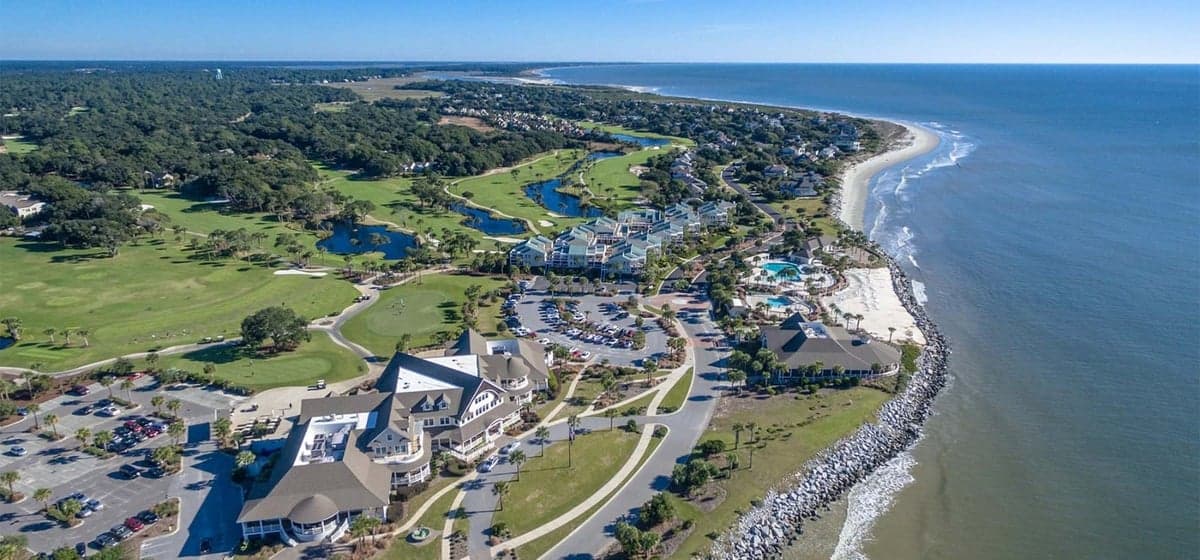
Seabrook Island leans solidly conservative, with a Cook PVI of R+6 that places it firmly in Republican territory, though the political vibe here is more about quiet, principled independence than loud partisan shouting. The island itself has long been a haven for folks who value personal responsibility, low taxes, and the freedom to live without a bunch of bureaucratic nonsense getting in the way. That said, you can feel the political winds shifting a bit as more folks move in from up north, bringing with them a more progressive outlook that’s starting to ripple through local elections and community decisions.
How it compares
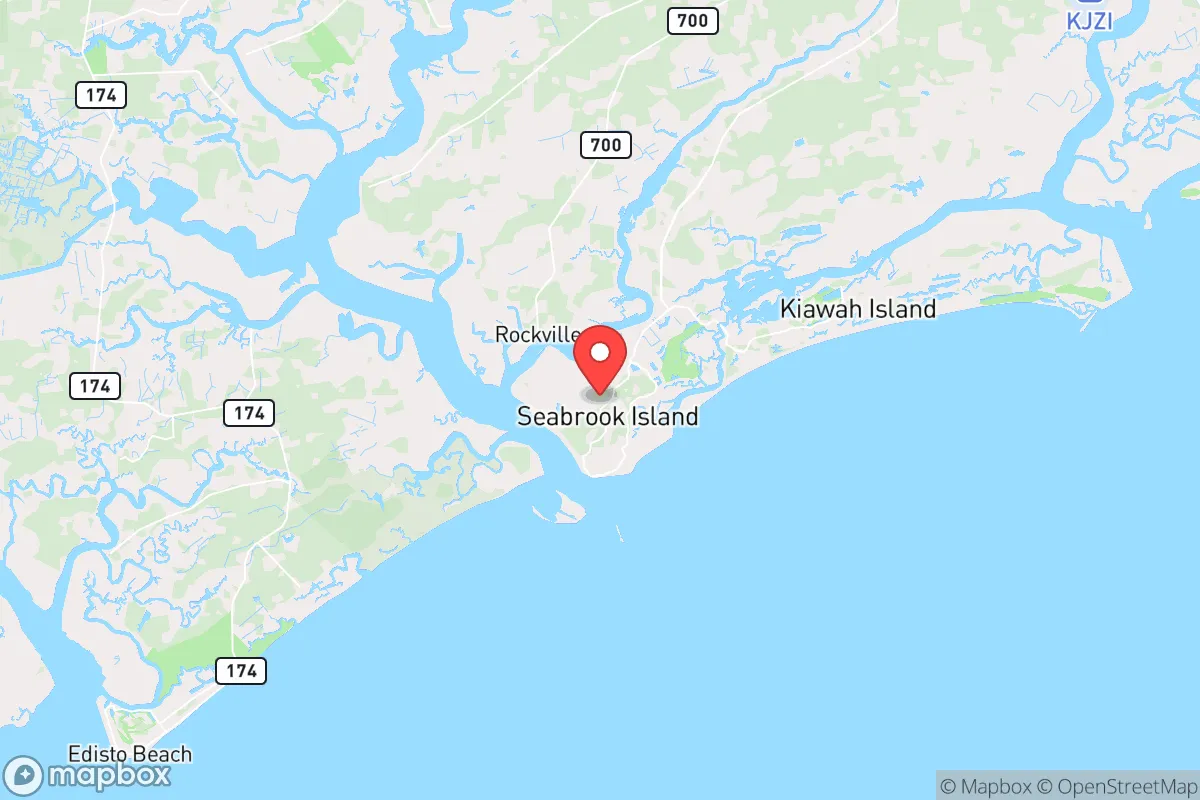
When you stack Seabrook Island up against its neighbors, the contrast is pretty telling. Head into Charleston proper, just 25 miles away, and you’re looking at a city that’s trending blue fast, with a Cook PVI that’s flipped to D+5 in recent cycles. That’s a world of difference from our R+6 rating. Then there’s Mount Pleasant, which used to be a conservative stronghold but has been drifting leftward as younger families and tech workers move in. Even Kiawah Island, our next-door neighbor, has a slightly more moderate feel, with more folks leaning independent or even left-leaning on environmental issues. Seabrook, though, has held the line better than most, partly because it’s a gated community with a higher median age and a lot of retirees who remember what it was like when government stayed out of your business. The surrounding rural areas like Johns Island and Ravenel are still deep red, but the coastal corridor is where the real political tension is brewing.
What this means for residents
For those of us who’ve been here a while, the biggest concern is how creeping government overreach might start affecting daily life. Right now, Seabrook Island’s local governance is still pretty hands-off—property taxes are reasonable, zoning is sensible, and there’s no heavy-handed HOA nonsense dictating what color you can paint your shutters. But as the population diversifies, you’re seeing more calls for “community input” on everything from beach access fees to short-term rental regulations, which often leads to more rules, more fees, and less freedom. The school board and county council races are where this really plays out; if progressive candidates start winning those seats, you can bet they’ll push for higher impact fees, stricter environmental mandates, and maybe even a local income tax down the road. For now, residents enjoy a low-tax, low-regulation lifestyle, but the trajectory is something to keep an eye on.
Culturally, Seabrook Island still feels like a place where people wave to each other on the golf cart path and leave their doors unlocked, but the policy distinctions are starting to show. The island’s homeowners association has resisted calls to impose “green” building codes that would jack up construction costs, and the local sheriff’s department hasn’t gone soft on crime like some urban areas have. That said, there’s been a push to add more “diversity, equity, and inclusion” programming at the community center, which raises eyebrows for those of us who think that kind of stuff is just a backdoor for government meddling in private affairs. If you’re looking for a place where you can still live free without a bureaucrat breathing down your neck, Seabrook Island is holding steady for now—but the next few election cycles will tell you whether it stays that way or starts sliding into the same progressive swamp that’s swallowed up so many other coastal towns.

State Political ClimatePolitical Climate in South Carolina
State Political AnalysisPolitical Environment in the State
South Carolina has long been a reliably red state, but the flavor of that conservatism has shifted noticeably over the past 15-20 years. The old-school, establishment-friendly Republicanism of the Bob Riley era has given way to a more populist, culturally conservative coalition that now dominates the statehouse and the governor’s mansion. The 2024 presidential election saw the state vote +18 points for the Republican ticket, a margin that has held steady for three cycles now, but the real story is the internal migration: the Lowcountry and Upstate are growing fast with transplants from blue states, while the rural black belt and the old textile mill towns are shrinking. That demographic churn is slowly reshaping the political map, but for now, the state remains one of the most reliably conservative in the Southeast.
Urban vs. rural divide
The political map of South Carolina is a study in contrasts. The state’s two major metros, Charleston and Greenville, are both growing and both trending in opposite directions. Charleston County, anchored by the city of Charleston itself and the college town of Mount Pleasant, has become a Democratic stronghold — it voted +12 for Biden in 2020 and +8 for Harris in 2024. The influx of out-of-state professionals and tech workers has turned the peninsula and the coastal suburbs into a reliably blue island. Meanwhile, Greenville County, once a bastion of moderate Republicanism, has actually moved rightward as the city’s explosive growth has been fueled by conservative-leaning families and retirees from the Northeast and Midwest. Greenville itself is purple, but the surrounding suburbs like Simpsonville and Greer are deep red. The rural counties tell the rest of the story: Oconee, Pickens, and Anderson in the Upstate routinely vote 70-75% Republican, while the Pee Dee region around Florence and Myrtle Beach is a mix of conservative retirees and struggling rural communities that have swung hard right on cultural issues. The real battleground is the I-95 corridor, from Orangeburg down to Beaufort — these counties are majority-black and reliably Democratic, but their shrinking population means their political influence is waning.
Policy environment
South Carolina’s policy environment is broadly conservative, with a few notable exceptions that frustrate the base. The state has a flat income tax of 6.5% (down from 7% in 2022), and the legislature is in the middle of a multi-year phase-down that will eventually hit 6%. Property taxes are among the lowest in the nation, thanks to a 2006 law that capped annual increases at 15% for owner-occupied homes. There is no state estate tax, and the corporate income tax is a flat 5%. On education, the state passed a universal school choice program in 2023 — the Education Scholarship Trust Fund — which allows any family to use state funds for private school tuition, homeschooling expenses, or tutoring. That was a major win for parental rights advocates. On healthcare, the state has not expanded Medicaid under the ACA, and the legislature has passed several pro-life laws, including a 2023 heartbeat bill that bans abortion at roughly six weeks. Election integrity is a hot topic: the state now requires photo ID to vote, has purged inactive voters from the rolls, and in 2024 passed a law banning ballot harvesting and limiting drop boxes. The one area where conservatives feel the state is lagging is on gun rights — South Carolina still requires a permit to carry a concealed weapon, though permitless carry legislation has been introduced every session since 2021 and is expected to pass in 2026.
Trajectory & freedom
On the whole, South Carolina is moving in a more freedom-oriented direction, but the pace is uneven. The biggest win for personal liberty in recent years was the 2023 school choice law, which effectively ended the government monopoly on education funding. Parents now have real options, and the number of homeschooled students has jumped 40% since 2020. On gun rights, the state is still playing catch-up — permitless carry is the norm in 27 states, and South Carolina’s failure to pass it is a sore point for many. The good news is that the legislature is close; the bill passed the House in 2024 and died in the Senate by a single vote. Expect it to pass in 2026. On medical freedom, the state passed a law in 2022 that prohibits employers from requiring COVID-19 vaccines as a condition of employment, and in 2024 it banned the use of vaccine passports for public services. Property rights are strong — South Carolina is a “right-to-farm” state, and there are no statewide rent control laws. The one area where freedom is being eroded is in the realm of local government overreach. Some cities, like Columbia and Charleston, have passed their own zoning and environmental regulations that go beyond state law, creating a patchwork of rules that can be frustrating for homeowners and small businesses. The state legislature has pushed back with preemption bills, but the fight is ongoing.
Civil unrest & political movements
South Carolina has not seen the kind of widespread civil unrest that has hit other states, but there have been flashpoints. The most visible was the 2015 Charleston church shooting, which led to the removal of the Confederate flag from the Statehouse grounds — a move that was deeply divisive at the time but has since become settled. More recently, the state has seen a growing grassroots movement on the right focused on election integrity and school board politics. In 2022, a wave of conservative candidates won school board seats in Lexington and York counties, driven by parental anger over COVID-19 school closures and critical race theory. On the left, the main organized movement is around racial justice and police reform, but it has not gained the same traction as in neighboring Georgia or North Carolina. Immigration politics are relatively quiet — South Carolina is not a border state, and the undocumented population is small. The state passed a law in 2024 requiring all law enforcement agencies to cooperate with ICE, and there are no sanctuary cities. The most visible political movement right now is the “constitutional carry” push, which has a strong grassroots presence at gun shows and county Republican meetings. You’ll see “2A is non-negotiable” bumper stickers everywhere from Spartanburg to Hilton Head.
Projection
Looking ahead 5-10 years, South Carolina is likely to remain a solidly red state, but the nature of that conservatism will continue to evolve. The biggest wildcard is in-migration. The state is adding about 100,000 new residents per year, and the vast majority are coming from blue states like New York, New Jersey, and California. Many of these transplants are conservative-leaning families and retirees, but a significant minority are progressive professionals moving to Charleston and Greenville for jobs. If that trend continues, the coastal counties could become more competitive, while the Upstate and the Midlands will likely stay red. The state’s political future will be shaped by the battle between the establishment wing of the GOP (pro-business, low-tax, but culturally moderate) and the populist wing (culturally conservative, skeptical of immigration, and focused on school choice and gun rights). The populists are winning right now, as evidenced by the 2024 primary defeat of several incumbent state senators who opposed the school choice bill. Expect more of the same: the state will continue to pass conservative legislation on education, guns, and election integrity, but the pace will be slower than in states like Texas or Florida because of the influence of the business lobby. For a new resident, the bottom line is this: South Carolina is a safe bet for someone who values low taxes, strong property rights, and a government that mostly stays out of your personal life. The schools are improving thanks to choice, the economy is booming, and the culture wars are being won by the right. Just be aware that the coastal cities are becoming more liberal, and if you move to Charleston or Columbia, you’ll be living in a blue island in a red sea.
For a conservative individual or family looking to relocate, South Carolina offers a compelling package: low taxes, a growing economy, and a political climate that is broadly aligned with traditional values. The state is not perfect — the permitless carry fight is frustrating, and the coastal cities are trending left — but on the whole, it is one of the most stable and predictable red states in the country. If you’re moving here, focus on the Upstate or the Midlands for the most conservative environment, and be prepared for the fact that the state’s politics are shaped more by the rural and suburban vote than by the cities. The trajectory is positive for conservatives, and the next decade should see continued gains on school choice, gun rights, and tax relief.
* Values derived from national, state, county, city and local statistics and may differ in a specific area. Last updated: 2026-04-23T03:28:37.000Z
Narrative content on this page is AI-generated and may contain mistakes. Verify any details that matter before acting on them.
ReloMaps may earn a commission from affiliate links at no extra cost to you.

