 Popular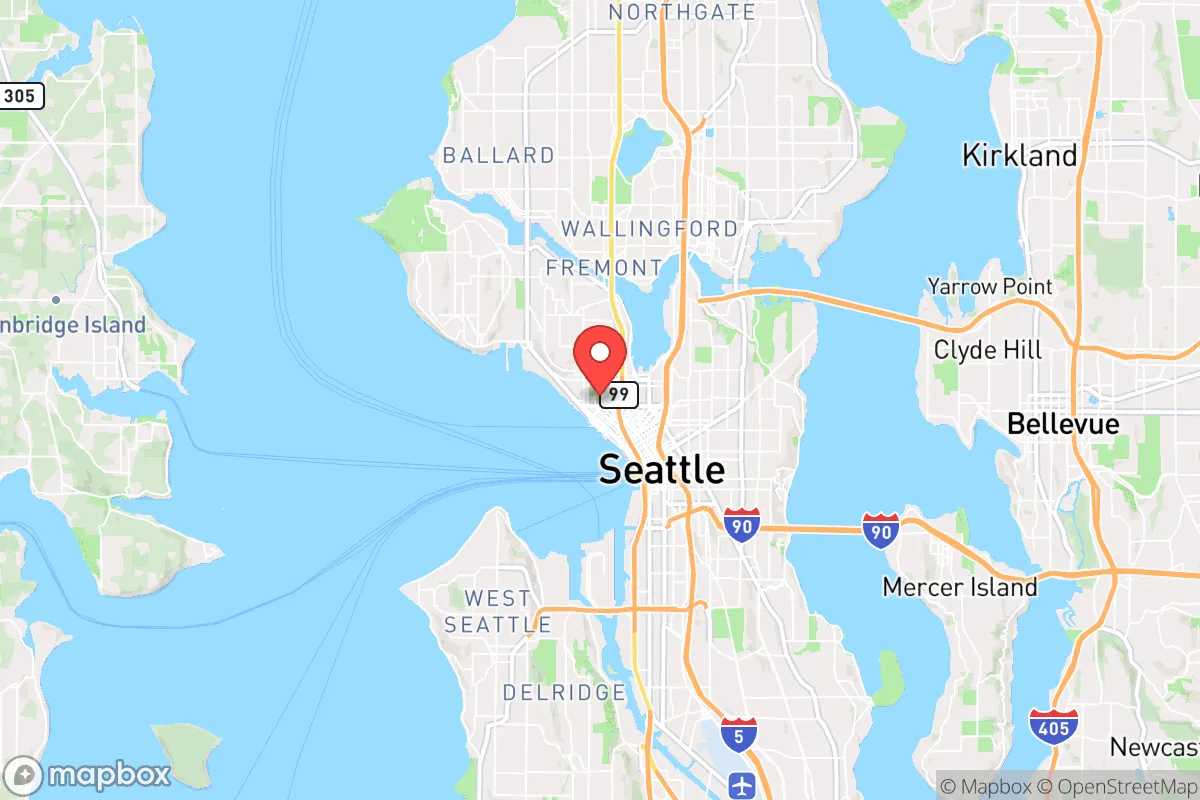
Photo: Wikipedia
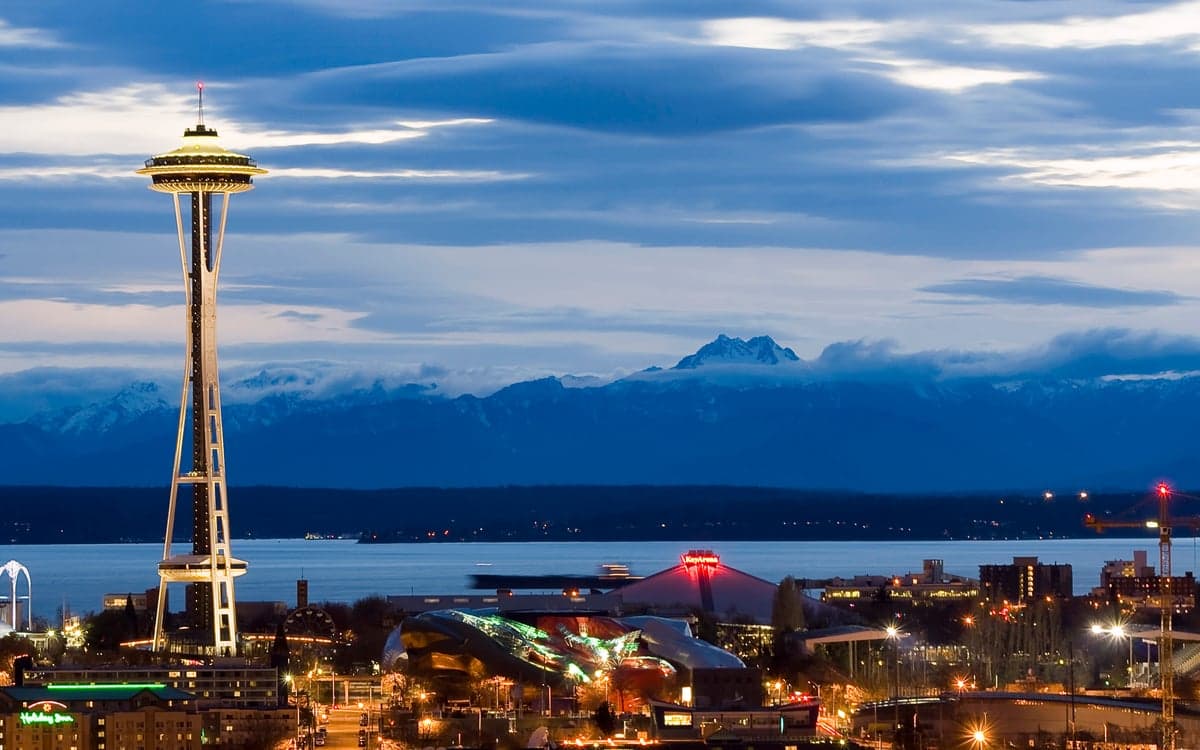
Personal Sovereignty in Seattle, WA
Viable for self-reliance. Generally workable, though some barriers may limit total independence.
What does Personal Sovereignty tell us?
Personal Sovereignty measures your capacity for self-reliance and independence with minimal government friction. Higher scores mean fewer barriers between you and the way you want to live... but it assumes you have the space you need and good neighbors.
What does this tell us?
Personal Sovereignty measures your capacity for self-reliance and independence with minimal government friction. Higher scores mean fewer barriers between you and the way you want to live... but it assumes you have the space you need and good neighbors.
State Policy
Energy independence: Importer (55% of energy produced in-state)
Personal Liberty
Homesteading

Personal Liberty Analysis
Seattle presents a challenging environment for personal sovereignty, where individual autonomy is increasingly constrained by a dense web of state and local regulations, high taxation, and cultural pressures that prioritize collective outcomes over individual rights. For those with a survivalist or prepper mindset, the city's political and legal landscape actively discourages self-reliance, from restrictive gun laws to zoning codes that make homesteading nearly impossible. While the Pacific Northwest offers abundant natural resources, the practical ability to exercise personal freedom within Seattle's city limits is severely limited, making it a location best approached with clear-eyed caution rather than optimism for those seeking maximum personal liberty.
Tax burden and regulatory posture: How Seattle's fiscal and legal climate impacts your autonomy
Seattle's tax burden and regulatory environment are among the most aggressive in the nation, directly eroding personal sovereignty. Washington State has no personal income tax, which sounds favorable, but the city and state compensate with some of the highest sales taxes in the country—currently over 10% in Seattle proper—and steep property taxes that have risen sharply with home values. The state's capital gains tax, enacted in 2021 and targeting gains over $250,000, signals a growing appetite for wealth redistribution. For a prepper or self-reliant individual, this means every tool, supply, and piece of land you acquire is taxed at a punishing rate. Regulatory overreach is pervasive: Seattle's strict building codes, energy mandates (including natural gas bans for new construction), and business licensing requirements create a high barrier to any independent enterprise. The city's "head tax" on large employers, though repealed, reflects a political culture that sees business and individual wealth as resources to be managed rather than rights to be protected. If you value keeping what you earn and making your own decisions about your property, Seattle's fiscal posture is a significant liability.
Self-defense and gun law specifics: What Seattle's restrictions mean for your right to protect yourself
Seattle's gun laws are among the most restrictive in the country, directly undermining the right to self-defense. Washington State requires a background check for all firearm sales, including private transfers, and Seattle has gone further by banning magazines capable of holding more than 10 rounds—a law that was struck down by a state court in 2024 but remains under appeal and reflects the city's intent. Open carry is legal in Washington, but Seattle has effectively banned it in city-owned buildings and parks, and the city council has repeatedly pushed for a full ban on open carry in public spaces. Concealed carry requires a permit, and while Washington is a "shall issue" state, the process involves a background check, fingerprinting, and a fee. For a survivalist, the practical impact is severe: you cannot legally carry a standard-capacity magazine for self-defense in Seattle, and any defensive use of a firearm will be scrutinized under a legal framework that is hostile to gun ownership. The city's high violent crime rate—Seattle's homicide rate rose 40% between 2019 and 2023—makes these restrictions particularly galling, as law-abiding citizens are disarmed while criminals face few consequences. If personal protection is a priority, Seattle is a place where your rights are actively curtailed.
Self-reliance and homesteading viability: Lot sizes, zoning, and off-grid feasibility in Seattle
Seattle's urban density and zoning laws make traditional self-reliance and homesteading nearly impossible within city limits. The typical residential lot in Seattle is small—often 5,000 square feet or less—and zoning codes strictly limit what you can do with it. Keeping chickens is allowed in most residential zones, but with limits on the number of birds and strict coop requirements. Beekeeping is permitted with registration, but larger livestock like goats or pigs are banned outright. Rainwater collection is legal in Washington, but Seattle's building codes require permits for any system over 1,000 gallons, and the city's water utility actively discourages full off-grid water independence. Solar panels are allowed but subject to homeowner association rules in many neighborhoods, and the city's frequent cloud cover makes them less effective. For a prepper looking to grow food, store water, or generate power independently, Seattle's zoning and building codes are a bureaucratic nightmare. The city's "Urban Village" strategy actively promotes high-density development, meaning single-family lots are being rezoned for duplexes and townhouses, further reducing space for self-reliant activities. If you want land to work, Seattle is not the place—you'd need to look at rural areas an hour or more outside the city.
Personal liberties: Parental rights, medical autonomy, speech, and property in Seattle
Seattle's approach to personal liberties is heavily tilted toward government and institutional authority over individual rights. Parental rights are under consistent pressure: Washington State's "My Health My Data" act, passed in 2023, allows minors to access gender-affirming care without parental consent, and Seattle Public Schools have policies that permit students to change their names and pronouns without notifying parents. Medical autonomy is similarly constrained—Washington has a strict vaccine mandate for school attendance, and during the COVID-19 pandemic, Seattle was among the first cities to impose mask and vaccine requirements for businesses and public spaces. Free speech is legally protected, but Seattle's political culture is overwhelmingly left-leaning, and those expressing conservative or libertarian views often face social and professional backlash. Property rights are weakened by the city's aggressive tenant protections, including "just cause" eviction laws and rent control measures that limit what landlords can do with their own property. For a survivalist or prepper, these policies represent a fundamental erosion of the right to make decisions for your family and yourself. The city's political leadership views individual autonomy as secondary to collective goals, and that philosophy is embedded in nearly every aspect of daily life.
Compared to other regions in the United States, Seattle ranks among the worst for personal sovereignty, particularly for those with a conservative or libertarian worldview. The combination of high taxes, restrictive gun laws, anti-homesteading zoning, and eroded parental rights creates an environment where self-reliance is actively discouraged. For a prepper or survivalist, the Pacific Northwest's natural abundance is real, but you'll need to live well outside Seattle's city limits—in places like Snohomish County or the Olympic Peninsula—to exercise the freedoms that the city denies. If you're considering relocation and personal sovereignty is your top priority, Seattle should be at the bottom of your list, not the top.

* Values derived from national, state, county, city and local statistics and may differ in a specific area. Last updated: 2026-04-21T10:00:39.000Z
Narrative content on this page is AI-generated and may contain mistakes. Verify any details that matter before acting on them.
ReloMaps may earn a commission from affiliate links at no extra cost to you.

