 Popular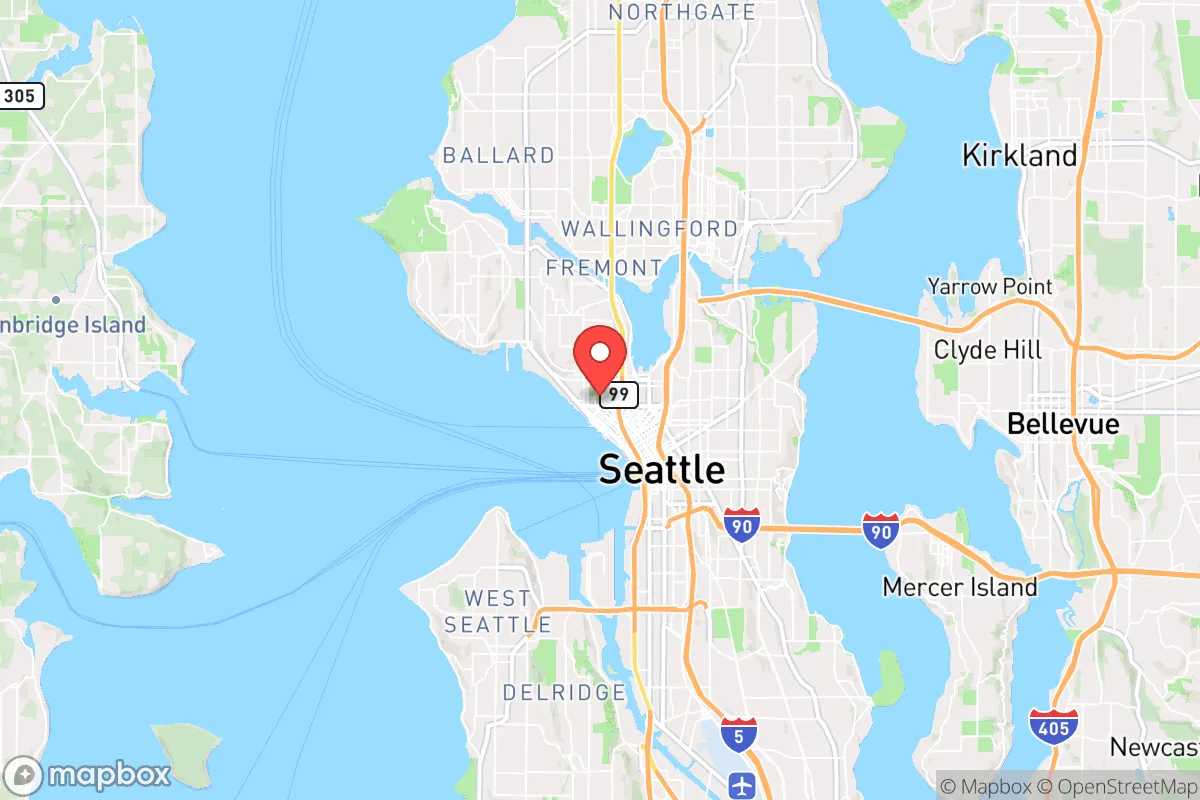
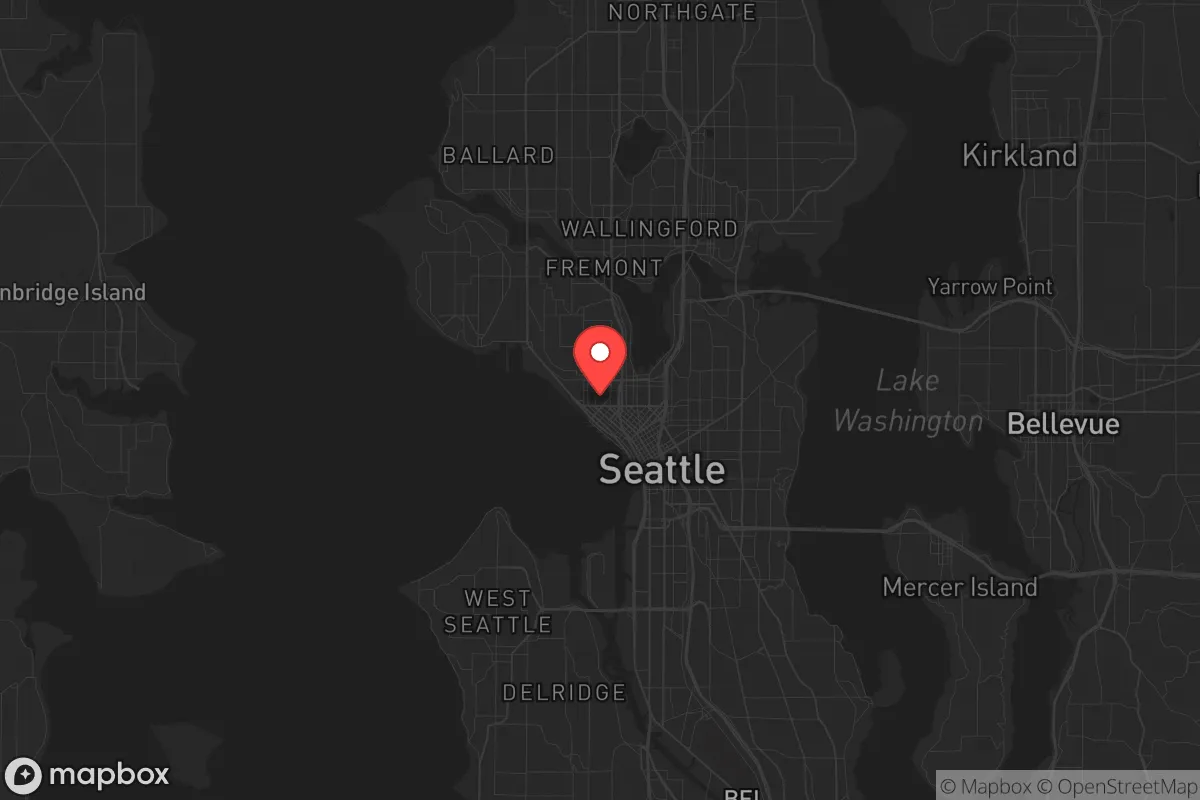
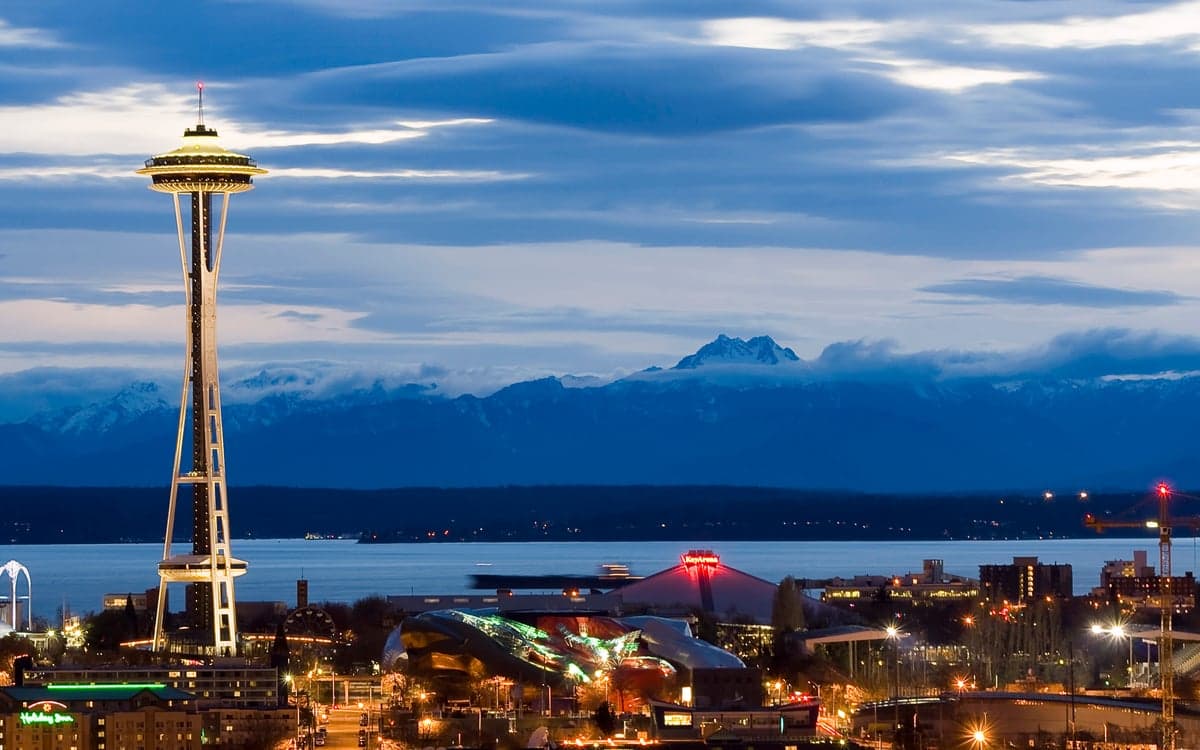
Photo: Wikipedia
Political ClimatePolitical Climate in Seattle, WA
District shown is the primary district for this city’s centroid. Cities may span multiple districts.
Local Political AnalysisPolitical Analysis of Seattle, WA
Seattle’s political climate is about as blue as it gets, with a Cook PVI of D+39—meaning the city votes nearly 40 points more Democratic than the national average. That’s not just a lean; it’s a supermajority that’s been hardening for years. If you’re looking at the trajectory, it’s not trending toward the center. The city council and county government have moved steadily left, especially since 2020, pushing policies on policing, taxes, and land use that feel more like experiments than common-sense governance. For someone who remembers Seattle as a place where you could disagree without being labeled a bigot, the shift is jarring.
How it compares
Drive 30 minutes east to Bellevue or Redmond, and you’ll find a different story. Those suburbs still lean Democratic, but they’re more pragmatic—tech money and family priorities keep the far-left impulses in check. Head south to Tacoma or north to Everett, and the politics get noticeably more moderate, even conservative in some precincts. The real contrast is east of the mountains: places like Wenatchee or Spokane vote reliably Republican, and their residents look at Seattle’s policies—like the defunding of police in 2020 or the city’s homeless encampment strategies—as cautionary tales. Within King County itself, the rural areas around Enumclaw and Snoqualmie are islands of red in a sea of blue, but they’re increasingly drowned out by Seattle’s sheer population weight.
What this means for residents
For a conservative or even a moderate, living in Seattle means watching your tax dollars fund programs you may not support. The city’s jump to a progressive income tax on high earners (struck down by courts, but they keep trying) and the payroll tax for homeless services are examples of government reaching deeper into your wallet. Your personal freedoms—like choosing not to wear a mask after mandates ended, or opting out of vaccine requirements for certain venues—have been restricted more than in most U.S. cities. The city council has also pushed rent control measures and tenant protections that make it harder for small landlords to operate, which shrinks the rental market and drives up costs for everyone. If you value being left alone to run your business or raise your family without the city telling you how to do it, Seattle will feel increasingly intrusive.
On the cultural side, Seattle’s identity has shifted from a grunge-era live-and-let-live vibe to a more activist, almost ideological atmosphere. Neighborhoods like Capitol Hill and Fremont are ground zero for protests and street politics, and it’s common to see businesses boarded up during demonstrations. The city’s response to property crime—often lenient, with low prosecution rates for theft under $1,000—has led to a sense that personal responsibility is taking a backseat to social justice narratives. Long-term, unless there’s a realignment, expect more of the same: higher taxes, more regulations, and a government that sees itself as a vehicle for social change rather than a protector of individual rights. If that doesn’t sit well, the suburbs or the other side of the mountains start looking a lot more appealing.

State Political ClimatePolitical Climate in Washington
State Political AnalysisPolitical Environment in the State
Washington State has shifted from a purple swing state to a solidly blue stronghold over the past two decades, with Democrats controlling every statewide office and both legislative chambers since 2012. The state’s overall partisan lean is roughly D+8 in presidential elections, but that number masks a deep and growing chasm between the ultra-progressive Puget Sound corridor and the rest of the state. For a conservative-leaning individual or family considering relocation, the key takeaway is that Washington’s political trajectory is being driven almost entirely by King County (Seattle) and its satellite suburbs, while eastern and rural Washington feels increasingly like a separate country.
Urban vs. rural divide
The political map of Washington is a study in extremes. King County, home to Seattle, Bellevue, and Redmond, casts roughly one-third of the state’s total vote and delivers margins of 70-80% for Democrats. That alone is enough to flip the entire state blue. The I-5 corridor from Olympia through Tacoma to Everett is similarly deep blue, with Pierce and Snohomish counties trending leftward as Seattle exurbs fill with tech workers. Meanwhile, eastern Washington — places like Spokane, Spokane Valley, and the Tri-Cities (Kennewick, Pasco, Richland) — votes reliably red, often by 15-20 point margins. The rural counties in the central basin and the Olympic Peninsula are even more conservative, with some precincts hitting 70-80% Republican. The divide is not just geographic but cultural: the urban core is globalist, tech-driven, and socially progressive, while the rest of the state is agricultural, resource-extraction-based, and values traditional community structures. A notable exception is the Seattle suburb of Sammamish, which has a surprising number of fiscally conservative Asian-American families, but even there the GOP vote share is shrinking. The real battleground is no longer between parties but between the urban machine and the rural resistance.
Policy environment
Washington’s policy environment is aggressively progressive and increasingly hostile to conservative values. The state has no personal income tax, which sounds great, but it’s paired with the highest state sales tax in the nation (10.4% in Seattle, 8.9% statewide average) and a capital gains tax on profits over $250,000 that was upheld by the state supreme court in 2023. Property taxes are moderate but rising fast, especially in fast-growing counties like Clark and Snohomish. The regulatory posture is among the most burdensome in the country: the state has a strict environmental review process under the State Environmental Policy Act (SEPA) that can delay or kill any new development, and the Growth Management Act forces cities to plan for density, which drives up housing costs. On education, Washington has a fully funded public school system that ranks well nationally, but parental rights are under constant assault — the state passed a law in 2023 that allows schools to withhold information about a child’s gender identity from parents. Healthcare is dominated by the state’s public option, Cascade Care, and a strong regulatory environment that makes it hard for private insurers to operate profitably. Election laws are among the most liberal: universal mail-in voting with no voter ID requirement, same-day registration, and automatic voter registration through the DMV. For a conservative, the policy environment feels like a slow-motion erosion of local control and individual liberty.
Trajectory & freedom
Washington is becoming less free by the year, especially for those who value gun rights, parental authority, and economic independence. The state passed a magazine capacity ban (10 rounds) and a ban on certain semi-automatic firearms in 2023, and a permit-to-purchase law in 2024. These laws were pushed through by Governor Jay Inslee and Attorney General Bob Ferguson, both of whom have made gun control a signature issue. On parental rights, the aforementioned gender-identity nondisclosure law (HB 1608) is a direct assault on family autonomy. On medical freedom, Washington was one of the first states to mandate COVID-19 vaccines for healthcare workers and state employees, and it still has some of the strictest vaccine requirements for schoolchildren in the nation. Property rights are also under pressure: the state’s rent control preemption was repealed in 2021, allowing Seattle and other cities to impose rent stabilization, and the state is actively considering a statewide rent control bill. The only bright spot for conservatives is that Washington has no state income tax, which continues to attract high-earners from California and Oregon, but that advantage is being eroded by the new capital gains tax and talk of a wealth tax. The trajectory is clear: more regulation, less individual freedom, and a government that sees itself as the arbiter of personal choices.
Civil unrest & political movements
Washington has a long history of political activism, but the last five years have seen a dramatic escalation. The 2020 protests in Seattle, including the Capitol Hill Autonomous Zone (CHAZ), were a national flashpoint that exposed the city’s willingness to cede control to militant activists. Since then, the state has seen a surge in organized left-wing groups like the Puget Sound Anarchist Collective and the Democratic Socialists of America, who have successfully pushed for defunding the police in Seattle (the city cut $4 million from the police budget in 2020, though some was restored later). On the right, the Washington State Republican Party has become more populist and grassroots-driven, with groups like the Washington State Patriot Network organizing against vaccine mandates and school board policies. Immigration politics are a major flashpoint: Washington is a sanctuary state with a 2019 law that prohibits state and local law enforcement from cooperating with federal immigration authorities, and the city of Seattle has gone further by refusing to share even basic data. Election integrity remains a hot-button issue: the state’s universal mail-in system has been criticized for lack of signature verification and the ability to harvest ballots, though no major fraud has been proven. A new resident will notice the political tension most acutely in the suburbs of King County, where school board meetings have become battlegrounds over critical race theory and gender ideology. The state is not in open civil war, but the cultural conflict is constant and exhausting.
Projection
Over the next 5-10 years, Washington will likely become even more progressive, driven by three factors: continued in-migration from California and Oregon (which brings more left-leaning voters), the naturalization of young voters who have only known a blue state, and the hollowing out of rural counties as young people leave for urban jobs. The state’s Republican Party is in disarray, with no clear statewide leader and a shrinking base in the suburbs. The most likely scenario is that Washington becomes a one-party state similar to California, with Democrats holding supermajorities in both legislative chambers and passing ever more aggressive policies on climate, housing, and social issues. The only wildcard is a potential backlash against the cost of living and overregulation, which could fuel a populist revolt in the exurbs and eastern Washington, but that would require a level of organization and funding that the state GOP currently lacks. For someone moving in now, expect to see a state where your vote in statewide elections is essentially meaningless, but your local vote in a red county still matters for school boards, city councils, and county commissions. The practical reality is that Washington is a beautiful state with a broken political system, and conservatives will increasingly need to choose between living in a blue state and fighting for their values at the local level, or moving to a red state where their vote actually counts.
For a conservative individual or family, the bottom line is this: Washington offers stunning natural beauty, a strong economy, and no income tax, but it comes at the cost of living under a government that is actively hostile to your values on guns, education, and family autonomy. If you’re willing to fight at the local level and accept that your statewide vote is symbolic, you can carve out a good life in places like Spokane Valley, the Tri-Cities, or even the more conservative pockets of Pierce County. But if you want a state that respects your freedom to raise your kids, own firearms, and run a business without endless regulation, you’re better off looking at Idaho or Montana. Washington is not the state it was 20 years ago, and it’s not going back.
* Values derived from national, state, county, city and local statistics and may differ in a specific area. Last updated: 2026-04-21T10:00:39.000Z
Narrative content on this page is AI-generated and may contain mistakes. Verify any details that matter before acting on them.
ReloMaps may earn a commission from affiliate links at no extra cost to you.

