 Popular
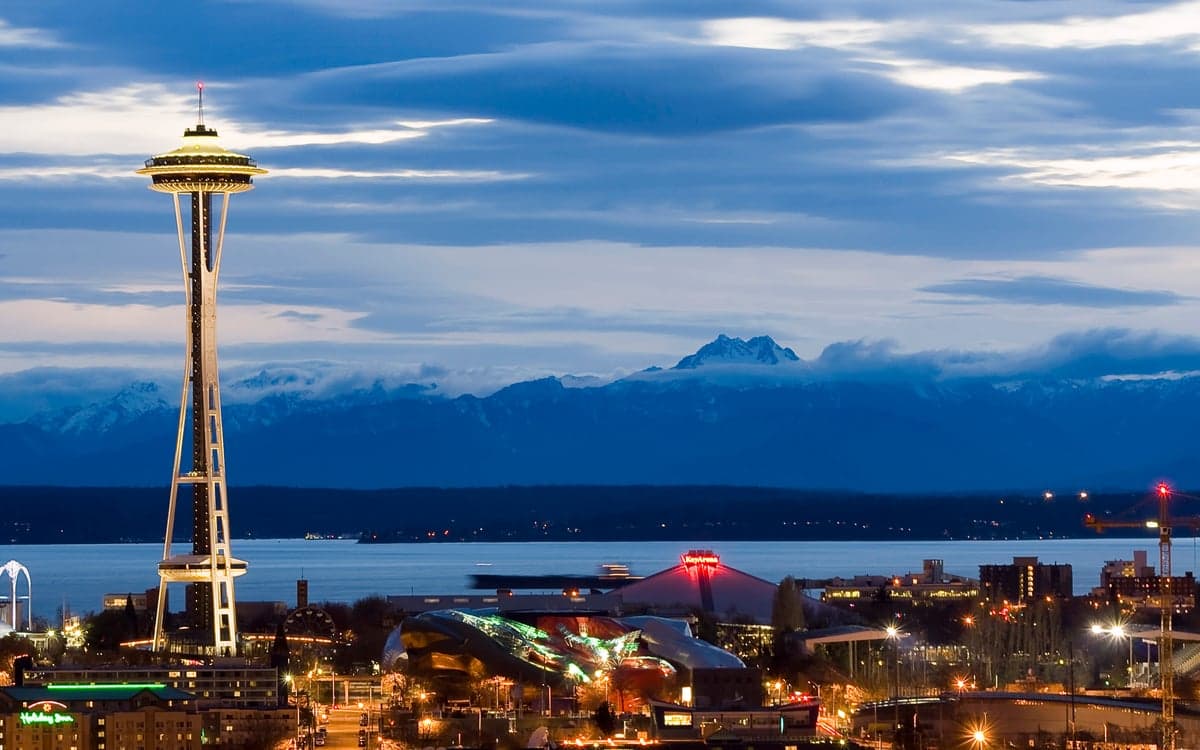
Photo: Wikipedia
Quality of Life in Seattle, WA
Above-average quality of iife. The area offers a reasonable cost of living, decent mobility, and a mix of neighborhood amenities.
What does Quality of Life tell us?
Quality of Life blends cost of living, nearby amenities, socioeconomic signals, and neighborhood character. City-level scores represent the whole municipality; individual neighborhoods can differ.
What does this tell us?
Quality of Life blends cost of living, nearby amenities, socioeconomic signals, and neighborhood character. City-level scores represent the whole municipality; individual neighborhoods can differ.
Cost of Living
133% above national average
The Real Cost of Living in Seattle, WA for 2026
| Tier | Individual | Family (4) |
|---|---|---|
| Survival | $32k | $60k |
| Comfortable | $164k | $241k |
| Luxury | $220k+ | $342k+ |
| Elite (Top 5%) | $283k+ | $439k+ |
51%
The Area Signal
A metric tracking the socioeconomic signals of the area.
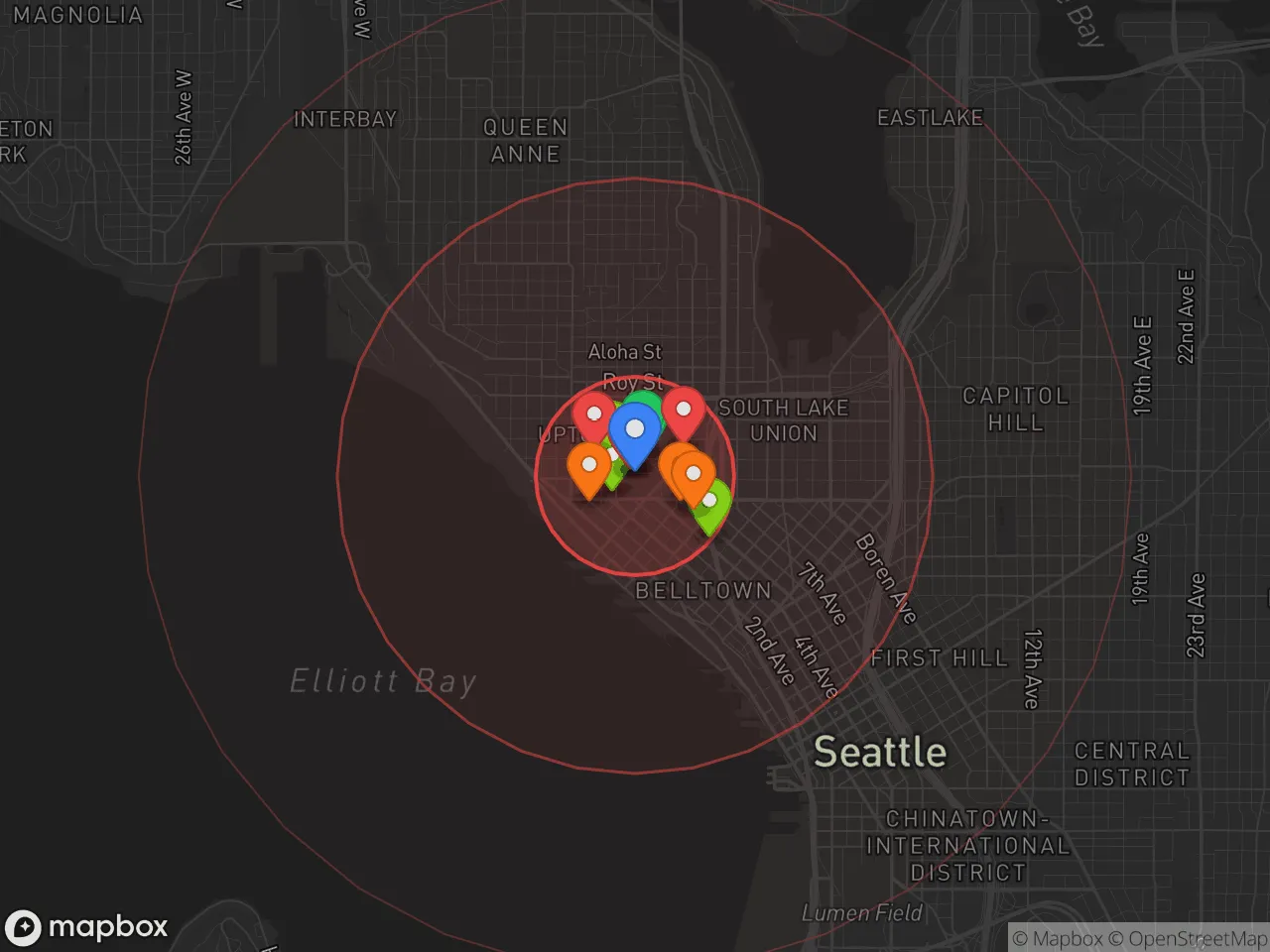
Hobbies
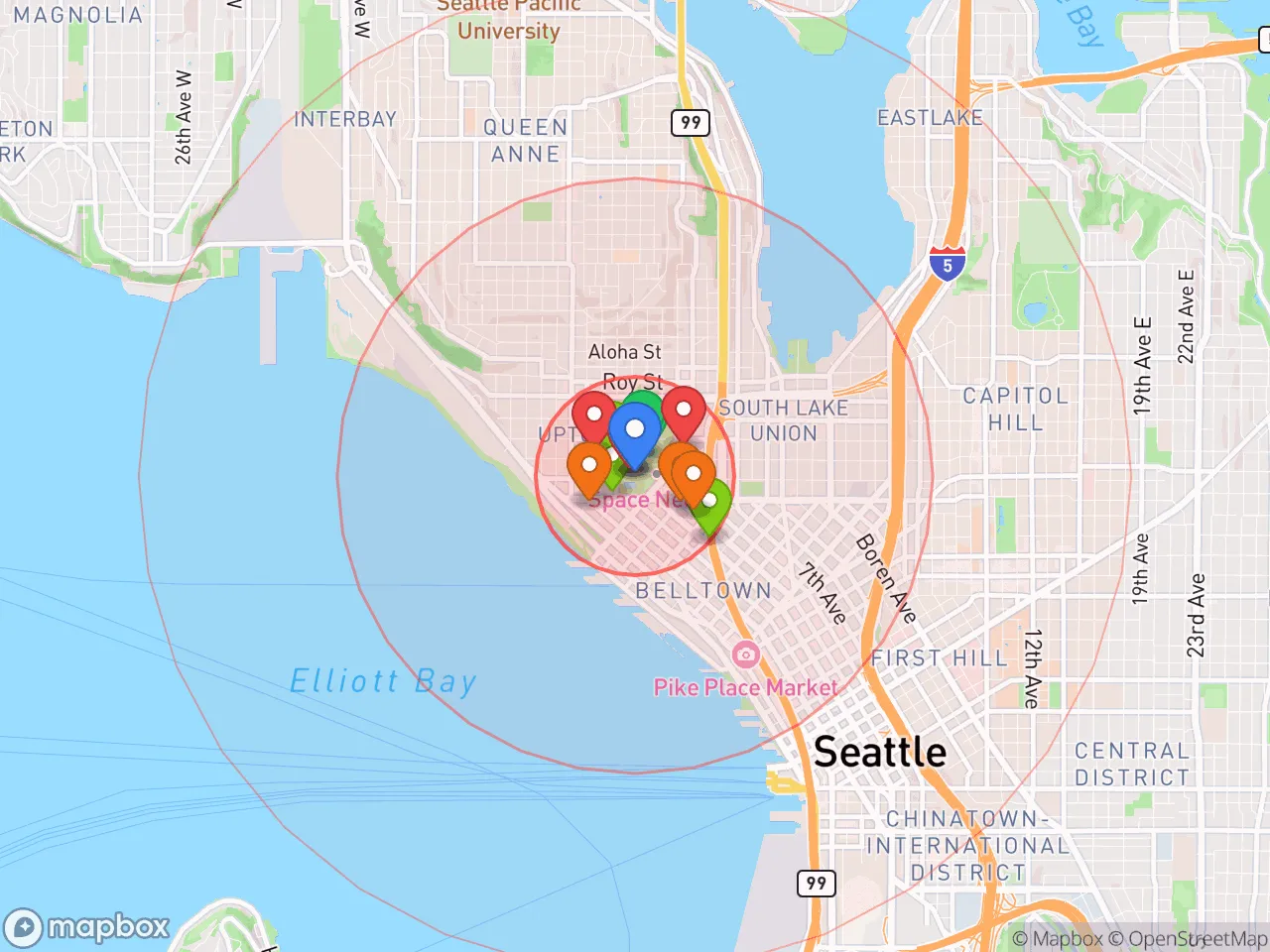
Explore the areaGroceries
7 within 10 miles
Gas
20 within 10 miles
Hospital
20 within 20 miles
Airport
SEA — Seattle–Tacoma International
Post Office
USPS — Seattle, WA
Critical Amenities
Quality-of-Life Analysis
Seattle, Washington, is a high-cost, high-opportunity city where the median household income of $116,000 attracts a dense mix of tech professionals, creatives, and young families. The city’s affluence is driven by major employers like Amazon, Microsoft, and Starbucks, creating a population that is highly educated, career-focused, and increasingly diverse. However, this prosperity comes with steep trade-offs in affordability and daily convenience, making Seattle a place where financial stability is a prerequisite for a comfortable lifestyle.
Cost of living, housing affordability, and how Seattle compares to nearby areas
Seattle’s cost of living index of 233—more than double the U.S. average—places it among the most expensive metro areas in the country. The median home value of $912,100 is roughly 2.5 times the national figure, while median rent sits at $1,998 per month. Compared to nearby suburbs like Bellevue (median home value $1.4 million) or Redmond ($1.3 million), Seattle proper is slightly more accessible, but it remains far pricier than outlying areas such as Tacoma (median home value $480,000) or Everett ($550,000). The average commute of 26.6 minutes is shorter than in many coastal tech hubs, thanks to a robust public transit system including Link Light Rail and frequent bus routes, though traffic congestion on I-5 and SR-520 remains a daily frustration for drivers. For renters, the market has softened slightly since 2023, with some downtown apartments offering concessions, but homebuyers still face bidding wars in desirable neighborhoods like Capitol Hill and Ballard.
Amenities, schools, and what daily life is like for families and professionals
Daily life in Seattle revolves around its natural setting and urban amenities. The city boasts over 400 parks, including Discovery Park and Green Lake, while the Puget Sound and Cascade Mountains provide year-round outdoor recreation. For families, Seattle Public Schools serve about 49,000 students, with top-rated options like Roosevelt High School and Garfield High School, though many families opt for private or magnet schools due to uneven district performance. The city’s cultural calendar is packed with events like Bumbershoot, the Seattle International Film Festival, and the Capitol Hill Block Party. Professionals benefit from a strong coffee culture, co-working spaces, and a restaurant scene that emphasizes Pacific Northwest seafood and farm-to-table dining. However, the daily rhythm includes challenges: homelessness is visible in downtown areas, and the city’s reputation for “Seattle Freeze” social dynamics can make it hard for newcomers to build networks quickly. Public safety concerns, particularly property crime rates above the national average, are a recurring topic in local news.
Seattle is best suited for high-earning professionals, especially in tech, who can absorb the cost of living and value access to nature, progressive culture, and career growth. Families with school-age children should carefully research specific neighborhoods and school options, as outcomes vary widely. Retirees and those on fixed incomes may find the cost prohibitive unless they already own property. Ultimately, Seattle rewards those who can afford it with a vibrant, active lifestyle—but it demands financial resilience and patience with urban trade-offs.

Crime in Seattle, WA
Significantly higher crime rates than 82% of comparable U.S. locations.
Violent CrimeViolent Crime Analysis
Property CrimeProperty Crime Analysis
Crime Analysis
Seattle's overall safety picture is defined by crime rates that significantly exceed both Washington state and national averages, a pattern that has persisted for several years. The city recorded a violent crime rate of 696.8 per 100,000 residents and a property crime rate of 4,423.9 per 100,000 residents in the most recent reporting period. These figures place Seattle among the higher-crime large metro areas in the United States, a reality that prospective residents should weigh carefully against the city's many economic and cultural advantages.
Crime in context
Seattle's violent crime rate is roughly 1.8 times the national average and substantially higher than the Washington state average of approximately 310 per 100,000. Property crime is even more pronounced, with Seattle's rate nearly double the national average and well above the state figure of roughly 2,500 per 100,000. These disparities are not accidental. The city operates under a progressive prosecutorial philosophy, with elected officials and district attorneys who have prioritized alternatives to incarceration and reduced sentences for many property and drug offenses. While intended to reduce recidivism and address systemic inequities, this approach has resulted in more offenders remaining on the street, contributing directly to higher rates of theft, vehicle break-ins, and property damage. The practical effect for residents is a heightened risk of becoming a victim of crime, particularly property crime, compared to living in a jurisdiction with a more traditional law-and-order stance.
What residents experience
For daily life in Seattle, property crime is the most tangible concern. Car prowls, mail theft, and package theft are endemic, especially in neighborhoods with dense housing and street parking. Residents routinely report smashed car windows and stolen catalytic converters. Violent crime, while less frequent, is concentrated in specific areas and often linked to drug markets or disputes among individuals known to each other. The city's response to these issues has been hampered by a police department that has struggled with staffing shortages and low morale, partly due to reforms and budget reductions enacted by the city council. This means slower response times for non-emergency calls and a lower likelihood of property crimes being investigated or solved.
Neighborhood-level variation is significant. Downtown, Belltown, and the SoDo industrial area near the stadiums see the highest concentrations of both violent and property crime, driven by street-level drug activity and a large unsheltered population. In contrast, quieter residential neighborhoods like Ballard, Fremont, and Green Lake experience lower violent crime rates but still contend with property crime. The wealthier enclaves of Madison Park and Laurelhurst report the lowest overall crime rates in the city, though they are not immune to car prowls. For those considering a move, choosing a neighborhood with lower crime statistics and a strong neighborhood watch culture is a practical step toward mitigating the city's broader public safety challenges.
* Values derived from national, state, county, city and local statistics and may differ in a specific area. Last updated: 2026-04-21T10:00:39.000Z
Narrative content on this page is AI-generated and may contain mistakes. Verify any details that matter before acting on them.
ReloMaps may earn a commission from affiliate links at no extra cost to you.

