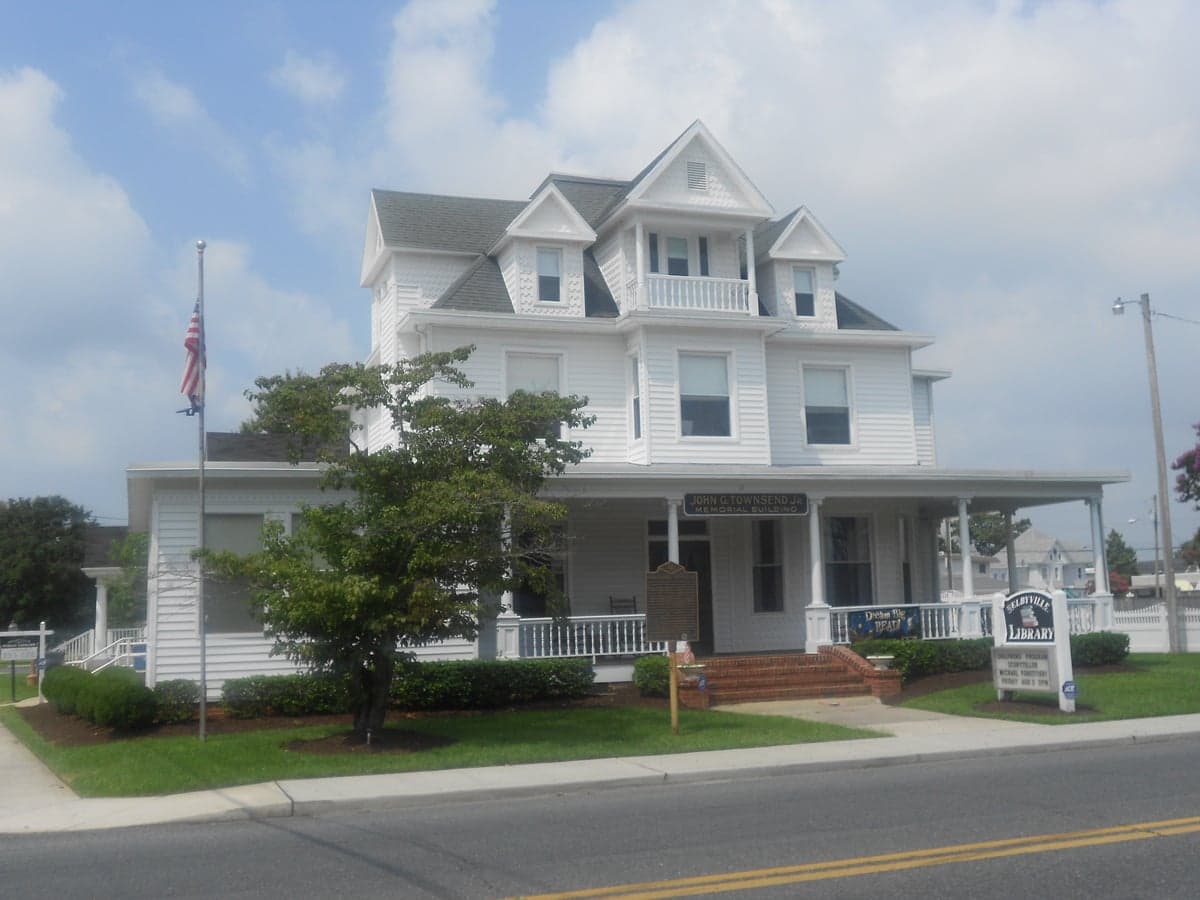
Photo: Wikipedia
Political ClimatePolitical Climate in Selbyville, DE
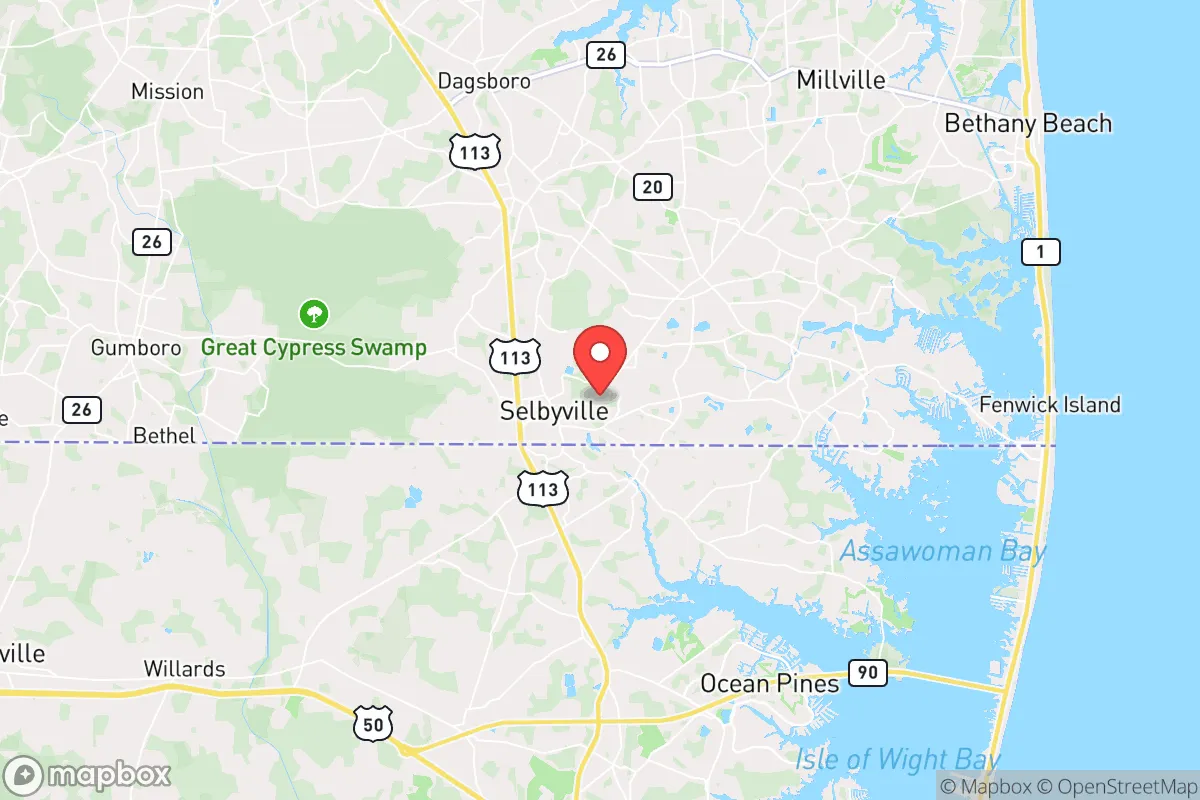
District shown is the primary district for this city’s centroid. Cities may span multiple districts.
Inherited from parent state — no local data available.
Local Political AnalysisPolitical Analysis of Selbyville, DE
Selbyville, Delaware, sits in a county that’s been trending bluer by the year, and the numbers back it up—the area now carries a Cook PVI of D+8, meaning it votes about eight points more Democratic than the national average. That’s a far cry from the Selbyville I remember growing up, where folks mostly kept to themselves and voted their conscience without much fuss from either party. The shift has been gradual but unmistakable, and if you’ve lived here long enough, you’ve watched the local political landscape change from a quiet, conservative-leaning town into something that feels more aligned with the coastal crowd down in Rehoboth Beach or Lewes.
How it compares
Drive ten miles north to Georgetown, and you’ll find a different story—that area still leans red, with a more rural, agricultural base that hasn’t budged as much. But Selbyville, being closer to the resort towns and the Maryland line, has absorbed more of that progressive energy. Places like Ocean City, Maryland, just a few miles south, have their own brand of politics—more libertarian-leaning, with a focus on tourism and small business—but Selbyville’s shift feels more like a slow creep toward the policies you see in New Castle County. It’s not as dramatic as what’s happened in Wilmington, but the trend is there, and it’s got some of us watching the local school board and town council meetings a little closer than we used to.
What this means for residents
For the average person living here, the biggest concern is how this political tilt affects daily life—especially when it comes to personal freedoms. We’ve seen more talk about zoning restrictions that could limit what you can do with your own property, and there’s been a push for higher taxes to fund programs that a lot of folks here didn’t ask for. The county’s been flirting with stricter environmental regulations that sound good on paper but hit small contractors and farmers hard. If you value the right to make your own choices without a government official breathing down your neck, the D+8 lean is something to keep an eye on. It’s not a crisis yet, but the trajectory is concerning—more mandates, less local control, and a growing sense that the people in Dover don’t really understand what life is like in a small town like Selbyville.
One thing that sets Selbyville apart culturally is its strong sense of community and a stubborn streak of independence that hasn’t completely faded. You still see plenty of American flags on porches and folks who’ll tell you straight up they don’t appreciate being told how to live. The local churches and volunteer fire companies are the backbone here, not the government. But the political winds are shifting, and if the last few elections are any guide, the next decade could bring more changes—some of them welcome, some of them not. For now, it’s a place where you can still have a conversation with your neighbor even if you disagree, but that’s getting harder as the outside world pushes in. Keep your ear to the ground and your vote your own—that’s the Selbyville way.

State Political ClimatePolitical Climate in Delaware
State Political AnalysisPolitical Environment in the State
Delaware has long been a political oddity, a small state with a big blue tilt that has only deepened over the last two decades. While it was once a classic swing state—voting for the winner in every presidential election from 1980 to 1996—it has shifted decisively left, with Democrats now holding every statewide office and a supermajority in the state legislature. The 2024 election saw Joe Biden’s home state give Kamala Harris a 56-42 margin, a 14-point spread that masks a deeply divided interior: the northern urban corridor drives the blue wave, while the southern counties remain reliably red. For a conservative considering relocation, the state presents a mixed bag—low property taxes and a business-friendly corporate code clash with a rapidly expanding regulatory state and a cultural drift that feels increasingly like a mini New Jersey.
Urban vs. rural divide
The political map of Delaware is a tale of three counties, but really two worlds. New Castle County, home to Wilmington and the sprawling suburbs of the I-95 corridor, is the Democratic engine room, delivering roughly 65% of the state’s vote. Wilmington itself is a deep-blue city with a strong union presence and a growing progressive activist class, while suburbs like Newark (home to the University of Delaware) and Middletown (a fast-growing exurb) have shifted left as new arrivals from the Northeast pour in. Kent County, anchored by the capital Dover, is a true battleground—Dover itself leans Democratic thanks to state workers and a sizable minority population, but the rural stretches around Smyrna and Milford vote heavily Republican. Sussex County is the conservative stronghold, with beach towns like Rehoboth Beach and Lewes trending purple due to retiree and LGBTQ+ migration, while inland areas around Georgetown and Seaford remain deeply red, driven by agriculture and a native population wary of northern transplants. The divide is stark: drive 20 miles south of Dover, and you’ve left the blue bubble entirely.
Policy environment
Delaware’s policy posture is a study in contradictions. On one hand, the state is a corporate haven—over 60% of Fortune 500 companies are incorporated here thanks to the Court of Chancery’s business-friendly case law, and there’s no state sales tax. Property taxes are among the lowest in the nation, averaging about 0.5% of assessed value, which is a genuine draw. On the other hand, the personal income tax is steep, with a top marginal rate of 6.6% kicking in at just $60,000 of income, and the state has aggressively expanded its regulatory footprint. Education policy is a flashpoint: Delaware adopted Common Core early, and the state’s school choice program is limited compared to neighbors like Pennsylvania, with charter schools facing heavy oversight. Healthcare is dominated by a few large systems (ChristianaCare, Bayhealth), and the state expanded Medicaid under Obamacare, driving up costs for private plans. Election laws are a concern for conservatives: no-excuse absentee voting was made permanent in 2022, and same-day voter registration was enacted in 2023, changes that critics argue weaken ballot integrity. The state also has a strict gun control regime—a 2022 law banned the sale of “assault weapons” and high-capacity magazines, and a 2024 law imposed a 10-day waiting period on all firearm purchases, making it one of the toughest states in the region for Second Amendment supporters.
Trajectory & freedom
The trajectory is unmistakably toward less personal freedom, especially for conservatives. Over the past five years, the Democratic supermajority in the General Assembly has passed a slew of laws that expand government control. Gun rights took a major hit with the 2022 Delaware Gun Violence Prevention Act, which banned many semi-automatic rifles and set a magazine capacity limit of 17 rounds—a law currently being challenged in court but enforced in the meantime. Parental rights have eroded: a 2023 law removed parental notification requirements for students joining gender-based clubs or activities, and a 2024 bill (still pending) would allow minors to consent to gender-affirming care without parental involvement. Medical autonomy took a hit with the state’s strict vaccine mandates for schoolchildren, which were expanded during COVID and never rolled back. On the economic freedom front, the state has raised the minimum wage to $15 an hour (phased in by 2025) and expanded paid family leave, which small business owners say is crushing. The one bright spot is property rights: Delaware has no statewide zoning preemption, so rural counties like Sussex have been able to resist some overreach, but a 2023 bill to impose statewide density mandates was only narrowly defeated. The net effect is a state that feels less free than it did a decade ago, with the legislature showing no signs of slowing down.
Civil unrest & political movements
Delaware isn’t a hotbed of civil unrest, but the political temperature has risen noticeably. Wilmington saw significant protests in 2020 following George Floyd’s death, with some property damage and a heavy police response, and the city has since seen a rise in organized left-wing activism, including a local chapter of the Democratic Socialists of America. Immigration politics are a quiet flashpoint: Delaware is a “sanctuary” state in practice if not by law—state police are prohibited from inquiring about immigration status during traffic stops, and a 2023 bill to limit cooperation with ICE was only narrowly defeated. Election integrity remains a live issue: the 2020 election saw widespread use of drop boxes and mail-in ballots, and while no major fraud was proven, the lack of voter ID requirements (Delaware has no photo ID law) continues to concern conservatives. On the right, the Sussex County Republican Party has grown more active, with regular “election integrity” rallies in Georgetown and a push to flip the county council. The most visible flashpoint for a new resident would be the Rehoboth Beach area, where tensions between long-time locals and wealthy LGBTQ+ transplants have led to heated debates over development and school curriculum. It’s not Portland or Kenosha, but the cultural friction is real and growing.
Projection
Looking five to ten years out, the trend lines are clear and concerning for conservatives. Demographic shifts are the main driver: New Castle County continues to grow through migration from the Northeast, bringing more progressive voters, while Sussex County’s beach communities are attracting a mix of retirees and remote workers who tend to lean left culturally even if they’re fiscally moderate. The native rural population in Kent and Sussex is aging and shrinking, meaning the Republican base is literally dying off. In-migration patterns show that most new arrivals come from New York, New Jersey, and Pennsylvania—states with even higher taxes and more regulation, so they see Delaware as a relative bargain, but they also bring their voting habits with them. The Democratic supermajority is likely to hold or expand, meaning more gun control, more parental rights erosion, and higher taxes on the wealthy. The one wild card is the corporate sector: if the Court of Chancery loses its luster (due to federal competition or a progressive judge appointment), the state’s economic foundation could crack, but that’s a long shot. For a conservative moving in now, expect to see a state that looks more like Maryland or Connecticut within a decade—blue, expensive, and increasingly hostile to traditional values.
For a new resident, the bottom line is this: Delaware offers genuine financial advantages—no sales tax, low property taxes, and a business-friendly legal system—but those come at the cost of living in a state where your political voice will be a minority one. If you’re a conservative who values low taxes and can tolerate a blue cultural environment, the beach towns of Sussex County or the rural stretches of Kent might work. But if you’re looking for a state that respects gun rights, parental authority, or limited government, Delaware is heading in the wrong direction, and the pace of change is accelerating. My advice: visit for a week, talk to locals in Lewes and Milford, and look at the voting maps before you sign anything. The First State may be small, but its political gravity is pulling hard to the left.
* Values derived from national, state, county, city and local statistics and may differ in a specific area. Last updated: 2026-04-23T03:52:20.000Z
Narrative content on this page is AI-generated and may contain mistakes. Verify any details that matter before acting on them.
ReloMaps may earn a commission from affiliate links at no extra cost to you.

