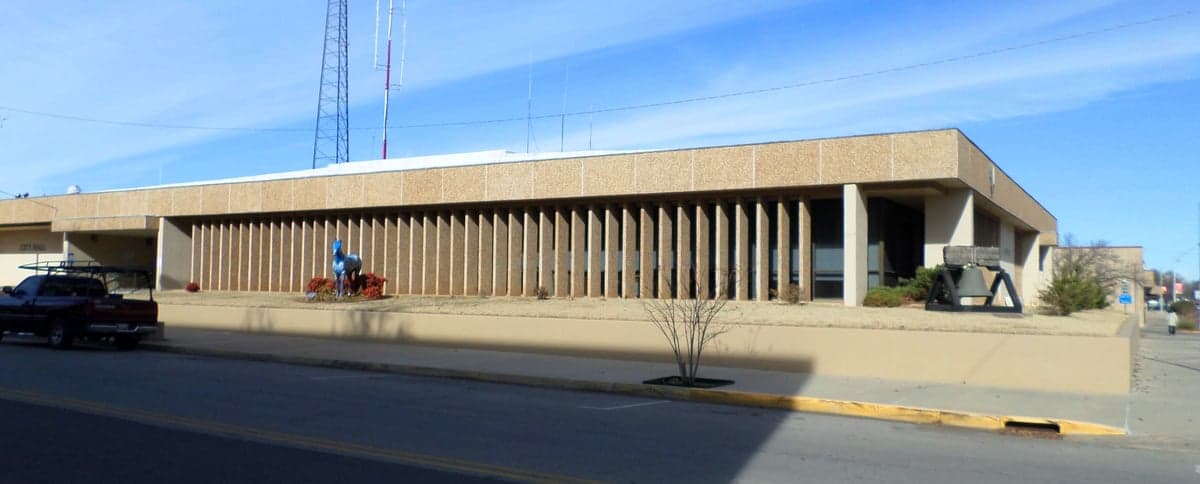
Photo: Wikipedia
Quality of Life in Shawnee, OK
A high quality of life with strong walkability, manageable living costs, healthy neighborhood signals, and solid amenity access.
What does Quality of Life tell us?
Quality of Life blends cost of living, nearby amenities, socioeconomic signals, and neighborhood character. City-level scores represent the whole municipality; individual neighborhoods can differ.
What does this tell us?
Quality of Life blends cost of living, nearby amenities, socioeconomic signals, and neighborhood character. City-level scores represent the whole municipality; individual neighborhoods can differ.
Cost of Living
32% below national average
The Real Cost of Living in Shawnee, OK for 2026
| Tier | Individual | Family (4) |
|---|---|---|
| Survival | $15k | $27k |
| Comfortable | $29k | $42k |
| Luxury | $96k+ | $149k+ |
| Elite (Top 5%) | $113k+ | $175k+ |
129%
The Area Signal
A metric tracking the socioeconomic signals of the area.
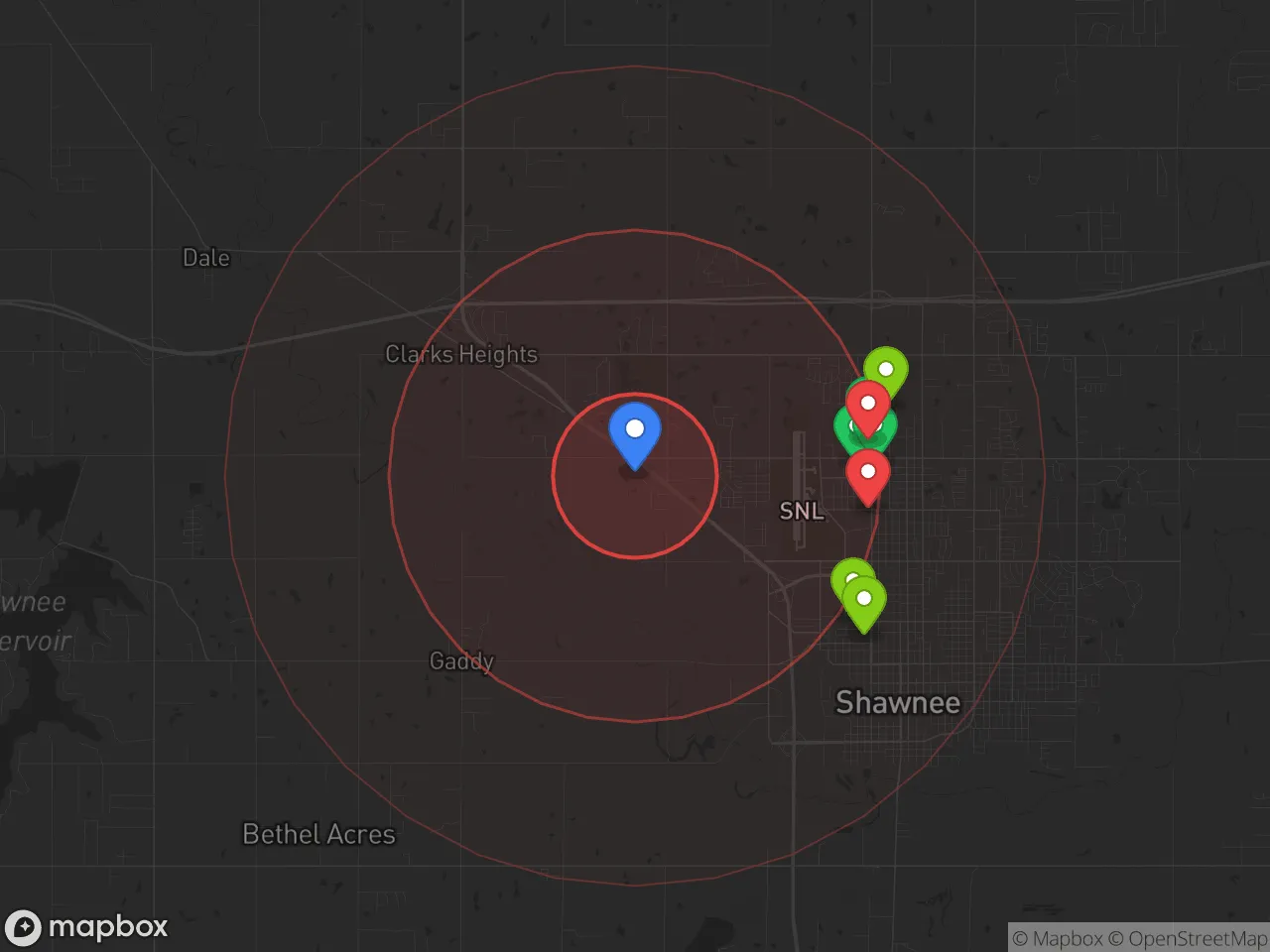
Hobbies
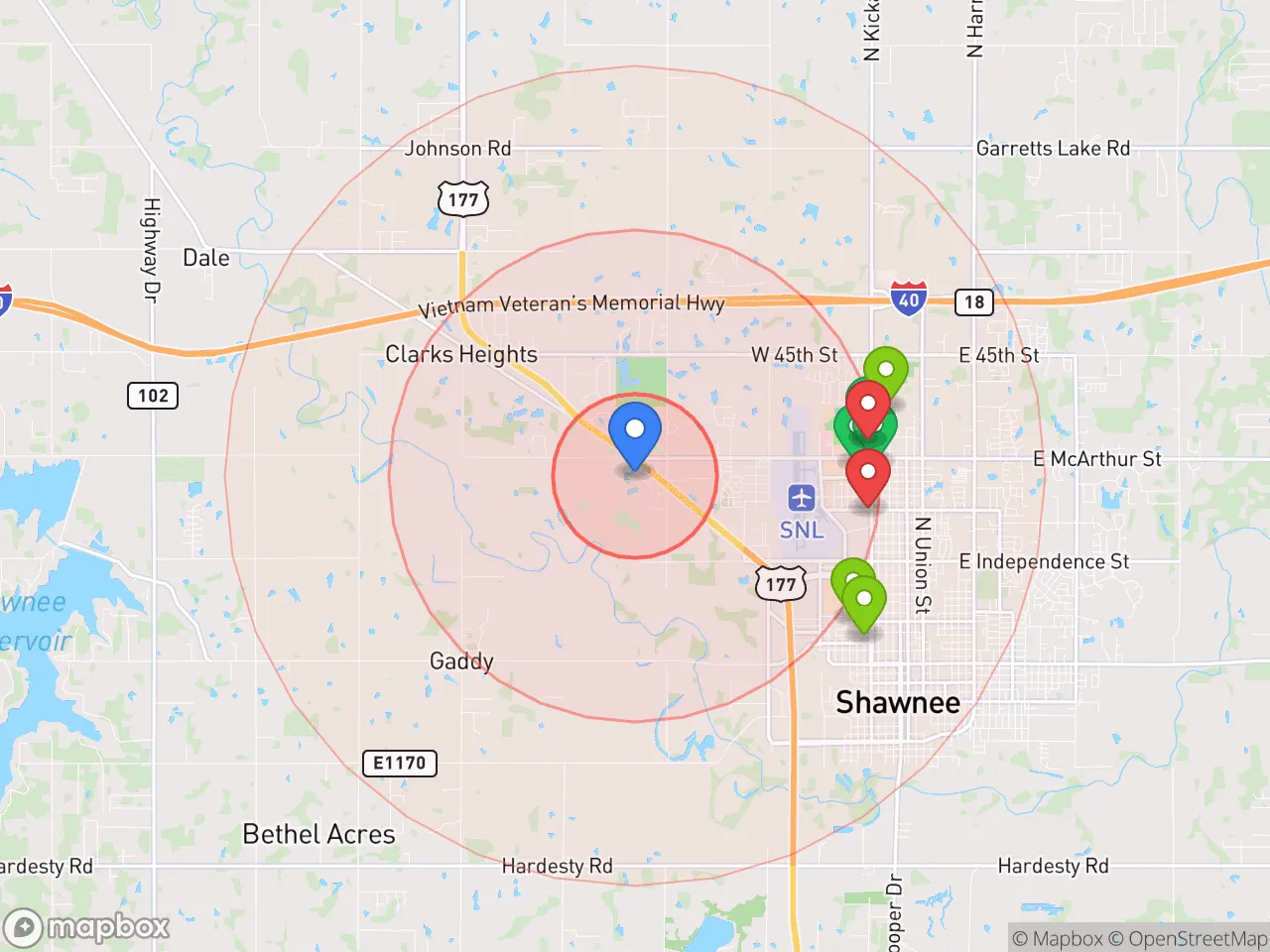
Explore the areaGroceries
2 within 10 miles
Gas
11 within 10 miles
Hospital
4 within 20 miles
Airport
DFW — Dallas/Fort Worth International
Post Office
USPS — Shawnee, OK
Critical Amenities
Quality-of-Life Analysis
Shawnee, Oklahoma, offers a notably affordable quality of life that attracts a mix of working families, retirees, and Oklahoma Baptist University students, with a cost-of-living index of 68—32% below the national average. The city’s median household income hovers around $45,000, reflecting a middle-to-lower-income demographic, while the presence of a major university and a growing healthcare sector brings a modest professional class. This economic profile creates a community where financial stability is achievable for many, though high-end amenities remain limited compared to larger metros like Oklahoma City, just 35 miles west.
Cost of living, housing, and how Shawnee compares to nearby cities
Shawnee’s housing market is a primary draw, with a median home value of $147,800 and median rent of $912—both well below Oklahoma City’s median home value of roughly $220,000 and rent near $1,200. The cost-of-living index of 68 means everyday expenses like groceries, utilities, and transportation are significantly cheaper than the U.S. norm. For context, nearby Norman (home to the University of Oklahoma) has a COL index of 82, making Shawnee about 17% more affordable. The average commute time of 19.9 minutes is short by national standards, reducing transportation costs and freeing up time for family or recreation. However, property taxes in Pottawatomie County average about 0.9% of assessed value, slightly higher than Oklahoma’s state average of 0.85%, though still low compared to many states.
Amenities, schools, and what daily life feels like in Shawnee
Daily life in Shawnee centers on a compact downtown with local eateries, the historic Ritz Theatre, and the expansive Woodland Park. The Shawnee Public Schools system serves roughly 6,000 students, with Shawnee High School offering dual-credit programs through nearby Seminole State College. For higher education, Oklahoma Baptist University (OBU) anchors the community with cultural events and a 1,800-student campus. Healthcare is provided by SSM Health St. Anthony Hospital, a 150-bed facility. Retail and dining options are modest but sufficient for daily needs, with residents driving to Oklahoma City for major shopping, entertainment, or specialized medical care. The city’s rhythm is slower than suburban OKC, with a strong sense of local pride evident at high school football games and the annual Shawnee Rodeo. Crime rates are mixed: property crime runs slightly above the national average (about 28 incidents per 1,000 residents), while violent crime is near the Oklahoma average but below larger cities like Tulsa.
Shawnee is best suited for those who prioritize low housing costs and a short commute over urban nightlife or high-end retail. Families seeking a safe, affordable place to raise children—especially those connected to OBU or local manufacturing employers like Tinker Air Force Base (a 30-minute drive east)—will find the cost-to-quality ratio favorable. Retirees on fixed incomes also thrive here, as the low COL stretches savings further. However, professionals in tech or finance may feel limited by the local job market, which leans heavily toward education, healthcare, and retail. For anyone willing to trade big-city amenities for financial breathing room and a close-knit community, Shawnee delivers a stable, low-stress lifestyle.

Crime in Shawnee, OK
Generally safer than 58% of comparable U.S. locations.
Violent CrimeViolent Crime Analysis
Property CrimeProperty Crime Analysis
Crime Analysis
Shawnee, Oklahoma, reports a violent crime rate of 464.5 per 100,000 residents and a property crime rate of 2,229.8 per 100,000, placing it above both state and national averages for overall crime. These figures indicate that while Shawnee is not among the most dangerous cities in the region, residents face a notably higher risk of property offenses and a moderate risk of violent incidents compared to typical U.S. communities. The city’s safety profile is shaped by its status as a regional hub in Pottawatomie County, where economic factors and policing resources influence day-to-day security.
Crime in context
Shawnee’s violent crime rate of 464.5 per 100,000 is roughly 25% higher than the national average of approximately 370 per 100,000 and significantly above Oklahoma’s state average of about 440 per 100,000. Property crime in Shawnee, at 2,229.8 per 100,000, exceeds the national average of roughly 1,950 per 100,000 and is well above the Oklahoma state average of 2,100 per 100,000. These comparisons place Shawnee in a higher-risk tier among similarly sized Oklahoma cities, though it remains below the most dangerous metro areas in the state. The elevated property crime rate, in particular, points to issues with theft, burglary, and vehicle-related offenses that are common in communities with a mix of urban and rural characteristics.
What residents experience
For those living in Shawnee, the most tangible safety concern is property crime, which accounts for the majority of reported incidents. Residents commonly report vehicle break-ins, home burglaries, and theft from porches or yards, especially in neighborhoods near commercial corridors like Kickapoo Street and Harrison Street. Violent crime, while less frequent, includes aggravated assault and robbery, with incidents often concentrated in specific areas rather than spread uniformly across the city. Shawnee’s proximity to Oklahoma City (roughly 35 miles east) means it experiences some spillover crime from the larger metro area, though it does not face the same level of gang or drug-related violence seen in major urban centers. Local law enforcement, the Shawnee Police Department, maintains a visible presence but has faced staffing challenges common to mid-sized agencies, which can affect response times in higher-crime zones.
Neighborhood-level variation is notable in Shawnee. Areas near the downtown core and along major thoroughfares tend to report higher crime rates, while residential subdivisions on the city’s north and east sides, such as those near Woodland Park, generally see fewer incidents. Progressive judicial policies in Pottawatomie County have been a point of concern for some residents, as district attorneys and judges who prioritize rehabilitation over incarceration can lead to shorter sentences and quicker returns of offenders to the community. This approach, while intended to reduce recidivism, has been criticized for potentially increasing the number of active criminals on the street, undermining public safety and victim justice. For newcomers, consulting local crime maps and speaking with neighborhood associations is recommended to identify safer pockets within the city.
* Values derived from national, state, county, city and local statistics and may differ in a specific area. Last updated: 2026-04-21T11:43:26.000Z
Narrative content on this page is AI-generated and may contain mistakes. Verify any details that matter before acting on them.
ReloMaps may earn a commission from affiliate links at no extra cost to you.

