Photo: Wikipedia
Political ClimatePolitical Climate in Shelby, MT
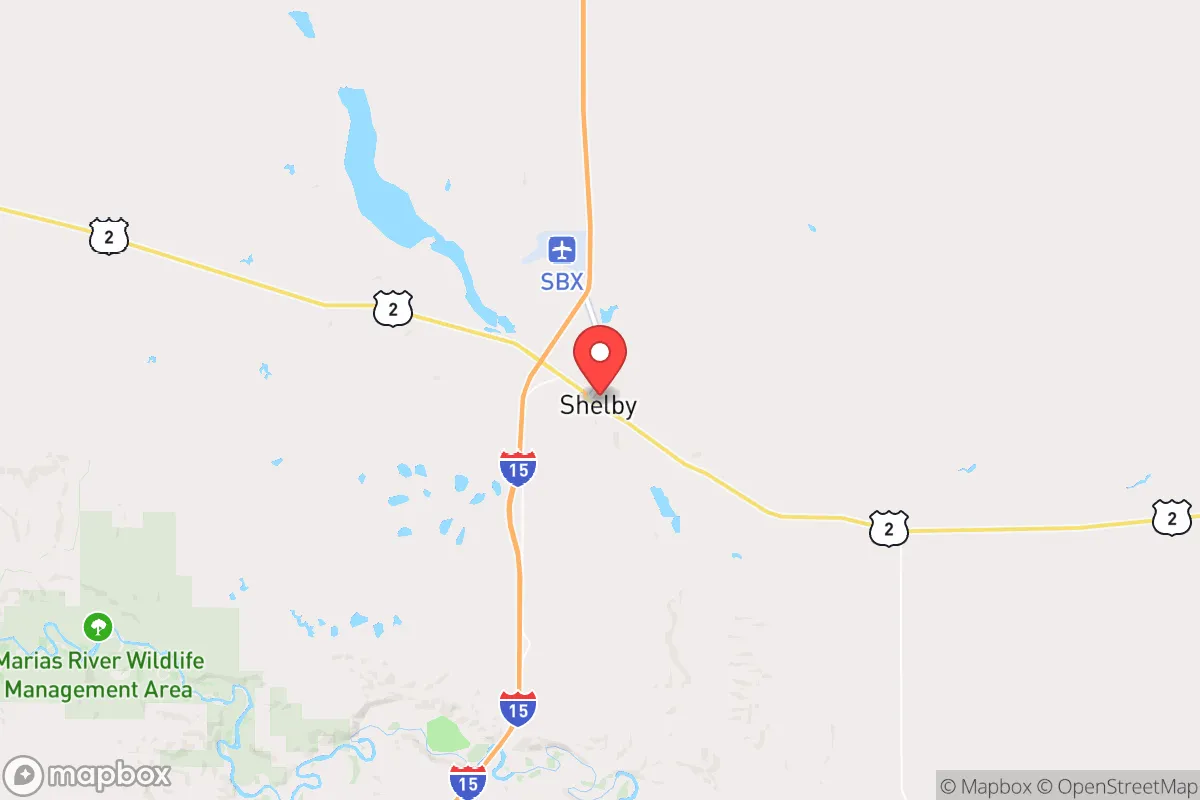
District shown is the primary district for this city’s centroid. Cities may span multiple districts.
Local Political AnalysisPolitical Analysis of Shelby, MT
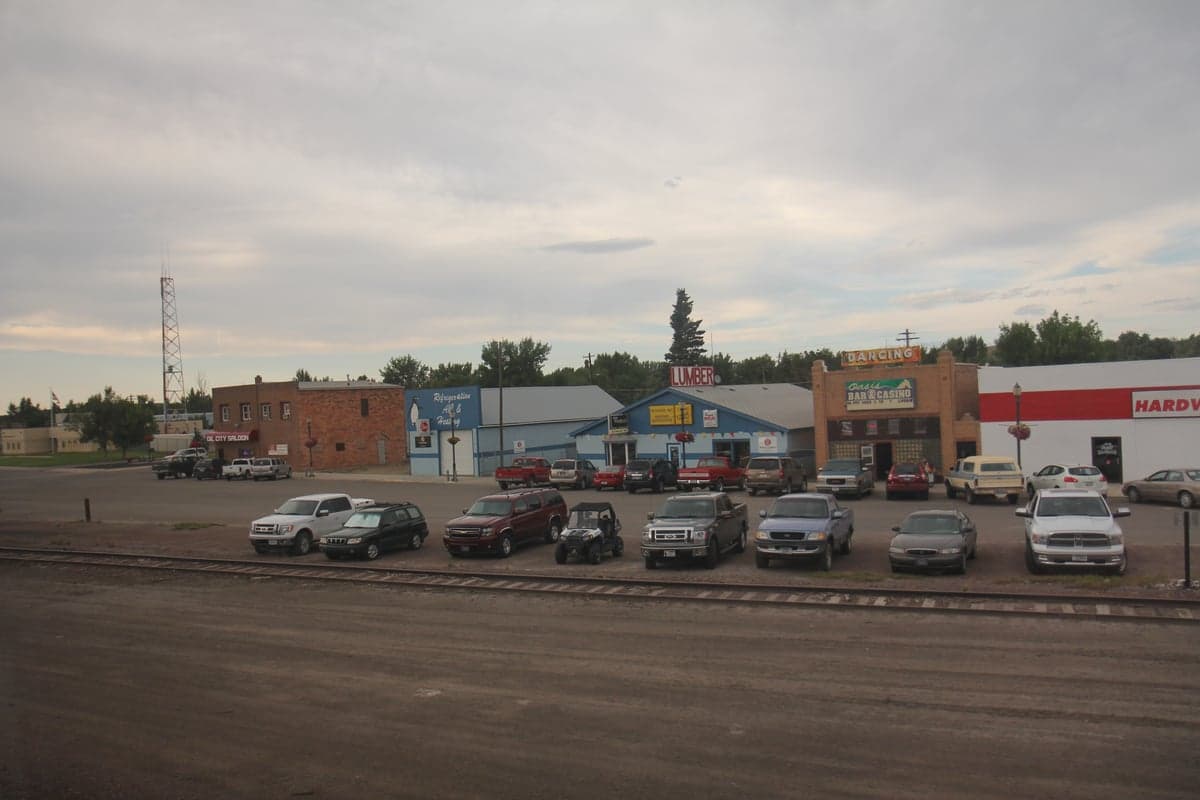
Shelby, Montana, is about as reliably conservative as it gets, and that’s not changing anytime soon. The Cook PVI of R+15 tells you the basics, but the real story is that this area has been a Republican stronghold for generations, and the political culture here is deeply rooted in self-reliance, limited government, and a healthy skepticism of federal overreach. You don’t see the kind of political hand-wringing you get in Bozeman or Missoula; folks here vote their conscience, and that conscience usually says “leave us alone.” The trajectory is steady, with no real signs of a shift, though you do see a few younger families moving in from out of state, and that’s something to keep an eye on.
How it compares
Drive an hour south to Great Falls, and you’ll find a more mixed political landscape—still conservative overall, but with a noticeable union and working-class Democratic streak that’s faded in Shelby. Head west to Kalispell or Whitefish, and you’re in a different world entirely, where out-of-state money and tourism have brought a more progressive, environmentally-focused crowd. Shelby, by contrast, feels like a time capsule of traditional Montana values. The surrounding Toole County votes even redder than the city itself, and you won’t find any city council debates about defunding the police or bike lanes. The contrast is stark: while places like Bozeman are wrestling with growth and left-leaning newcomers, Shelby’s biggest political fights are about water rights, property taxes, and keeping the state government from meddling in local affairs.
What this means for residents
For the people who live here, the political climate means a lot of personal freedom and very little government intrusion. You can own your guns without apology, you’re not going to get a lecture about your carbon footprint, and your kids aren’t coming home with school assignments about critical race theory. Property taxes are relatively low, and there’s no city income tax. The downside? If you’re hoping for big government programs or rapid infrastructure improvements, you’ll be disappointed. The local government runs lean, and that’s by design. Most folks prefer it that way—they’d rather fix their own fence than wait for a grant. But it also means that if you need social services or public transit, you’re largely on your own. That’s the trade-off, and it’s one that most residents here are happy to make.
Culturally, Shelby is a place where the old Montana ways still hold strong. The annual rodeo and the oil and gas industry are the backbone of the local economy, and that shapes the political conversation. You won’t find many electric vehicle charging stations or organic co-ops. What you will find is a community that values hard work, neighborly help, and a deep distrust of politicians who promise to fix everything from Washington, D.C. The biggest concern among long-time residents is that the progressive wave washing over other parts of the state might eventually reach here, bringing with it zoning restrictions, environmental regulations, and a loss of the independent way of life that makes Shelby worth living in. For now, though, it’s still a place where you can live your life the way you see fit, and that’s exactly how most folks want it to stay.

State Political ClimatePolitical Climate in Montana
State Political AnalysisPolitical Environment in the State
Montana has long been a reliably Republican state, but it’s not the monolithic red you might expect from its Western image. The state’s partisan lean is solidly conservative at the state level, with Republicans holding the governorship, both U.S. Senate seats, and a supermajority in the state legislature. However, the last 15 years have seen a noticeable shift: the western mountain counties, once more libertarian-leaning, have been trending left, while the eastern plains and smaller towns have hardened their conservative stance. The overall trajectory is a state that’s becoming more polarized, with the fast-growing areas around Bozeman and Missoula pulling one way and the rest of the state pulling the other.
Urban vs. rural divide
The political map of Montana is a study in contrasts. The state’s two largest cities, Billings and Missoula, sit on opposite ends of the spectrum. Billings, the largest city, is a conservative stronghold in Yellowstone County, which voted for Trump by a comfortable margin in 2024. Missoula, home to the University of Montana, is the state’s most progressive hub, consistently voting Democratic by double digits. The real action is in the fast-growing “island” counties: Gallatin County (Bozeman) and Lewis and Clark County (Helena). Gallatin was once a swing county but has shifted left in recent cycles due to an influx of out-of-state tech workers and remote professionals. In 2024, it voted for the Democratic presidential candidate for the first time in decades. Meanwhile, rural counties like McCone, Garfield, and Petroleum in the east routinely deliver 80-90% of their votes to Republicans. The divide isn’t just about population density—it’s about culture. The eastern plains are ranching and oil country, while the western valleys are increasingly filled with Californians and Colorado transplants who bring their politics with them.
Policy environment
Montana’s policy environment is a mixed bag for conservatives. On the plus side, there is no state sales tax, and the income tax was flattened to a single rate of 5.9% under Governor Greg Gianforte. Property taxes are relatively low compared to the national average, though they’ve been creeping up as home values skyrocket. The state’s regulatory posture is generally business-friendly, with no statewide zoning and minimal environmental red tape outside of federal lands. Education policy is a bright spot: Montana has a robust school choice program, including charter schools and a tax-credit scholarship program for private school tuition. The state also passed a constitutional carry law in 2021, allowing permitless concealed carry. However, there are concerns. The state’s election laws are relatively loose—same-day voter registration is still allowed, and there’s no voter ID requirement beyond a signature match. This has led to some grumbling among conservatives about election integrity, though no major scandals have surfaced. Healthcare is a mixed bag: the state expanded Medicaid under the Affordable Care Act, which some conservatives view as a government overreach, but it’s popular in rural areas where hospitals depend on the coverage.
Trajectory & freedom
Montana is in a tug-of-war between expanding and contracting personal freedom. On the positive side, the 2021 and 2023 legislative sessions were among the most pro-liberty in the country. The state passed HB 102, which prohibits vaccine mandates by private employers, and SB 215, which bans mask mandates in schools and public buildings. Gun rights were strengthened with the permitless carry law and a law prohibiting local governments from enforcing federal gun regulations that conflict with state law. Parental rights were bolstered by HB 361, which requires schools to notify parents of any curriculum involving sexuality or gender identity. However, there are worrying trends. The influx of new residents from blue states is slowly shifting the political calculus in the western counties. Local governments in Missoula and Bozeman have passed ordinances that restrict short-term rentals and impose “growth policies” that some see as creeping land-use control. The state also saw a controversial land use bill in 2023 that preempted local zoning in an attempt to increase housing supply—a move that libertarians cheered but local control advocates hated. The net trajectory is that Montana is still one of the freest states in the union, but the margin is shrinking as the population grows and diversifies.
Civil unrest & political movements
Montana is not a hotbed of civil unrest, but there have been notable flashpoints. The most visible in recent years was the Standoff at the Montana State Capitol in 2021, where armed protesters demonstrated against COVID-19 mandates. The state also saw a significant anti-lockdown movement in 2020, with many rural counties declaring themselves “Second Amendment sanctuaries” and refusing to enforce public health orders. On the left, there have been organized protests in Missoula and Bozeman over racial justice and climate issues, but they’ve been small compared to larger states. Immigration politics are relatively quiet, as Montana has a very small foreign-born population. However, there is growing tension around the sanctuary city debate: Missoula passed a resolution in 2023 declaring itself a “welcoming city,” which conservatives saw as a step toward sanctuary status. The state legislature responded with HB 303, which prohibits any local government from adopting sanctuary policies. Election integrity has been a simmering issue, with some rural counties calling for hand-counting ballots, though the state has resisted major changes. Overall, the political movements are more about culture war than street-level unrest, but the rhetoric is heating up.
Projection
Looking five to ten years out, Montana is at a crossroads. The demographic trends are clear: the state is growing by about 1-2% annually, driven almost entirely by in-migration from California, Washington, and Colorado. These new residents tend to be wealthier, more educated, and more liberal than the native population. If current trends hold, Gallatin County will become solidly Democratic, and Missoula County will become even more so. The rural eastern counties will remain deep red, but they’re losing population. The key battleground will be the suburban and exurban areas around Billings, Great Falls, and the Flathead Valley. Flathead County (Kalispell) is currently a conservative stronghold, but it’s growing fast and could become a swing county within a decade. The state legislature will likely remain Republican for the foreseeable future, but the margins will narrow. The biggest wildcard is the housing crisis: if the state can’t build enough housing to accommodate growth, the political backlash could push the state further right as natives resent the changes. For a conservative moving in now, expect to find a state that still values freedom but is increasingly contested. The days of Montana being a sleepy red state are over; it’s now a battleground for the soul of the West.
For a new resident, the bottom line is this: Montana offers a high degree of personal freedom, low taxes, and a culture that still values self-reliance. But the political winds are shifting, especially in the western valleys. If you’re moving here for the conservative policies, you’ll want to settle in the eastern half of the state or the Flathead Valley, where the politics are more stable. Avoid Missoula and Bozeman if you want to avoid the culture wars. And keep an eye on the state legislature—every session brings new battles over parental rights, gun laws, and local control. Montana is still a great place for a conservative family, but it’s no longer a sure thing. The fight for freedom here is ongoing, and your vote will matter more than ever.
* Values derived from national, state, county, city and local statistics and may differ in a specific area. Last updated: 2026-04-20T08:57:05.000Z
Narrative content on this page is AI-generated and may contain mistakes. Verify any details that matter before acting on them.
ReloMaps may earn a commission from affiliate links at no extra cost to you.

