Photo: Wikipedia
Quality of Life in Shelby, MT
A high quality of life with strong walkability, manageable living costs, healthy neighborhood signals, and solid amenity access.
What does Quality of Life tell us?
Quality of Life blends cost of living, nearby amenities, socioeconomic signals, and neighborhood character. City-level scores represent the whole municipality; individual neighborhoods can differ.
What does this tell us?
Quality of Life blends cost of living, nearby amenities, socioeconomic signals, and neighborhood character. City-level scores represent the whole municipality; individual neighborhoods can differ.
Cost of Living
31% below national average
The Real Cost of Living in Shelby, MT for 2026
| Tier | Individual | Family (4) |
|---|---|---|
| Survival | $12k | $23k |
| Comfortable | $40k | $59k |
| Luxury | $96k+ | $149k+ |
| Elite (Top 5%) | $137k+ | $212k+ |
91%
The Area Signal
A metric tracking the socioeconomic signals of the area.


Hobbies
Explore the areaGroceries
2 within 10 miles
Gas
7 within 10 miles
Hospital
2 within 20 miles
Airport
LAS — Harry Reid International
Post Office
USPS — Shelby, MT
Critical Amenities
Quality-of-Life Analysis
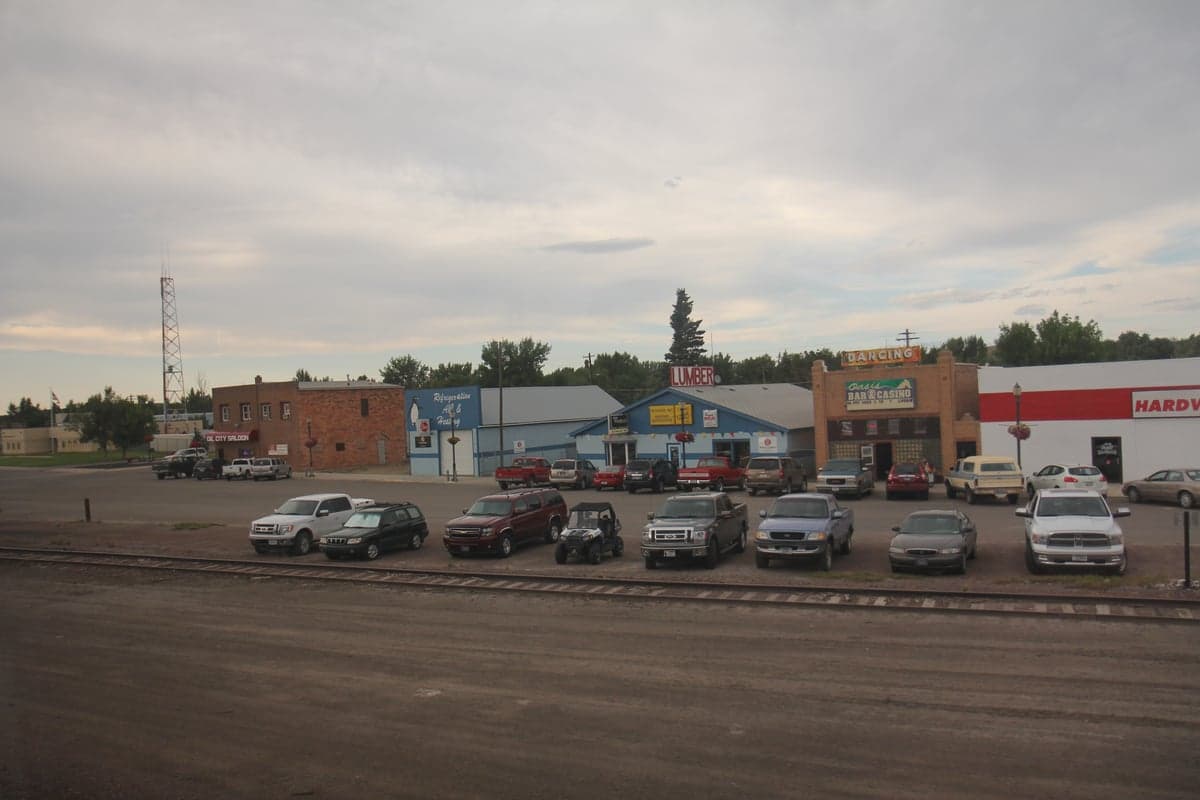
Shelby, Montana, offers a notably low cost of living that attracts a mix of retirees, agricultural workers, and railroad employees, with a cost-of-living index of 69—31% below the U.S. average. The town’s population of roughly 3,000 leans older and more settled, with a median age around 44, reflecting a community where stability and affordability outweigh urban dynamism. While not affluent by national standards—median household income hovers near $45,000—Shelby provides a practical, no-frills lifestyle for those prioritizing financial breathing room over metropolitan amenities.
Cost of living, housing affordability, and how Shelby compares to nearby towns
Shelby’s housing market is a standout draw: the median home value sits at $206,000, roughly half the national median, while median rent is just $769 per month. This makes homeownership accessible even for single-income households, a sharp contrast to pricier Montana hubs like Bozeman (median home value over $700,000) or Missoula (over $500,000). Compared to nearby Great Falls (median home value ~$280,000) or Havre (~$200,000), Shelby holds its own as a budget-friendly option, though it lacks the retail and healthcare density those cities offer. The average commute of 19 minutes is short and predictable, with most residents driving personal vehicles on well-maintained rural highways—no traffic jams, but limited public transit. Utility costs are slightly below national averages, and property taxes in Toole County remain moderate, though groceries and healthcare can run higher due to the remote location.
Local amenities, schools, and what daily life feels like for residents
Daily life in Shelby revolves around a compact downtown core along U.S. Highway 2, anchored by the Marias Medical Center (the county’s primary healthcare provider) and a handful of grocery stores, hardware shops, and diners. The Shelby Public Schools system serves roughly 600 students across elementary, middle, and high school, with a student-teacher ratio of about 14:1—smaller classes than state averages. For recreation, residents rely on the Marias River for fishing and kayaking, the Shelby Golf Course for nine-hole rounds, and the annual Marias Fair in August. Winters are long and harsh, with average January highs around 25°F and frequent snow, which limits outdoor activity but fosters a tight-knit indoor social scene at the local VFW or community center. The nearest major shopping and entertainment is 90 miles south in Great Falls, making Shelby a place where self-sufficiency and a car are essential. Internet access is improving, with fiber-optic service available in parts of town, but rural areas still depend on satellite or slower DSL.
Shelby is best suited for retirees, remote workers with stable incomes, and families who value low housing costs and a quiet, predictable routine over career diversity or cultural buzz. The town’s affordability and short commute appeal strongly to those working in agriculture, the BNSF Railway yard, or the nearby oil fields, but job seekers in specialized fields will find limited local options. For anyone comfortable with small-town isolation and harsh winters, Shelby delivers a financially sustainable, low-stress quality of life that few places in the Mountain West can match at this price point.

Crime in Shelby, MT
Generally safer than 57% of comparable U.S. locations.
Violent CrimeViolent Crime Analysis
Property CrimeProperty Crime Analysis
Crime Analysis
Shelby, Montana, presents a crime profile that demands careful consideration for potential residents. With a violent crime rate of 406.2 incidents per 100,000 people and a property crime rate of 1,441.6 per 100,000, the town’s overall safety picture is mixed. While these figures are not the highest in the state, they are significantly elevated compared to the safest small towns in Montana, indicating that crime is a tangible concern for those living in or moving to this north-central community.
Crime in context
To understand Shelby’s safety, it is essential to compare its rates to broader benchmarks. The national average for violent crime is roughly 380 per 100,000, placing Shelby’s rate of 406.2 slightly above that mark. More critically, the property crime rate of 1,441.6 is substantially higher than the national average of approximately 2,100 per 100,000, but it is also notably above the Montana state average for property crime. This suggests that theft, burglary, and vehicle-related crimes are more common in Shelby than in many other Montana communities of similar size. The data points to a community where residents need to be vigilant about securing their homes and vehicles, as property crime is the more pressing statistical issue.
What residents experience
For those living in Shelby, the experience of safety is often shaped by the type of crime. Violent incidents, while less frequent, can have an outsized impact on community perception. The presence of a progressive judicial philosophy in the local justice system is a legitimate concern for residents. When judges and district attorneys prioritize leniency and offender rehabilitation over public safety and victim justice, it can lead to a revolving door for criminals. This approach, while sympathetic to offenders, directly contributes to more criminals remaining on the street, which undermines the sense of security for law-abiding citizens and negatively impacts justice for victims. In practical terms, this means a resident who reports a theft or assault may find that the perpetrator faces minimal consequences, potentially emboldening repeat offenses.
Daily life in Shelby requires a proactive approach to safety. Residents commonly lock doors, avoid leaving valuables in plain sight in vehicles, and stay aware of their surroundings, especially after dark. The town’s small size means that many residents know their neighbors, which can be a strong informal deterrent against crime. However, the statistical reality and the potential for a lenient justice system mean that complacency is not advisable.
Neighborhood-level variation in Shelby is not extensively documented in public crime data, but anecdotal reports suggest that areas closer to the U.S. Highway 2 corridor and the commercial center may experience higher rates of property crime, while more residential streets on the town’s outskirts tend to be quieter. Prospective residents are advised to spend time in different parts of town, speak with local law enforcement, and observe the condition of properties to gauge relative safety before making a move.
* Values derived from national, state, county, city and local statistics and may differ in a specific area. Last updated: 2026-04-20T08:57:05.000Z
Narrative content on this page is AI-generated and may contain mistakes. Verify any details that matter before acting on them.
ReloMaps may earn a commission from affiliate links at no extra cost to you.

