 Popular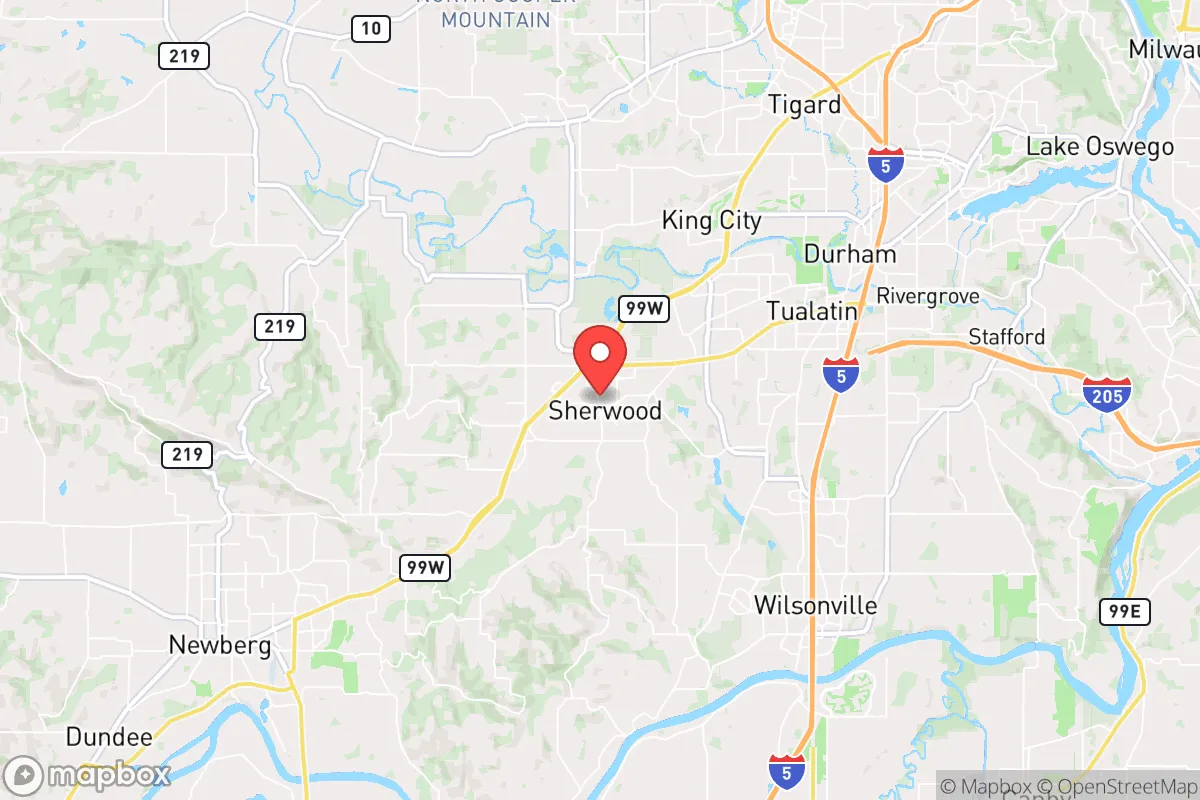
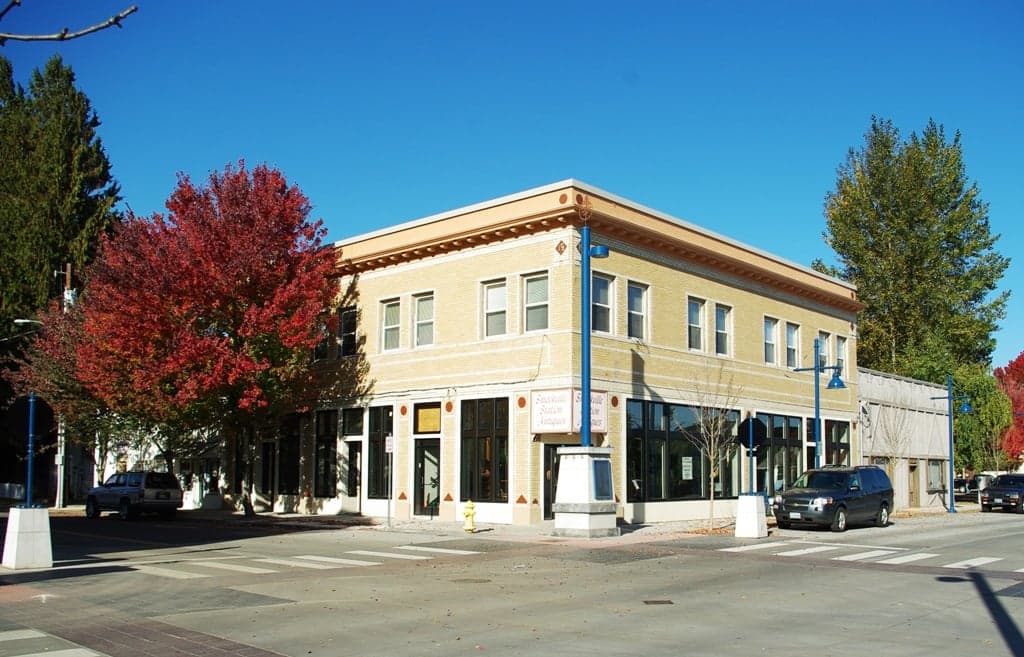
Photo: Wikipedia
Political ClimatePolitical Climate in Sherwood, OR
District shown is the primary district for this city’s centroid. Cities may span multiple districts.
Local Political AnalysisPolitical Analysis of Sherwood, OR
Sherwood, Oregon, sits in a bit of a political bubble compared to the rest of the state. While the surrounding Portland metro area and the state as a whole lean heavily Democratic—with a Cook PVI of D+8—Sherwood itself is a D+6 district, which in Oregon practically counts as a purple or even light-red enclave. For a long time, this was a place where folks minded their own business, kept their guns, and didn't appreciate the government telling them how to run their schools or their lives. But I've watched that shift over the last decade, and the progressive tide from Portland and the state capitol is definitely lapping at our doorstep.
How it compares
The difference between Sherwood and the state at large is stark when you drive just a few miles. Head north into Tigard or east into Tualatin, and you'll see more "In This House We Believe" signs and fewer "Don't Tread on Me" flags. The state's D+8 rating reflects the overwhelming influence of Portland, Eugene, and the Willamette Valley corridor, where progressive policies on land use, taxes, and public health are the norm. Sherwood, by contrast, has historically been a bedroom community for folks who work in the tech or trades in Hillsboro and Beaverton but wanted a quieter, more traditional lifestyle. We've managed to keep a lot of that character, but the pressure is real. The state legislature keeps pushing down mandates—on everything from gas stoves to school curriculum—that feel like they were written for downtown Portland, not for a town of 20,000 where people still wave to each other at the grocery store.
What this means for residents
For those of us who value personal freedom and local control, the trend is concerning. The state's one-size-fits-all approach means Sherwood often gets dragged into policies we didn't vote for. The biggest red flag is the erosion of property rights and Second Amendment protections, which are under constant assault from Salem. We've also seen a push for higher density housing and transit-oriented development that threatens the semi-rural feel that drew many of us here. On the ground, it means you have to be more vigilant about local elections and city council races, because that's where the real fights happen. School board meetings have become battlegrounds over parental rights and curriculum transparency, something that was unthinkable a generation ago. If you're moving here from a more conservative state, you'll find Sherwood is a relative oasis, but don't expect it to stay that way without active involvement.
Looking ahead, the long-term trajectory is the real worry. As Portland's cost of living pushes more people south and west, Sherwood is absorbing a wave of new residents who bring big-city voting habits. The 2024 election saw a noticeable uptick in progressive activism in the area, and the city's comprehensive plan is being rewritten with a heavy emphasis on "equity" and "sustainability"—code words that often mean more government control and less individual choice. For now, Sherwood still feels like a place where you can raise a family without constant political noise, but the foundation is shaking. If you're considering a move here, understand that you're buying into a community that's fighting to hold the line against a state government that seems determined to micromanage every aspect of daily life. It's still worth it for the schools and the community feel, but keep your eyes open and your voting record clean.

State Political ClimatePolitical Climate in Oregon
State Political AnalysisPolitical Environment in the State
Oregon is a state of stark political contrasts, with a solid D+8 Cook PVI that masks a deep and growing urban-rural divide. The Portland metro area, home to nearly half the state’s population, drives the state’s leftward tilt, while vast stretches of eastern and southern Oregon vote reliably Republican. Over the past 20 years, the state has shifted from a moderate, swing-state reputation to a reliably blue stronghold on the West Coast, driven by rapid in-migration to Portland and the Willamette Valley, coupled with a steady exodus of conservatives from those same areas.
Urban vs. rural divide
The political map of Oregon is essentially two states. The Portland tri-county area (Multnomah, Washington, Clackamas) accounts for roughly 45% of the vote and is overwhelmingly Democratic. Multnomah County alone delivered a 40-point margin for Biden in 2020. The I-5 corridor south through Salem and Eugene reinforces this pattern—Lane County (Eugene) is another deep-blue stronghold. In contrast, the rest of the state is solidly red. Eastern Oregon counties like Malheur, Harney, and Lake routinely vote 70-80% Republican. The Rogue Valley, anchored by Medford and Ashland, is a microcosm of the state: Ashland is a liberal college town, while the surrounding Jackson County is reliably conservative. A notable recent shift: Deschutes County (Bend) flipped from red to blue in the 2010s as California transplants poured in, making it a bellwether for the state’s demographic transformation. The rural-urban divide is so pronounced that five Oregon counties have passed resolutions supporting the "Greater Idaho" movement, seeking to secede and join the more conservative state.
Policy environment
Oregon’s policy environment is a textbook case of progressive governance with significant consequences for personal freedom. The state has no sales tax, but income taxes are among the highest in the nation—top marginal rate hits 9.9%, and property taxes are moderate but rising. The regulatory posture is heavy: Oregon has some of the strictest land-use laws in the country, a statewide urban growth boundary that drives up housing costs, and a recent push to eliminate single-family zoning statewide. Education policy is dominated by the teachers’ unions, with Portland Public Schools spending over $20,000 per student yet producing mediocre outcomes. Healthcare is heavily regulated, with a state-run insurance exchange and a Medicaid expansion that covers nearly 30% of residents. Election laws are among the most progressive: Oregon was the first state to vote entirely by mail (1998), and automatic voter registration is the norm. The state also has a "motor voter" law that registers anyone getting a driver’s license, regardless of citizenship status—a point of ongoing controversy.
Trajectory & freedom
Oregon’s trajectory over the past decade has been a clear erosion of personal freedoms, especially for conservatives. The most glaring example is Measure 114, passed in 2022, which bans magazines over 10 rounds and requires a permit to purchase a firearm—a law currently tied up in court but emblematic of the state’s direction. Parental rights have been under assault: in 2023, the legislature passed a law allowing minors as young as 15 to access gender-affirming care without parental consent, overriding a previous requirement. Medical autonomy took a hit with the state’s strict COVID-19 mandates, which were among the longest-lasting in the nation. Property rights are constrained by the aforementioned land-use laws and a recent push for rent control statewide. On the positive side for liberty, Oregon decriminalized all drugs in 2020 (Measure 110), but the disastrous results—overdose deaths spiking 40%—led to a partial rollback in 2024. The state also legalized assisted suicide in 1994, a rare area where Oregon leads in personal choice. Overall, the trend is toward more government control, not less.
Civil unrest & political movements
Oregon has a long history of civil unrest, most famously the 2020 Portland protests that lasted for months, with the federal government deploying DHS agents to quell the violence. The city became a national flashpoint for the Black Lives Matter movement and antifa activity. On the right, the "Greater Idaho" movement has gained traction, with 11 of 15 eastern Oregon counties voting to explore secession. The movement is a direct response to the feeling that Portland’s policies are being forced on the rest of the state. Immigration politics are tense: Oregon is a sanctuary state, and Portland has repeatedly refused to cooperate with ICE. Election integrity is a major concern for conservatives, given the state’s all-mail voting system and the 2020 debacle where a ballot drop box was set on fire. The state also saw the 2016 Malheur National Wildlife Refuge occupation, a standoff that highlighted the deep distrust of federal land management in rural areas. A new resident in Portland would notice visible homelessness and open drug use, while in rural Oregon, the flashpoints are more about land use and federal overreach.
Projection
Over the next 5-10 years, Oregon is likely to become even more polarized. The Portland metro area will continue to grow, driven by tech and remote workers from California, further entrenching the Democratic majority. The state legislature will likely pass more progressive policies: a carbon tax, stricter gun laws, and expanded rent control are all on the table. The rural exodus will accelerate, with more counties joining the "Greater Idaho" movement—though actual secession is legally impossible without federal approval. The biggest wildcard is housing: if the state can’t solve its affordability crisis, the in-migration that fuels the blue shift could slow. For a conservative moving in now, expect to find a state where your vote in statewide elections is effectively meaningless, but where local control in rural counties still offers some refuge. The cultural and legal environment will continue to feel hostile to traditional values, especially on issues of parental rights and religious freedom.
For a new resident, the bottom line is this: Oregon offers stunning natural beauty and a laid-back lifestyle, but the political climate is increasingly hostile to conservative values. If you’re moving here, choose your county carefully—rural areas like Baker, Union, or Grant counties offer a more traditional way of life, while the Willamette Valley will feel like a different country. Be prepared for high taxes, heavy regulation, and a state government that is actively working to limit your freedoms in the name of progressive ideals. It’s a beautiful place to live, but you’ll need to fight to keep your liberty.
* Values derived from national, state, county, city and local statistics and may differ in a specific area. Last updated: 2026-05-29T11:01:14.000Z
Narrative content on this page is AI-generated and may contain mistakes. Verify any details that matter before acting on them.
ReloMaps may earn a commission from affiliate links at no extra cost to you.

