Photo: Wikipedia
Find The Best Places To Live
in Tigard
PRO TIP! You can paste a Zillow or Redfin link to get info on that property.
What It's Like Living in Tigard, OR
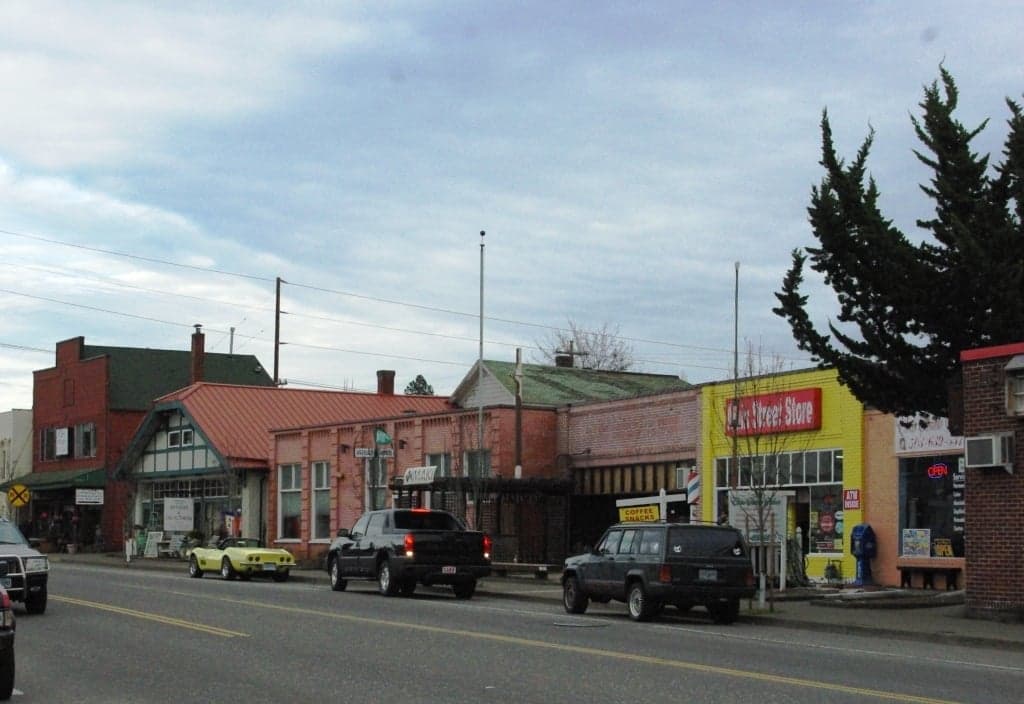
Tigard, Oregon, often gets described as Portland’s quieter, more practical cousin—a place where you can still find a decent parking spot and a backyard that doesn’t require a mortgage broker on speed dial. It’s a suburban hub that feels less like a bedroom community and more like a self-contained town, with its own rhythms, loyalties, and a distinctly unpretentious vibe. For the conservative-leaning single or parent looking to escape the urban chaos without moving to a rural outpost, Tigard offers a middle ground that’s both functional and surprisingly livable.
Daily Rhythm: What People Actually Do Here
A typical weekday in Tigard revolves around the commute—and it’s a manageable one. The average commute clocks in at about 23 minutes, which is noticeably shorter than Portland’s slog. Most residents work in tech, healthcare, or manufacturing, with major employers like Lam Research and Providence Health & Services anchoring the local job market. After work, you’ll find folks at Washington Square Mall (still one of the region’s busiest shopping centers) or grabbing a beer at McMenamins’ John Barleycorns, a converted schoolhouse pub that feels like a neighborhood living room. Weekends are for Fanno Creek Trail—a paved, tree-lined path that runs through town and connects to the broader Tualatin River Greenway—or for hitting the Tigard Farmers Market on Sundays, where the produce is local and the crowd is friendly but not performatively hip.
The kind of person who fits in here is someone who values predictability over novelty. Tigard isn’t trying to be a destination; it’s a place to raise kids, save money, and enjoy a decent meal without a reservation. The median age is 39.8, and the median household income is $105,008—solidly upper-middle-class, but not flashy. About half the population holds a bachelor’s degree or higher, so you’ll find plenty of engineers and nurses, but few trust-fund artists. It’s a town of people who work hard, mow their own lawns, and don’t mind driving 15 minutes to catch a Portland Timbers game.
Sports, Community, and the Local Identity
Sports fandom here is a layered affair. High school football at Tigard High School is a genuine community event—the Tigers have a strong 6A program, and Friday night games in the fall draw crowds that include alumni, local business owners, and families who’ve been in the district for generations. For pro sports, most residents align with Portland’s teams: the Trail Blazers (NBA), Timbers (MLS), and Thorns (NWSL). But don’t expect the same fever pitch you’d find in downtown Portland; in Tigard, game day is more about catching the highlights on a bar TV than chanting in the stands. The Portland Winterhawks (junior hockey) also have a following, and the Hillsboro Hops (minor-league baseball) are a short drive away for a cheap, family-friendly evening.
Cultural quirks? Tigard has a few. The annual Tigard Festival in August is a low-key affair with a parade, carnival rides, and a car show—nothing groundbreaking, but it’s the kind of event where you’ll run into your neighbors. There’s also a quiet pride in being “not Portland”: locals will tell you they like the lower crime rates (violent crime is 252.2 per 100,000, about half of Portland’s rate) and the fact that you can still buy a house under $600,000—the median home value is $585,700, which is steep by national standards but a bargain compared to the west side of Portland. The cost of living index sits at 172 (100 is the U.S. average), so you’ll feel the pinch on groceries and utilities, but it’s not the sticker shock of San Francisco or Seattle.
What’s There to Do: Parks, Eats, and Weekend Plans
Outdoor life is the backbone of Tigard’s entertainment. Cook Park is the crown jewel—a 70-acre green space with a lake, sports fields, and a dog park that’s always busy. Summerlake Park offers a quieter setting with a boardwalk and fishing pier. For a more rugged outing, Cooper Mountain Nature Park has trails that wind through oak savanna and offer views of the Tualatin Valley. If you’re into wine, the Willamette Valley is a 30-minute drive south, and the Chehalem Mountains AVA is dotted with tasting rooms that feel more down-to-earth than Napa.
Restaurants here lean toward the reliable rather than the trendy. Burgerville is a local fast-food chain that uses seasonal ingredients and is a guilty pleasure for many. La Provence is the go-to for brunch—think croissants and omelets in a French-bistro setting. For dinner, Ringside Steakhouse in nearby Lake Oswego is a splurge, but Decarli in Beaverton offers Italian that punches above its weight. The bar scene is modest: Thirsty Lion Pub at Washington Square is a reliable spot for a burger and a pint, and McMenamins’ John Barleycorns has a fireplace and a rotating tap list that draws a loyal local crowd.
Pros and Cons of Living Here
- Pro: Good schools and a family-friendly vibe. Tigard-Tualatin School District is well-regarded, and the community rallies around school events. It’s a place where kids can bike to the park and parents don’t worry about traffic.
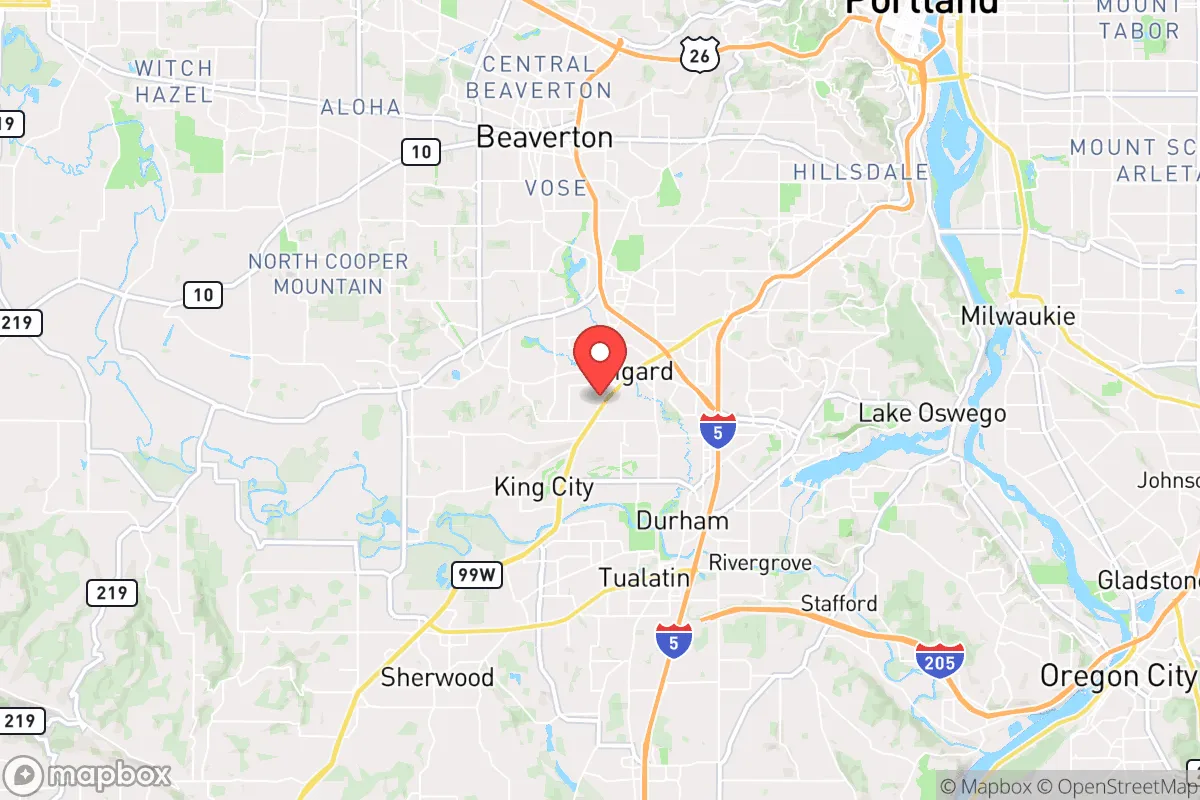
- Pro: Access to nature without isolation. You’re 20 minutes from downtown Portland, 30 minutes from the coast range, and an hour from Mount Hood. The Fanno Creek Trail alone makes it easy to get a daily dose of green.
- Con: Traffic on Highway 99W and I-5. The commute can be a grind if you’re heading into Portland during peak hours, and local roads like Pacific Highway (99W) are congested and lined with strip malls.
- Con: High cost of living for what you get. The median home value of $585,700 is a lot for a suburb without a downtown core or a major cultural scene. Rent is also steep—expect $1,800+ for a two-bedroom apartment.
- Con: Weather that tests your patience. From November to March, expect gray skies, drizzle, and short days. The seasonal affective disorder is real, and locals cope with vitamin D supplements and weekend trips to the sunnier side of the Cascades.
Longtime residents love Tigard for its balance—it’s close enough to Portland for concerts and jobs, but far enough to avoid the city’s homelessness crisis and property crime spikes. What frustrates them is the lack of a distinct identity: it’s not as affluent as Lake Oswego, not as hip as Beaverton, and not as rural as Sherwood. But for the single professional or parent who wants a safe, functional base with good schools and a 23-minute commute, Tigard delivers exactly what it promises—a place to live, not just a place to sleep.

Similar small cities to Tigard
* Values derived from national, state, county, city and local statistics and may differ in a specific area. Last updated: 2026-05-03T04:10:22.000Z
Narrative content on this page is AI-generated and may contain mistakes. Verify any details that matter before acting on them.
ReloMaps may earn a commission from affiliate links at no extra cost to you.

