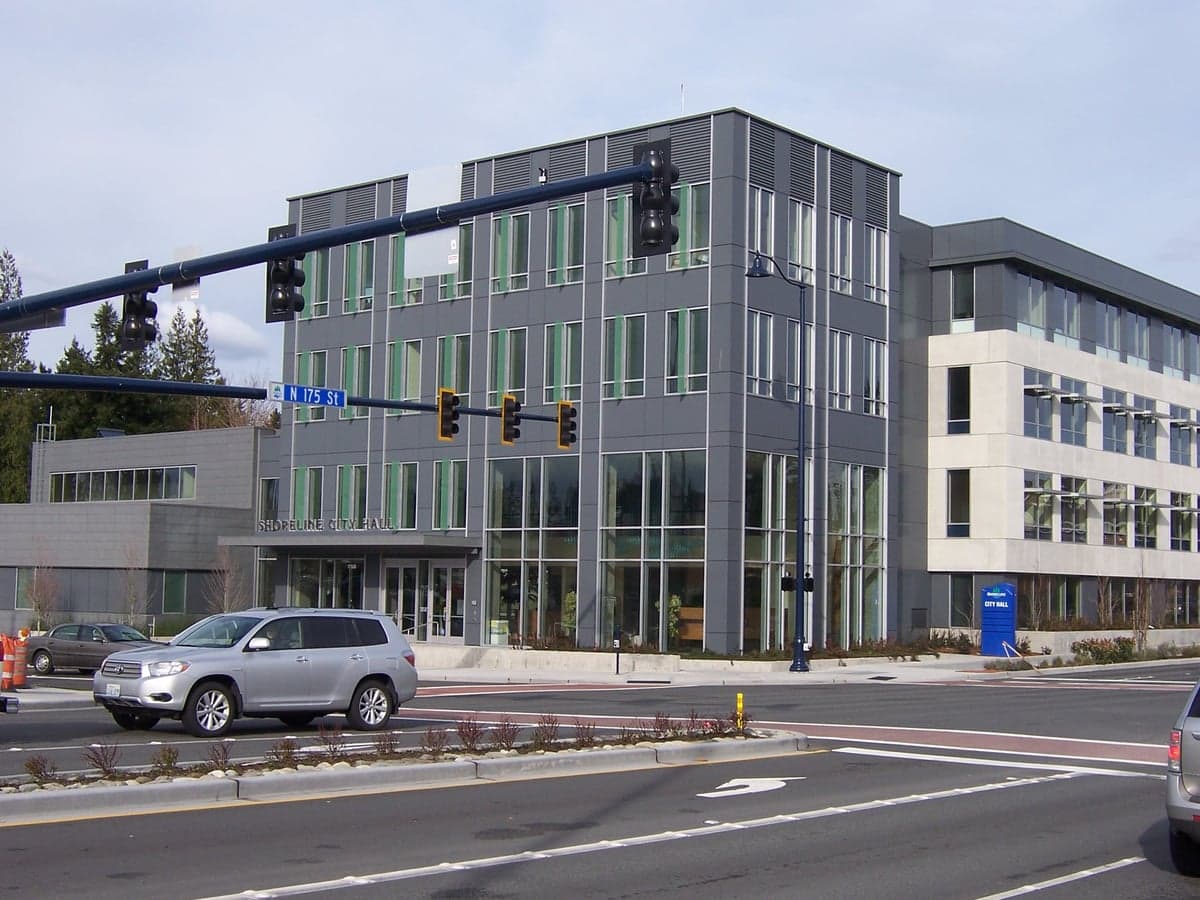
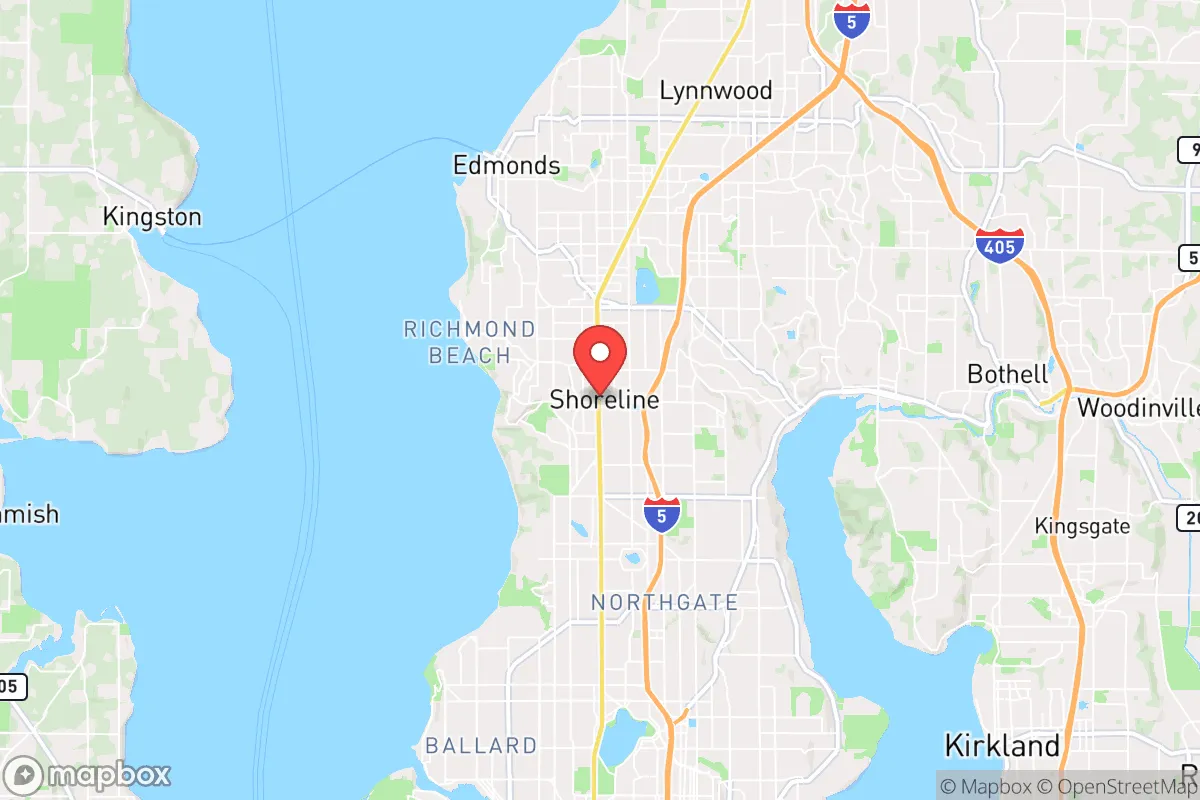
Photo: Wikipedia
Quality of Life in Shoreline, WA
A high quality of life with strong walkability, manageable living costs, healthy neighborhood signals, and solid amenity access.
What does Quality of Life tell us?
Quality of Life blends cost of living, nearby amenities, socioeconomic signals, and neighborhood character. City-level scores represent the whole municipality; individual neighborhoods can differ.
What does this tell us?
Quality of Life blends cost of living, nearby amenities, socioeconomic signals, and neighborhood character. City-level scores represent the whole municipality; individual neighborhoods can differ.
Cost of Living
108% above national average
The Real Cost of Living in Shoreline, WA for 2026
| Tier | Individual | Family (4) |
|---|---|---|
| Survival | $31k | $58k |
| Comfortable | $136k | $199k |
| Luxury | $199k+ | $308k+ |
| Elite (Top 5%) | $234k+ | $363k+ |
57%
The Area Signal
A metric tracking the socioeconomic signals of the area.
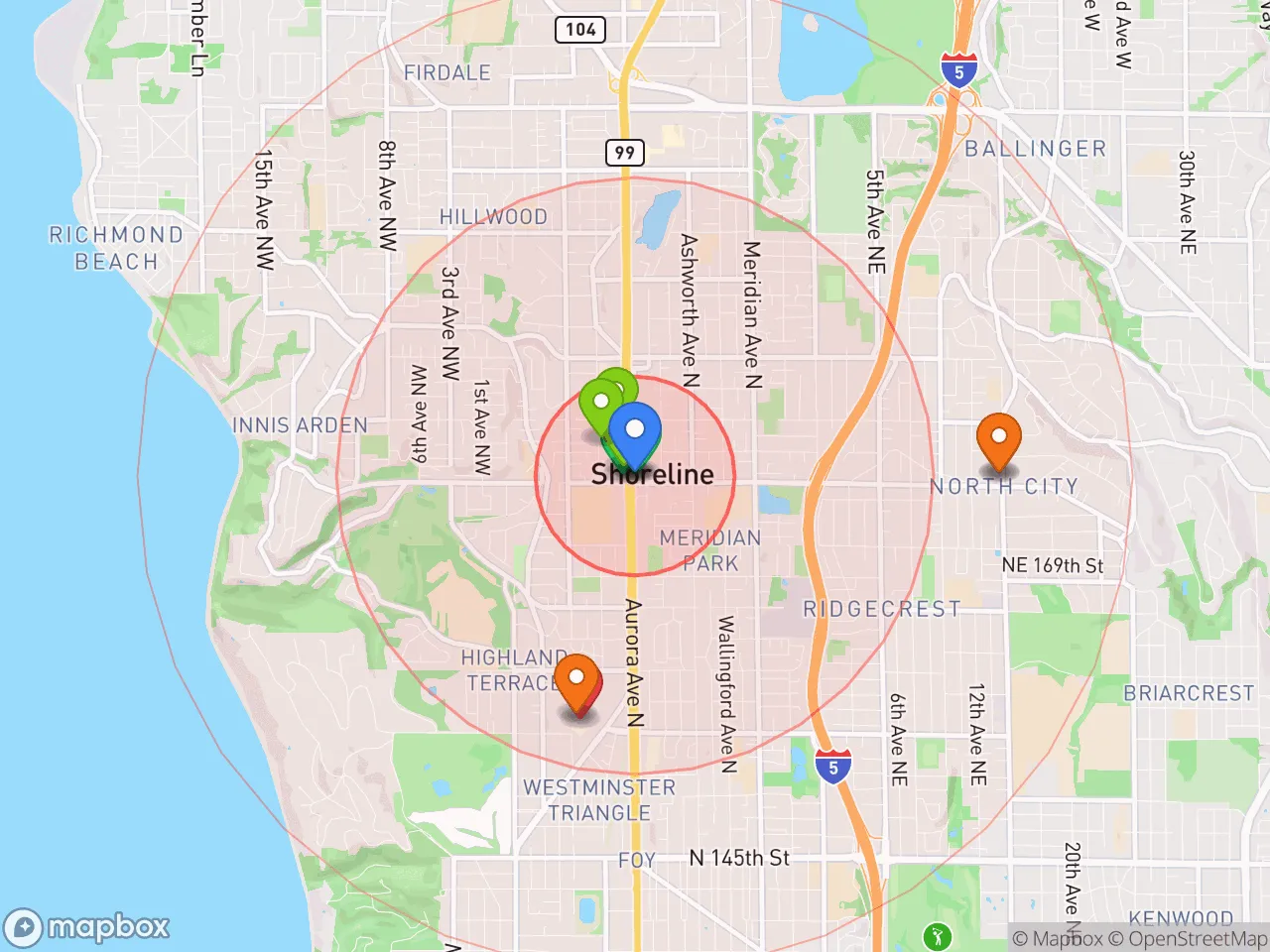
Hobbies
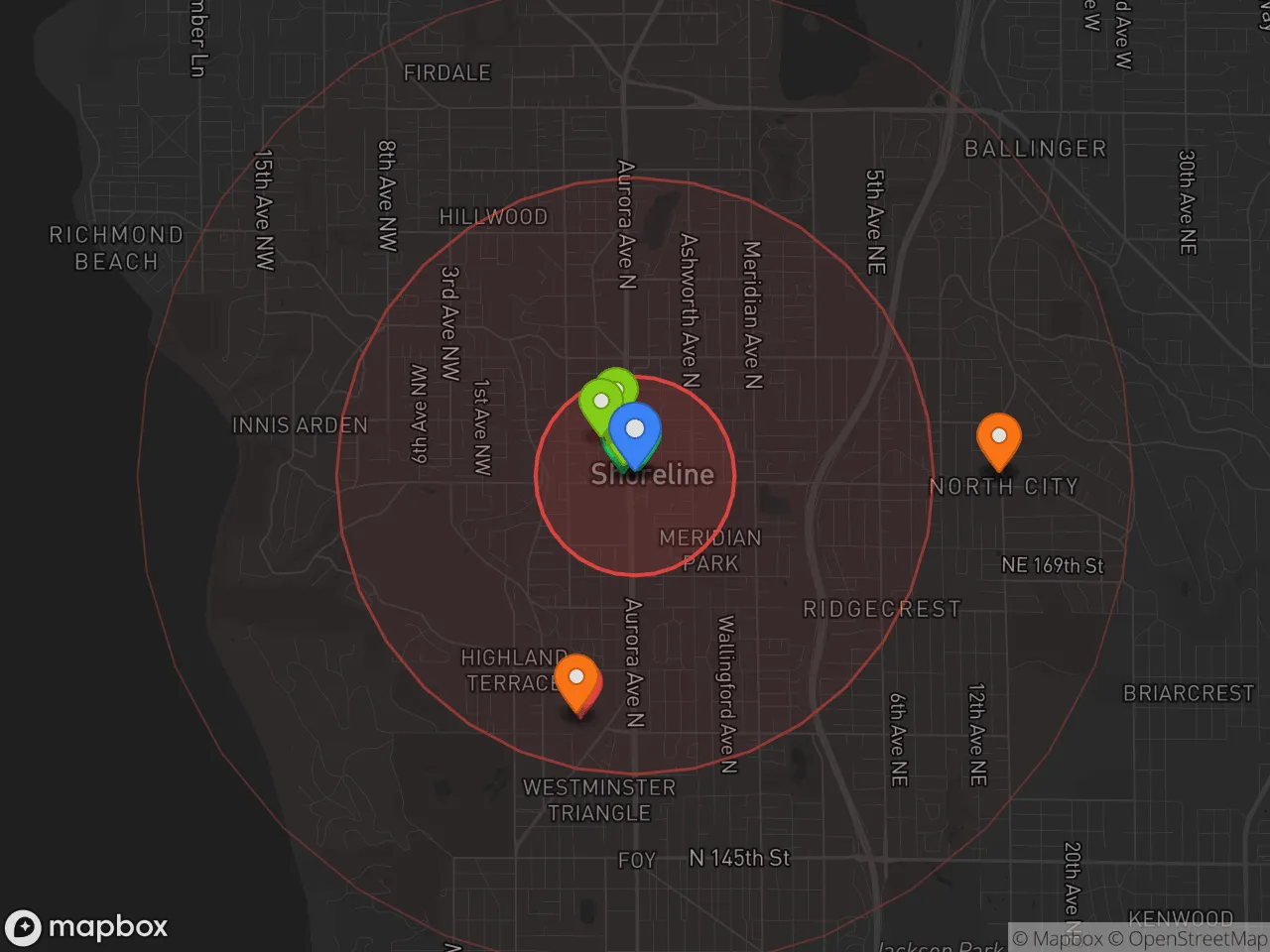
Explore the areaGroceries
7 within 10 miles
Gas
20 within 10 miles
Hospital
20 within 20 miles
Airport
SEA — Seattle–Tacoma International
Post Office
USPS — Shoreline, WA
Critical Amenities
Quality-of-Life Analysis
Shoreline, Washington, is an upper-middle-class suburb of Seattle where the cost of living index sits at 208—more than double the national average—reflecting an affluent population of professionals, families, and long-time residents drawn by its quiet residential character and proximity to urban jobs. The city’s median home value of $759,400 and median rent of $1,938 place it squarely in the expensive tier of King County, yet it remains notably more affordable than Seattle proper or nearby Bellevue. This balance attracts a mix of tech workers commuting to Seattle and Redmond, educators, healthcare professionals, and retirees who value green space, good schools, and a slower pace than the city core.
Cost of living, housing costs, and how Shoreline compares to Seattle and Edmonds
Shoreline’s cost of living index of 208 is driven primarily by housing, with the median home value of $759,400 roughly 15% lower than Seattle’s median and about 10% higher than neighboring Edmonds. Renters face a median monthly rent of $1,938, which is significantly below Seattle’s average of $2,200+ but still 40% above the national median. For buyers, the market is competitive but less frenzied than in Seattle: homes in Shoreline typically sell within 30–45 days, compared to under two weeks in many Seattle neighborhoods. Property taxes in Shoreline run about 0.9% of assessed value, slightly lower than Seattle’s 1.0%, and the city lacks a local income tax (Washington has no state income tax). The trade-off for lower housing costs is a longer average commute of 27.7 minutes—about 8 minutes longer than Seattle’s citywide average—as most residents drive or take the Sound Transit bus to jobs in downtown Seattle or the Eastside tech hubs.
Parks, schools, and what daily life feels like for families and commuters
Daily life in Shoreline revolves around its extensive park system—over 400 acres of green space including the 84-acre Shoreview Park and the popular Boeing Creek Park—and its highly rated public schools, which consistently rank in the top 20% of Washington districts. The Shoreline School District serves about 9,500 students and includes Shorewood and Shorecrest high schools, both known for strong Advanced Placement programs and competitive sports. The city’s commercial spine is Aurora Avenue (State Route 99), lined with big-box stores, chain restaurants, and auto shops, while the more walkable Richmond Beach neighborhood offers a small-town main street with coffee shops, a library, and a farmers market. Commuters rely heavily on the Sound Transit 301 and 331 buses for a 35-minute ride to downtown Seattle, or drive to the Northgate light rail station (opened 2021) for a 20-minute train trip. The city’s crime rate is 30% below the national average, with property crime the most common issue, and violent crime rare—a key draw for families seeking a safe, suburban environment with urban access.
Shoreline is best suited for professionals and families who want a quieter, more affordable alternative to Seattle without sacrificing access to the region’s job market and cultural amenities. The city works well for remote or hybrid workers who can tolerate a 27-minute commute a few days a week, and for parents who prioritize strong public schools and safe neighborhoods over nightlife or walkable urban density. Retirees and long-time residents also thrive here, drawn by the mature tree canopy, community gardens, and the Shoreline-Lake Forest Park Senior Center. Those seeking a vibrant downtown, nightlife, or a short walk to work will find Shoreline too suburban and car-dependent, but for anyone valuing space, schools, and a lower cost of entry to the Seattle metro, it remains one of the region’s most practical choices.

Crime in Shoreline, WA
Generally safer than 74% of comparable U.S. locations.
Violent CrimeViolent Crime Analysis
Property CrimeProperty Crime Analysis
Crime Analysis
Shoreline, Washington, presents a mixed safety profile for prospective residents. While its violent crime rate of 89.4 incidents per 100,000 residents is notably low, its property crime rate of 1,125.1 per 100,000 is a significant concern, particularly given the city's location within the broader King County metro area. The progressive judicial philosophy prevalent in King County, which prioritizes rehabilitation and reduced incarceration, has direct consequences for public safety, often resulting in repeat offenders cycling through the system and undermining deterrence.
Crime in context
Shoreline's violent crime rate is roughly 76% lower than the national average, making it one of the safer suburbs in the region for personal safety. However, the property crime rate is approximately 20% higher than the national average, a figure that aligns with trends seen across the Seattle metropolitan area. This disparity is a direct reflection of the region's progressive criminal justice policies. King County's elected prosecutors and judges frequently apply sentencing alternatives, diversion programs, and reduced bail requirements. While intended to address root causes of crime, these policies have been criticized for creating a "catch-and-release" environment that emboldens property criminals and leaves residents feeling unprotected. The result is a community where a car break-in or package theft is statistically more likely than in many other parts of the country.
What residents experience
Daily life in Shoreline is generally safe from violent confrontation, but residents must remain vigilant against property crime. Auto theft, vehicle prowls, and mail theft are the most common complaints. The city's police department, the Shoreline Police Department (contracted through the King County Sheriff's Office), is responsive but operates within the constraints of county-level prosecution policies. This means that even when suspects are arrested, they are often released quickly on low or no bail, a pattern that frustrates victims and erodes trust in the justice system. For families and individuals, this translates into a need for proactive security measures: secure parking, home surveillance systems, and neighborhood watch participation are standard precautions, not optional extras.
Neighborhood-level variation
Safety conditions vary noticeably across Shoreline. The Ridgecrest and Richmond Beach neighborhoods generally report the lowest crime rates, benefiting from stronger community cohesion and less foot traffic. In contrast, areas near the Aurora Avenue N corridor (State Route 99) and the Shoreline Transit Center experience higher concentrations of property crime and nuisance offenses, driven by transient populations and easier access for criminals. The Briarcrest area, while family-friendly, has seen an uptick in car prowls in recent years. Prospective renters and buyers should prioritize properties on quiet, interior streets away from major arterials and transit hubs to minimize exposure to opportunistic crime. The overarching reality is that Shoreline's safety is heavily influenced by the lenient judicial environment of King County, making personal vigilance and neighborhood selection critical factors for anyone considering a move.
* Values derived from national, state, county, city and local statistics and may differ in a specific area. Last updated: 2026-04-21T11:05:56.000Z
Narrative content on this page is AI-generated and may contain mistakes. Verify any details that matter before acting on them.
ReloMaps may earn a commission from affiliate links at no extra cost to you.

