
Photo: Wikipedia
Quality of Life in South Carolina
A livable area that tracks near national norms for affordability, walkability, and neighborhood health.
What does Quality of Life tell us?
Quality of Life measures an area by evaluating factors like cost of living, nearby amenities, country club access, airport proximity, socioeconomic signals and neighborhood character. For large states, this is a general average — quality of life can vary dramatically between metro areas, suburbs, and rural communities within the same state.
What does this tell us?
Quality of Life measures an area by evaluating factors like cost of living, nearby amenities, country club access, airport proximity, socioeconomic signals and neighborhood character. For large states, this is a general average — quality of life can vary dramatically between metro areas, suburbs, and rural communities within the same state.
Cost of Living
8% below national average
99%
The Real Cost of Living in South Carolina for 2026
| Tier | Individual | Family (4) |
|---|---|---|
| Survival | $18k | $34k |
| Comfortable | $46k | $68k |
| Luxury | $121k+ | $187k+ |
| Elite (Top 5%) | $153k+ | $237k+ |
Quality-of-Life Analysis
South Carolina offers a remarkably broad spectrum of quality-of-life options, from dense, globally-connected urban centers to quiet, deeply rural coastal and mountain communities. The state’s overall cost of living index sits at 92 (100 = U.S. average), with a median home value of $236,700 and median rent of $1,126, but these averages mask a wide range. A person seeking a fast-paced, career-driven lifestyle will find a very different South Carolina than someone looking for a low-cost, slow-paced retirement or a family seeking a tight-knit small town.
Major metros
South Carolina’s two dominant urban centers are Charleston and Greenville, each with a distinct identity. Charleston, with its historic peninsula, booming tourism economy, and port-driven logistics sector, offers a dense, walkable urban core where the average commute is 25.6 minutes, but housing costs are significantly above the state median. Greenville, anchored by a revitalized downtown and a growing manufacturing and tech base anchored by companies like Michelin and BMW, provides a more affordable urban experience with a strong outdoor recreation culture along the Swamp Rabbit Trail. A third major metro, Columbia, the state capital, offers a more government- and education-focused economy (University of South Carolina) with a lower cost of living than Charleston, making it a practical choice for state employees and academics. Myrtle Beach functions as a major metro for tourism and retirement, with a seasonal economy and a high concentration of vacation rentals, but its year-round population faces a different set of challenges in housing and job stability.
Mid-size cities & college towns
Several mid-size cities and college towns provide a balance of amenities and affordability. Mount Pleasant, a suburb of Charleston, is a fast-growing, affluent community with top-rated schools and a suburban feel, but home values often exceed $500,000. Rock Hill, part of the Charlotte metro area, offers a lower cost of living with easy access to North Carolina jobs and a growing downtown anchored by Winthrop University. Clemson is a classic college town dominated by Clemson University, with a vibrant game-day culture and a strong sense of community, though housing is increasingly tight and expensive near campus. Spartanburg, between Greenville and Charlotte, has a revitalized downtown and a growing manufacturing base, offering a more affordable alternative to Greenville. Aiken, known for its equestrian culture and historic Winter Colony, provides a slower pace with a charming downtown and proximity to Augusta, Georgia.
Small towns & rural areas
The state’s small towns and rural areas offer the lowest cost of living and the most space, but often with fewer job opportunities and longer commutes. In the Lowcountry, Beaufort and Hilton Head Island are affluent coastal towns with a strong retirement and tourism presence, but inland towns like Walterboro and Allendale are significantly more affordable, with median home values well below $150,000. In the Upstate, towns like Seneca and Walhalla offer lakefront living on Lake Hartwell and Lake Keowee at a fraction of the cost of Clemson, with a strong outdoor recreation focus. The Pee Dee region, including towns like Florence and Darlington, is deeply agricultural and has a slower pace, with a median home value often under $200,000. The rural areas of the Midlands, such as Bishopville and Manning, are among the most affordable in the state, but also have higher poverty rates and fewer retail and healthcare options.
Luxury vs. affordable living
The luxury tier in South Carolina is concentrated in a few specific enclaves. Kiawah Island and Seabrook Island near Charleston offer gated beachfront communities with median home values exceeding $1 million. Hilton Head Island has a wide range of luxury gated communities, from Sea Pines to Palmetto Dunes, with home prices often starting at $600,000. In the Upstate, Lake Keowee and Lake Jocassee are home to high-end lakefront estates, with many properties owned by retirees and second-home buyers from the Northeast. At the other end of the spectrum, the most affordable areas include Dillon, Marion, and Mullins in the Pee Dee, where median home values can be under $100,000. Barnwell and Allendale in the Midlands also offer very low housing costs, though these areas face economic challenges and limited job growth. The state’s overall median home value of $236,700 places it well below the national average, but the spread between a Kiawah Island mansion and a Dillon starter home is enormous.
The practical reality is that South Carolina’s quality-of-life options are sharply segmented by geography and budget. A young professional in tech will thrive in Greenville’s downtown or Charleston’s tech corridor, while a retiree on a fixed income may find the best value in a small town like Seneca or Aiken. Families seeking top schools often gravitate to Mount Pleasant or Fort Mill, while those prioritizing land and space may choose rural areas in the Upstate or Pee Dee. The average commute of 25.6 minutes is manageable in most areas, but can stretch to 40+ minutes in the outer suburbs of Charleston or Greenville. The state’s low overall cost of living is real, but it is not uniform — the choice is between paying a premium for coastal or urban amenities or accepting a lower cost of living in exchange for fewer services and longer drives.

Crime in South Carolina
Crime rates similar to the national median for U.S. locations.
Violent CrimeViolent Crime Analysis
Property CrimeProperty Crime Analysis
Crime Analysis
South Carolina’s overall safety picture is mixed, with a violent crime rate of 370.4 per 100,000 residents and a property crime rate of 1,632.5 per 100,000, both above national averages. While the state offers many safe suburban and rural enclaves, crime is heavily concentrated in specific urban corridors and areas with progressive prosecutorial policies. Understanding where crime clusters and why is essential for anyone considering relocation.
Crime in context
South Carolina’s violent crime rate is roughly 5% higher than the national average, while its property crime rate exceeds the U.S. figure by about 12%. The state’s largest cities drive these numbers upward. Columbia, the state capital and home to the University of South Carolina, reports violent crime rates nearly double the state average, with property crime also elevated in areas near Five Points and the Congaree Vista. Myrtle Beach, a tourism-dependent coastal city, sees seasonal spikes in both violent and property offenses, particularly larceny and assault. North Charleston, adjacent to Charleston, consistently posts some of the highest violent crime rates in the state, driven by gang activity and drug-related offenses. In contrast, Mount Pleasant and Fort Mill report crime rates well below state averages, with violent crime in Mount Pleasant hovering around 150 per 100,000—less than half the state figure.
What residents experience
For most South Carolinians, daily life is safe, but awareness of property crime is warranted. Vehicle break-ins, package theft, and burglary are the most common complaints, especially in suburban neighborhoods near major highways like I-26 and I-85. In Greenville, property crime rates have risen modestly since 2020, though violent crime remains concentrated in a few downtown-adjacent blocks. Charleston’s historic peninsula sees elevated theft from vehicles and bicycles, but violent crime is rare in tourist-heavy areas. A significant concern for residents is the impact of progressive criminal justice policies in certain jurisdictions. In Richland County (Columbia) and Charleston County, district attorneys who emphasize diversion programs and reduced bail for nonviolent offenders have drawn criticism from law enforcement. Critics argue these policies lead to repeat property crime and a perception that consequences are minimal, particularly for theft and drug possession. This dynamic is most visible in Columbia, where a 2023 report showed that nearly 40% of property crime arrests involved individuals previously released on personal recognizance.
Neighborhood-level variation
Safety in South Carolina varies dramatically by neighborhood, even within the same city. In Columbia, the Shandon and Forest Acres areas report violent crime rates below 200 per 100,000, while the Eau Claire and North Main neighborhoods see rates exceeding 600 per 100,000. Myrtle Beach’s Market Common district is relatively safe, but the Ocean Boulevard corridor experiences heavy police presence due to frequent assaults and thefts. Spartanburg’s west side, near the downtown core, has higher crime, while the east side near the BMW plant is markedly safer. For those seeking low-crime communities, Tega Cay, Blythewood, and Summerville consistently rank among the safest towns, with violent crime rates under 100 per 100,000. Prospective residents should examine block-level crime maps and consult local police department reports, as a single street can separate a high-crime area from a quiet family neighborhood.
Top Cities for Quality of Life in South Carolina
 1A
1A 2A
2A 3A
3A 4A
4A 5A
5A 6A-
6A-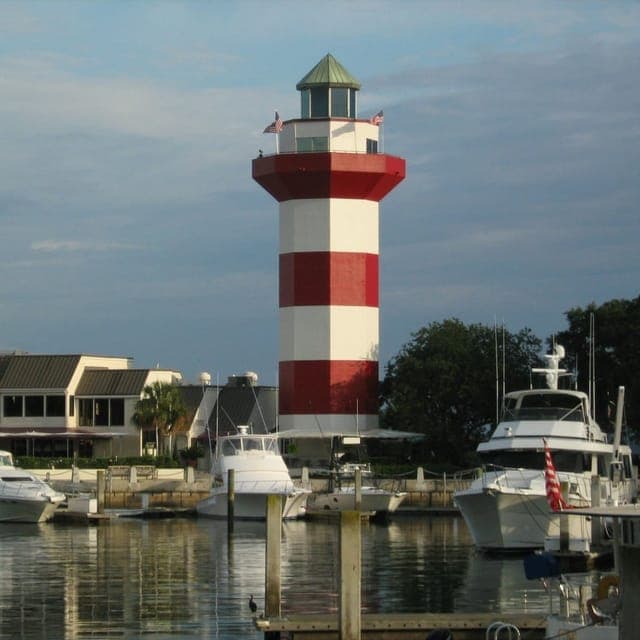 7A-
7A- 8A-
8A- 9A-
9A- 10A-
10A-* Values derived from national, state, county, city and local statistics and may differ in a specific area. Last updated: 2026-04-19T01:41:00.000Z
Narrative content on this page is AI-generated and may contain mistakes. Verify any details that matter before acting on them.
ReloMaps may earn a commission from affiliate links at no extra cost to you.

