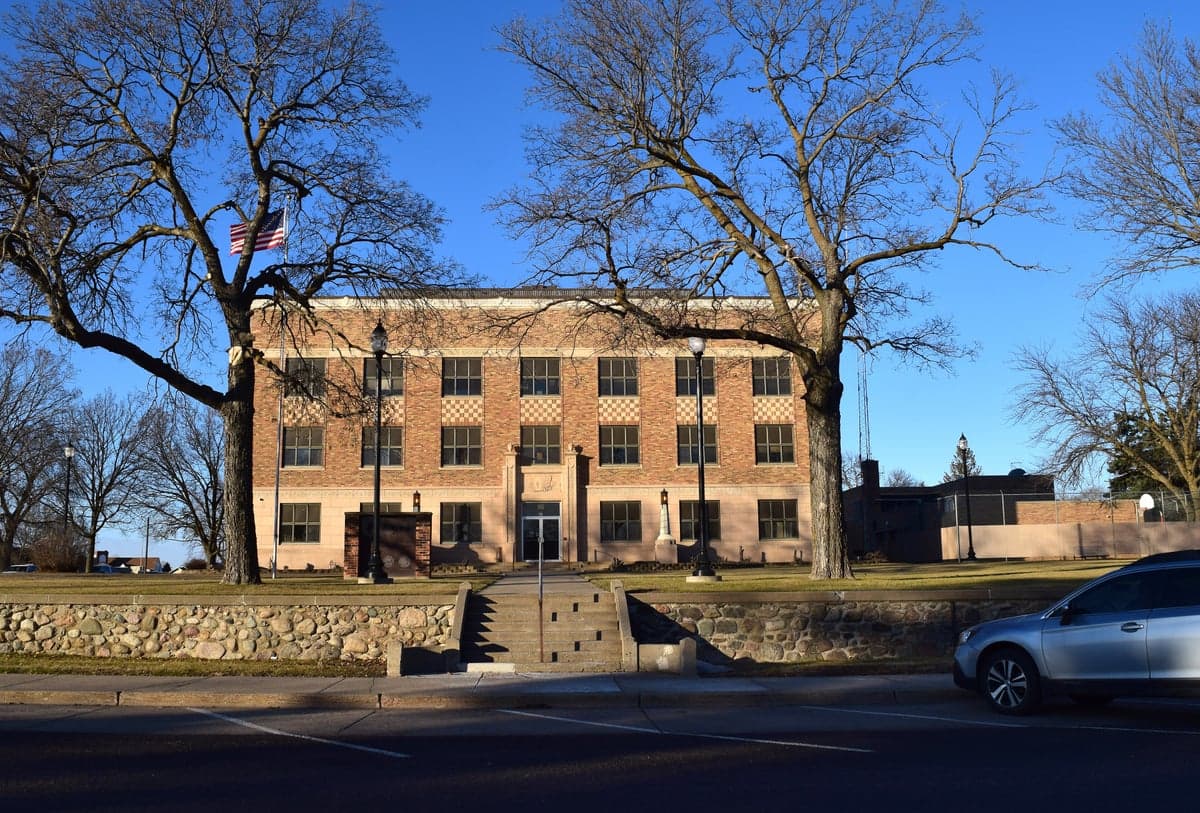
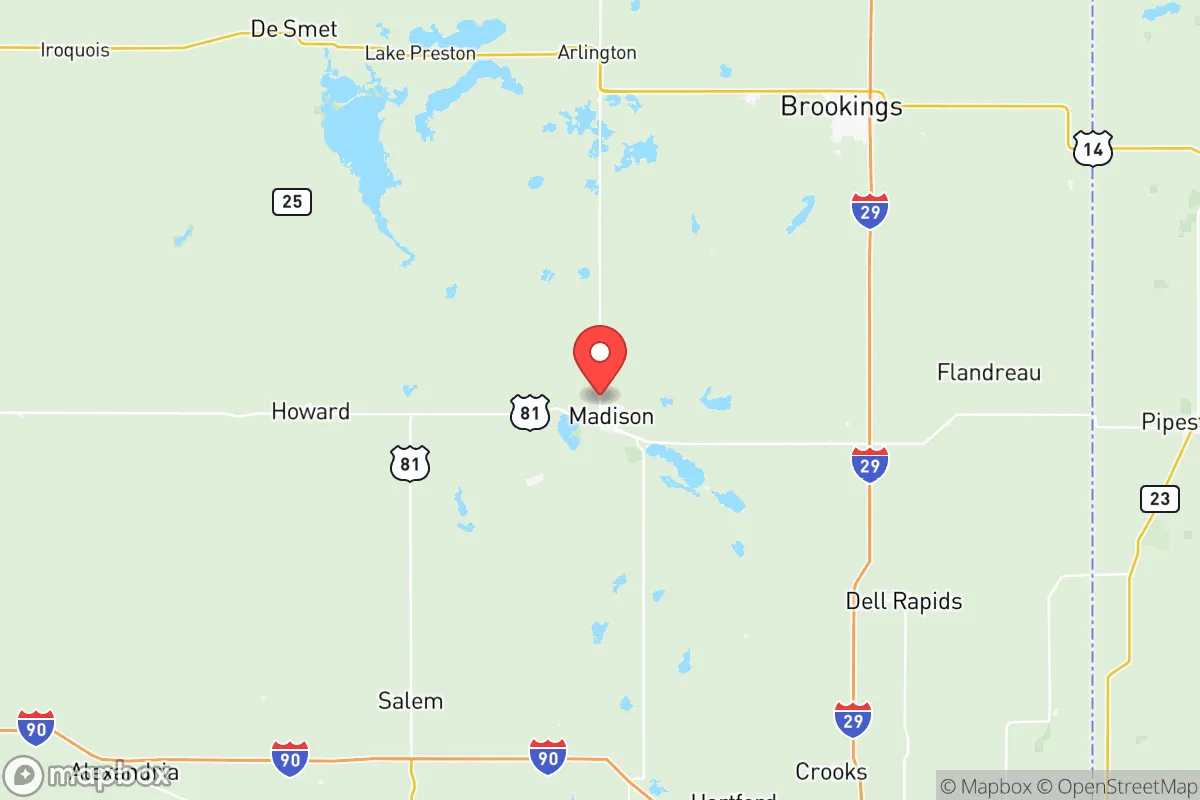
Photo: Wikipedia
Quality of Life in Lake County
A livable area that tracks near national norms for affordability, walkability, and neighborhood health.
What does Quality of Life tell us?
Quality of Life measures an area by evaluating factors like cost of living, nearby amenities, country club access, airport proximity, socioeconomic signals and neighborhood character. For large states, this is a general average — quality of life can vary dramatically between metro areas, suburbs, and rural communities within the same state.
What does this tell us?
Quality of Life measures an area by evaluating factors like cost of living, nearby amenities, country club access, airport proximity, socioeconomic signals and neighborhood character. For large states, this is a general average — quality of life can vary dramatically between metro areas, suburbs, and rural communities within the same state.
Cost of Living
22% below national average
112%
The Real Cost of Living in Lake County for 2026
| Tier | Individual | Family (4) |
|---|---|---|
| Survival | $14k | $26k |
| Comfortable | $45k | $66k |
| Luxury | $133k+ | $207k+ |
| Elite (Top 5%) | $157k+ | $244k+ |
Quality-of-Life Analysis
Lake County, South Dakota, offers a distinct quality-of-life spectrum that ranges from the college-town energy of its largest city to the quiet, agricultural rhythm of its smaller communities and open countryside. The county’s character is defined by this contrast, drawing professionals and academics to its population centers while attracting farmers, retirees, and those seeking solitude to its rural pockets. With a cost-of-living index of 78 (well below the national average of 100), a median home value of $231,000, and a median rent of $868, the county provides affordable access to both amenity-rich living and wide-open spaces.
Largest town(s) & population centers
Madison is the county seat and undisputed hub, home to roughly 6,500 residents and Dakota State University (DSU). Daily life here revolves around the university’s calendar, with a walkable downtown along Main Street featuring local coffee shops, the Madison Community Center, and Prairie Village, a living-history museum. The city’s Lake Herman and Lake Madison provide year-round recreation, from boating and fishing in summer to ice fishing and snowmobiling in winter. Employment is anchored by DSU, the Madison Regional Health System, and manufacturing firms like Raven Industries. The average commute in Lake County is just over 15 minutes, making Madison a practical base for workers who value short drives over urban sprawl. The town’s population is relatively young due to the university, and its cultural offerings—including the Dakota State University Performing Arts Center—are more robust than in most towns of similar size.
Smaller towns & rural pockets
Outside Madison, Lake County’s smaller communities offer a slower, more agrarian pace. Wentworth (pop. ~180) sits along the Big Sioux River and is primarily a bedroom community for Madison and Sioux Falls commuters, with a grain elevator and a handful of homes. Nunda (pop. ~45) is a tiny unincorporated hamlet centered on a grain co-op and a few farmsteads, with no retail services. Chester (pop. ~260) lies near the county’s eastern edge and has a small school district that serves surrounding farms. These areas lack grocery stores and medical clinics, so residents drive 10–20 minutes to Madison for essentials. The rural landscape is dominated by corn and soybean fields, with scattered farmhouses and windbreaks. For those seeking true isolation, the unincorporated areas around Lake Herman State Park and the shores of Lake Madison offer lakefront homes on larger lots, though these properties command a premium over inland farmland.
Cost & lifestyle range
The cost-of-living spread across Lake County is narrow but meaningful. At the lower end, a three-bedroom home in Wentworth or Nunda might sell for $180,000–$200,000, reflecting the lack of local amenities and lower demand. Rentals in these areas are scarce, with most units being single-family homes or mobile homes. At the higher end, lakefront properties on Lake Madison or Lake Herman can exceed $350,000–$400,000, especially those with private docks or newer construction. Madison itself sits in the middle: the median home value of $231,000 buys a well-maintained 3-bedroom house within walking distance of downtown or the university. Rent at $868 per month is typical for a two-bedroom apartment in Madison, while rural rentals may be $100–$150 cheaper but harder to find. Utility costs are moderate, and property taxes in Lake County are among the lowest in the state, averaging around 1.1% of assessed value. The trade-off is clear: Madison offers walkability, jobs, and culture; the smaller towns and rural areas offer space, quiet, and lower entry prices but require a car for every errand.
Lake County is best suited for people who value a short commute, affordable housing, and access to outdoor recreation without sacrificing a small-town social fabric. Professionals and families who work in Madison or commute to Sioux Falls (about 45 minutes east) will find the county’s mix of college-town amenities and rural affordability appealing. Retirees and remote workers may prefer the lakefront or farmhouse settings, while university students and faculty gravitate toward Madison’s walkable core. The county’s low cost of living and strong sense of community make it a practical choice for those who want South Dakota’s tax-friendly environment without the isolation of more remote counties.

Crime in Lake County
Generally safer than 61% of comparable U.S. locations.
Violent CrimeViolent Crime Analysis
Property CrimeProperty Crime Analysis
Crime Analysis
Lake County, South Dakota, presents a mixed safety profile that is heavily shaped by its largest city, Madison, while smaller communities like Wentworth, Nunda, and Chester Lake offer notably quieter conditions. With a violent crime rate of 293.3 per 100,000 residents and a property crime rate of 1,280.6 per 100,000, the county sits above the national average for property offenses but below the national violent crime average. The overall safety picture depends significantly on whether a resident lives within Madison’s city limits or in the surrounding rural townships and unincorporated areas.
Crime in context
Lake County’s violent crime rate of 293.3 per 100,000 is roughly 20% below the national average of 380 per 100,000, but it is notably higher than the South Dakota state average of approximately 260 per 100,000. The property crime rate of 1,280.6 per 100,000, however, is about 15% above the national average of 1,100 per 100,000 and significantly exceeds the state average of roughly 900 per 100,000. These figures place Lake County in a middle tier among South Dakota’s 66 counties—safer than Minnehaha County (Sioux Falls) and Pennington County (Rapid City), which both report higher violent crime rates, but riskier than rural counties like Miner or Kingsbury. The elevated property crime rate is driven almost entirely by thefts and burglaries in Madison, which accounts for roughly 70% of the county’s population and a disproportionate share of reported incidents.
What residents experience
For residents of Madison, the county seat and home to Dakota State University, the most common safety concerns are vehicle break-ins, bicycle thefts, and occasional burglaries near the campus and downtown commercial corridors. The Madison Police Department reports that most property crimes are opportunistic and concentrated around the university district and the Lake Madison recreational area during summer months. Violent crime in Madison is rare but not absent—assaults and domestic incidents account for the majority of reported violent offenses. In contrast, the smaller communities of Wentworth (population ~200), Nunda (~50), and Chester Lake (~100) experience near-zero violent crime and property crime rates that are a fraction of the county average. Residents in these towns typically leave doors unlocked and report that the most common "crime" is trespassing by hunters or ATV riders during deer season. The Lake County Sheriff’s Office, which patrols unincorporated areas, emphasizes that response times in rural townships can exceed 20 minutes, while Madison city police typically respond within 5–7 minutes.
Neighborhood-level variation and judicial context
Within Madison, the safest neighborhoods are the established residential areas west of Highway 34 and north of the Dakota State University campus, where single-family homes and older subdivisions see very few incidents. The area immediately around the university and the Lake Madison shoreline—particularly during summer weekends—experiences the highest concentration of property crime and alcohol-related disturbances. The Lake County State’s Attorney’s Office, which prosecutes all felony cases in the county, operates under a conservative judicial philosophy that emphasizes prosecution and incarceration over diversion programs. This approach contrasts sharply with more progressive jurisdictions in larger metro areas like Minnehaha County, where district attorneys have adopted bail reform and pretrial release policies that critics argue lead to higher recidivism. In Lake County, offenders convicted of violent crimes typically serve substantial sentences, and property crime repeat offenders face mandatory minimums under South Dakota law. For residents considering relocation, the practical takeaway is that property crime is a real concern in Madison—especially near the university and lake—while the rural townships offer a level of safety comparable to the safest small towns in the Midwest. Anyone moving to Lake County should invest in home security systems and vehicle locks, particularly if living within Madison’s city limits.
* Values derived from national, state, county, city and local statistics and may differ in a specific area. Last updated: 2026-05-28T01:10:31.000Z
Narrative content on this page is AI-generated and may contain mistakes. Verify any details that matter before acting on them.
ReloMaps may earn a commission from affiliate links at no extra cost to you.

