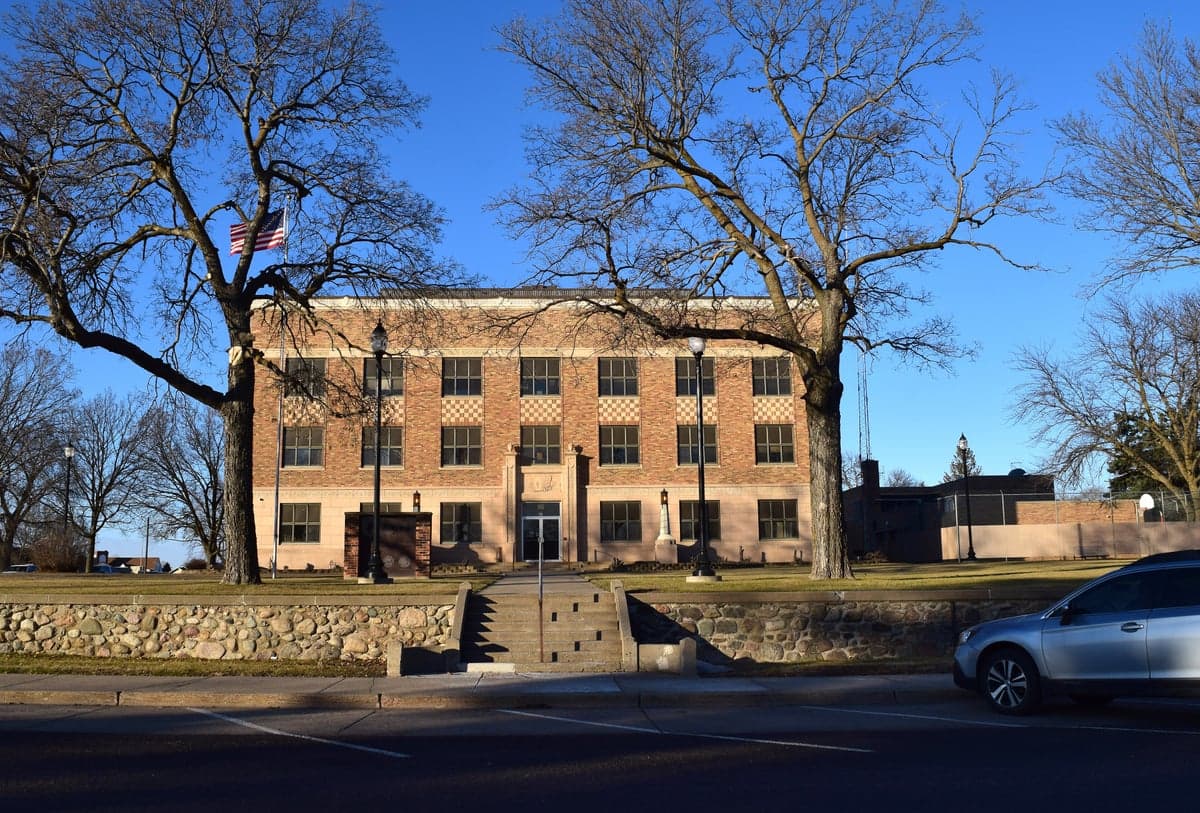
Photo: Wikipedia
Strategic Assessment of Lake County
Strong survivability profile. Good buffer from population centers, with manageable environmental and tactical risks.
What does the Strategic Assessment tell us?
Our Strategic Assessment grades tactical survivability of an area. Major population centers, military targets, fallout zones, natural disasters, and border exposure all drive risk — lower exposure means a more defensible position in a crisis.
This is heavily inspired by Joel Skousen's Strategic Relocation book. Highly recommended you checkout the book ($)What does this tell us?
Our Strategic Assessment grades tactical survivability of an area. Major population centers, military targets, fallout zones, natural disasters, and border exposure all drive risk — lower exposure means a more defensible position in a crisis.
This is heavily inspired by Joel Skousen's Strategic Relocation book. Highly recommended you checkout the book ($)Strategic Pillars

Key Distances
Strategic Assessment Analysis
Lake County, South Dakota, sits in a sweet spot that most preppers overlook: far enough from the nation's major fault lines to avoid the worst of cascading failures, yet close enough to key resources to make a strategic relocation viable. The county's population hovers around 12,000, with Madison as the anchor town, and the surrounding landscape offers a mix of agricultural self-sufficiency and low-density living that's increasingly rare in the Lower 48. For a conservative-leaning individual or family looking to weather civic unrest, supply chain disruptions, or even larger-scale disasters, this area presents a compelling case—but only if you understand its specific strengths and blind spots.
Geographic position and natural advantages for long-term stability
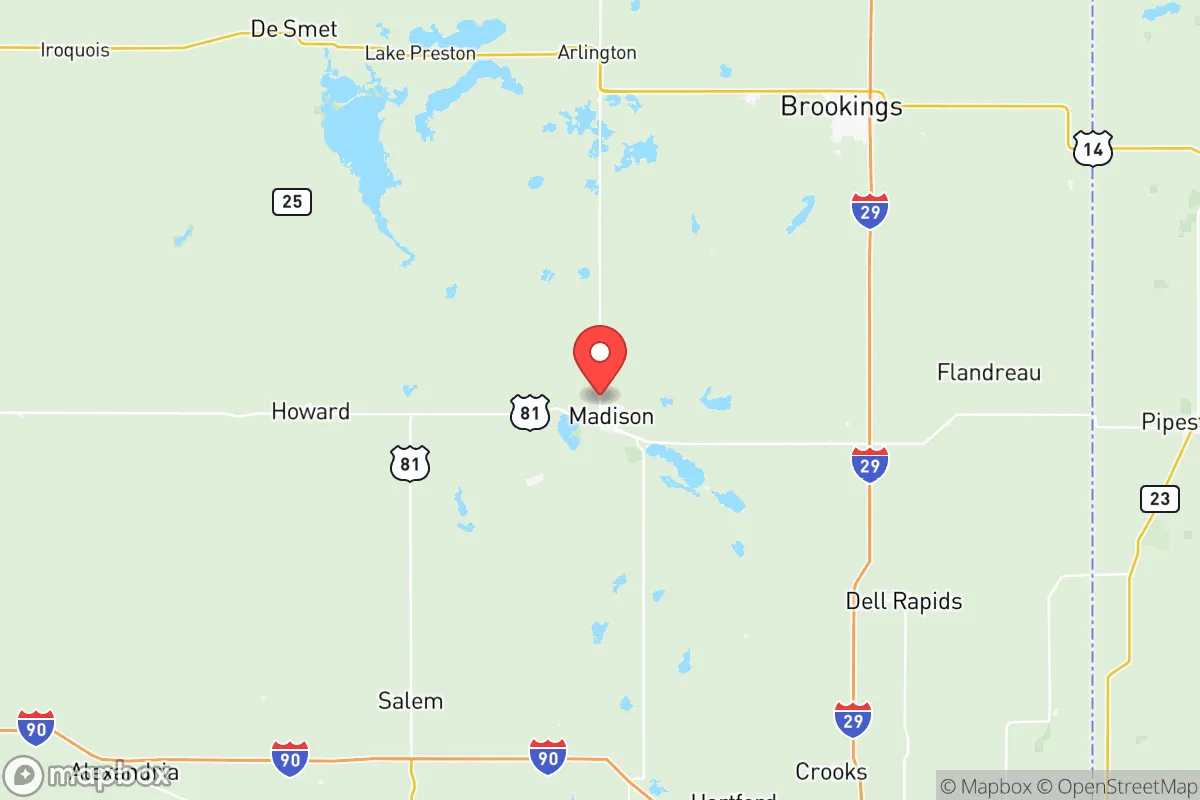
Lake County's location in eastern South Dakota places it squarely in the Midwest's breadbasket, a region that produces more food than it consumes—a critical advantage when national supply chains falter. Madison sits roughly 45 miles northwest of Sioux Falls, the state's largest city, but that distance is enough to buffer against the worst urban chaos while still allowing access to major medical facilities and supply hubs when things are stable. The county is bisected by Lake Herman and Lake Madison, two natural glacial lakes that provide reliable freshwater sources and support local agriculture. The terrain is flat to gently rolling, which simplifies defensive positioning and makes it easier to maintain a low profile. Winters are harsh—average January lows dip to 8°F—but that cold acts as a natural deterrent to transient populations and reduces the risk of vector-borne diseases that plague warmer climates. The area sits outside the primary tornado alley, though severe storms do occur, and it's far from any active seismic zones, nuclear power plants, or major petrochemical infrastructure. For a relocator prioritizing geographic isolation from fallout-relevant targets, Lake County offers a rare combination of productive land and strategic obscurity.
Risks, exposures, and proximity to fallout-relevant landmarks
No location is a fortress, and Lake County has its share of vulnerabilities that a serious prepper must account for. The most immediate concern is Sioux Falls, which sits about 45 miles southeast and houses the region's only Level I trauma center, as well as the Joe Foss Field Air National Guard Base. While that distance provides a buffer, a major event in Sioux Falls—whether civil unrest, an EMP, or a targeted attack—would send refugees streaming along Interstate 29 and Highway 34 directly toward Madison. The county also lies within 150 miles of Ellsworth Air Force Base near Rapid City, a primary B-1 bomber base that would be a high-priority target in any conflict involving strategic assets. Closer to home, the Lake County Courthouse in Madison and the local government infrastructure are low-value targets, but the county's reliance on a single major highway (I-29) for resupply creates a chokepoint. The Union Pacific rail line running through Madison is a minor concern—it primarily moves agricultural goods, not hazardous materials. On the plus side, there are no refineries, chemical plants, or major power substations within the county that would draw secondary attacks or cause catastrophic local fallout. The biggest risk is proximity to Sioux Falls' population density (over 200,000 in the metro area) during a collapse scenario, which could overwhelm local resources if not planned for.
Practical resilience for a relocator: food, water, energy, and defensibility
This is where Lake County shines for the self-sufficient relocator. The county's agricultural base means local food production is abundant—corn, soybeans, and livestock operations dominate, and Madison has a functioning farmers' market and several small-scale processors. Water access is excellent: the two glacial lakes provide surface water, and the Big Sioux Aquifer underlies the region, offering reliable groundwater at depths of 100-200 feet. Most rural properties already have private wells, and the county's water table is less stressed than in the High Plains. For energy, the area is served by Heartland Consumers Power District, which draws from a mix of coal, natural gas, and renewables, but the grid is vulnerable to cascading failures. A savvy relocator should plan for off-grid solar or wind—the region averages 200 sunny days per year and has consistent winds, especially in spring and fall. Defensibility is moderate: the open terrain offers long sightlines but limited natural cover, so a rural property with a good perimeter and a well-stocked root cellar is ideal. The county's low population density (about 22 people per square mile) means fewer eyes on your operation, and the local culture leans heavily toward self-reliance and firearm ownership, which aligns with a conservative prepper mindset. Madison has a small hospital (Madison Regional Health System) and a decent supply of local tradespeople—mechanics, welders, farmers—who can keep equipment running when the supply chain breaks. The Lake County Sheriff's Office is professional but understaffed, so don't expect rapid response in a crisis; you're your own first responder here.
The overall strategic picture for Lake County is one of calculated isolation with manageable risks. It's not a bunker—it's a working landscape where a prepared family can live quietly, grow their own food, and stay off the radar while remaining close enough to regional resources to trade or resupply when conditions allow. The proximity to Sioux Falls is a double-edged sword: it provides a buffer against total isolation but also a vector for urban problems. For a conservative relocator who values community cohesion, agricultural self-sufficiency, and distance from high-value targets, Lake County offers a realistic foundation for long-term resilience. The winters will test your grit, and the flat terrain demands a solid security plan, but the fundamentals—water, food, and a like-minded population—are in place. If you're looking to ride out the next decade of uncertainty without going full hermit, this corner of South Dakota deserves a serious look.

* Values derived from national, state, county, city and local statistics and may differ in a specific area. Last updated: 2026-05-28T01:10:31.000Z
Narrative content on this page is AI-generated and may contain mistakes. Verify any details that matter before acting on them.
ReloMaps may earn a commission from affiliate links at no extra cost to you.

