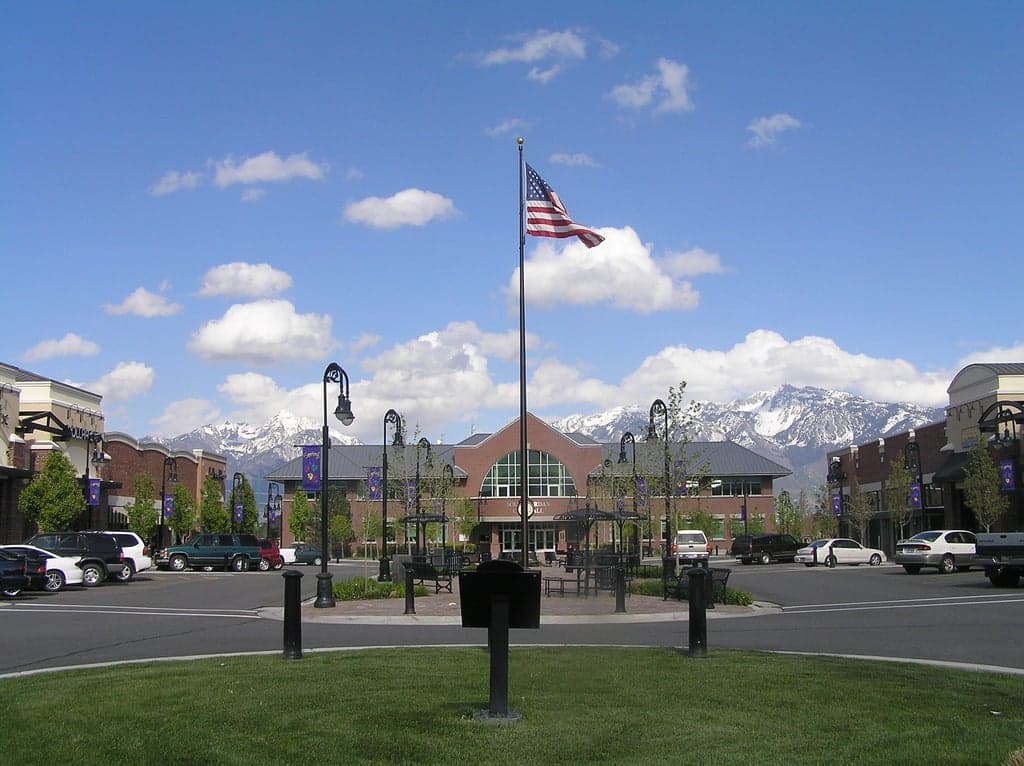
Photo: Wikipedia
Quality of Life in South Jordan, UT
A high quality of life with strong walkability, manageable living costs, healthy neighborhood signals, and solid amenity access.
What does Quality of Life tell us?
Quality of Life blends cost of living, nearby amenities, socioeconomic signals, and neighborhood character. City-level scores represent the whole municipality; individual neighborhoods can differ.
What does this tell us?
Quality of Life blends cost of living, nearby amenities, socioeconomic signals, and neighborhood character. City-level scores represent the whole municipality; individual neighborhoods can differ.
Cost of Living
80% above national average
The Real Cost of Living in South Jordan, UT for 2026
| Tier | Individual | Family (4) |
|---|---|---|
| Survival | $29k | $54k |
| Comfortable | $119k | $176k |
| Luxury | $181k+ | $281k+ |
| Elite (Top 5%) | $214k+ | $331k+ |
72%
The Area Signal
A metric tracking the socioeconomic signals of the area.
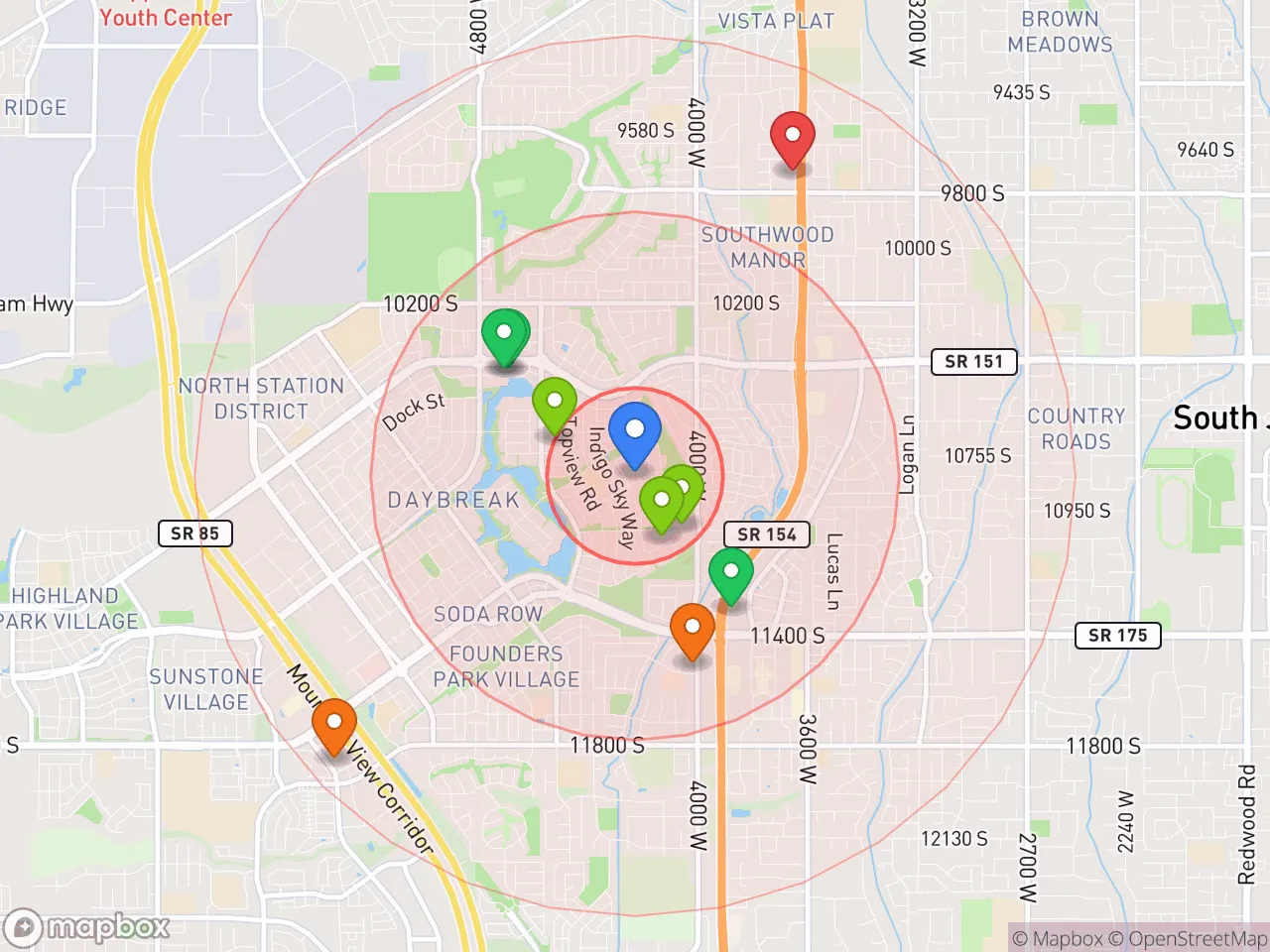
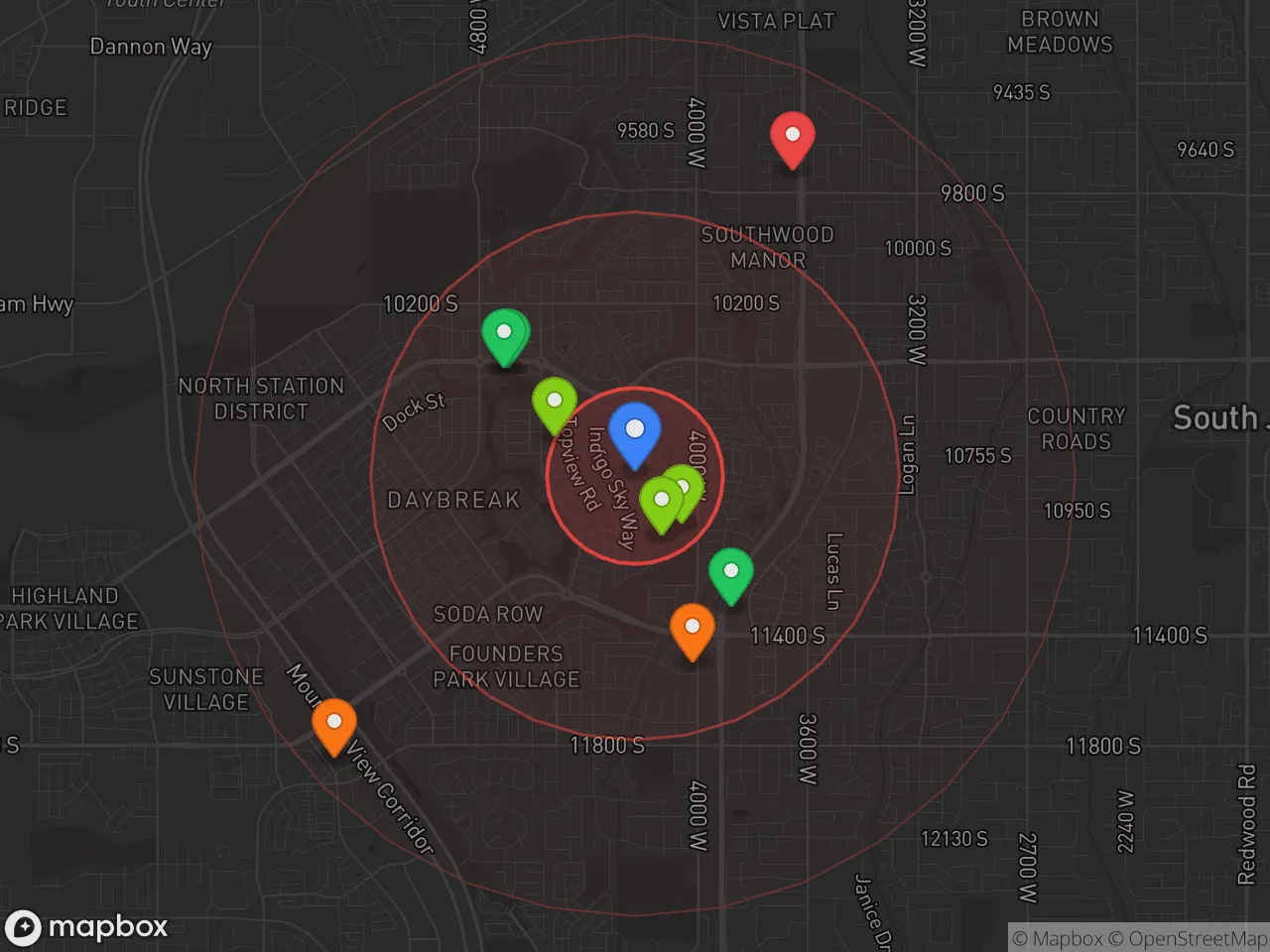
Hobbies
Explore the areaGroceries
0 within 10 miles
Gas
0 within 10 miles
Hospital
0 within 20 miles
Airport
SLC — Salt Lake City International
Post Office
Critical Amenities
Quality-of-Life Analysis
South Jordan, Utah, presents a quality of life defined by affluence, rapid growth, and a family-oriented suburban ethos. With a cost of living index of 180 (80% above the U.S. average), the city attracts professionals, executives, and families who prioritize top-tier schools, low crime, and proximity to outdoor recreation over urban affordability. The population skews younger and wealthier than the national median, with a heavy concentration of dual-income households working in nearby tech, finance, and healthcare hubs.
Cost of living and housing affordability compared to Salt Lake City and Draper
South Jordan’s cost of living is among the highest in Utah, driven almost entirely by housing. The median home value sits at $614,800, roughly 35% higher than the Salt Lake City metro average and comparable to neighboring Draper. Median rent is $1,806, which is about 20% above the metro median but still below the most expensive enclaves like Park City. For context, a household earning the metro median income of roughly $90,000 would spend about 40% of gross income on a mortgage at current rates — a stretch that pushes many renters toward West Jordan or Herriman. Property taxes are relatively low (Utah’s effective rate is ~0.6%), but homeowners’ insurance and HOA fees in newer subdivisions add $150–300 monthly. The affordability gap is stark: a comparable home in Salt Lake City’s Sugar House neighborhood would cost 10–15% less, while a similar house in nearby Riverton might run 5–10% cheaper. For buyers, the trade-off is paying a premium for South Jordan’s newer infrastructure, lower crime, and higher-rated schools.
What daily life is like for families: schools, parks, and commute patterns
Daily life in South Jordan revolves around its highly rated public schools (Jordan School District), with South Jordan Middle School and Bingham High School consistently ranking in Utah’s top 20 for academics and extracurriculars. The city is also home to the Daybreak community, a master-planned development with its own elementary schools, parks, and a town center with retail and dining. Commute times average 24.4 minutes, slightly below the metro average of 26 minutes, thanks to direct access to I-15 and the FrontRunner commuter rail. The TRAX light rail extension (planned for 2027) will further reduce car dependency. Amenities include the South Jordan Fitness & Aquatic Center, the 40-acre Bingham Creek Park, and the Oquirrh Mountain Temple — a major landmark for the area’s large LDS population. The rhythm is suburban: school drop-offs, weekend soccer games, and evening walks on the Jordan River Parkway. Nightlife is minimal; most residents drive 15 minutes to Salt Lake City for dining and entertainment.
South Jordan is best suited for families and professionals who value safety, school quality, and new housing over urban energy or low costs. Empty nesters and remote workers may find the commute manageable but the housing premium steep. Singles and young renters on a budget will likely find better value in Taylorsville or Midvale. For those who can afford the entry price, South Jordan offers a predictable, high-amenity suburban lifestyle with strong long-term appreciation potential.

Crime in South Jordan, UT
Generally safer than 74% of comparable U.S. locations.
Violent CrimeViolent Crime Analysis
Property CrimeProperty Crime Analysis
Crime Analysis
South Jordan, Utah, is one of the safest cities of its size in the Salt Lake City metropolitan area, with violent crime rates dramatically below both state and national averages. The city’s overall crime picture is defined by a low violent crime rate of just 108.7 incidents per 100,000 residents, while property crime occurs at a rate of 936.1 per 100,000. These figures place South Jordan in a strong position relative to comparable suburban communities, though property crime remains a more tangible concern for residents.
Crime in context
South Jordan’s violent crime rate of 108.7 per 100,000 is roughly 70% lower than the national average and significantly below the Utah state average of approximately 240 per 100,000. Property crime, at 936.1 per 100,000, is also well under the national benchmark of roughly 1,950 per 100,000, though it aligns more closely with the Utah state average. The city benefits from being part of Salt Lake County, where local law enforcement and judicial approaches have historically emphasized community policing and conservative sentencing practices. However, readers should be aware that the broader Salt Lake City metro area has seen some progressive shifts in district attorney policies in recent years, which can lead to reduced prosecution rates for certain property offenses and a higher likelihood of repeat offenders cycling through the system. This trend, while less pronounced in South Jordan than in the urban core, is a factor to monitor for long-term safety implications.
What residents experience
For daily life in South Jordan, the low violent crime rate means that incidents like assault, robbery, and homicide are rare events that rarely disrupt the community’s routine. The most common resident complaints involve vehicle break-ins, package theft, and occasional burglaries, particularly in neighborhoods near major transit corridors like Bangerter Highway and the Red Line TRAX stations. The city’s proactive police department runs regular neighborhood watch programs and uses real-time crime mapping, which helps residents stay informed. Property crime rates, while low nationally, can feel more present in areas with higher rental density or proximity to commercial zones. South Jordan’s overall safety profile is strong enough that most families and professionals consider it a low-risk environment, but the property crime rate still warrants standard precautions like locking vehicles and securing packages.
Neighborhood-level variation
Safety in South Jordan is relatively uniform across its neighborhoods, but some variation exists. The Daybreak community, a master-planned development in the western portion of the city, consistently reports the lowest crime rates due to its private security patrols and controlled-access design. Older neighborhoods near the city center and areas adjacent to the Jordan River Trail see slightly higher property crime activity, though still well below regional averages. The city’s eastern sections, closer to the Wasatch Front, are predominantly low-density single-family homes with very low incident rates. Overall, South Jordan’s crime geography is stable, and no neighborhood requires significant concern beyond standard suburban vigilance.
* Values derived from national, state, county, city and local statistics and may differ in a specific area. Last updated: 2026-04-21T09:15:47.000Z
Narrative content on this page is AI-generated and may contain mistakes. Verify any details that matter before acting on them.
ReloMaps may earn a commission from affiliate links at no extra cost to you.

