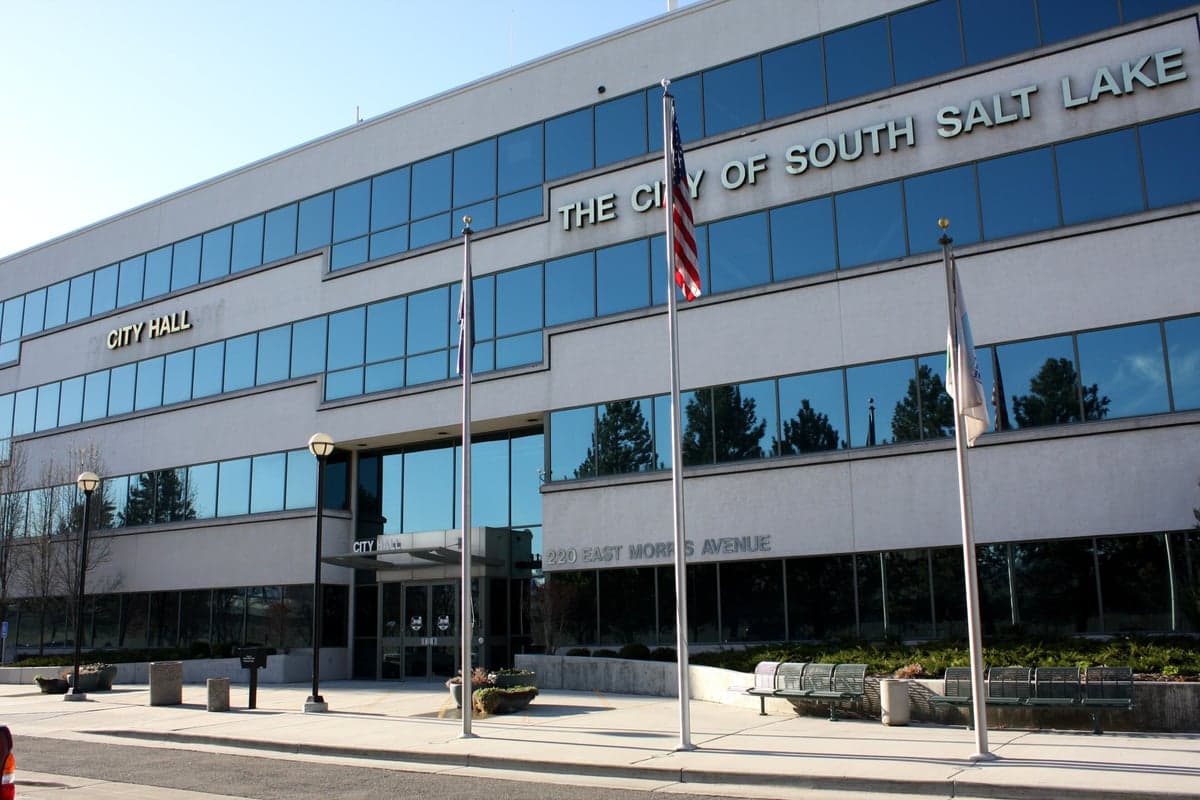
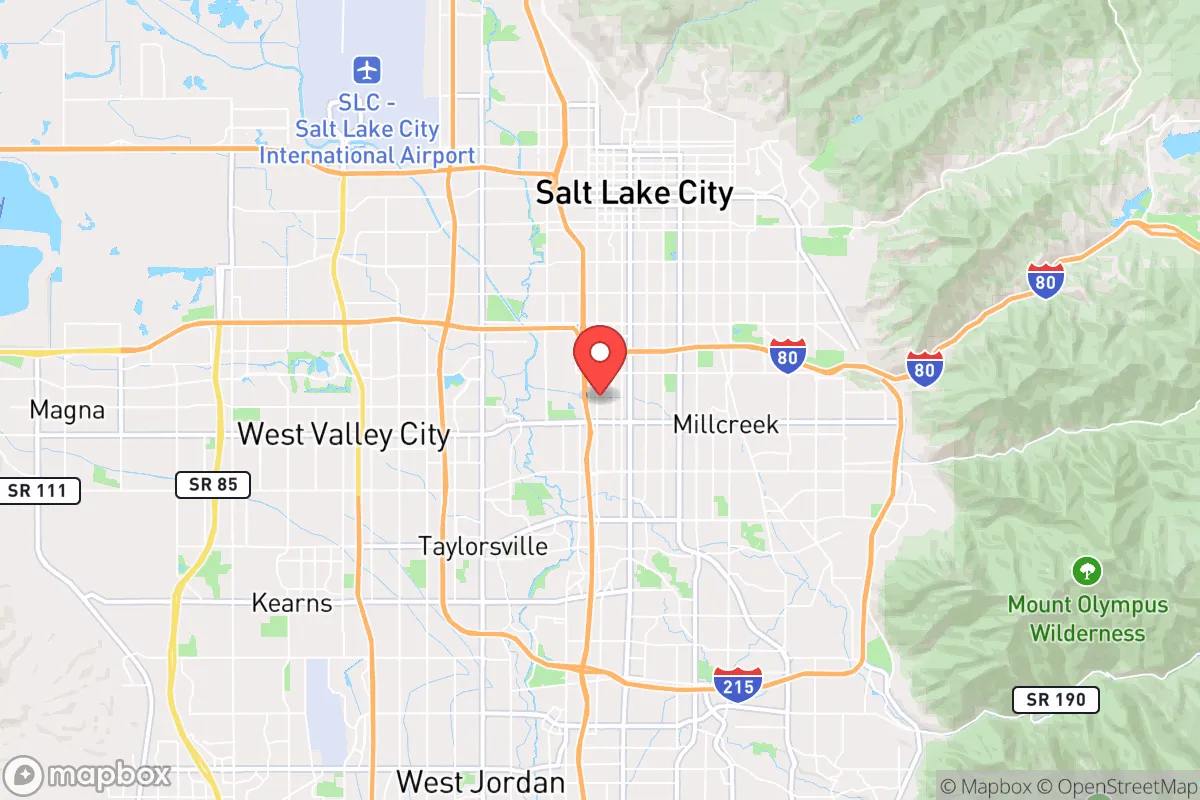
Photo: Wikipedia
Personal Sovereignty in South Salt Lake, UT
Viable for self-reliance. Generally workable, though some barriers may limit total independence.
What does Personal Sovereignty tell us?
Personal Sovereignty measures your capacity for self-reliance and independence with minimal government friction. Higher scores mean fewer barriers between you and the way you want to live... but it assumes you have the space you need and good neighbors.
What does this tell us?
Personal Sovereignty measures your capacity for self-reliance and independence with minimal government friction. Higher scores mean fewer barriers between you and the way you want to live... but it assumes you have the space you need and good neighbors.
State Policy
Energy independence: Self-sufficient (80% of energy produced in-state)
Personal Liberty
Homesteading

Personal Liberty Analysis
South Salt Lake, Utah, offers a surprisingly robust environment for personal sovereignty when measured against the national trend of expanding government overreach, though it operates within a state that balances individual freedoms with a strong, centralized regulatory framework. For the conservative-leaning individual or family prioritizing autonomy—whether that means minimal tax interference, the right to self-defense, or the ability to live off-grid—this city sits in a unique pocket. While Utah as a whole is a right-to-work state with a constitutional carry law, South Salt Lake’s proximity to Salt Lake City means you’re never far from urban governance that can feel intrusive. The key is understanding where the state’s libertarian-leaning statutes end and local ordinances begin, especially for those who view personal sovereignty as a bulwark against federal and state overreach.
Tax burden and regulatory posture: How much the state and city take
Utah’s tax structure is relatively friendly to those seeking to keep more of their earnings, but it’s not a tax haven. The state imposes a flat income tax rate of 4.65% as of 2025, which is moderate compared to high-tax states like California or New York, but not as low as Texas or Florida. South Salt Lake adds a local sales tax that brings the combined rate to about 7.25%, which is standard for the Wasatch Front. Property taxes are assessed at roughly 0.6% of market value, which is low nationally but can still bite if you’re buying a home in the $400,000–$500,000 range typical for the area. The regulatory posture here is mixed: Utah is a right-to-work state, meaning you cannot be forced to join a union as a condition of employment, which aligns with a pro-autonomy stance. However, the state’s business licensing and building codes are fairly strict, especially in incorporated cities like South Salt Lake. For a prepper or survivalist, the lack of a state income tax on military pensions and the absence of an estate tax are wins, but the city’s zoning and permit requirements can feel like bureaucratic friction if you’re trying to set up a home-based business or modify your property without oversight.
Self-defense and gun law specifics: What the Second Amendment looks like here
Utah is a constitutional carry state, meaning that as of 2021, any law-abiding adult 21 or older can carry a concealed firearm without a permit. This is a significant sovereignty win for those who view the right to self-defense as non-negotiable. South Salt Lake does not have its own gun control ordinances that exceed state law, so you’re operating under the statewide framework: no magazine capacity limits, no assault weapon bans, and no red flag law as of early 2026 (though such legislation has been proposed in past sessions). The state does require a background check for all firearm purchases from licensed dealers, but private sales between individuals are legal without a check. For the prepper mindset, this means you can build an arsenal without government permission, but you should be aware that Utah’s “use of force” laws are clear: deadly force is justified only if you reasonably believe it’s necessary to prevent death or serious bodily injury to yourself or others. There’s no “stand your ground” statute on the books—Utah has a duty to retreat if you can do so safely, which is a point of friction for those who prefer a castle doctrine approach. Still, the overall environment is far more permissive than coastal states, and the local sheriff’s office in Salt Lake County is generally supportive of gun rights, though the city itself leans more progressive on enforcement.
Self-reliance and homesteading viability: Lot sizes, zoning, and off-grid feasibility
South Salt Lake is an urbanized suburb, not a rural homesteading zone. The typical lot size in the city is 0.1 to 0.25 acres, which severely limits any serious self-reliance projects like large gardens, livestock, or rainwater harvesting at scale. Zoning is predominantly residential with strict codes: keeping chickens is allowed in some areas but requires a permit and limits on the number of birds, and beekeeping is permitted with registration. For off-grid living, the city requires connection to municipal water and sewer—no septic systems or private wells are allowed within city limits. Solar panels are permitted but must comply with HOA rules if you’re in a planned community, and battery storage for off-grid backup is legal but subject to fire codes. The feasibility of true homesteading here is low; you’d need to look to unincorporated Salt Lake County or neighboring towns like Tooele or Grantsville for acreage. However, for the urban prepper, the city’s proximity to the Wasatch Front’s food storage culture is a plus—Utah has a strong tradition of emergency preparedness, and you can find bulk food suppliers, freeze-dried food distributors, and survival gear stores within a 15-minute drive. The key takeaway: South Salt Lake is not a place to live off the land, but it’s a viable base for stockpiling supplies and networking with like-minded individuals who prioritize self-reliance.
Personal liberties: Parental rights, medical autonomy, speech, and property
Utah has a strong track record on parental rights, with a state law that explicitly affirms parents’ “fundamental right” to direct their children’s upbringing, education, and healthcare. This is a critical factor for conservative families concerned about government overreach in schools or medical decisions. South Salt Lake’s school district, Granite School District, has been a battleground over curriculum transparency and parental notification policies, but state law generally requires schools to notify parents of any changes to a student’s health or well-being. Medical autonomy is more nuanced: Utah has not enacted broad vaccine mandates for adults, but COVID-era restrictions were enforced in the city, and the state’s health department has authority to impose quarantine measures. For those wary of medical mandates, Utah’s religious exemption laws are broad, but secular exemptions are harder to obtain. Free speech is protected under the state constitution, and South Salt Lake has not passed any local ordinances restricting public assembly or protest beyond standard time-place-manner rules. Property rights are generally strong, but the city’s zoning board has significant power to deny permits for non-conforming uses, such as running a home-based firearms business or storing large quantities of fuel. The overall vibe is that the state respects individual liberties on paper, but local enforcement can be inconsistent, especially if you’re pushing boundaries that attract attention.
In the broader context of personal sovereignty, South Salt Lake offers a middle-ground position that will appeal to those who want the benefits of a conservative-leaning state without the isolation of rural living. Compared to areas like Portland or Denver, this city is a fortress of liberty—constitutional carry, low taxes, and strong parental rights. But compared to rural Utah counties like Box Elder or San Juan, it’s a more regulated environment where the city’s hand is felt in zoning, permits, and utility requirements. For the survivalist or prepper who values community and infrastructure access over total autonomy, South Salt Lake is a viable option. For those seeking to minimize government contact entirely, the surrounding unincorporated areas or smaller towns offer a better fit. The bottom line: if you’re willing to navigate local bureaucracy while leveraging state-level freedoms, this city can serve as a strategic base for a self-reliant lifestyle in an uncertain world.

* Values derived from national, state, county, city and local statistics and may differ in a specific area. Last updated: 2026-04-24T13:25:42.000Z
Narrative content on this page is AI-generated and may contain mistakes. Verify any details that matter before acting on them.
ReloMaps may earn a commission from affiliate links at no extra cost to you.

