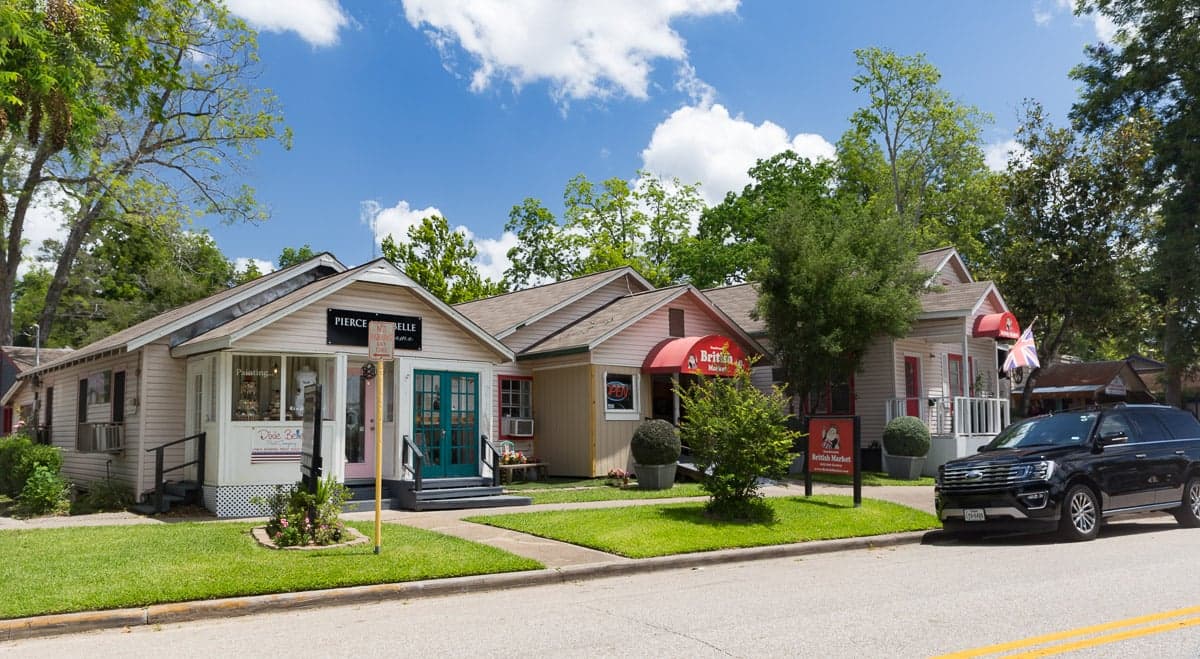
Photo: Wikipedia
Personal Sovereignty in Spring, TX
Viable for self-reliance. Generally workable, though some barriers may limit total independence.
What does Personal Sovereignty tell us?
Personal Sovereignty measures your capacity for self-reliance and independence with minimal government friction. Higher scores mean fewer barriers between you and the way you want to live... but it assumes you have the space you need and good neighbors.
What does this tell us?
Personal Sovereignty measures your capacity for self-reliance and independence with minimal government friction. Higher scores mean fewer barriers between you and the way you want to live... but it assumes you have the space you need and good neighbors.
State Policy
Energy independence: Net exporter (220% of energy produced in-state)
Personal Liberty
Homesteading

Personal Liberty Analysis
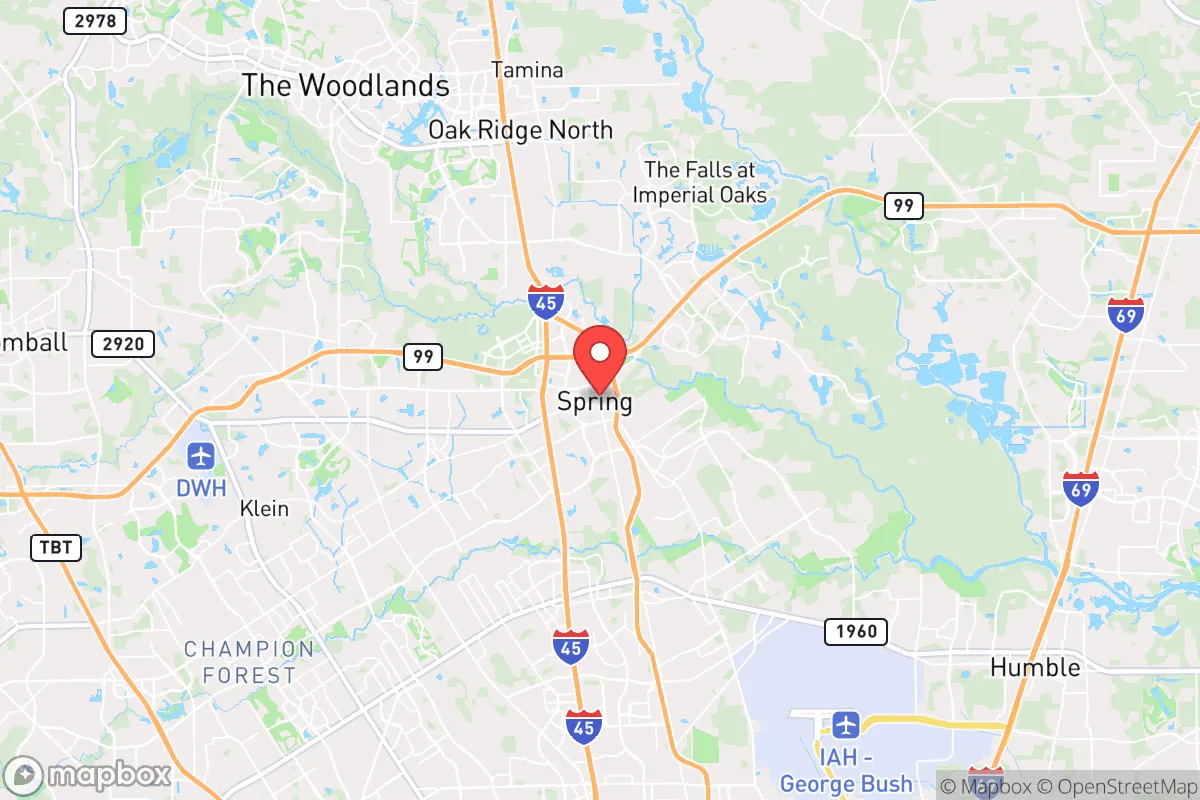
Spring, Texas, offers a personal sovereignty environment that is heavily shaped by Texas state law, placing it among the more autonomy-friendly areas in the United States, particularly for those who value limited government interference in daily life. Located in Harris County, Spring sits at a crossroads where expansive state-level freedoms—such as no state income tax, strong property rights, and permissive gun laws—meet a large suburban county with its own regulatory layers. For a relocation-minded individual or family with a conservative-leaning focus on self-reliance, the area provides a strong baseline of personal liberty, though the specific trade-offs of county governance and suburban zoning are worth understanding before making a move.
Tax burden and regulatory posture in Spring and Harris County
The most immediate sovereignty advantage in Spring is the absence of a state personal income tax, a hallmark of Texas that allows residents to keep more of their earnings. However, this is offset by a relatively high property tax burden, which is the primary revenue source for local governments. Harris County’s effective property tax rate averages around 2.0% to 2.5% of a home’s assessed value, which is above the national median. This means that while the state takes no cut of your paycheck, your home and land are subject to significant annual levies that fund schools, roads, and emergency services. The regulatory posture in unincorporated parts of Spring—where many subdivisions lie—is generally light-touch on business operations, with no city-level business license requirements for most home-based enterprises. However, Harris County does enforce building codes, floodplain regulations, and environmental health rules that can add friction for those wanting to modify property without permits. For a self-reliant individual, the key takeaway is that the state-level tax freedom is real, but the county-level property tax burden is a persistent cost that must be factored into any long-term sovereignty calculation.
Self-defense and gun law specifics in Spring, Texas
Texas law provides some of the strongest self-defense protections in the nation, and Spring residents benefit directly from these statutes. The state’s “Stand Your Ground” law eliminates any duty to retreat before using deadly force in any place where a person is lawfully present, a critical factor for those prioritizing personal security. Additionally, Texas has permitted constitutional carry since 2021, meaning that any adult who can legally possess a firearm may carry it openly or concealed without a license. This is a significant sovereignty advantage for residents who view self-defense as a fundamental right. Spring is in Harris County, which has a mixed record on gun rights enforcement—some local officials have expressed support for stricter measures, but state preemption laws prevent counties from passing their own firearm regulations that are more restrictive than state law. For practical purposes, a Spring resident can carry a firearm for self-defense with minimal bureaucratic hurdles, and the legal framework strongly favors the defender in justified use-of-force incidents. The area also has numerous gun ranges and firearms retailers, supporting a culture of responsible ownership and training.
Self-reliance and homesteading viability: lot sizes, zoning, and off-grid feasibility
Spring’s homesteading and self-reliance potential varies dramatically depending on whether you are in a suburban subdivision or on a larger rural parcel. The area is a mix of master-planned communities with typical lot sizes of 6,000 to 10,000 square feet and older, more rural tracts that can exceed one acre. In the suburban subdivisions, homeowners associations (HOAs) are common and often impose restrictive covenants that limit livestock, gardening scale, and external modifications—these can be a significant barrier to self-sufficiency. For those seeking true homesteading viability, the northern and eastern fringes of Spring, closer to the Sam Houston National Forest, offer properties with acreage and fewer HOA restrictions. Off-grid feasibility is limited by Harris County’s building codes, which generally require connection to the electrical grid and adherence to septic system regulations. Rainwater harvesting is legal and encouraged by the state, but full independence from municipal water and sewer is difficult to achieve within the county’s regulatory framework. Solar panels are permitted, but net metering policies are less favorable than in some other states. For a family wanting to raise chickens, grow a large garden, and reduce reliance on utilities, the best bet is to seek land outside HOA jurisdiction and be prepared to work within county health and building codes.
Personal liberties: parental rights, medical autonomy, speech, and property
Texas law provides strong protections for parental rights, which directly affect family sovereignty in Spring. The state’s Parental Bill of Rights affirms that parents have the fundamental right to direct their children’s education, healthcare, and moral upbringing. This has practical implications: parents can opt their children out of certain school curricula, choose homeschooling or private schooling without excessive state interference, and make medical decisions without government override in most cases. Medical autonomy is generally respected, though Texas has specific regulations on abortion and certain medical procedures that may affect personal healthcare choices. Free speech and property rights are robust under Texas law, with no state-level hate speech laws and strong protections against government takings. Spring residents enjoy the ability to express political, religious, or personal views without significant local censorship. Property rights are further reinforced by Texas’s private property rights laws, which require government entities to justify any regulatory taking and provide compensation for diminished value. However, Harris County’s floodplain regulations and development restrictions can limit what you can do with your land, particularly in areas prone to flooding. Overall, the legal environment in Spring supports a high degree of personal autonomy in family and expressive matters, with the main constraints coming from local zoning and HOA rules rather than state overreach.
In the broader context of American personal sovereignty, Spring, Texas, ranks as a strong contender for those who prioritize freedom from state-level income tax, robust self-defense rights, and parental control over family life. The main trade-offs are the high property tax burden and the regulatory density of Harris County, which can feel intrusive for those accustomed to more rural or libertarian-leaning jurisdictions. Compared to areas in the Pacific Northwest or Northeast, Spring offers significantly more autonomy in gun ownership, speech, and property use. Compared to rural Texas counties, it is more regulated and expensive, but it provides better access to employment, healthcare, and infrastructure. For a relocation-minded individual or family who values personal sovereignty but also needs suburban amenities and proximity to Houston, Spring strikes a pragmatic balance—offering a foundation of liberty that is real, but not absolute, and that requires active navigation of local rules and taxes to fully realize.

* Values derived from national, state, county, city and local statistics and may differ in a specific area. Last updated: 2026-07-30T01:58:28.000Z
Narrative content on this page is AI-generated and may contain mistakes. Verify any details that matter before acting on them.
ReloMaps may earn a commission from affiliate links at no extra cost to you.

