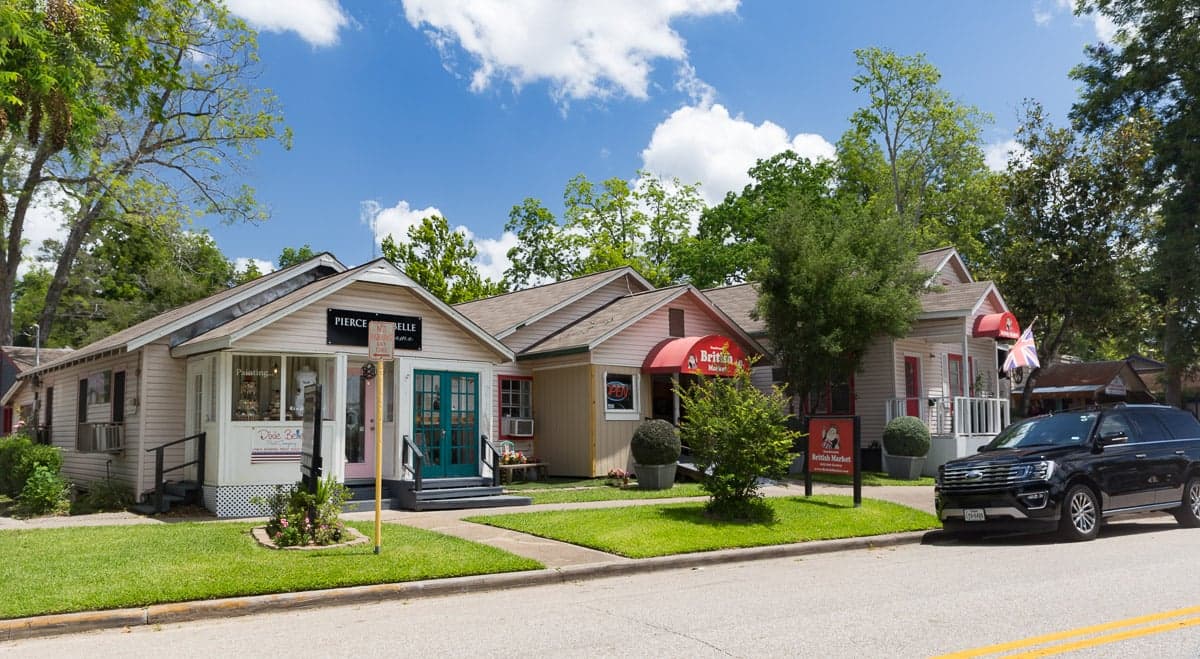
Photo: Wikipedia
Quality of Life in Spring, TX
Above-average quality of iife. The area offers a reasonable cost of living, decent mobility, and a mix of neighborhood amenities.
What does Quality of Life tell us?
Quality of Life blends cost of living, nearby amenities, socioeconomic signals, and neighborhood character. City-level scores represent the whole municipality; individual neighborhoods can differ.
What does this tell us?
Quality of Life blends cost of living, nearby amenities, socioeconomic signals, and neighborhood character. City-level scores represent the whole municipality; individual neighborhoods can differ.
Cost of Living
17% above national average
The Real Cost of Living in Spring, TX for 2026
| Tier | Individual | Family (4) |
|---|---|---|
| Survival | $26k | $50k |
| Comfortable | $43k | $63k |
| Luxury | $116k+ | $180k+ |
| Elite (Top 5%) | $137k+ | $212k+ |
137%
The Area Signal
A metric tracking the socioeconomic signals of the area.
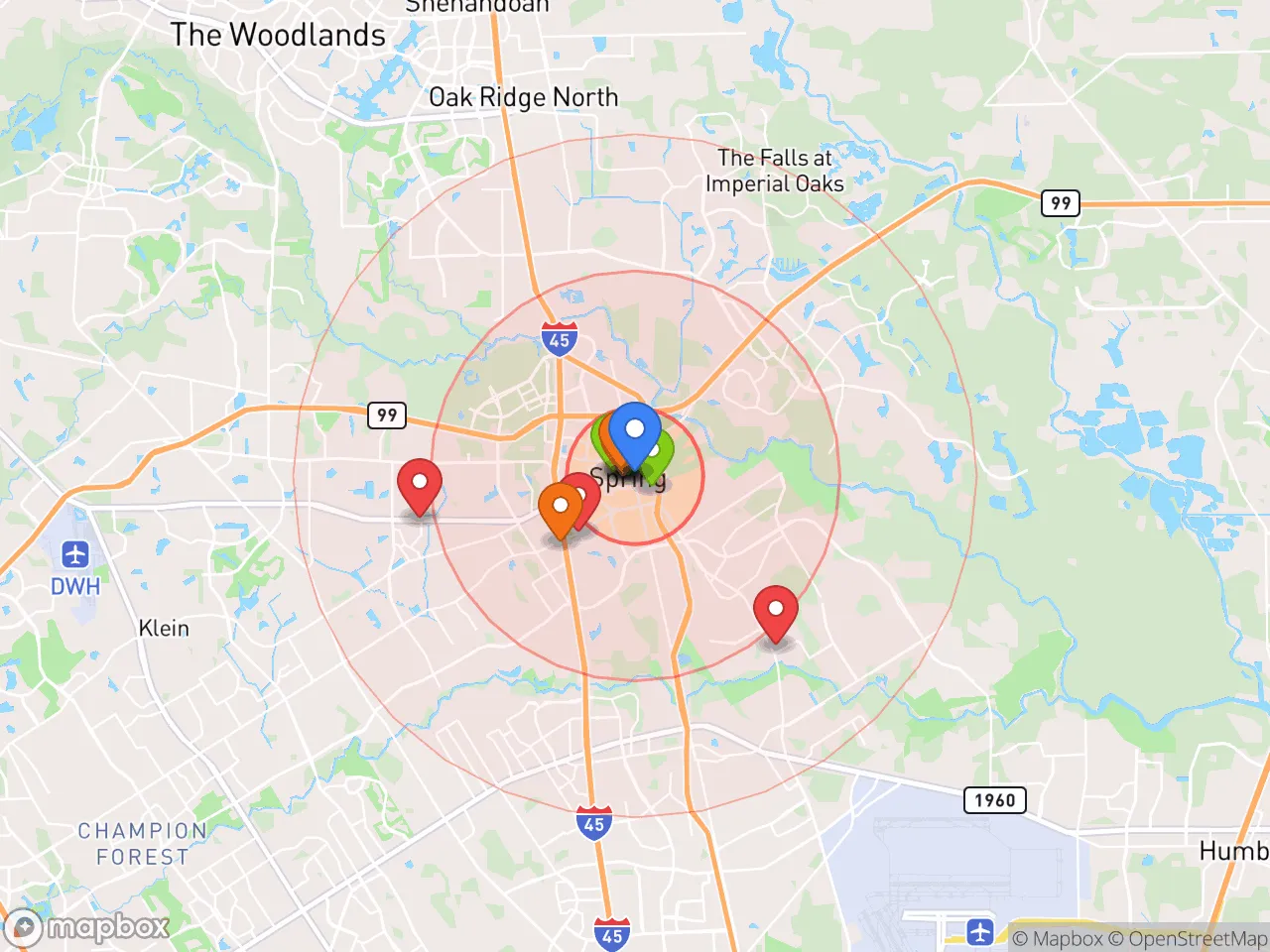
Hobbies
Explore the areaGroceries
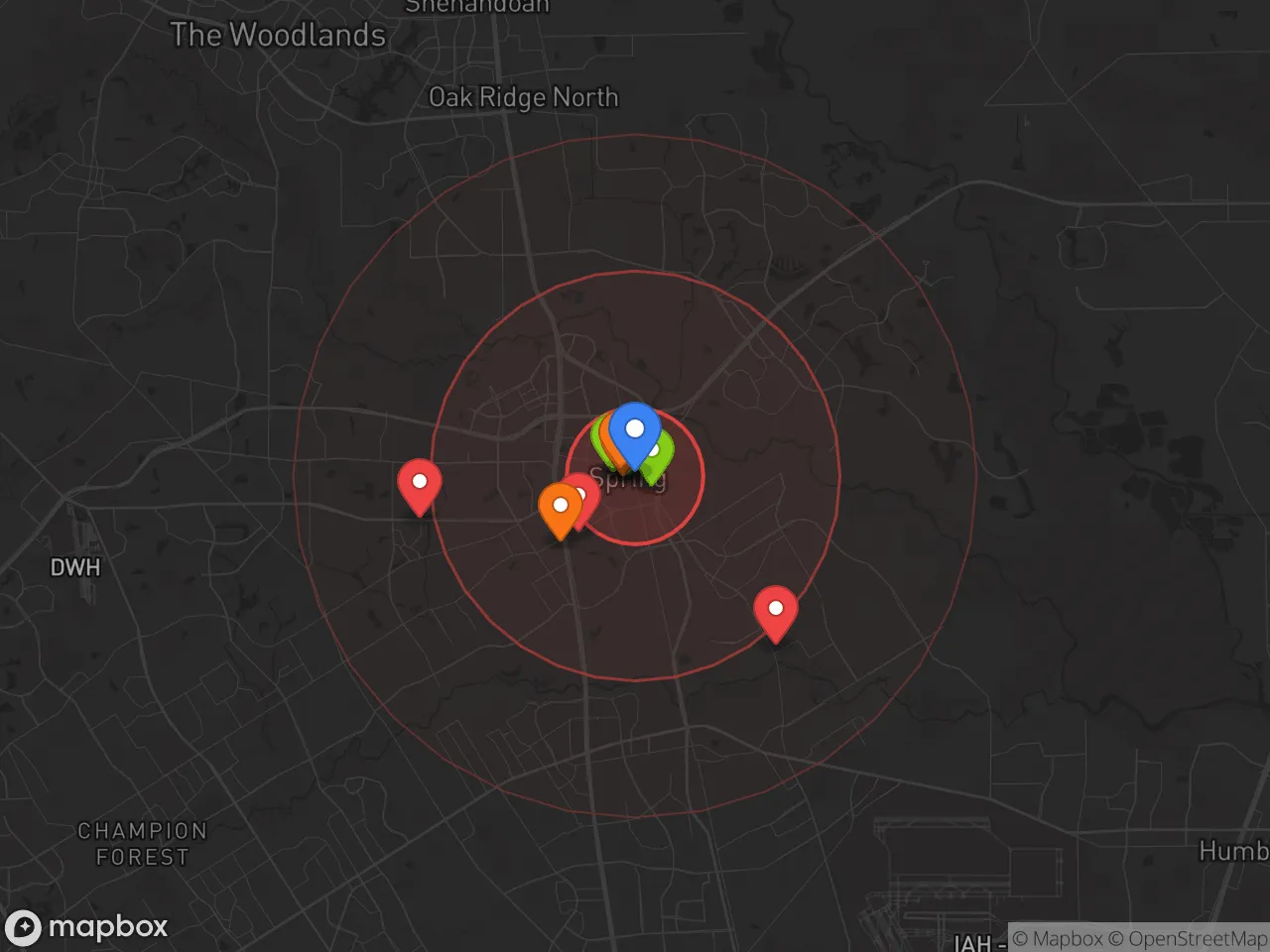
6 within 10 miles
Gas
20 within 10 miles
Hospital
20 within 20 miles
Airport
IAH — George Bush Intercontinental
Post Office
USPS — Spring, TX
Critical Amenities
Quality-of-Life Analysis
Spring, Texas, offers a quality of life defined by suburban affluence and family-oriented stability, attracting a population of professionals, executives, and long-term residents who prioritize space, good schools, and proximity to Houston’s job market. With a cost of living index of 117 (17% above the U.S. average), the area commands a premium for its large-lot homes and low crime rates, drawing those who can afford to trade urban density for a quieter, more spacious lifestyle. The community skews toward married couples with children, with a median age around 38, and a notable share of residents working in energy, healthcare, and technology sectors in The Woodlands and downtown Houston.
Cost of living and housing affordability compared to The Woodlands and Conroe
Spring’s cost of living sits between the higher-priced The Woodlands (index ~130) and more affordable Conroe (index ~105), making it a middle-ground option for buyers seeking value without sacrificing suburban amenities. The median home value of $221,300 is roughly 15% lower than The Woodlands’ median of $260,000, yet still 10% above the national average, reflecting strong demand for homes on half-acre to one-acre lots in established neighborhoods like Spring Creek Oaks and Gleannloch Farms. Median rent of $1,656 is comparable to Conroe but about $200 less than in The Woodlands, appealing to renters who want access to top-rated schools without the premium lease prices. The average commute of 31.6 minutes is slightly longer than the national average of 27 minutes, driven by the 25-mile drive along I-45 to downtown Houston, though residents note that traffic congestion is manageable outside peak hours compared to Katy or Sugar Land.
Schools, parks, and daily life for families in Spring
Daily life in Spring revolves around its highly rated public schools, extensive park system, and a slower pace that contrasts with Houston’s urban intensity. The area is served primarily by the Conroe Independent School District, with schools like Spring High School and Oak Ridge High School earning B+ ratings from Niche, while private options such as The John Cooper School in nearby The Woodlands draw families seeking college-preparatory rigor. Residents spend weekends at Mercer Botanic Gardens (a 300-acre arboretum with free admission) or the Spring Creek Greenway, a 12,000-acre linear park with over 40 miles of hiking and biking trails. The retail anchor is Old Town Spring, a historic district with boutique shops and seasonal festivals, while daily errands center on the ExxonMobil Campus area along I-45, which hosts grocery chains, medical offices, and casual dining. The rhythm is notably car-dependent—most errands require a 10- to 15-minute drive—but the absence of downtown Houston’s parking hassles is a frequent trade-off cited by residents.
Spring is best suited for families and professionals who value large lots, strong schools, and a suburban buffer from Houston’s congestion, while still needing reasonable commute times to the city’s employment centers. Empty-nesters and retirees are less common here, as the housing stock leans toward four-bedroom homes and the social scene revolves around school activities and youth sports. Those who thrive in Spring are typically willing to pay a 17% cost-of-living premium for a quieter, more spacious environment—and they accept the 31-minute commute as a fair price for a home with a yard and a top-tier school district.

Crime in Spring, TX
Lower crime rates than 79% of comparable U.S. locations.
Violent CrimeViolent Crime Analysis
Property CrimeProperty Crime Analysis
Crime Analysis
Spring, Texas, presents a mixed safety profile that is heavily influenced by its position within the broader Houston metropolitan area. While the city’s violent crime rate of 90.1 per 100,000 residents is notably lower than both the Texas state average and the national average, its property crime rate of 1,419.6 per 100,000 is significantly elevated, placing it above many peer suburbs. The overall safety picture is therefore one of low violent threat but a tangible risk of theft and burglary, a pattern common in rapidly growing suburban corridors near major urban centers.
Crime in context
Spring’s violent crime rate is roughly 75% lower than the national average, a statistic that places it among the safer communities in Harris County for personal safety. However, the property crime rate is approximately 30% higher than the national average, driven largely by vehicle break-ins, package theft, and residential burglaries. This disparity is a direct reflection of the area’s proximity to Houston, where property crime networks are more active. A significant concern for residents is the influence of the Harris County criminal justice system, which has been characterized by progressive district attorneys and judges who have implemented policies such as no-cash bail for many non-violent offenses and reduced prosecution of property crimes. Critics argue that these policies, while intended to reduce incarceration, have resulted in a revolving door for repeat offenders, directly increasing the likelihood of property crime in suburban communities like Spring. The data supports this: while violent crime has remained low, property crime rates have not declined as sharply as in neighboring counties with more traditional prosecutorial approaches.
What residents experience
For the average resident, daily life in Spring is not marked by a fear of violent confrontation, but by a constant vigilance regarding personal property. The most common complaints on local neighborhood apps and Nextdoor involve stolen packages from front porches, catalytic converter thefts from parked vehicles, and occasional car break-ins at shopping centers like the Woodlands Mall or along the I-45 corridor. The presence of the Harris County District Attorney’s office, which has publicly deprioritized prosecution of low-level property crimes, means that even when suspects are caught, consequences are often minimal. This creates a perception among residents that the justice system is more sympathetic to offenders than to victims, fostering a sense of frustration and a need for self-protection measures like security cameras and neighborhood watch programs. The low violent crime rate is a genuine positive, but the property crime environment is a persistent source of anxiety and financial loss.
Neighborhood-level variation is significant. Master-planned communities like the Woodlands (which shares a Spring mailing address) and gated subdivisions in the 77373 and 77386 zip codes experience far lower property crime rates due to private security and controlled access. In contrast, older, unincorporated areas along the Hardy Toll Road and near the Spring ISD campuses see higher rates of property crime. Prospective residents should prioritize homes in neighborhoods with active HOA security or established watch programs, as the county’s progressive justice policies offer little deterrent effect for property criminals operating in the area.
* Values derived from national, state, county, city and local statistics and may differ in a specific area. Last updated: 2026-07-30T01:58:28.000Z
Narrative content on this page is AI-generated and may contain mistakes. Verify any details that matter before acting on them.
ReloMaps may earn a commission from affiliate links at no extra cost to you.

