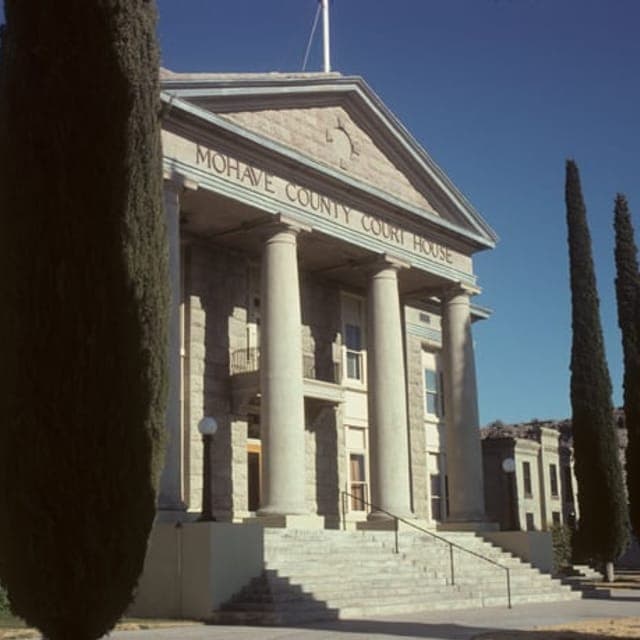
Photo: Wikipedia
Find The Best Places To Live
in Washington
PRO TIP! You can paste a Zillow or Redfin link to get info on that property.
What It's Like Living in Washington, UT
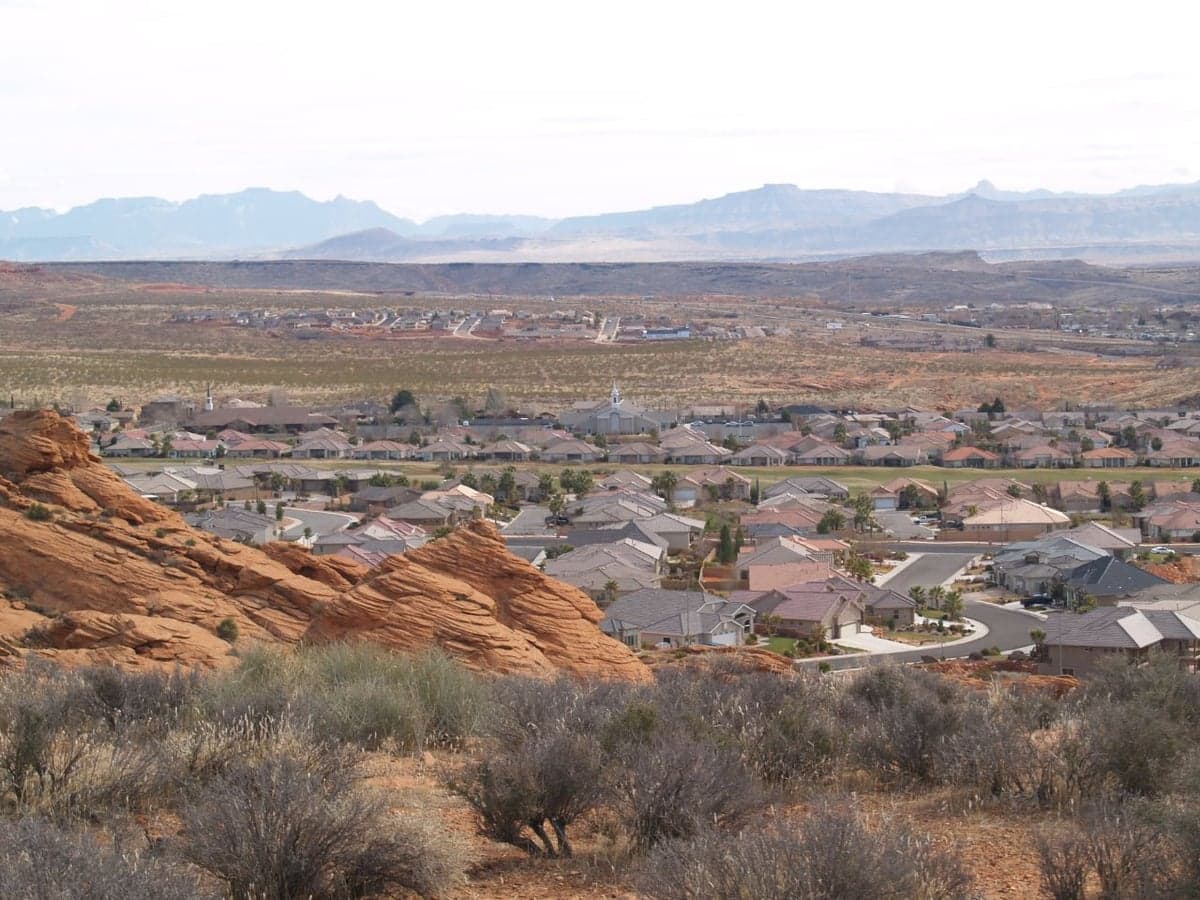
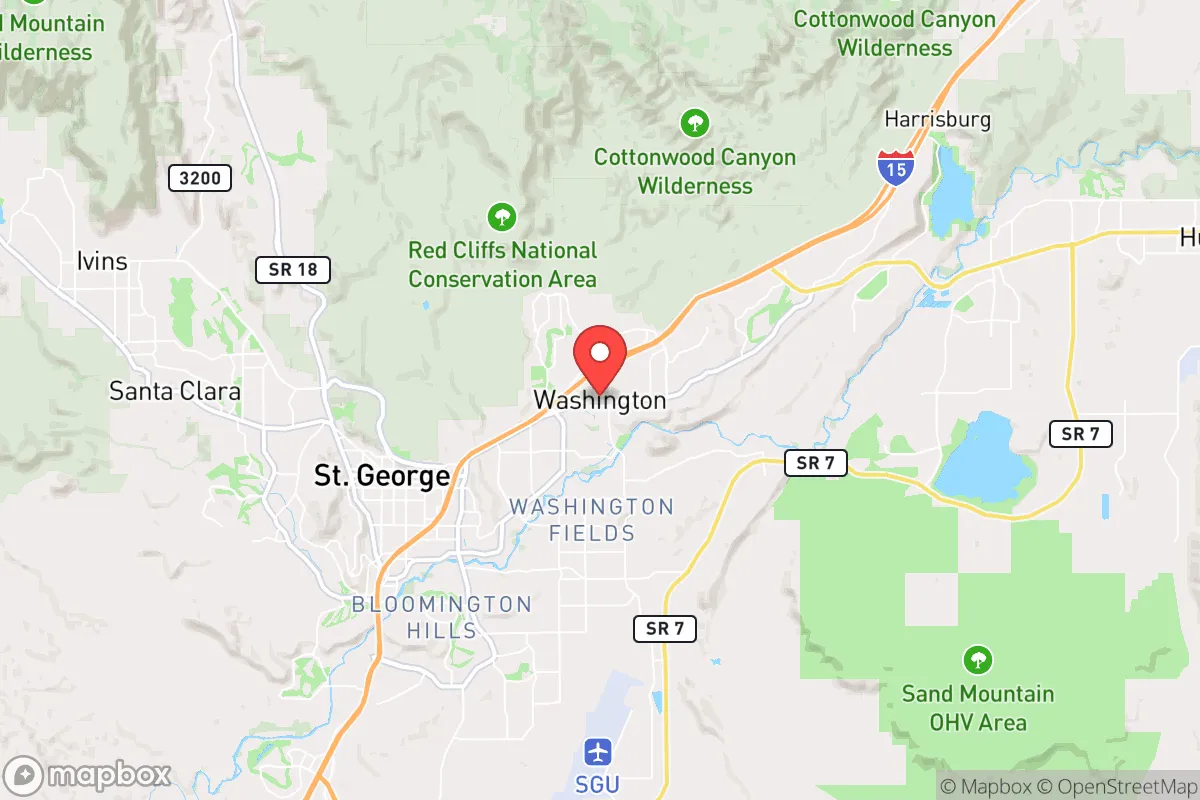
Living in Washington, Utah, feels a bit like being part of a small town that got a major upgrade. It’s not the tourist hub of St. George, just ten minutes up the road, and it’s not the sprawling new subdivisions of Hurricane. Instead, Washington has its own quiet identity—older homes with big lots, a historic downtown that still feels lived-in, and a pace of life that leans heavily into family, church, and the outdoors. If you’re looking for a place where neighbors know each other by name and the high school football game is the event of the week, this is it.
The Daily Rhythm: Work, School, and the Weekend
Most people here work in St. George or in the growing medical and service sectors around Washington itself. The median household income sits at $94,015, which supports a comfortable middle-class lifestyle—especially compared to pricier parts of Utah like Salt Lake or Park City. The median home value is $511,100, and while that’s steep for some, it’s still more attainable than what you’d find in California or Colorado. The cost of living index is 154, meaning you’ll pay about 50% more than the national average for everyday goods, but wages tend to keep pace here.
Weekends are spent on the trails. Snow Canyon State Park is a 15-minute drive, offering red rock hikes and lava tubes. The Virgin River runs through town, and locals float it in inner tubes during the summer. You’ll also see families at the Washington City Community Center, which has a pool, gym, and sports fields that are constantly in use. The high school—Pine View High School—is a big deal. Friday night football games draw crowds that rival some small college towns, and the rivalry with Desert Hills High School is genuine and intense.
Who Fits In Here
Washington attracts a specific kind of person: someone who values stability, community, and a slower pace. The median age is 38.8, which is younger than the national average, and you’ll see a lot of families with kids in elementary and middle school. About 34.7% of adults hold a college degree, so it’s not a highly educated workforce, but it’s not a blue-collar town either—think nurses, teachers, real estate agents, and remote workers who moved for the climate. The political lean is strongly conservative, and the LDS Church is a major social anchor. If you’re not LDS, you’ll still find community, but you’ll notice that many social events, from potlucks to neighborhood gatherings, are church-organized.
Affluence is modest but real. You won’t see many luxury cars or designer stores. Instead, you’ll see well-maintained homes, new trucks, and a lot of investment in kids’ sports and activities. The kind of person who thrives here is someone who doesn’t need a nightlife scene and is happy with a weekend hike, a barbecue, and a good book on the patio.
What There Is to Do (and What’s Missing)
The biggest entertainment draw is the outdoors. The Red Cliffs Desert Reserve is right next to town, with miles of mountain biking and hiking trails. The Washington City Arts Council puts on a few events a year, including a summer concert series at the city park. The Washington County Fair in August is a big deal—rodeo, carnival, livestock shows, and a demolition derby that draws people from all over southern Utah.
For food, locals swear by Viva Chicken for Peruvian rotisserie, and Riggatti’s Wood Fired Pizza for a casual dinner. There’s a Swig for the famous Utah dirty soda, and a handful of Mexican joints like El Patron that are always busy. Bars are scarce—Washington is a dry city in the sense that you won’t find a standalone bar; alcohol is served in restaurants, but the scene is low-key. If you want a real night out, you drive to St. George for places like Station 2 or George’s Corner.
What’s missing? A proper music venue, a movie theater (the closest is in St. George), and any kind of late-night culture. The town shuts down early, and that’s by design for most residents.
Honest Pros and Cons
- Pros: Low violent crime rate at 109.4 per 100,000—well below the national average. Strong sense of community. Proximity to world-class outdoor recreation. Good schools (Pine View High consistently ranks among Utah’s best). Affordable relative to other growing Utah towns.
- Cons: Summer heat is brutal—110°F is common in July, and the air quality can get hazy from dust and inversions. Traffic on the main drag (Telegraph Street) backs up during school drop-off and rush hour. The cost of living is high for what you get; a $511,000 median home price is a lot for a town without a major job base. And if you’re not into church or outdoor sports, you’ll find the social options thin.
Longtime residents love the quiet and the safety. They’re frustrated by the rapid growth—new subdivisions are popping up everywhere, and the small-town feel is slowly eroding. But for now, Washington still feels like a place where you can leave your front door unlocked and know your kid’s teacher by name.

Similar towns to Washington
* Values derived from national, state, county, city and local statistics and may differ in a specific area. Last updated: 2026-05-03T20:37:54.000Z
Narrative content on this page is AI-generated and may contain mistakes. Verify any details that matter before acting on them.
ReloMaps may earn a commission from affiliate links at no extra cost to you.

