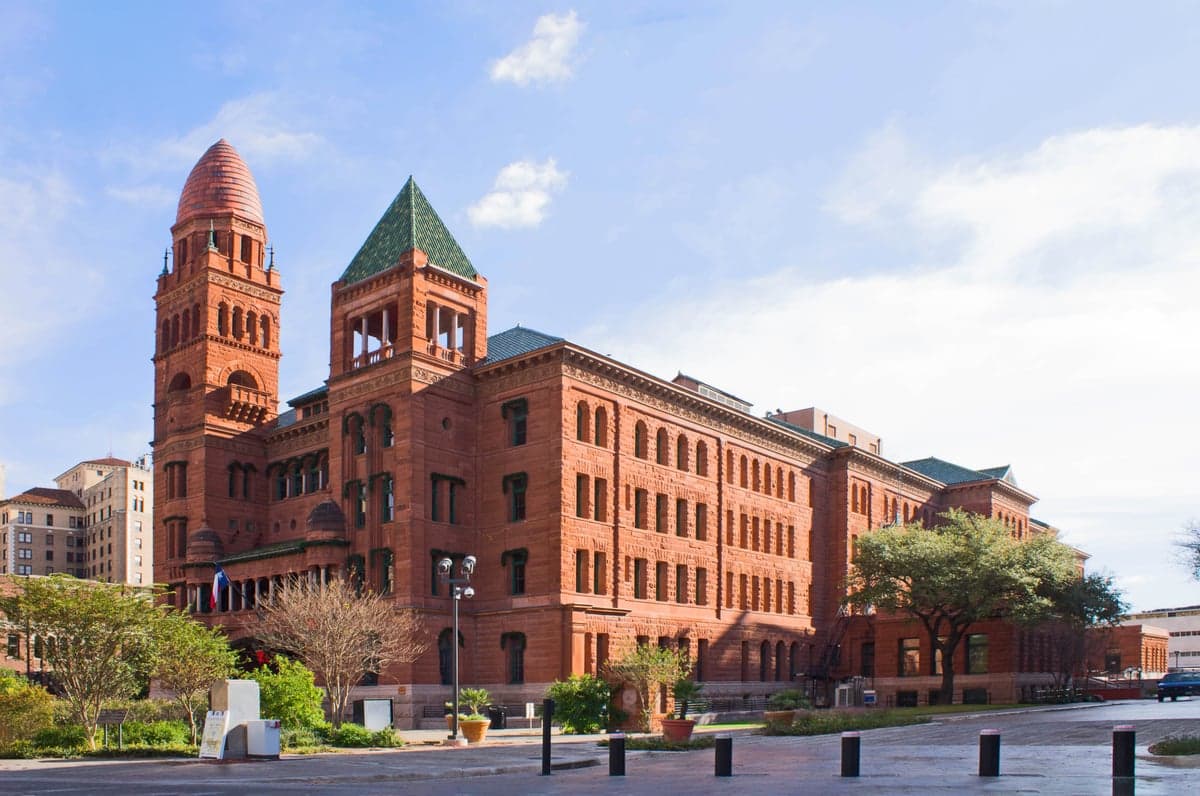
Photo: Wikipedia
Quality of Life in Bexar County
A livable area that tracks near national norms for affordability, walkability, and neighborhood health.
What does Quality of Life tell us?
Quality of Life measures an area by evaluating factors like cost of living, nearby amenities, country club access, airport proximity, socioeconomic signals and neighborhood character. For large states, this is a general average — quality of life can vary dramatically between metro areas, suburbs, and rural communities within the same state.
What does this tell us?
Quality of Life measures an area by evaluating factors like cost of living, nearby amenities, country club access, airport proximity, socioeconomic signals and neighborhood character. For large states, this is a general average — quality of life can vary dramatically between metro areas, suburbs, and rural communities within the same state.
Cost of Living
1% above national average
101%
The Real Cost of Living in Bexar County for 2026
| Tier | Individual | Family (4) |
|---|---|---|
| Survival | $21k | $39k |
| Comfortable | $47k | $70k |
| Luxury | $127k+ | $198k+ |
| Elite (Top 5%) | $154k+ | $238k+ |
Quality-of-Life Analysis
Bexar County, anchored by San Antonio, offers a quality-of-life spectrum that ranges from dense urban living in the state’s second-largest city to quiet, unincorporated rural stretches near the Medina River. The county draws a broad mix of residents: military families and medical professionals gravitate to the city’s core and its sprawling suburbs, while those seeking acreage and lower density settle in the county’s northern and southern fringes. With a cost-of-living index of 101 (on par with the national average) and a median home value of $244,100, the county provides housing affordability that is increasingly rare in Texas’s major metros.
Largest town & population centers
San Antonio dominates Bexar County, housing over 1.5 million residents and serving as the region’s economic and cultural hub. Daily life here is shaped by major employers like USAA, H-E-B, and Joint Base San Antonio, which together anchor a robust job market in finance, healthcare, and defense. The city’s urban core—neighborhoods like Alamo Heights, Tobin Hill, and the Pearl District—offers walkable access to the River Walk, museums, and a growing food scene, with median rents near $1,290 and commute times averaging 26 minutes. Suburban population centers such as Stone Oak, Helotes, and Converse provide master-planned communities with top-rated schools and larger homes, appealing to families and commuters who work in the city but prefer a quieter setting. Stone Oak, in particular, sees median home values above $350,000, while Converse offers entry-level homes closer to the county median of $244,100.
Smaller towns & rural pockets
Outside San Antonio’s suburban ring, Bexar County retains distinct smaller towns and unincorporated areas. Von Ormy, a small community southwest of the city, sits along Interstate 35 and offers a semi-rural feel with older homes on larger lots, though it lacks extensive retail or dining options. China Grove, an unincorporated area east of San Antonio, is known for its quiet, low-density residential streets and proximity to the Salado Creek greenway. Elmendorf and St. Hedwig, both in the county’s southern reaches, are farming and ranching communities where residents often commute 30–40 minutes into San Antonio for work. These areas typically have lower property taxes than the city proper but fewer public services, such as municipal water or trash pickup, which residents must arrange privately.
Cost & lifestyle range
The cost of living and lifestyle options vary dramatically across Bexar County. At the higher end, Alamo Heights and Olmos Park are affluent enclaves with median home values exceeding $500,000, excellent public schools, and easy access to downtown San Antonio’s cultural amenities. These areas attract professionals and empty-nesters willing to pay a premium for walkable, historic neighborhoods. At the lower end, south Bexar County near Palo Alto College and Lackland Air Force Base offers homes in the $150,000–$200,000 range, with a more industrial and working-class character. Rural pockets like northern Bexar County near Camp Bullis provide acreage properties for those seeking space, though commute times can stretch to 35–40 minutes. The county’s average commute of 25.8 minutes is manageable by Texas standards, but residents in the far south or north should budget for longer drives to reach grocery stores and healthcare facilities.
Bexar County works best for people who want urban energy, suburban convenience, or rural quiet without leaving a single county. Military families, healthcare workers, and first-time homebuyers find the most value in the southern and eastern suburbs, while professionals and retirees seeking walkability and prestige gravitate to the historic core and northern enclaves. The county’s balanced cost of living and diverse geography mean that most residents can find a neighborhood that matches their budget and lifestyle preferences, provided they are willing to accept the trade-offs in commute time and amenity access.

Crime in Bexar County
Crime rates similar to the national median for U.S. locations.
Violent CrimeViolent Crime Analysis
Property CrimeProperty Crime Analysis
Crime Analysis
Bexar County, anchored by San Antonio, reports a violent crime rate of 342.3 per 100,000 residents and a property crime rate of 1,780.9 per 100,000, placing it above both the Texas state average and national benchmarks for overall crime. While certain suburban enclaves like Alamo Heights, Olmos Park, and Hollywood Park maintain notably lower incident counts, the county's large urban core and progressive judicial policies in San Antonio contribute to a safety picture that demands careful neighborhood-by-neighborhood scrutiny. Residents and prospective movers should weigh these statistics against the specific jurisdictions and law enforcement approaches that shape daily life across Bexar County's diverse communities.
Crime in context
Bexar County's violent crime rate of 342.3 per 100,000 is approximately 15% higher than the Texas statewide average of roughly 298 per 100,000 and significantly exceeds the national rate of about 380 per 100,000 (though national figures vary by source). Property crime at 1,780.9 per 100,000 runs about 10% above the Texas average, driven largely by vehicle theft and burglary in high-density areas. The county's numbers are pulled upward by San Antonio's urban districts, particularly the East Side, West Side, and near-downtown zones around the 410 Loop, where poverty and gang activity concentrate. In contrast, the suburban cities of Leon Valley, Castle Hills, and Shavano Park report violent crime rates closer to 150-200 per 100,000, reflecting a stark intra-county divide. The Bexar County District Attorney's office, under progressive leadership since 2019, has implemented policies such as reduced cash bail for nonviolent offenses and diversion programs for low-level drug crimes, which critics argue have contributed to a rise in repeat property offenses and a perception of leniency that emboldens career criminals.
What residents experience
Daily life in Bexar County varies dramatically by location. In San Antonio's central districts, residents frequently report car break-ins, package theft, and occasional armed robberies near commercial corridors like Broadway and San Pedro Avenue. The SAPD response times in high-call-volume areas can exceed 20 minutes for non-emergency property crimes, leading many to rely on neighborhood watch apps and private security patrols. In the county's unincorporated areas, such as those near Von Ormy and Elmendorf, property crime rates are lower but law enforcement coverage is thinner, with the Bexar County Sheriff's Office covering vast rural stretches. A persistent concern across the county is the impact of progressive bail reform: judges in San Antonio's 144th and 175th District Courts frequently release defendants on personal recognizance for theft and drug possession charges, resulting in a revolving-door effect where repeat offenders cycle through the system without meaningful detention. This approach, while intended to reduce jail overcrowding, has frustrated victims who see their cases dismissed or plea-bargained down, and has been linked to a 20% increase in auto thefts between 2021 and 2024 in precincts with the most lenient magistrates.
Neighborhood-level safety is highly stratified. The affluent enclaves of Terrell Hills and Stone Oak benefit from private security patrols and lower population density, with violent crime rates under 100 per 100,000. Conversely, the South Side and near-West Side of San Antonio, including the 78207 and 78225 ZIP codes, experience violent crime rates exceeding 600 per 100,000, driven by domestic violence, gang disputes, and drug-related shootings. The county's most dangerous corridors include Interstate 35 through downtown and the San Antonio River Walk extension, where tourist-targeted thefts and assaults spike during peak seasons. For families and professionals relocating to Bexar County, the safest strategy is to target the northern and northwestern suburbs—Helotes, Fair Oaks Ranch, and Boerne (the latter technically in Kendall County but part of the Bexar metro)—where crime rates align with the safest Texas suburbs and local district attorneys maintain stricter prosecution standards for repeat offenders.
* Values derived from national, state, county, city and local statistics and may differ in a specific area. Last updated: 2026-05-10T18:10:41.000Z
Narrative content on this page is AI-generated and may contain mistakes. Verify any details that matter before acting on them.
ReloMaps may earn a commission from affiliate links at no extra cost to you.

