Photo: Wikipedia
Quality of Life in Clay County
A livable area that tracks near national norms for affordability, walkability, and neighborhood health.
What does Quality of Life tell us?
Quality of Life measures an area by evaluating factors like cost of living, nearby amenities, country club access, airport proximity, socioeconomic signals and neighborhood character. For large states, this is a general average — quality of life can vary dramatically between metro areas, suburbs, and rural communities within the same state.
What does this tell us?
Quality of Life measures an area by evaluating factors like cost of living, nearby amenities, country club access, airport proximity, socioeconomic signals and neighborhood character. For large states, this is a general average — quality of life can vary dramatically between metro areas, suburbs, and rural communities within the same state.
Cost of Living
35% below national average
168%
The Real Cost of Living in Clay County for 2026
| Tier | Individual | Family (4) |
|---|---|---|
| Survival | $13k | $25k |
| Comfortable | $31k | $46k |
| Luxury | $104k+ | $161k+ |
| Elite (Top 5%) | $122k+ | $189k+ |
Quality-of-Life Analysis
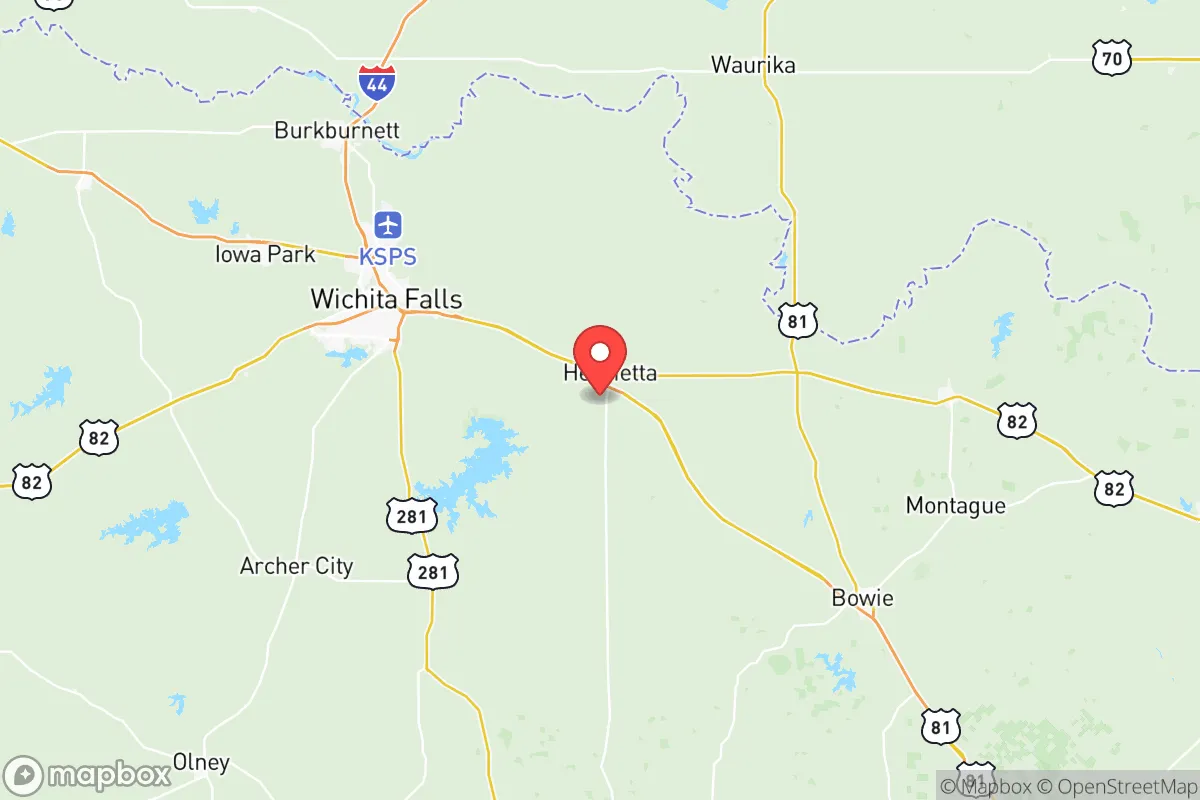
Clay County, Texas, offers a quality-of-life spectrum that ranges from the modest conveniences of its county seat, Henrietta, to the quiet isolation of unincorporated communities like Halsell and Joy, attracting everyone from young families seeking affordable housing to retirees and agricultural workers looking for wide-open spaces. The county’s character is defined by its position in the North Texas region, roughly 30 miles west of Wichita Falls, where the rolling plains meet ranchland. People drawn here typically prioritize low cost of living, a slower pace, and a strong sense of community over urban amenities, with the trade-off being longer drives for specialized shopping or healthcare.
Largest town(s) & population centers
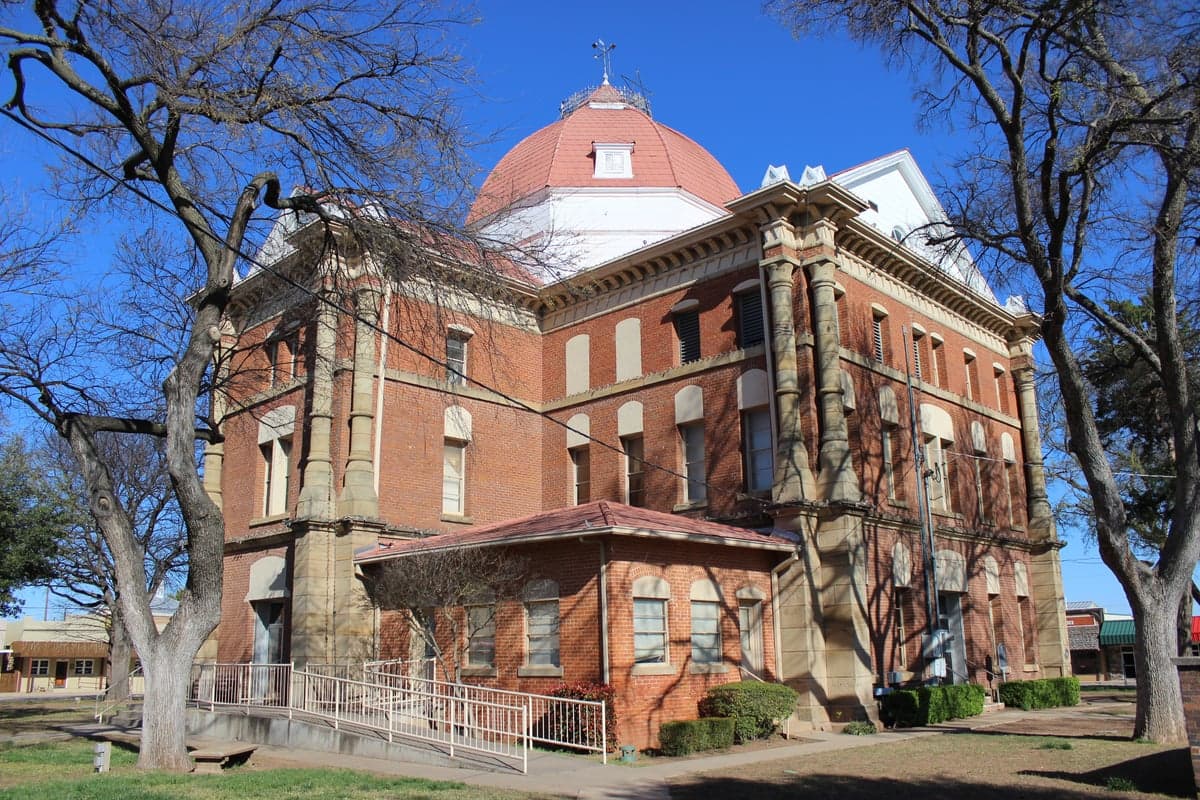
Henrietta, the county seat and largest town, is the primary population center with roughly 3,000 residents. Daily life here revolves around the historic downtown square, which houses the Clay County Courthouse, local diners, and small businesses like the Clay County Feed Store. The town offers essential services including a grocery store, a hardware store, and the United Regional Health Care System’s Henrietta clinic. Most employment is tied to local government, agriculture, and the nearby oil and gas industry. For families, Henrietta Independent School District serves the area with an elementary, middle, and high school, and the town hosts community events like the Clay County Pioneer Reunion. While Henrietta provides a walkable core, residents still rely on personal vehicles for most errands, with a countywide average commute of about 27 minutes—a figure that reflects the distance many travel to jobs in Wichita Falls or Bowie.
Smaller towns & rural pockets
Beyond Henrietta, Clay County’s smaller communities offer distinctly quieter lifestyles. Petrolia, with a population under 700, is a tight-knit town centered on its own independent school district and a handful of local churches and a post office. Further south, the unincorporated community of Byers sits near the Montague County line, known for its volunteer fire department and annual Byers Community Picnic. To the east, the tiny settlement of Halsell consists of scattered homes and farmland with no commercial services, appealing to those seeking near-total seclusion. Joy, another unincorporated area in the county’s northern reaches, is similarly sparse, with residents often commuting to Henrietta or Wichita Falls for work and supplies. These rural pockets are characterized by gravel roads, larger lot sizes (often 5–20 acres), and a reliance on well water and septic systems, offering a self-sufficient lifestyle that attracts homesteaders and ranchers.
Cost & lifestyle range
The cost of living in Clay County is exceptionally low, with a composite index of 65 (100 equals the U.S. average), making it one of the most affordable counties in Texas. The median home value sits at $161,300, and median rent is just $825, placing homeownership within reach for many. At the lower end of the spectrum, older homes in Petrolia or Byers can be found for under $120,000, often requiring some updates but offering significant acreage. In Henrietta, prices are slightly higher, with well-maintained three-bedroom homes near the square typically ranging from $150,000 to $200,000. The lifestyle range is stark: Henrietta provides sidewalks, a public library, and a few dining options like the Crossroads Café, while rural areas like Halsell or Joy offer zero commercial amenities, requiring a 20- to 30-minute drive for groceries or medical care. Property taxes in Clay County average around 1.5% of assessed value, lower than many urban Texas counties, which further reduces the annual carrying cost for homeowners.
This county is best suited for those who prioritize affordability, space, and a slower rhythm over career density or cultural variety. Young families can stretch a modest income further here than in most of Texas, while retirees and remote workers find the low housing costs and quiet environment appealing. However, the limited job market—largely in agriculture, oilfield services, and local government—means that professionals in specialized fields will likely commute to Wichita Falls or even the Dallas-Fort Worth metroplex, a drive of over an hour. For those who value self-reliance, community ties, and the ability to own land without a mortgage burden, Clay County delivers a quality of life that is increasingly rare in the state.

Crime in Clay County
Crime rates similar to the national median for U.S. locations.
Violent CrimeViolent Crime Analysis
Property CrimeProperty Crime Analysis
Crime Analysis
Clay County, Texas, presents a mixed safety profile that is significantly shaped by its rural character and proximity to the Wichita Falls metro area. With a violent crime rate of 345.5 per 100,000 residents and a property crime rate of 1,795.5 per 100,000, the county sits above the safest rural benchmarks but below the most dangerous urban centers in the state. The county seat of Henrietta and the smaller communities of Byers, Petrolia, and Bellevue each experience different levels of crime, with the unincorporated areas generally reporting fewer incidents than the town centers.
Crime in context
Clay County’s violent crime rate of 345.5 per 100,000 is roughly 15% higher than the national average of approximately 300 per 100,000, but it remains well below the Texas state average of about 450 per 100,000. Property crime in Clay County, at 1,795.5 per 100,000, is notably lower than both the national average (around 2,000) and the Texas average (approximately 2,400). This places Clay County in a middle tier among North Texas rural counties. For comparison, neighboring Wichita County, which includes the city of Wichita Falls, reports violent crime rates near 500 per 100,000, while more isolated counties like Archer County often fall below 250. The data suggests that while Clay County is not a high-crime area, it is not immune to the property and violent offenses that affect small-town Texas.
What residents experience
Residents of Henrietta, the largest town in Clay County, most frequently encounter property crimes such as burglary and theft, which account for the bulk of the county’s 1,795.5 rate. Vehicle theft and shed break-ins are common complaints in the rural outskirts near Byers and Petrolia, where isolated homes are easier targets. Violent crime, though less common, includes aggravated assault and occasional domestic violence incidents; homicides are rare, with the county recording zero or one per year in most recent years. The local sheriff’s office and the Henrietta Police Department maintain a visible presence, but response times in far-flung areas like Bellevue can exceed 20 minutes. Residents often rely on neighborhood watch programs and secured outbuildings to deter theft.
Neighborhood-level variation and judicial climate
Safety varies noticeably across Clay County’s communities. Henrietta’s core neighborhoods near the courthouse square are generally safe, with most crime concentrated along the US 287 corridor and near the high school. Petrolia and Byers report lower violent crime but higher rates of farm equipment theft. The unincorporated areas west of the Red River, near the Wichita County line, see occasional drug-related arrests but little violent crime. A critical factor for residents to consider is the judicial philosophy of the local district attorney and judges. Clay County is part of the 97th Judicial District, which also covers Montague County. The district attorney’s office in this region has historically taken a conservative, law-and-order approach, prioritizing prosecution and incarceration over diversion programs. This stands in contrast to larger, more progressive metro areas like Dallas or Houston, where liberal district attorneys have implemented policies that reduce sentences and release offenders pre-trial, contributing to higher recidivism and more criminals on the street. In Clay County, the emphasis on accountability means that offenders are more likely to face consequences, which directly supports public safety and victim justice. For families and retirees considering relocation, the combination of moderate crime rates and a tough-on-crime judicial environment makes Clay County a more secure choice than many urban or suburban alternatives in Texas.
* Values derived from national, state, county, city and local statistics and may differ in a specific area. Last updated: 2026-08-08T13:35:36.000Z
Narrative content on this page is AI-generated and may contain mistakes. Verify any details that matter before acting on them.
ReloMaps may earn a commission from affiliate links at no extra cost to you.

