Photo: Wikipedia
Find The Best Places To Live
in Wichita Falls
PRO TIP! You can paste a Zillow or Redfin link to get info on that property.
What It's Like Living in Wichita Falls, TX
Wichita Falls feels like a place where people still wave at neighbors and actually mean it. It’s a blue-collar, family-first city of about 102,500 people, where the median age hovers around 33 and the median home value sits at a remarkably affordable $142,600. The vibe is less "up-and-coming" and more "already settled" — a community built around Sheppard Air Force Base, a handful of solid employers, and a deep attachment to Friday night lights.
The Daily Rhythm and Who Fits In
Life here moves at a pace that can feel almost jarring if you’re coming from Dallas or Houston. The average commute is just over 14 minutes, which means you can live in a quiet neighborhood on the city’s southwest side, drop kids off at school, and be at your desk in the time it takes to listen to three songs. Most people work in healthcare (United Regional is a major employer), education (Midwestern State University and the public schools), or at Sheppard Air Force Base, which brings a steady, transient population of military families. The median household income is $58,568, and with a cost of living index of 71 (well below the national average of 100), that paycheck goes noticeably further here than in most of Texas.
The kind of person who thrives here is someone who values stability over hustle. You’ll find a lot of young families, retirees who want to stretch their savings, and single adults who work in trades, healthcare, or the military. It’s not a place for someone chasing nightlife or career-hopping in tech. But if you want a three-bedroom house with a yard for under $150,000 and a school system where teachers know your kid’s name, this is a strong contender.
Sports, Community, and Friday Night Lights
High school football is the closest thing Wichita Falls has to a civic religion. The rivalry between Rider High School and Wichita Falls High School (the Coyotes) is genuine and intense — expect packed stands, booster club fundraisers, and conversations at the grocery store about the quarterback’s arm strength. College sports are present but quieter: Midwestern State University fields competitive NCAA Division II teams, and the Mustangs’ football games at Memorial Stadium draw a loyal but modest crowd. There’s no pro team within two hours, so the big games are local. For hockey fans, the Wichita Falls Warriors (NAHL) offer a surprisingly good evening out at Kay Yeager Coliseum — cheap tickets, fast play, and a crowd that actually cheers.
What’s There to Do — Parks, Eats, and Quirks
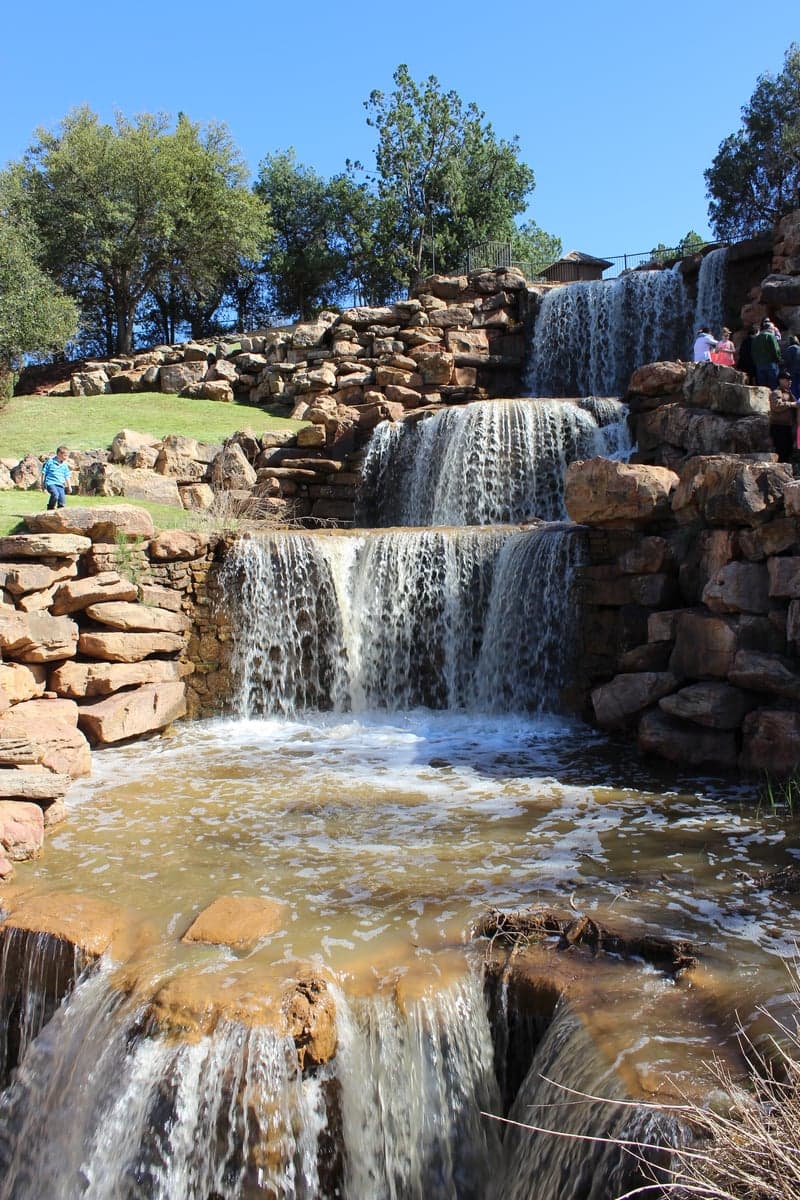
Weekends here revolve around the outdoors and a handful of beloved local spots. Lake Arrowhead State Park is a 20-minute drive and gets heavy use for fishing, kayaking, and camping. Lucy Park is the city’s green heart, with a long walking trail along the Wichita River and a disc golf course that draws a regular crowd. The city’s most famous landmark is the Wichita Falls Waterfall — yes, a man-made waterfall built in the 1980s to replace the original that collapsed. Locals have a love-hate relationship with it; it’s kitschy but undeniably a conversation starter.
For food, you’ll hear McBride’s Steakhouse mentioned first — it’s the go-to for anniversary dinners and business meetings, with a classic Texas steakhouse feel. Pioneer Drive-In is a local institution for burgers and shakes, and Bricktown Brewery (a regional chain) is the default spot for a beer and a burger after work. The Hotter’N Hell Hundred bike race every August is the city’s signature event — it draws thousands of cyclists from across the country, shuts down major roads, and turns the whole town into a giant block party. It’s also brutally hot, which is part of the point.
Pros and Cons of Living Here
Let’s be honest about the trade-offs. The biggest upside is financial: you can buy a decent house for $142,600, your utility bills are low, and your commute is negligible. The violent crime rate is 351.8 per 100,000, which is above the national average — it’s not a dangerous city by any stretch, but property crime and some gang activity exist, particularly in older neighborhoods near downtown. Most families I know choose the southwest side or the area around Sheppard Air Force Base for safety and schools.
The weather is a real factor. Summers are long, dry, and hot — expect 100°F days from June through September. Winters are mild but can bring ice storms that shut down the city for a day or two. Tornado season is real; the 1979 tornado that destroyed much of the city is still part of local memory, and storm shelters are common in older homes. On the flip side, the lack of humidity compared to Houston or Dallas makes the heat more bearable.
What longtime residents love most is the genuine sense of community. People show up for each other — whether it’s a fundraiser for a sick coworker or a neighborhood cookout. What frustrates them is the limited entertainment and dining options. You’ll drive to Dallas (about two hours) for concerts, major shopping, or a truly diverse restaurant scene. The airport is small and expensive, so most people drive to DFW for flights. If you’re okay with a quieter life and a lower cost of living, Wichita Falls is a solid, unpretentious place to put down roots.

Similar small cities to Wichita Falls

* Values derived from national, state, county, city and local statistics and may differ in a specific area. Last updated: 2026-04-19T07:24:44.000Z
Narrative content on this page is AI-generated and may contain mistakes. Verify any details that matter before acting on them.
ReloMaps may earn a commission from affiliate links at no extra cost to you.

