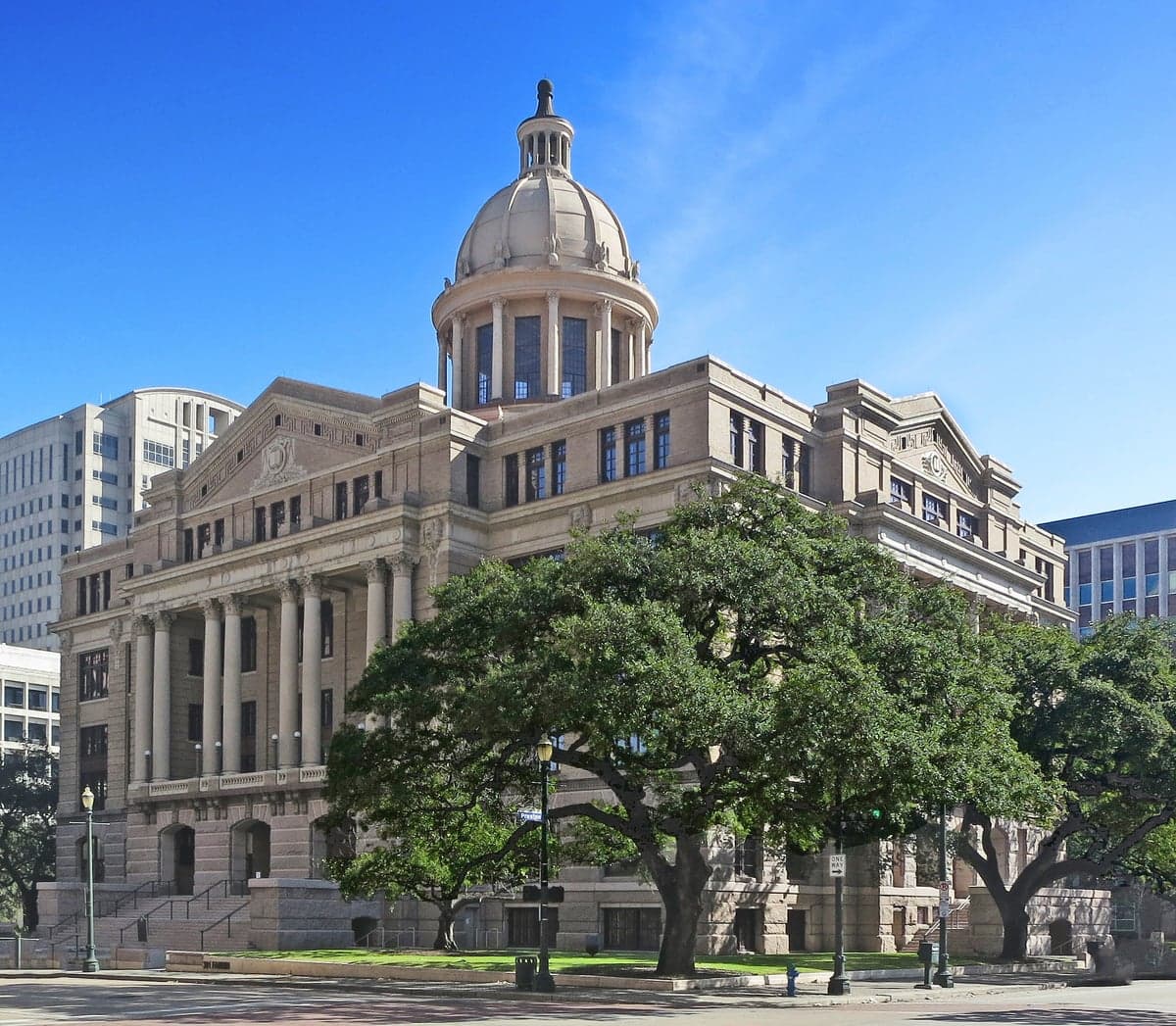
Photo: Wikipedia
Strategic Assessment of Harris County
High tactical risk. This location is likely close to major population centers, strategic targets, or sits in a high-disaster corridor. A retreat property and careful exit planning is required.
What does the Strategic Assessment tell us?
Our Strategic Assessment grades tactical survivability of an area. Major population centers, military targets, fallout zones, natural disasters, and border exposure all drive risk — lower exposure means a more defensible position in a crisis.
This is heavily inspired by Joel Skousen's Strategic Relocation book. Highly recommended you checkout the book ($)What does this tell us?
Our Strategic Assessment grades tactical survivability of an area. Major population centers, military targets, fallout zones, natural disasters, and border exposure all drive risk — lower exposure means a more defensible position in a crisis.
This is heavily inspired by Joel Skousen's Strategic Relocation book. Highly recommended you checkout the book ($)Strategic Pillars

Key Distances
Strategic Assessment Analysis
Harris County, Texas, presents a complex strategic picture for the conservative relocator focused on resilience. While its massive population and industrial density create significant vulnerabilities, the county’s geographic position—anchored by Houston and stretching from the San Jacinto River to the Gulf Coast—offers unique logistical advantages for those willing to navigate its risks. The key is understanding that this is not a retreat location; it is a staging ground, a place where preparation and awareness can turn a high-risk environment into a viable long-term base of operations.
Geographic position and natural advantages for long-term survival
Harris County sits at the intersection of major transportation corridors—Interstate 10, Interstate 45, and the Houston Ship Channel—giving it unmatched access to supply chains and evacuation routes. The county’s flat coastal plain, while lacking natural defensive terrain, provides abundant groundwater and a long growing season. The San Jacinto River and Buffalo Bayou systems offer reliable freshwater sources, though they require treatment. The proximity to the Gulf of Mexico means access to maritime resources, but also exposure to hurricane storm surge. For the prepper, the key advantage is the sheer volume of resources moving through the region: the Port of Houston is the busiest in the U.S. by foreign tonnage, and the Texas Medical Center is the world’s largest medical complex. In a prolonged crisis, being near these logistical hubs—if you can secure your own supply lines—could be a lifeline. The county’s flat terrain also makes it ideal for solar and wind energy generation, though grid reliability remains a persistent concern.
Risks, exposures, and proximity to fallout-relevant landmarks
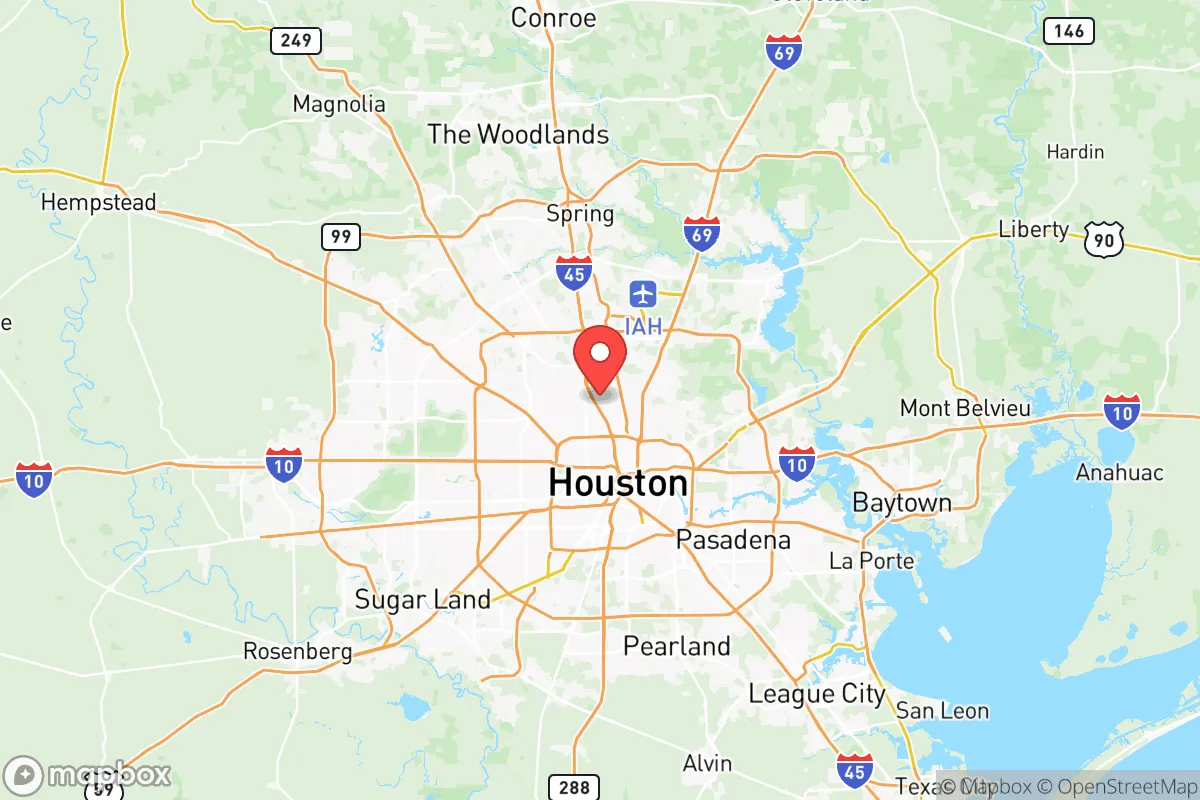
The downsides are substantial and demand honest assessment. Harris County is home to the Houston Ship Channel, a 52-mile corridor lined with over 200 petrochemical plants, refineries, and storage facilities. The Pasadena Refinery Complex and the Deer Park chemical plants are among the most concentrated industrial targets in the Western Hemisphere. A major incident—whether accidental or deliberate—could release toxic clouds, ignite fires, or cause cascading failures. The county also hosts the Lyndon B. Johnson Space Center in Clear Lake, a high-value national asset that could become a target during geopolitical instability. Additionally, the Port of Houston and the Houston Ship Channel are choke points for national energy and trade; any disruption here would ripple across the country. For the survivalist, the concentration of these assets means that a single event—a hurricane, a terrorist attack, or a grid failure—could trigger a mass evacuation of over 4 million people, clogging every major highway. The George Bush Intercontinental Airport and William P. Hobby Airport are also potential nodes for disease spread or civil unrest. The county’s proximity to the Texas Gulf Coast means hurricane risk is real, with storm surge capable of inundating low-lying areas like Baytown and La Porte.
Practical resilience for a relocator: food, water, energy, and defensibility
For the individual or family looking to establish a resilient foothold, the practical considerations are mixed. Water is abundant but requires treatment—the county’s groundwater is often high in minerals and can be contaminated by industrial runoff. A well with a proper filtration system is a must, but many suburban lots are on municipal water, which is vulnerable to system failure. Food production is feasible: the growing season runs from March to November, and community gardens are common in areas like Katy and Cypress. However, soil quality varies, and many subdivisions sit on clay-heavy soil that requires raised beds. Energy is a weak point—the Texas grid has proven fragile during winter storms (2021’s Uri) and summer heatwaves. Solar panels with battery storage are a wise investment, but note that net metering policies are less favorable than in some states. Defensibility is the hardest factor. Harris County is flat, sprawling, and densely populated. A rural homestead in Waller County or Montgomery County to the north offers better natural barriers (forests, rivers) and lower population density. Inside Harris County, the best options are the far western exurbs like Fulshear or Brookshire, where lot sizes are larger and neighbors are farther apart. Even there, the county’s lack of zoning means industrial uses can pop up nearby. For the prepper, the ideal is a property with a well, septic, solar, and a defensible perimeter—hard to find inside the county, but possible in the unincorporated areas near Tomball or Hockley.
The overall strategic picture for Harris County is one of high risk and high potential reward. It is not a bug-out location—it is a place to build a resilient network, stockpile supplies, and maintain situational awareness. The county’s economic engine means jobs, resources, and medical care are close at hand, but its density and industrial concentration demand constant vigilance. For the conservative relocator who values self-reliance and community, the best approach is to live on the periphery—west or northwest—while maintaining ties to the city’s infrastructure. The key is to treat Harris County as a base of operations, not a sanctuary. If you can secure your own water, power, and food, and if you have a plan for evacuation when the ship channel goes up or the grid goes down, this area can work. But it requires a level of preparation that most suburbanites never consider. The smart move is to visit, scout the terrain, and talk to locals who have lived through hurricanes and freezes. The data is clear: Harris County is a strategic asset, but only for those who treat it as such.

* Values derived from national, state, county, city and local statistics and may differ in a specific area. Last updated: 2026-05-21T13:08:51.000Z
Narrative content on this page is AI-generated and may contain mistakes. Verify any details that matter before acting on them.
ReloMaps may earn a commission from affiliate links at no extra cost to you.

