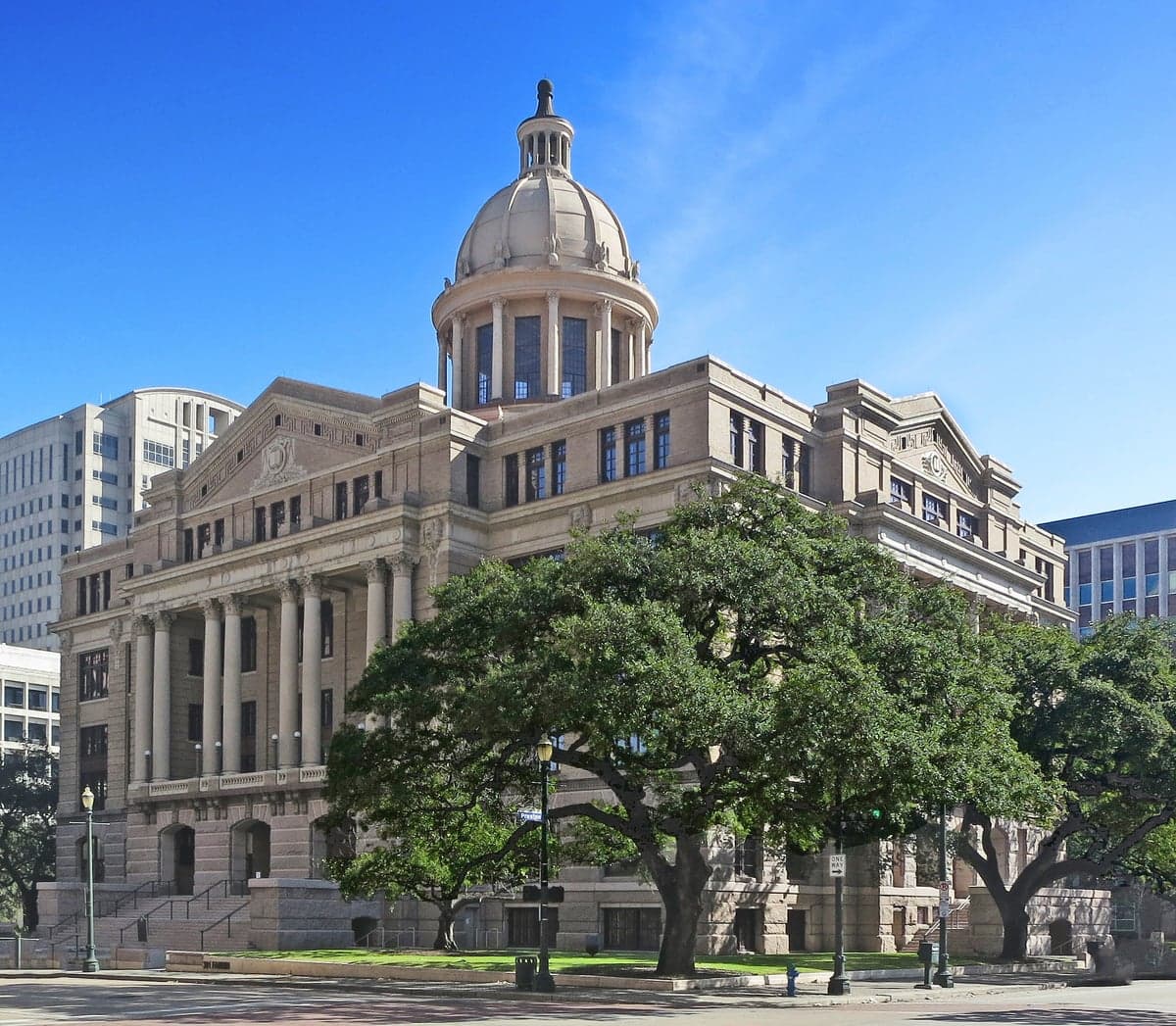
Photo: Wikipedia
Quality of Life in Harris County
A livable area that tracks near national norms for affordability, walkability, and neighborhood health.
What does Quality of Life tell us?
Quality of Life measures an area by evaluating factors like cost of living, nearby amenities, country club access, airport proximity, socioeconomic signals and neighborhood character. For large states, this is a general average — quality of life can vary dramatically between metro areas, suburbs, and rural communities within the same state.
What does this tell us?
Quality of Life measures an area by evaluating factors like cost of living, nearby amenities, country club access, airport proximity, socioeconomic signals and neighborhood character. For large states, this is a general average — quality of life can vary dramatically between metro areas, suburbs, and rural communities within the same state.
Cost of Living
6% above national average
100%
The Real Cost of Living in Harris County for 2026
| Tier | Individual | Family (4) |
|---|---|---|
| Survival | $22k | $40k |
| Comfortable | $50k | $73k |
| Luxury | $132k+ | $205k+ |
| Elite (Top 5%) | $188k+ | $291k+ |
Quality-of-Life Analysis
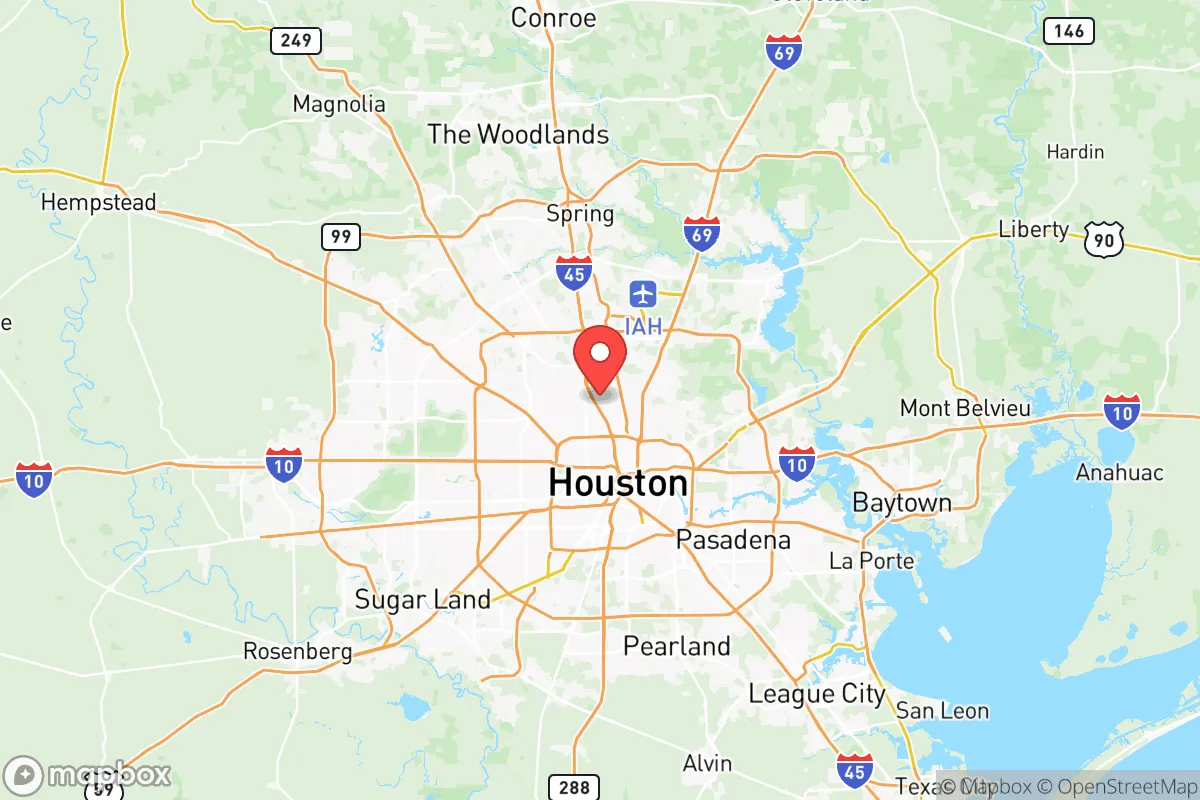
Harris County, Texas, offers a broad quality-of-life spectrum that ranges from the dense, fast-paced urban core of Houston to quiet unincorporated crossroads and rural subdivisions, drawing everyone from corporate professionals and medical researchers to small-town families and agricultural workers. The county’s character is defined by this contrast: the eastern and central sections are dominated by Houston’s sprawling infrastructure and global economy, while the western and northern fringes retain piney woods, horse properties, and bedroom communities where commutes stretch past 30 minutes. With a cost-of-living index of 106 (slightly above the national average) and a median home value of $255,000, the county provides more affordable entry points than many major metros, but the trade-off is an average commute of nearly 29 minutes that varies dramatically by location.
Largest town(s) & population centers
Houston is the undisputed anchor, a city of over 2.3 million where daily life revolves around the Texas Medical Center, the Energy Corridor, and a dense network of freeways. Residents here trade space for access: median rents hit $1,349, and walkable neighborhoods like the Heights, Montrose, and Midtown command premiums well above the county median home value. Suburban hubs within the county—such as Pasadena (population ~150,000), Baytown (~83,000), and Conroe (partly in Montgomery County but with Harris County spillover)—offer more land and lower housing costs, but commutes into Houston can exceed 40 minutes. Katy, a fast-growing exurb straddling the western county line, has become a magnet for families seeking top-rated Katy ISD schools and new master-planned communities, with median home prices often pushing $350,000 in the newer sections. Humble and Kingwood (an unincorporated area) provide a wooded, suburban feel near George Bush Intercontinental Airport, appealing to aviation and logistics workers.
Smaller towns & rural pockets
Beyond the suburban ring, Harris County still contains distinct small towns and unincorporated rural pockets. Tomball, in the northwest, retains a historic downtown square and a small-town atmosphere, with a population around 12,000 and a median home value closer to $280,000; its annual Tomball German Festival draws regional visitors. Crosby, east of Houston near the San Jacinto River, is a unincorporated community of roughly 3,000 where many residents live on acreage and commute to petrochemical plants in Baytown or Channelview. Huffman, in the far northeast along Lake Houston, offers waterfront lots and a slower pace, with median home values dipping to $220,000. Barker and Addicks, unincorporated areas west of the Energy Corridor, are largely rural with horse properties and small ranches, though development pressure is rising. These areas typically lack municipal services like city water and sewer, relying on wells and septic systems, which keeps property taxes lower but requires more homeowner maintenance.
Cost & lifestyle range
The cost-of-living spread across Harris County is wide. At the high end, West University Place and Bellaire—enclaves inside Houston’s Loop 610—post median home values above $1 million, with walkable village centers and top-tier public schools, attracting lawyers, doctors, and energy executives. At the low end, unincorporated areas near Sheldon and northeast Harris County (around the Eastex Freeway) have median home values below $180,000, but residents face longer commutes, fewer retail options, and higher flood risk in some zones. Renters in Greenspoint or Northline can find two-bedroom apartments for under $1,000, though crime rates in those neighborhoods are above the county average. The median rent of $1,349 is achievable in many suburban complexes, but in Houston’s core, one-bedroom units average $1,500–$1,800. Property taxes are a major factor: Harris County’s combined rate averages roughly 2.0–2.5% of assessed value, meaning a $255,000 home carries an annual tax bill of $5,100–$6,375, which is offset by no state income tax.
Who thrives in Harris County? The county suits people who value economic opportunity and diversity over natural scenery or short commutes. Professionals in energy, healthcare, and logistics find unmatched job density in Houston, while families willing to accept a 35–45 minute commute can access affordable homes in Katy, Tomball, or Crosby. Rural-minded residents who want acreage without leaving a major metro area gravitate to Huffman or Barker. The trade-off is consistent: lower housing costs than coastal metros, but higher property taxes, traffic congestion, and flood insurance requirements that demand careful financial planning. For those who prioritize career growth and cultural variety over quiet solitude, Harris County delivers a range of lifestyles that few other U.S. counties can match.

Crime in Harris County
Crime rates similar to the national median for U.S. locations.
Violent CrimeViolent Crime Analysis
Property CrimeProperty Crime Analysis
Crime Analysis
Harris County, Texas, presents a mixed safety picture defined by a violent crime rate of 342.3 per 100,000 residents and a property crime rate of 1,780.9 per 100,000. While these figures place the county above national averages, the experience of safety varies dramatically between the urban core of Houston and its suburban municipalities. The county’s size—home to over 4.7 million people—means that crime is not evenly distributed, and local law enforcement and judicial policies play a significant role in shaping outcomes.
Crime in context
Harris County’s violent crime rate of 342.3 per 100K is approximately 15% higher than the Texas state average of roughly 298 per 100K and well above the national rate of about 380 per 100K (which is inflated by a few large cities). Property crime at 1,780.9 per 100K is also elevated compared to the state average of around 1,600 per 100K. However, these county-level figures are heavily influenced by Houston, which accounts for the majority of the population and crime. When comparing to other large Texas counties, Harris County’s violent crime rate sits between Dallas County (roughly 380 per 100K) and Bexar County (San Antonio area, around 320 per 100K). Suburban cities like Katy, Sugar Land, and Pearland consistently report violent crime rates below 200 per 100K, often 40-50% lower than the county average, while parts of Houston’s Fifth Ward and Sunnyside see rates exceeding 600 per 100K.
What residents experience
For residents, the most tangible safety concerns are property crimes—burglary, theft, and vehicle break-ins—which are common across the county, even in relatively safe suburbs. Car thefts, in particular, have spiked in areas like Spring and Humble near major highways. Violent crime, while less frequent, is concentrated in specific Houston neighborhoods and along the I-45 and US-59 corridors. A critical factor shaping public safety is the philosophy of the Harris County District Attorney’s office. Under progressive leadership in recent years, the office has implemented policies such as no-cash bail for many non-violent offenders and reduced prosecution of low-level drug possession. Critics argue these policies have led to more repeat offenders on the streets, contributing to a perception that the justice system prioritizes offender rehabilitation over victim protection. For example, a 2023 analysis by the Texas Public Policy Foundation found that Harris County’s pretrial release rate for felony defendants was nearly 20% higher than the state average, with a corresponding increase in rearrests for new crimes while awaiting trial. This has direct consequences: residents in areas like Alief and Gulfton report feeling less secure knowing that individuals arrested for theft or assault may be released within hours.
Neighborhood-level variation is stark. The safest areas in Harris County are typically the master-planned suburbs: The Woodlands, Cinco Ranch (Katy), and Sienna Plantation (Missouri City) all report violent crime rates below 150 per 100K, with robust private security and community patrols. In contrast, the highest-crime zip codes—77026 (Fifth Ward), 77033 (Sunnyside), and 77088 (Acres Homes)—see violent crime rates above 500 per 100K. Property crime is more widespread but still clusters near commercial corridors and transit hubs. For anyone considering relocation, the choice of municipality within Harris County is the single most important safety decision, as local police funding, city ordinances, and proximity to Houston’s crime hotspots create vastly different daily realities.
* Values derived from national, state, county, city and local statistics and may differ in a specific area. Last updated: 2026-05-21T13:08:51.000Z
Narrative content on this page is AI-generated and may contain mistakes. Verify any details that matter before acting on them.
ReloMaps may earn a commission from affiliate links at no extra cost to you.

