Photo: Wikipedia
Find The Best Places To Live
in Oregon City
PRO TIP! You can paste a Zillow or Redfin link to get info on that property.
What It's Like Living in Oregon City, OR
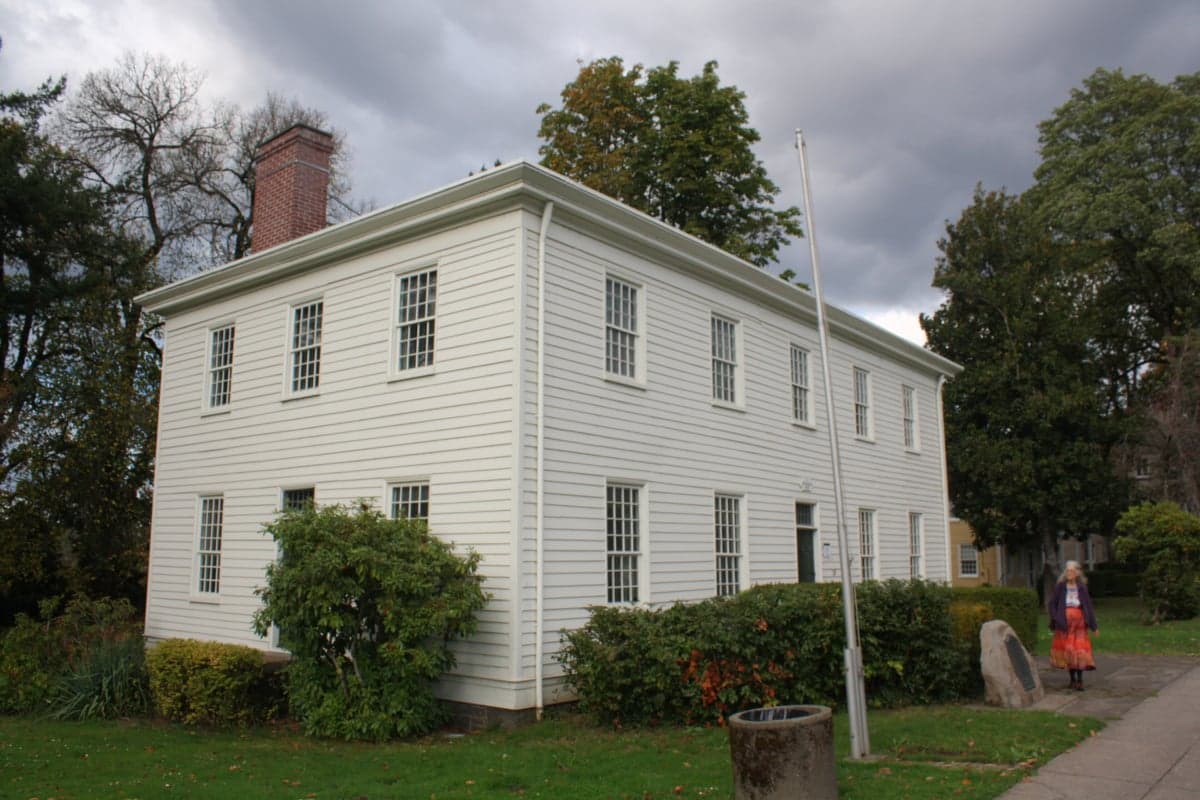
Oregon City carries a split personality that somehow works. It’s the oldest incorporated city west of the Rockies, with a historic downtown that feels like a movie set, yet it’s also a practical commuter base for Portland, just 20 minutes north. You get the sense that people here are protective of its small-town bones but resigned to the fact that the metro area is creeping in. It’s a place where you can grab a craft beer in a building that survived the 1861 flood, then drive home past a new subdivision that didn’t exist five years ago.
Daily Rhythm: The Commute, the Weather, and the Weekend
The average commute here clocks in at about 27 minutes, which sounds manageable until you factor in the I-205 bridge bottleneck. Most working residents head north toward Portland or west toward Wilsonville and Tualatin. The flip side is that the city itself is a job center for Clackamas County government, the hospital, and a growing tech-adjacent workforce. Weekends are for the Saturday farmers market on the waterfront, hiking the 40-mile Springwater Corridor trail, or grabbing a table at McMenamins Oregon City—a converted historic bank with a rooftop bar that locals actually use, not just tourists. The weather follows the Willamette Valley script: gray and drizzly from November through March, then stunningly green and mild from April through October. Summer days are long and dry, which makes the outdoor scene feel urgent and appreciated.
Sports, Community, and the Schools Factor
Oregon City is high school sports territory. Oregon City High School football and basketball games draw real crowds, especially when they face rival West Linn or Lake Oswego. The Pioneers have a strong tradition in track and field, and the community shows up. There’s no pro team in town, but the Portland Timbers and Trail Blazers are a 25-minute drive away, and you’ll see plenty of Timbers scarves on game days. The schools themselves—Oregon City School District—are a mixed bag. Some elementary schools are highly rated, but the high school gets mixed reviews from parents who compare it to suburban districts like Lake Oswego or West Linn. That comparison drives a lot of housing decisions: median home value is $531,400, which is steep for the region but still $100K less than Lake Oswego. Families who can’t afford the west-side suburbs often land here, and they tend to be pragmatic about the trade-offs.
What’s There to Do: Festivals, Bars, and the Outdoor Loop
The big annual event is the Oregon City Festival of the Arts in August, which takes over the historic McLoughlin Promenade and draws artists from across the Pacific Northwest. The Fourth of July celebration at Clackamette Park is a genuine community gathering—fireworks over the Willamette, food trucks, families on blankets. For nightlife, it’s not Portland. The bar scene is thin but functional: Oregon City Brewing Company is the local favorite for a pint and a pretzel, and the Highland Stillhouse has a solid whiskey list and a quieter vibe. If you want a proper night out, you drive to Portland. Outdoor life is the real draw. Willamette Falls is the centerpiece—the second-largest waterfall by volume in the U.S.—and the new riverwalk gives you a front-row view. The Clackamas River is 10 minutes east for fishing, rafting, and swimming in summer. It’s the kind of place where people own kayaks and actually use them.
Pros and Cons of Living Here
- Pro: Genuine history and character. The downtown has brick buildings, a working elevator to the upper bluff, and a sense of place that suburbs like Happy Valley can’t replicate. You can walk the McLoughlin Promenade and feel like you’re in a different century.
- Con: Traffic and bridge dependence. The I-205 Abernethy Bridge is a daily frustration. One accident and your 27-minute commute becomes an hour. Locals learn alternate routes through Oregon City’s winding hills, but there’s no avoiding the bottleneck entirely.
- Pro: Outdoor access without the price tag. You can be on the Clackamas River in 10 minutes, in the Mount Hood National Forest in 45, and on the Oregon Coast in 90. That kind of access usually costs more than a median income of $94,648, but here it’s within reach for a dual-income household.
- Con: Cost of living is real. The index sits at 158, well above the national average. Housing is the main driver. Rentals are tight, and the $531,400 median home price means first-time buyers often need a dual income or a down payment from family.
- Pro: A quieter version of Portland culture. You get the food carts, the craft beer, and the progressive politics of the metro area, but without the homeless encampments and property crime spikes that frustrate Portland residents. The violent crime rate of 265.2 per 100K is higher than the national average but lower than Portland’s, and most residents feel safe in their neighborhoods.
- Con: It’s not a nightlife town. If your idea of a good weekend involves live music past 10 PM or a diverse restaurant scene, you’ll be driving to Portland. The local dining is improving—Pizzeria Otto and Brick & Mortar Café are standouts—but it’s still a small city’s selection.
The kind of person who fits in Oregon City is someone who wants the Pacific Northwest lifestyle—rain, rivers, mountains, and a slower pace—but can’t afford or doesn’t want the full Portland experience. It’s a place for people who are willing to trade a longer commute for a house with a yard, who value history over new construction, and who don’t mind that the best restaurant in town is a 15-minute drive away. The median age is 36.4, and 32.5% of adults hold a college degree, which puts it slightly below the Portland metro average but above the national norm. It’s a blue-collar town with a white-collar overlay, and that tension gives it an edge that newer suburbs lack. You won’t find a lot of pretension here, but you will find people who know their neighbors and who will tell you, honestly, whether Oregon City is right for you.

Similar towns to Oregon City
* Values derived from national, state, county, city and local statistics and may differ in a specific area. Last updated: 2026-05-03T01:52:30.000Z
Narrative content on this page is AI-generated and may contain mistakes. Verify any details that matter before acting on them.
ReloMaps may earn a commission from affiliate links at no extra cost to you.

