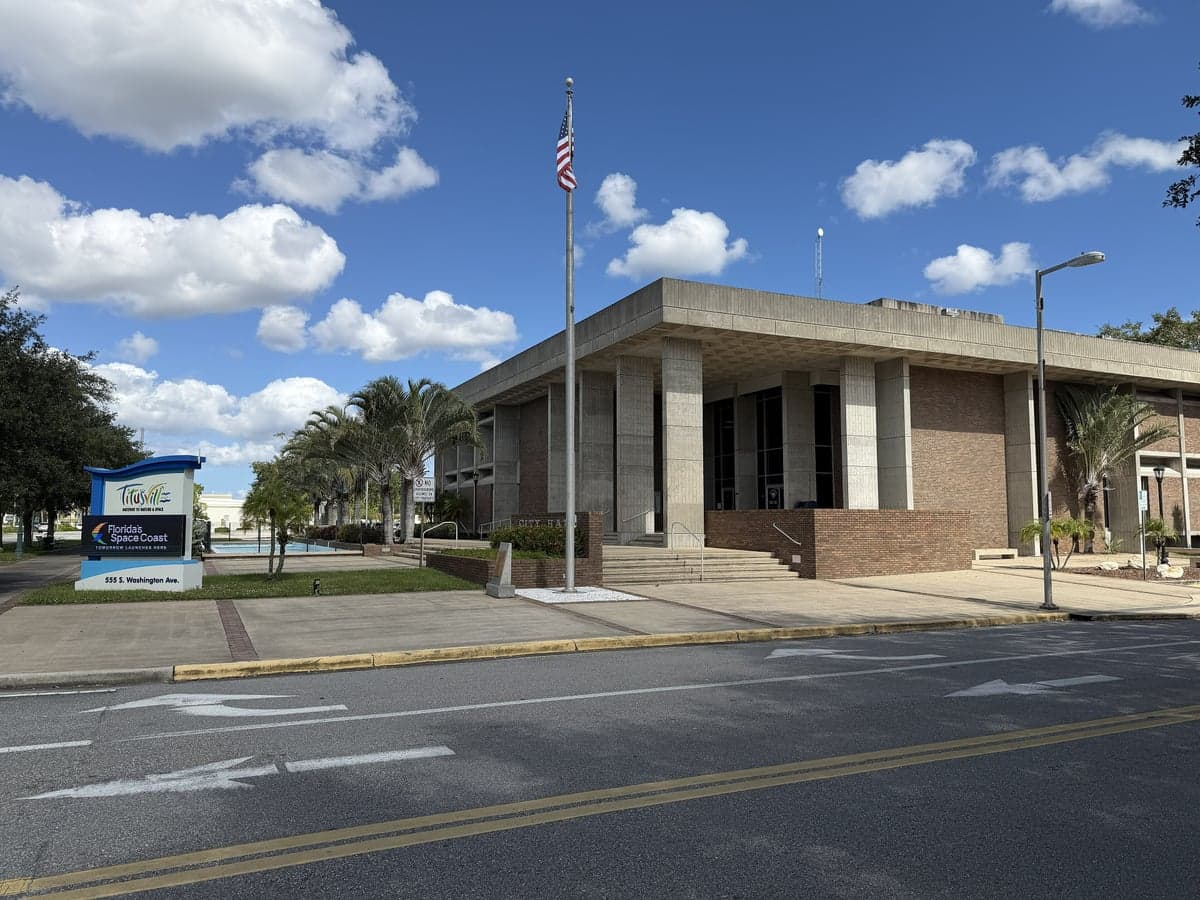
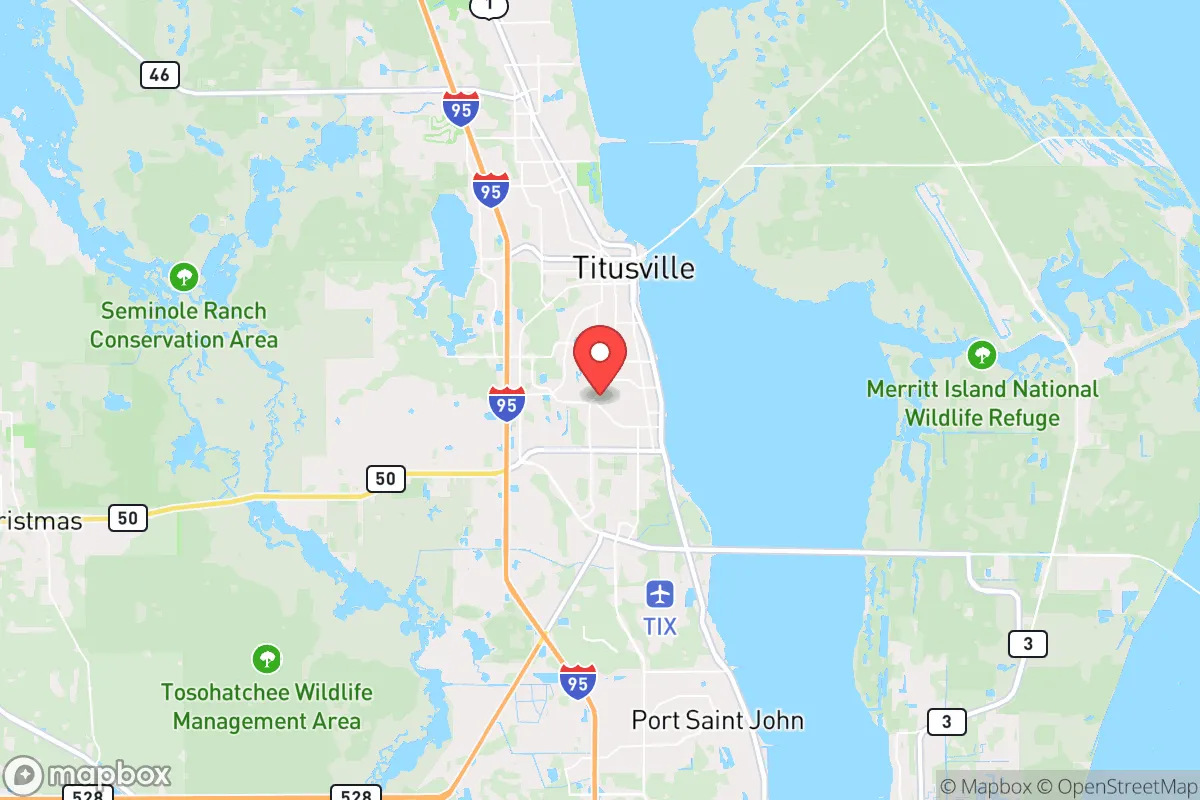
Photo: Wikipedia
Quality of Life in Titusville, FL
A high quality of life with strong walkability, manageable living costs, healthy neighborhood signals, and solid amenity access.
What does Quality of Life tell us?
Quality of Life blends cost of living, nearby amenities, socioeconomic signals, and neighborhood character. City-level scores represent the whole municipality; individual neighborhoods can differ.
What does this tell us?
Quality of Life blends cost of living, nearby amenities, socioeconomic signals, and neighborhood character. City-level scores represent the whole municipality; individual neighborhoods can differ.
Cost of Living
1% above national average
The Real Cost of Living in Titusville, FL for 2026
| Tier | Individual | Family (4) |
|---|---|---|
| Survival | $20k | $38k |
| Comfortable | $47k | $69k |
| Luxury | $102k+ | $159k+ |
| Elite (Top 5%) | $120k+ | $187k+ |
93%
The Area Signal
A metric tracking the socioeconomic signals of the area.
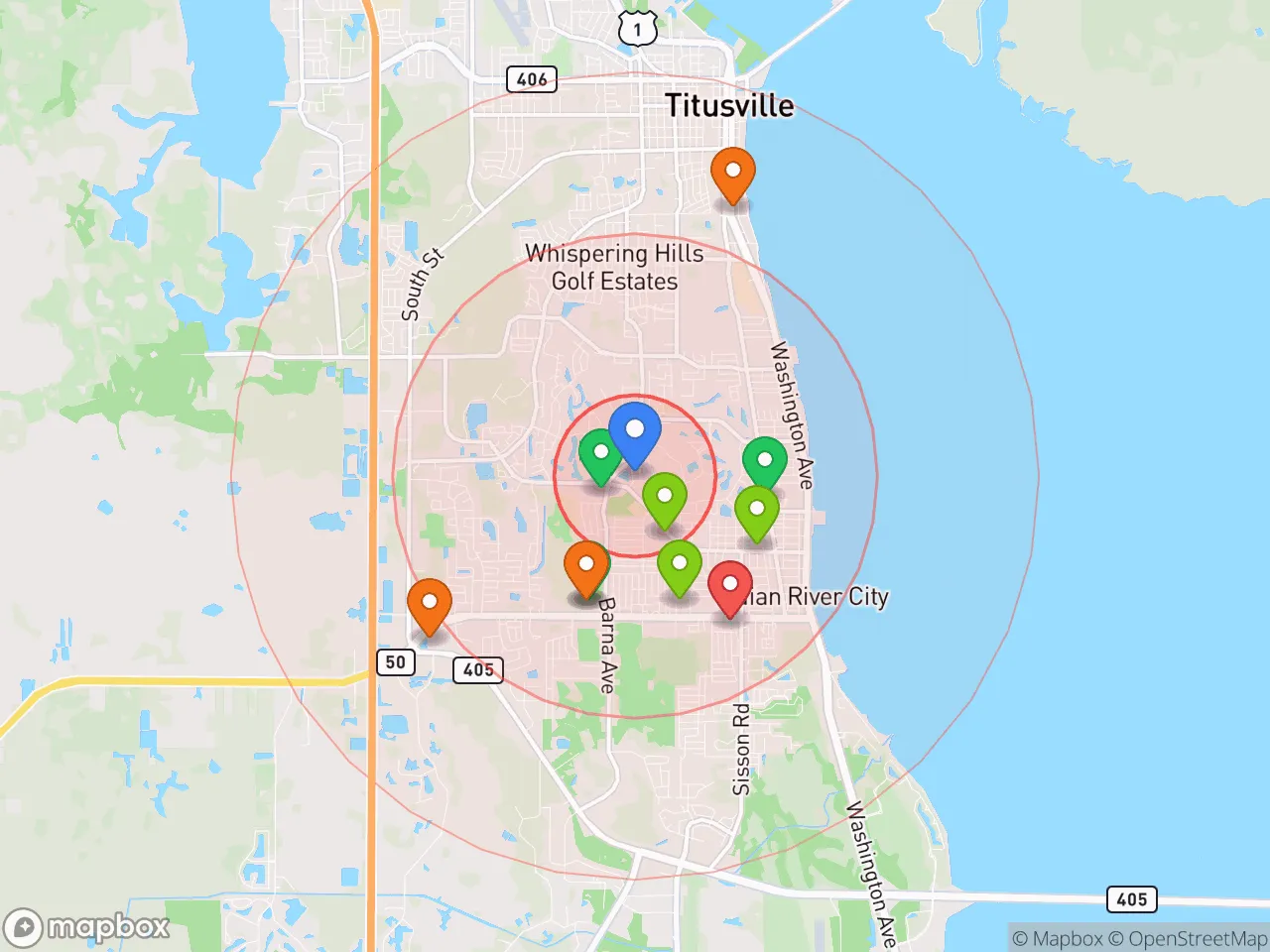
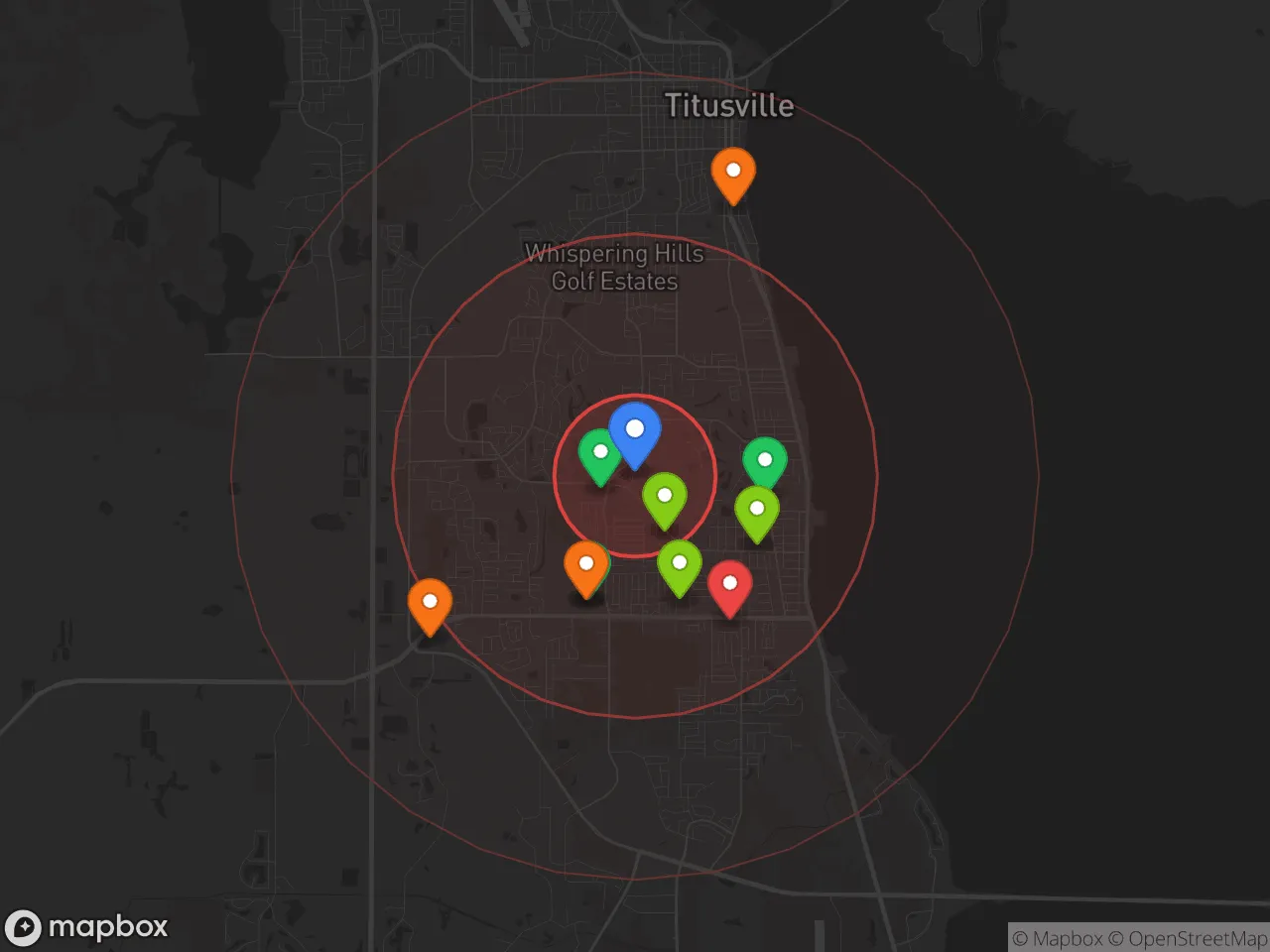
Hobbies
Explore the areaGroceries
0 within 10 miles
Gas
0 within 10 miles
Hospital
0 within 20 miles
Airport
MCO — Orlando International
Post Office
Critical Amenities
Quality-of-Life Analysis
Titusville, Florida, offers a middle-market quality of life that appeals strongly to space-industry professionals, outdoor enthusiasts, and families seeking a quieter alternative to Orlando or the coastal tourist hubs. With a cost of living index of 101 (exactly at the U.S. average) and a median home value of $243,100, the city sits in a practical affordability sweet spot—less expensive than Melbourne or Cocoa Beach, yet more developed than rural Brevard County. The population skews toward mid-career professionals and retirees, drawn by stable employment at Kennedy Space Center and the nearby Cape Canaveral Space Force Station, alongside a laid-back, nature-focused daily rhythm.
Cost of living, housing affordability, and how Titusville compares to nearby cities
Titusville’s cost of living index of 101 means everyday expenses—groceries, utilities, transportation—run almost exactly at the national average, a rarity in coastal Florida. The median home value of $243,100 is roughly 30% lower than the median in Melbourne ($350,000+) and about half the typical price in Cocoa Beach, making it one of the most attainable markets in Brevard County for first-time buyers. Median rent sits at $1,281, which undercuts the state average of roughly $1,500 and offers significant savings compared to Orlando’s $1,800+ median. The average commute of 23.6 minutes is notably shorter than the national average of 27 minutes, and for those working at the Space Center or along the I-95 corridor, it’s often under 20 minutes. Property taxes in Brevard County hover around 0.9% of assessed value, keeping annual carrying costs manageable. However, home values have risen roughly 8-10% annually since 2020, so buyers should expect continued appreciation but still find better value here than in most of Central Florida’s coastal zones.
What daily life is like for families: schools, amenities, and local rhythm
Daily life in Titusville revolves around the Indian River Lagoon, the Merritt Island National Wildlife Refuge, and the city’s compact downtown along U.S. 1. The Brevard Public Schools system serves the area, with Titusville High School and Astronaut High School offering dual-enrollment and STEM programs tied to the space industry. For younger families, schools like Coquina Elementary and Jackson Middle School receive average-to-above-average ratings, though many parents supplement with magnet or charter options in nearby Viera. Amenities include the 46-acre Chain of Lakes Park, the Space View Park (famous for rocket launch viewing), and the 1,400-acre Enchanted Forest Sanctuary for hiking and birding. The city lacks the nightlife of Melbourne or Cocoa Beach, but residents gain a slower pace: farmers markets on Saturdays, kayak launches at Parrish Park, and community events like the Titusville Sea Turtle Festival. Healthcare access is solid via Parrish Medical Center, a nationally recognized community hospital, while major retail and dining are concentrated along Garden Street and the I-95 corridor. The trade-off is clear: you trade big-city bustle for 15-minute access to the beach, the Space Center, and some of Florida’s best wildlife viewing.
Who thrives in Titusville? Space industry employees, remote workers who want a low-stress base near Orlando (45 minutes west), and retirees who prefer a quiet waterfront setting over a tourist strip. Families with school-age children should weigh the district’s mixed ratings against the STEM opportunities and outdoor lifestyle. If you need a vibrant nightlife, high-end shopping, or a top-tier school district, look south to Melbourne or west to Winter Park. But if you value a genuine sense of community, affordable waterfront living, and front-row seats to rocket launches, Titusville delivers a quality of life that’s hard to match at this price point in Florida.

Crime in Titusville, FL
Generally safer than 58% of comparable U.S. locations.
Violent CrimeViolent Crime Analysis
Property CrimeProperty Crime Analysis
Crime Analysis
Titusville, Florida, presents a mixed safety picture that warrants careful consideration for potential residents. The city's violent crime rate of 520.4 incidents per 100,000 residents is significantly higher than both the national average and the Florida state average, placing it among the more dangerous communities in Brevard County. Property crime, at 1,086.7 per 100,000, also exceeds national benchmarks, though it is somewhat closer to the statewide figure. These statistics, combined with the broader context of Brevard County's justice system, suggest that safety should be a top priority for anyone evaluating a move to the Space Coast.
Crime in context
When compared to national data, Titusville's violent crime rate is roughly 40% higher than the U.S. average of approximately 370 per 100,000, and well above Florida's state average of around 380 per 100,000. The property crime rate, while elevated, is more in line with other mid-sized Florida cities. However, the violent crime figure is particularly concerning. Brevard County, like many large metro areas in Florida, has seen a shift toward more progressive prosecutorial policies in recent years. District attorneys and judges who prioritize rehabilitation over incarceration, while well-intentioned, can contribute to higher recidivism rates and a perception that crime carries fewer consequences. This directly impacts public safety by keeping repeat offenders on the streets, a dynamic that residents and local businesses report as a growing frustration.
What residents experience
Daily life in Titusville is shaped by this elevated crime risk. Residents commonly report property crimes like vehicle break-ins, package theft, and burglary as persistent annoyances. Violent incidents, while less frequent, are concentrated in specific areas and often involve disputes among individuals known to one another. The city's police department has responded with targeted patrols and community policing initiatives, but the underlying challenge remains: a justice system that, in the view of many, does not adequately deter or punish offenders. For families and retirees—two major demographic groups in Titusville—this means taking extra precautions, such as installing security systems, avoiding certain neighborhoods after dark, and staying informed about local crime alerts.
Neighborhood-level variation
Safety in Titusville is not uniform. Areas north of State Road 406 and west of U.S. 1, including the historic downtown district, tend to have lower crime rates and a stronger sense of community. In contrast, neighborhoods along the U.S. 1 corridor and near the southern industrial zones see higher concentrations of both property and violent crime. The city's proximity to the Kennedy Space Center and the tourist-heavy beaches of Cocoa Beach also means that transient populations can contribute to crime spikes. Prospective residents are strongly advised to examine block-level crime maps and speak with local law enforcement before choosing a specific area, as the difference between a safe street and a high-risk block can be stark.
* Values derived from national, state, county, city and local statistics and may differ in a specific area. Last updated: 2026-08-22T17:15:03.000Z
Narrative content on this page is AI-generated and may contain mistakes. Verify any details that matter before acting on them.
ReloMaps may earn a commission from affiliate links at no extra cost to you.

