Photo: Wikipedia
Demographics of Toksook Bay, AK
Affluence Level in Toksook Bay, AK
A below-average socioeconomic profile. Incomes, home values, and educational attainment trail the U.S., with higher poverty and unemployment.
People of Toksook Bay, AK
The people of Toksook Bay, Alaska, are overwhelmingly Alaska Native, with 98.7% of the population identifying as such, making it one of the most homogeneously Indigenous communities in the state. This tight-knit, Yup'ik-speaking village of 999 residents is defined by its subsistence lifestyle, strong kinship networks, and deep connection to the Bering Sea coast. The population is young, with a median age around 25, and the community is characterized by low educational attainment (10.6% college-educated) and a near-total absence of foreign-born or non-Native residents.
How the city was settled and grew
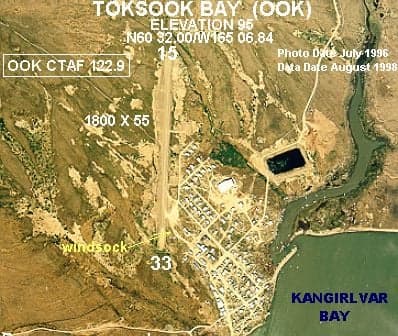
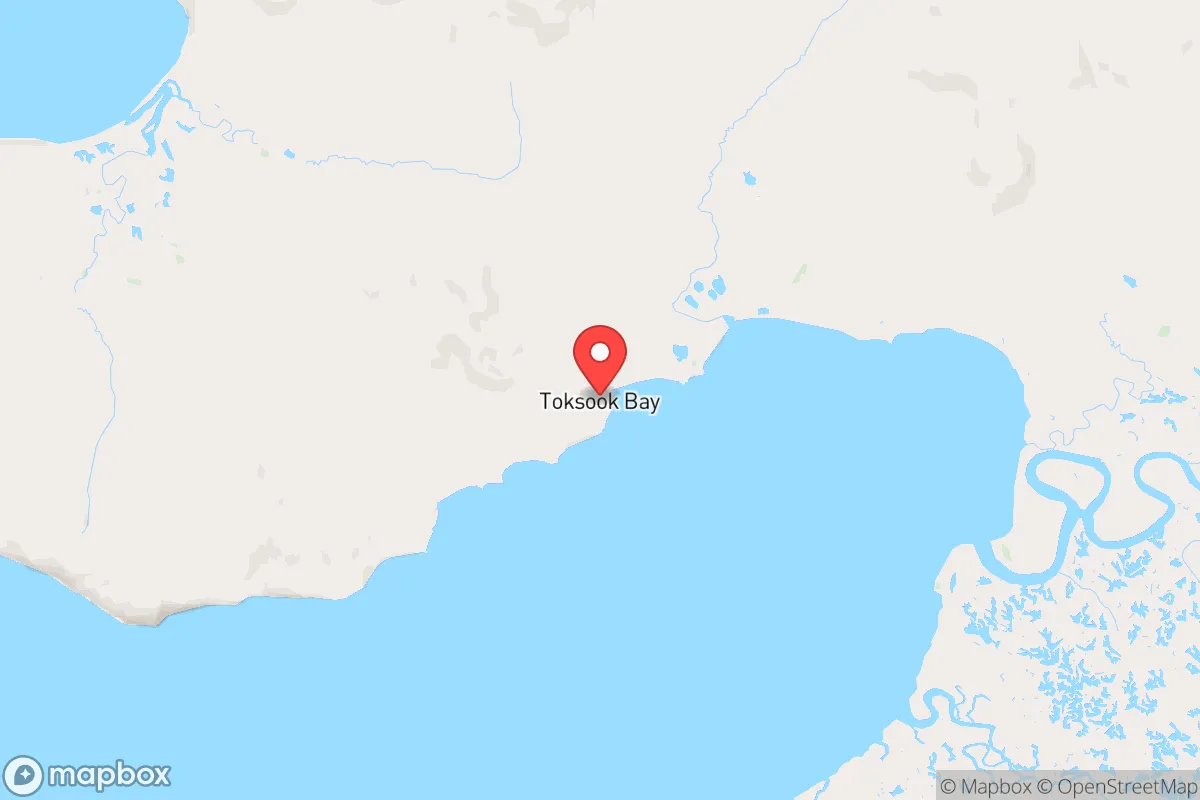
Toksook Bay was founded in 1964 as a planned relocation community for residents of the nearby village of Nightmute, which was prone to flooding and erosion. The original settlers were Yup'ik families who moved en masse from Nightmute, bringing their traditional hunting, fishing, and gathering practices. The village was built on Nelson Island, a remote location accessible only by air or sea, and the first homes were constructed along the shoreline in what is now known as Old Town, the historic core where the founding families settled. A second wave of growth occurred in the 1970s and 1980s as the Alaska Native Claims Settlement Act (ANCSA) provided land and capital for infrastructure, leading to the development of New Town, a slightly newer residential area inland from the coast. The community's growth has been driven entirely by natural increase—high birth rates among the Yup'ik population—rather than in-migration, as the village has remained culturally and geographically isolated.
Modern era (post-1965)
Since the 1970s, Toksook Bay's population has grown steadily through high fertility rates, with the village expanding outward from Old Town into newer subdivisions like Airport Heights, a cluster of homes near the airstrip built in the 1990s to accommodate growing families. The post-1965 period saw no significant immigration from outside the region; the foreign-born population remains 0.0%, and the White population is just 1.1%. The village's racial homogeneity has been reinforced by the dominance of the Yup'ik language and subsistence economy, which create barriers to settlement by outsiders. The School Road neighborhood, developed in the 2000s, houses many young families and is the most densely populated area, while Boat Harbor remains the center of commercial and subsistence fishing activity. The community's social structure is clan-based, with extended families occupying distinct clusters within these neighborhoods, and the local school and tribal council serve as the primary civic institutions.
The future
Toksook Bay's population is projected to continue growing slowly through natural increase, with the Yup'ik share remaining near 100% for the foreseeable future. The village shows no signs of diversifying ethnically or racially, as the remote location, lack of economic opportunity, and cultural insularity deter in-migration. The population is likely to remain young and family-oriented, with the Hilltop area—a newer subdivision planned for future housing—expected to absorb most new growth. However, out-migration for education and employment is a persistent trend, with many young adults leaving for Bethel or Anchorage, which may slow population growth. For a newcomer, Toksook Bay offers a deeply traditional, subsistence-based lifestyle with strong community bonds, but it requires fluency in Yup'ik culture and a willingness to adapt to a life without modern amenities like road access or a diverse economy.
Toksook Bay is becoming a stable, culturally preserved Yup'ik enclave, not a melting pot—ideal for those seeking immersion in Indigenous Alaskan life, but not for anyone expecting ethnic diversity or urban conveniences.

* Values derived from national, state, county, city and local statistics and may differ in a specific area. Last updated: 2026-04-19T19:39:04.000Z
Narrative content on this page is AI-generated and may contain mistakes. Verify any details that matter before acting on them.
ReloMaps may earn a commission from affiliate links at no extra cost to you.

