Photo: Wikipedia
Quality of Life in Toksook Bay, AK
A livable area that tracks near national norms for affordability, walkability, and neighborhood health.
What does Quality of Life tell us?
Quality of Life blends cost of living, nearby amenities, socioeconomic signals, and neighborhood character. City-level scores represent the whole municipality; individual neighborhoods can differ.
What does this tell us?
Quality of Life blends cost of living, nearby amenities, socioeconomic signals, and neighborhood character. City-level scores represent the whole municipality; individual neighborhoods can differ.
Cost of Living
49% below national average
The Real Cost of Living in Toksook Bay, AK for 2026
| Tier | Individual | Family (4) |
|---|---|---|
| Survival | $12k | $22k |
| Comfortable | $21k | $30k |
| Luxury | $88k+ | $136k+ |
| Elite (Top 5%) | $104k+ | $161k+ |
172%
The Area Signal
A metric tracking the socioeconomic signals of the area.


Limited data for this area
Limited data for this area
Hobbies
Explore the areaGroceries
4 within 10 miles
Gas
0 within 10 miles
Hospital
0 within 20 miles
Airport
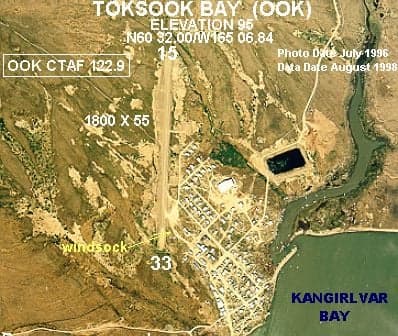
Toksook Bay Airport OOK
Post Office
USPS — Tununak, AK
Critical Amenities
Quality-of-Life Analysis
Toksook Bay, a remote Yup'ik community on Nelson Island in western Alaska, presents a quality of life that is fundamentally different from the Lower 48, shaped by subsistence living, strong cultural traditions, and a cost of living that is paradoxically low in dollar terms but high in logistical complexity. With a cost of living index of 51—roughly half the U.S. average—and a median home value of just $91,600, the area is far more affordable than Anchorage or Bethel, yet the reality is that most goods must be flown or barged in, creating a unique economic environment where cash income is supplemented by hunting, fishing, and berry picking. The population is overwhelmingly Alaska Native, and daily life revolves around family, community, and the seasonal rhythms of the Bering Sea coast.
Cost of living, housing, and how affordability compares to Bethel and Anchorage
Toksook Bay’s cost of living index of 51 is a striking outlier compared to the national average of 100, but the index masks the high price of imported goods. A gallon of milk can cost $8–$10, and heating fuel is expensive due to barge and air transport. However, median home values sit at $91,600, and median rent is just $740—dramatically lower than Anchorage’s median home value of roughly $370,000 or Bethel’s $220,000. Housing stock is limited, with many homes being older, fuel-efficient structures built by regional housing authorities. For residents who participate in subsistence activities, the effective cost of food drops significantly, as seal, salmon, and caribou provide a major portion of the diet. Compared to other remote Alaska villages, Toksook Bay is moderately affordable on the housing side, but the total cost of living for a newcomer reliant on store-bought goods can be surprisingly high.
What daily life is like for families: schools, amenities, and community rhythm
Daily life in Toksook Bay is tightly woven around the school, the clinic, and the local store. The Nelson Island School serves grades K–12 and is a central hub, offering a curriculum that blends state standards with Yup'ik language and culture. Amenities are minimal: there are no restaurants, no movie theaters, and no paved roads connecting to other villages. Transportation is by foot, snowmachine, boat, or small aircraft—the only link to the outside world is the Toksook Bay Airport. The community follows a seasonal calendar: spring seal hunting, summer salmon fishing and berry picking, fall caribou hunting, and winter ice fishing. The village has a strong sense of mutual aid, with potlatches, dance festivals, and church gatherings forming the social backbone. For families, the pace is slow and predictable, with children often helping with subsistence chores after school. Internet access exists but is expensive and limited, making remote work or online schooling challenging.
Toksook Bay is best suited for individuals and families who are deeply committed to a subsistence-based, culturally immersed lifestyle and who value community interdependence over material convenience. People who thrive here are those who can adapt to extreme isolation, harsh winters, and a lack of retail infrastructure, while finding meaning in Yup'ik traditions, close-knit social ties, and the natural abundance of the Bering Sea coast. It is not a place for those seeking career advancement, urban amenities, or a low-effort move—but for those drawn to a life where daily survival is a shared, purposeful endeavor, Toksook Bay offers a quality of life unmatched in its authenticity and resilience.

Crime in Toksook Bay, AK
Higher crime rates than 66% of comparable U.S. locations.
Violent CrimeViolent Crime Analysis
Property CrimeProperty Crime Analysis
Crime Analysis
Toksook Bay, a remote Yup'ik community on Nelson Island in western Alaska, faces a public safety landscape defined by elevated crime rates that significantly exceed both state and national averages. With a violent crime rate of 726.6 per 100,000 residents and a property crime rate of 1,909.5 per 100,000, the village contends with challenges common to many isolated Alaska Native communities, including limited law enforcement resources, high rates of substance abuse, and the social strains of rural poverty. These figures place Toksook Bay in a category of heightened risk compared to most American communities of any size.
Crime in context
Toksook Bay's violent crime rate is more than double the national average of approximately 380 per 100,000 and substantially exceeds Alaska's already elevated statewide rate of roughly 640 per 100,000. The property crime rate, while lower than Alaska's urban centers like Anchorage, is still about 30% higher than the national average of roughly 1,470 per 100,000. The village is served by the Toksook Bay Police Department, a small force that must cover a vast, roadless area accessible only by air or seasonal barge. This isolation means response times can be slow, and serious incidents often require intervention from the Alaska State Troopers based in Bethel, a 90-mile flight away. The community's justice system operates under state law, but local tribal courts also handle certain matters, creating a complex jurisdictional environment.
What residents experience
Daily life in Toksook Bay is shaped by close-knit social networks where crime is often personal rather than anonymous. Violent incidents, including assaults and domestic violence, are frequently linked to alcohol abuse, which is a persistent problem despite the village's legal prohibition on alcohol sale and importation. Property crimes like burglary and theft often target homes and seasonal fish camps, with subsistence gear—snowmachines, boats, and fishing nets—being common targets. The community's reliance on a cash-and-barter economy means stolen goods can be difficult to trace, and victims may face significant hardship replacing essential equipment. Residents typically practice a high degree of situational awareness, locking doors and securing valuable items, though the village's small size means most people know their neighbors and can quickly identify outsiders.
Neighborhood-level variation in Toksook Bay is minimal due to the village's compact layout of roughly 50 blocks. The most significant safety differences relate to proximity to the school, the clinic, and the airport—areas that see more foot traffic and informal surveillance. Homes on the outskirts, near the tundra or the Bering Sea coast, may experience slightly higher rates of vandalism or theft due to lower visibility. Overall, Toksook Bay's crime challenges are systemic, rooted in the intersection of isolation, economic hardship, and limited public safety infrastructure, rather than in neighborhood-specific factors. Anyone considering relocation should weigh these realities carefully against the community's strong cultural traditions and resilient social fabric.
* Values derived from national, state, county, city and local statistics and may differ in a specific area. Last updated: 2026-04-19T19:39:04.000Z
Narrative content on this page is AI-generated and may contain mistakes. Verify any details that matter before acting on them.
ReloMaps may earn a commission from affiliate links at no extra cost to you.

