Photo: Wikipedia
Find The Best Places To Live
in Toksook Bay
PRO TIP! You can paste a Zillow or Redfin link to get info on that property.
What It's Like Living in Toksook Bay, AK
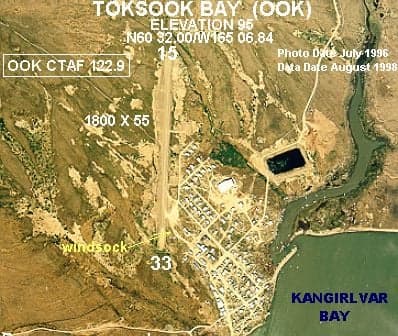
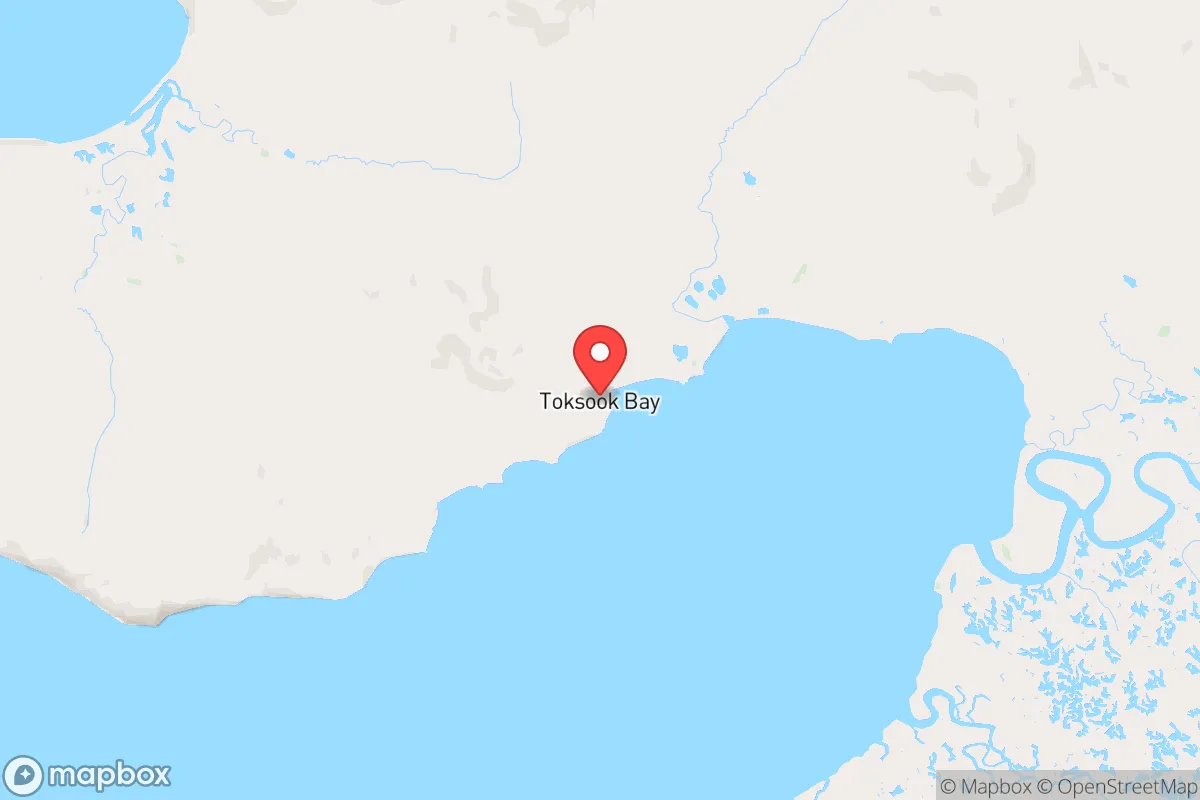
Toksook Bay is a small, tight-knit Yup’ik community on Nelson Island in western Alaska, where life revolves around subsistence hunting, fishing, and a deep connection to the Bering Sea coast. With a population of just under 1,000 and a median age of 24.6, it’s a young, family-oriented village where everyone knows each other and daily routines are shaped by the seasons, not the clock. If you’re considering a move here, you’re likely looking for a place far removed from suburban sprawl—where self-reliance, community bonds, and traditional ways of life still define what it means to live well.
Daily Rhythm: Subsistence, School, and the Seasons
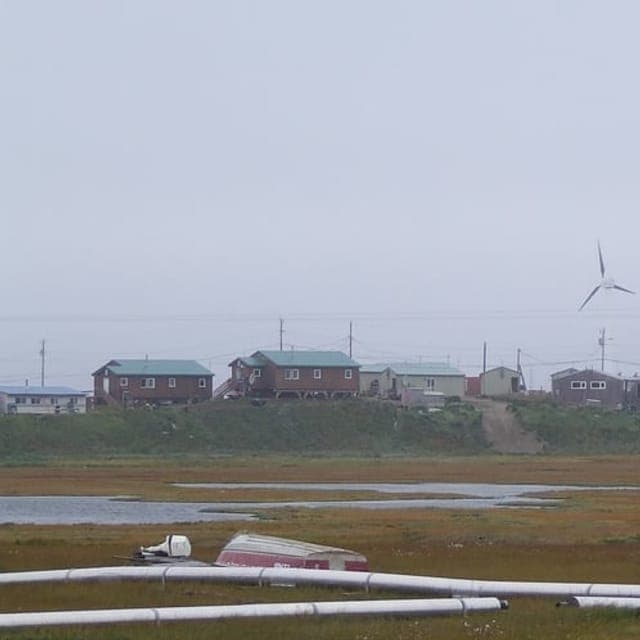
Life in Toksook Bay moves at the pace of the tides and the migrations of seals, fish, and birds. Most families spend significant time on the tundra or the ice—hunting for seal, walrus, and caribou, or fishing for salmon and herring. The school, Nelson Island High School, is the social and cultural hub; it’s where kids gather for basketball games, where parents volunteer, and where the community comes together for events. There’s no mall, no movie theater, and no chain restaurants—shopping is limited to the local general store, which stocks essentials, and many households rely on mail-order for everything from clothing to electronics. Weekends are often spent repairing gear, visiting relatives, or heading out on snowmobiles or boats, depending on the season. The cost of living is remarkably low—51 on the index, half the U.S. average—but that’s because housing is basic and many goods are subsidized or bartered. A median home value of $91,600 sounds cheap, but it reflects a village with no real estate market in the typical sense; most homes are modest, often shared among extended families.
Who Fits In: Self-Starter, Community-Minded, and Unfazed by Isolation
Toksook Bay isn’t for someone looking for a quiet retirement or a remote work-from-home setup—internet is spotty and expensive. The people who thrive here are those who value subsistence living and don’t mind hard physical work. Many residents are Yup’ik, and English is a second language for a significant portion of the population. Newcomers need to be respectful of local traditions, willing to learn a few phrases in Yup’ik, and ready to participate in community cleanups, school events, and the annual Kusko 300 sled dog race, which passes through the village. The median income of $52,019 is decent for rural Alaska, but it’s often supplemented by hunting and fishing. Only 10.6% of adults hold a college degree, which means skilled trades (like plumbing, electrical, or heavy equipment operation) are in high demand. If you’re a single parent, the village can be a supportive place—neighbors watch each other’s kids, and the school is the center of after-school life. But if you crave privacy, anonymity, or a wide dating pool, this isn’t it.
Sports, Community, and the One Big Event
Basketball is king. The high school gym is packed for home games, and the annual Nelson Island Invitational Tournament draws teams from across the region. It’s a huge deal—think of it as the Super Bowl, homecoming, and county fair rolled into one. There’s no professional sports team within a thousand miles, so the focus is entirely on local athletes. The other major community event is the Fourth of July celebration, which includes a parade, traditional dancing, and a seal-skinning contest. Music venues don’t exist, but drumming and dancing groups perform at the school and during festivals. For outdoor recreation, the options are endless: snowmobiling in winter, boat rides in summer, berry picking in August, and ice fishing in spring. The Bering Sea coast offers dramatic views, but also brutal weather—winter temperatures hover around 0°F, and wind chills can drop to -40°F. Summer is short, with 24-hour daylight in June, but it’s also mosquito season.
Pros and Cons: The Honest Trade-Offs
- Pro: Strong community bonds. You’ll never feel alone—neighbors check in, share food, and help with repairs. It’s a place where a handshake still means something.
- Con: High violent crime rate. At 726.6 per 100,000, it’s roughly four times the national average. Most incidents are domestic or alcohol-related, and the village has no police force—state troopers fly in when needed. It’s a reality that longtime residents acknowledge but don’t dwell on.
- Pro: Low cost of living. With subsidized fuel and housing, your dollar goes further. Many families spend less than $500 a month on food if they hunt and fish.
- Con: Extreme isolation. There are no roads connecting Toksook Bay to the rest of Alaska. Everything comes by plane or barge. A medical emergency means a medevac flight. Groceries are expensive if you don’t hunt.
- Pro: Unmatched access to nature. You can step out your door and be on the tundra or the sea ice in minutes. It’s a hunter’s and fisher’s paradise.
- Con: Limited economic opportunity. Jobs are mostly in the school, the clinic, the store, or the village council. If you’re not a teacher or a health aide, you’ll likely need to work remotely or seasonally.
Toksook Bay is a place where tradition meets survival, and where the rhythm of life is dictated by the land and sea. It’s not for everyone—but for the right person, it offers a kind of freedom and belonging that’s hard to find anywhere else.

Similar small towns to Toksook Bay
* Values derived from national, state, county, city and local statistics and may differ in a specific area. Last updated: 2026-04-19T19:39:04.000Z
Narrative content on this page is AI-generated and may contain mistakes. Verify any details that matter before acting on them.
ReloMaps may earn a commission from affiliate links at no extra cost to you.

