Photo: Wikipedia
Quality of Life in Troy, NY
Above-average quality of iife. The area offers a reasonable cost of living, decent mobility, and a mix of neighborhood amenities.
What does Quality of Life tell us?
Quality of Life blends cost of living, nearby amenities, socioeconomic signals, and neighborhood character. City-level scores represent the whole municipality; individual neighborhoods can differ.
What does this tell us?
Quality of Life blends cost of living, nearby amenities, socioeconomic signals, and neighborhood character. City-level scores represent the whole municipality; individual neighborhoods can differ.
Cost of Living
14% below national average
The Real Cost of Living in Troy, NY for 2026
| Tier | Individual | Family (4) |
|---|---|---|
| Survival | $18k | $34k |
| Comfortable | $37k | $55k |
| Luxury | $104k+ | $162k+ |
| Elite (Top 5%) | $136k+ | $210k+ |
105%
The Area Signal
A metric tracking the socioeconomic signals of the area.
Hobbies
Explore the areaGroceries
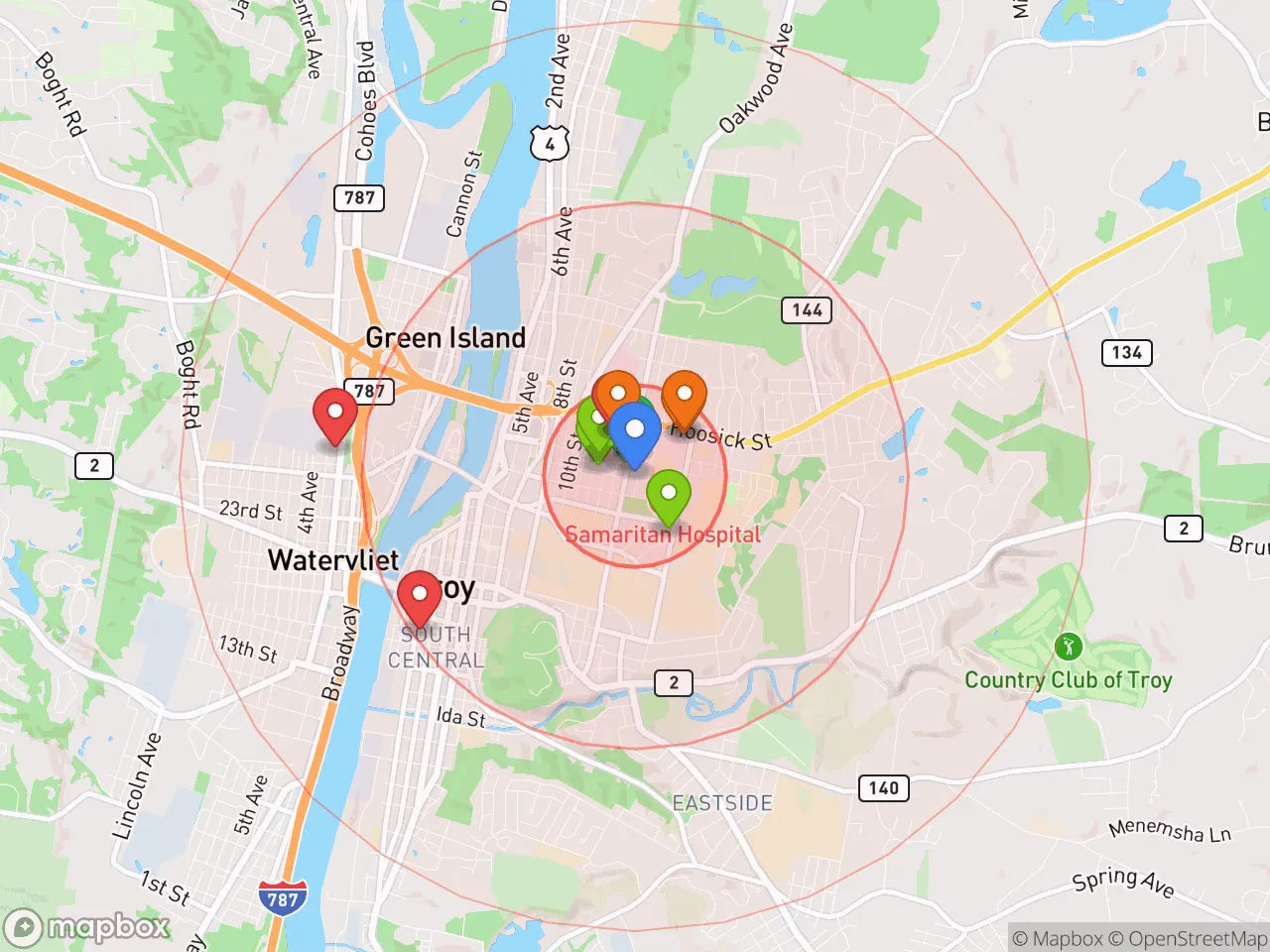
5 within 10 miles
Gas
20 within 10 miles
Hospital
12 within 20 miles
Airport
EWR — Newark Liberty International
Post Office
USPS — Troy, NY
Critical Amenities
Quality-of-Life Analysis
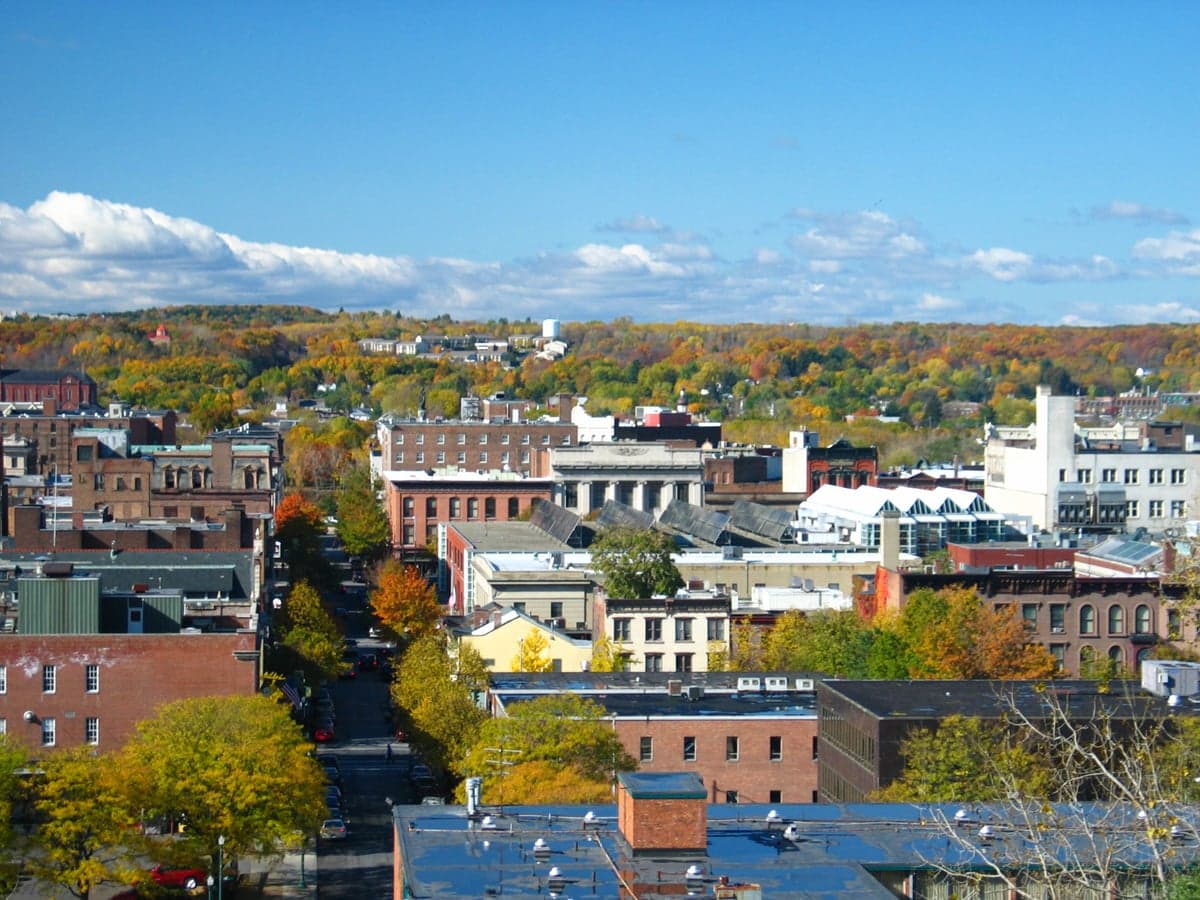
Troy, New York, presents a distinctive quality-of-life profile shaped by its historic architecture, a growing innovation economy, and a cost of living that remains significantly below national averages. With a cost-of-living index of 86 (where 100 equals the U.S. average), the city offers a tangible affordability advantage over much of the Capital Region, particularly neighboring Albany and Saratoga Springs. The population is a blend of long-term working-class families, students and faculty from Rensselaer Polytechnic Institute (RPI), and a rising cohort of young professionals and creatives drawn by the city’s revitalized downtown and relatively low housing costs.
Cost of living, housing affordability, and how Troy compares to Albany and Saratoga
Troy’s housing market is the clearest expression of its affordability edge. The median home value sits at $192,500, roughly 40% lower than the national median and substantially below the $280,000+ median seen in nearby Saratoga Springs. Median rent is $1,134, which is about $200 less per month than the Albany metro average and nearly $400 less than Saratoga Springs. This pricing makes homeownership attainable for households earning near the area’s median income, a contrast to the tighter markets in Albany and Saratoga where bidding wars are common. The average commute of 21 minutes is notably short—well under the national average of 27 minutes—and reflects the city’s compact geography and proximity to major employment hubs like the Albany NanoTech Complex and the state government offices in downtown Albany, both reachable in under 20 minutes via I-787. Utility costs in Troy run slightly above the national average due to older housing stock and harsh winters, but overall monthly expenses for a renter (rent + utilities + transportation) typically fall between $1,500 and $1,800, a figure that allows for meaningful savings or discretionary spending.
What daily life is like for families, professionals, and students
Daily life in Troy revolves around a walkable downtown core, a robust public school system, and a calendar of community events that punches above the city’s size. The Troy City School District, while facing typical urban challenges, operates several magnet programs and the highly regarded Troy High School, which offers an International Baccalaureate (IB) diploma track. For families, the city’s 20+ parks, including the 200-acre Frear Park with its golf course and nature trails, provide recreational outlets. Professionals and students benefit from the city’s growing food scene—anchored by the Troy Waterfront Farmers Market (one of the largest in the state) and a cluster of independent restaurants on River Street and Second Street—as well as cultural venues like the Troy Savings Bank Music Hall and the Sanctuary for Independent Media. The presence of RPI infuses the city with a youthful energy and supports a modest tech startup ecosystem, though the city’s nightlife remains more low-key than Albany’s. Public transit via the Capital District Transportation Authority (CDTA) connects Troy to Albany and Schenectady, but most residents rely on cars for errands and commuting.
Who thrives in Troy? The city is best suited for first-time homebuyers seeking historic character without suburban price tags, RPI-affiliated students and faculty, and creative professionals or remote workers who value walkability and a slower pace than larger metros. Families who prioritize school choice and community engagement will find a supportive environment, while those seeking a high-energy nightlife or luxury amenities may prefer Saratoga Springs or downtown Albany. Troy’s quality of life is defined by trade-offs: lower costs and historic charm in exchange for older infrastructure and a less polished urban fabric. For the right resident, it offers a rare combination of affordability, culture, and proximity to the Adirondacks and Berkshires that is increasingly hard to find in the Northeast.

Crime in Troy, NY
Generally safer than 56% of comparable U.S. locations.
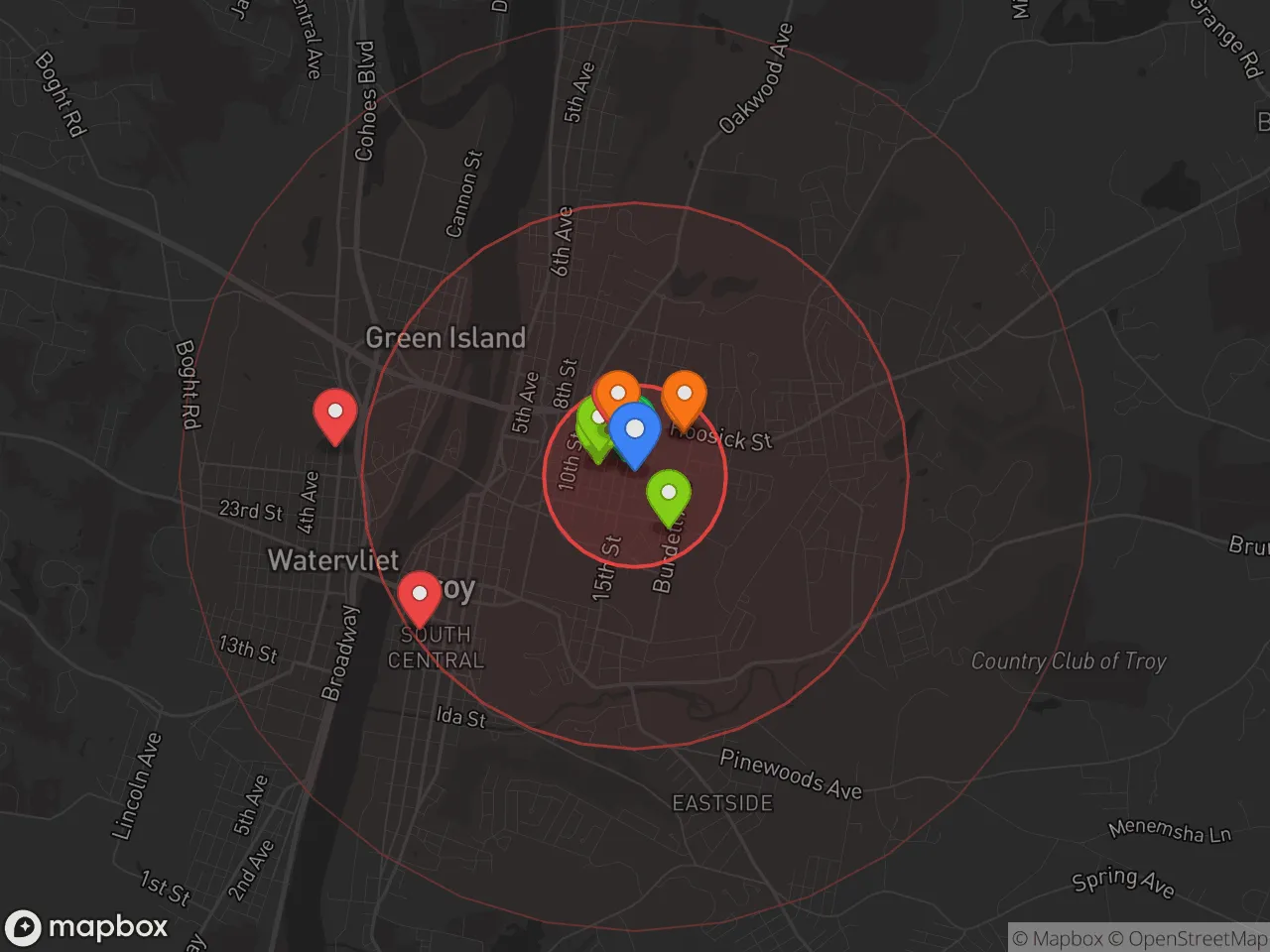
Violent CrimeViolent Crime Analysis
Property CrimeProperty Crime Analysis
Crime Analysis
Troy, New York, presents a mixed safety profile that demands careful consideration from potential residents. While the city's violent crime rate of 231.4 incidents per 100,000 residents is notably lower than the national average, its property crime rate of 1,782.2 per 100,000 significantly exceeds both state and national benchmarks. This combination creates a situation where residents may feel relatively safe from physical harm but face a heightened risk of theft, burglary, and vandalism, a pattern common in older upstate cities experiencing economic transition.
Crime in context
Troy's violent crime rate sits well below the national average of roughly 380 per 100,000, placing it in a safer tier than many comparably sized cities in the Capital District. However, the property crime rate is approximately 30% higher than the New York state average and about 20% above the national figure. This disparity is typical for cities like Troy that have a dense urban core, a significant rental population, and proximity to larger metro areas like Albany. The presence of progressive district attorneys and judges in the broader Rensselaer County justice system—who often prioritize diversion programs and reduced sentencing—is a factor that directly contributes to higher recidivism and more property crimes, as offenders face fewer consequences and return to the streets more quickly. This ideological approach, while well-intentioned, undermines public safety by failing to deter repeat offenders.
What residents experience
For those living in Troy, the most tangible safety concern is property crime. Car break-ins, package theft, and bicycle theft are common complaints in neighborhoods like downtown, South Troy, and near the Rensselaer Polytechnic Institute campus. Violent incidents, while less frequent, are concentrated in specific areas and often involve individuals who know each other, meaning random attacks on the general public are rare. Residents report that police response times can vary significantly, with non-emergency property crimes sometimes taking hours or days to receive a follow-up. The city's proactive community policing initiatives have helped in some districts, but the overall justice system's leniency remains a persistent frustration for victims who see offenders cycling through the system without meaningful accountability.
Neighborhood-level variation is pronounced. The historic Washington Park and Central Troy districts generally see lower crime rates, bolstered by active neighborhood associations and higher property values. In contrast, areas like North Central and parts of Lansingburgh experience higher concentrations of both property and violent crime, driven by poverty, vacant housing, and limited economic opportunity. Prospective residents should research block-by-block conditions, as Troy's safety landscape can shift dramatically within a few streets. Overall, while the city offers cultural and architectural appeal, the elevated property crime rate and the progressive justice system's impact on recidivism are significant drawbacks that require realistic expectations and proactive personal security measures.
* Values derived from national, state, county, city and local statistics and may differ in a specific area. Last updated: 2026-04-24T15:14:18.000Z
Narrative content on this page is AI-generated and may contain mistakes. Verify any details that matter before acting on them.
ReloMaps may earn a commission from affiliate links at no extra cost to you.

