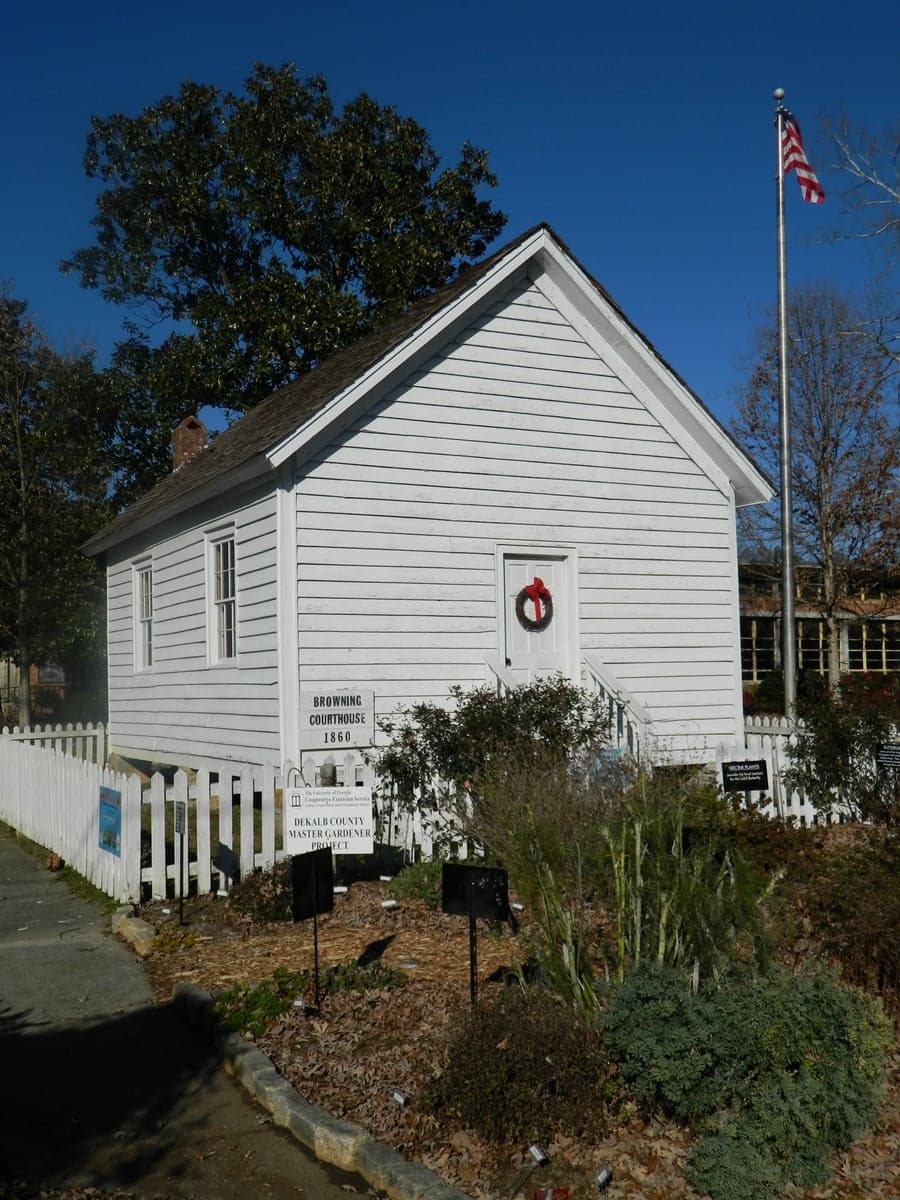
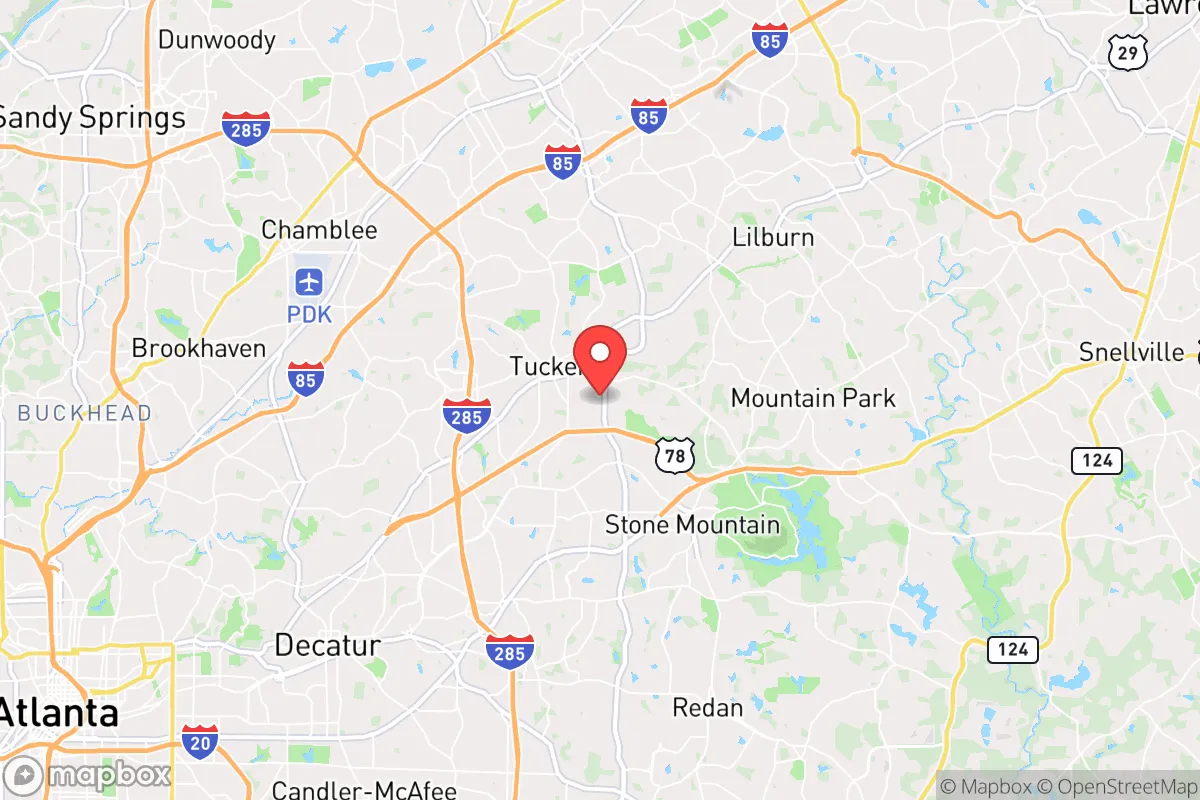
Photo: Wikipedia
Quality of Life in Tucker, GA
Above-average quality of iife. The area offers a reasonable cost of living, decent mobility, and a mix of neighborhood amenities.
What does Quality of Life tell us?
Quality of Life blends cost of living, nearby amenities, socioeconomic signals, and neighborhood character. City-level scores represent the whole municipality; individual neighborhoods can differ.
What does this tell us?
Quality of Life blends cost of living, nearby amenities, socioeconomic signals, and neighborhood character. City-level scores represent the whole municipality; individual neighborhoods can differ.
Cost of Living
26% above national average
The Real Cost of Living in Tucker, GA for 2026
| Tier | Individual | Family (4) |
|---|---|---|
| Survival | $23k | $44k |
| Comfortable | $70k | $103k |
| Luxury | $146k+ | $226k+ |
| Elite (Top 5%) | $172k+ | $266k+ |
79%
The Area Signal
A metric tracking the socioeconomic signals of the area.
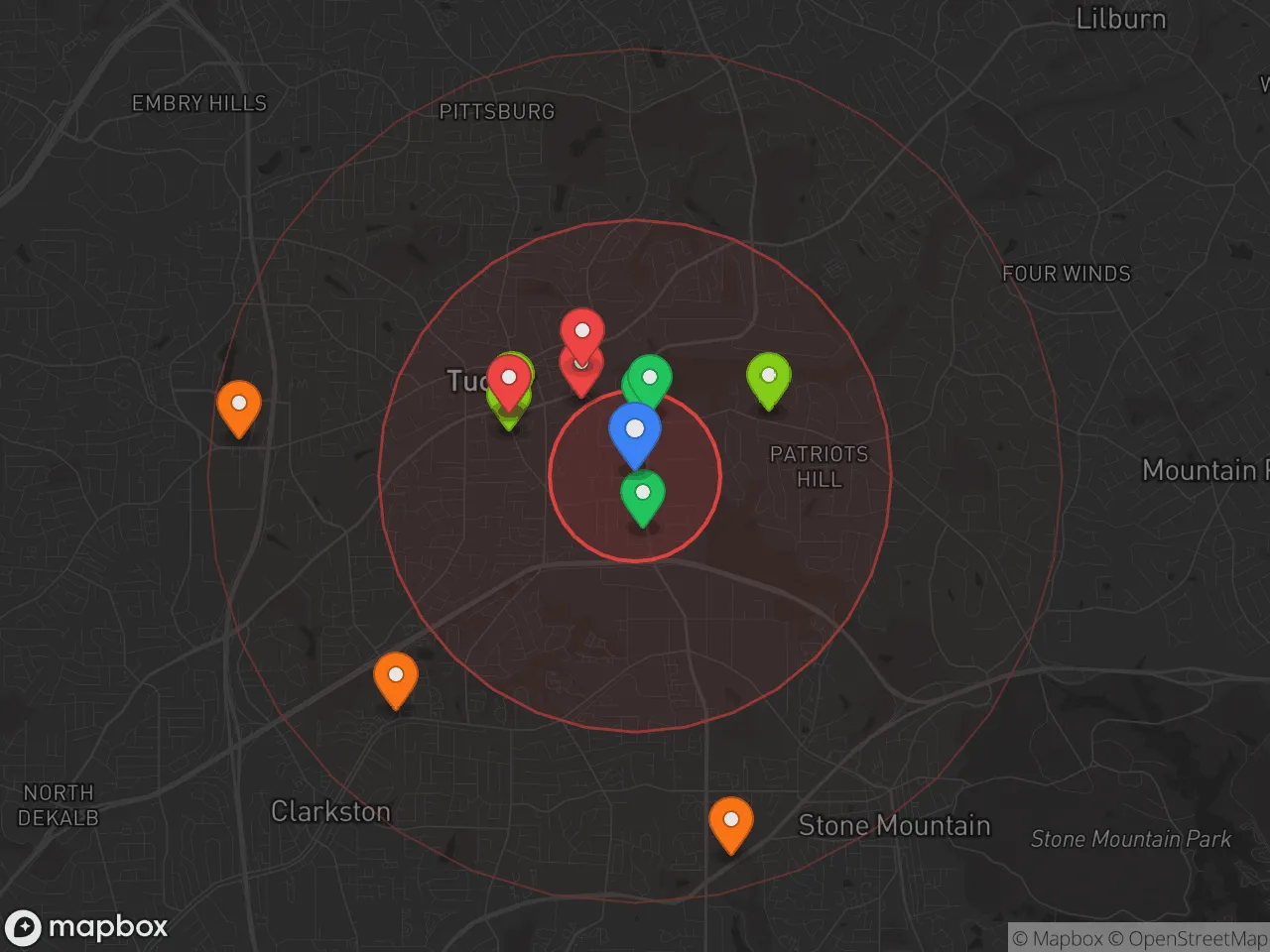
Hobbies
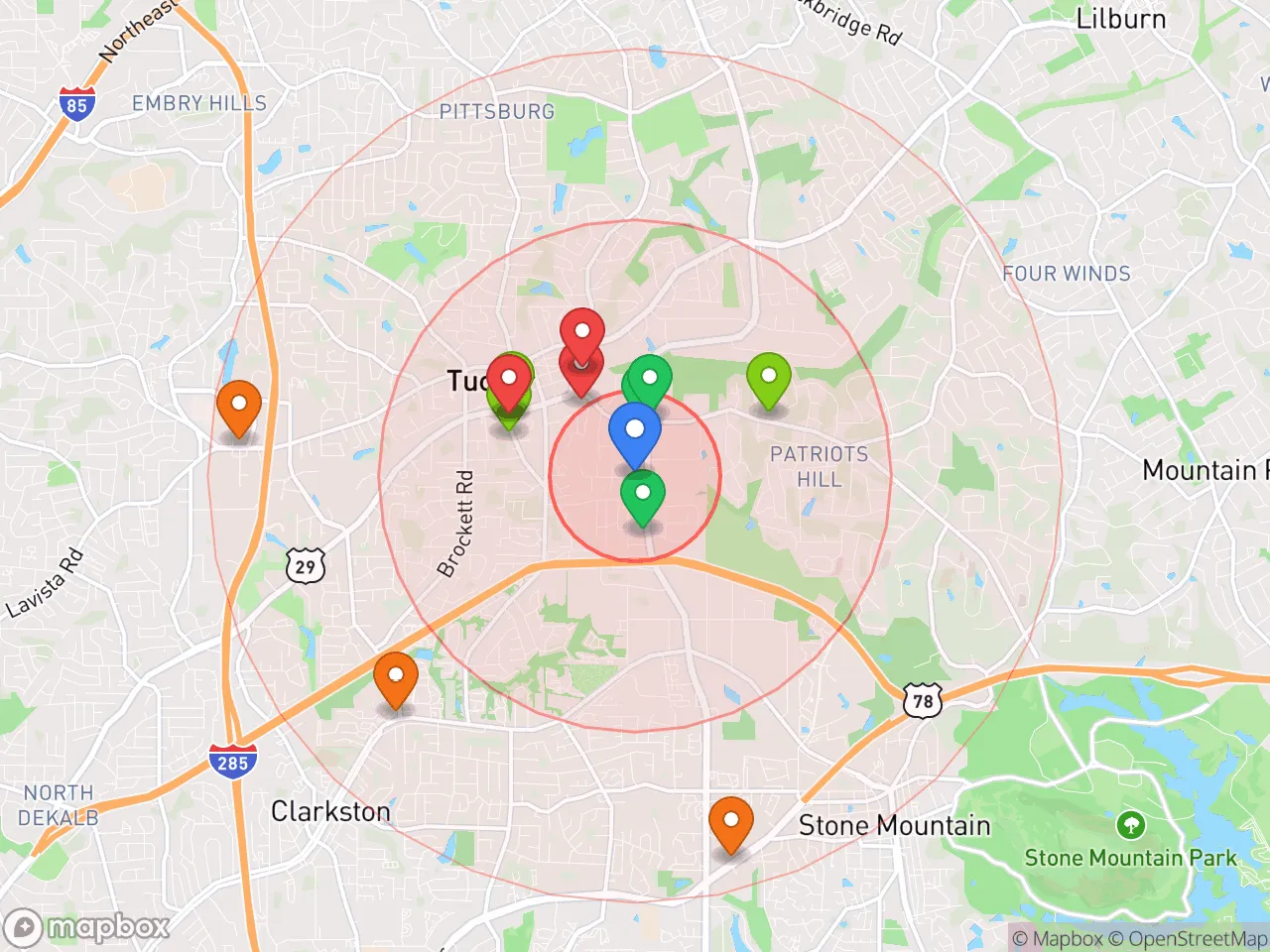
Explore the areaGroceries
8 within 10 miles
Gas
20 within 10 miles
Hospital
20 within 20 miles
Airport
ATL — Hartsfield–Jackson Atlanta International
Post Office
USPS — Tucker, GA
Critical Amenities
Quality-of-Life Analysis
Tucker, Georgia, presents a distinctly affluent quality of life, with a cost of living index of 126—26% above the national average—reflecting a community where professionals, families, and long-term residents prioritize space, schools, and suburban convenience over budget living. The city’s median household income significantly outpaces state and national medians, drawing a population that is largely college-educated, employed in white-collar sectors like healthcare and technology, and values a slower pace than neighboring Atlanta. This economic profile shapes everything from housing stock to local commerce, creating a stable, amenity-rich environment that appeals to those who can afford its premium.
Cost of living and housing affordability compared to Atlanta and Decatur
Tucker’s housing market is the primary driver of its elevated cost of living. The median home value sits at $359,300, roughly 15% below the Atlanta metro average but notably higher than many outlying DeKalb County suburbs. Rents are more moderate, with a median of $1,458—a figure that undercuts Decatur by about $200 and intown Atlanta by $400 or more, making Tucker a relative bargain for renters seeking a single-family home or townhouse. However, the overall COL index of 126 means that groceries, utilities, and transportation also run above national norms. The average commute of 29.7 minutes is slightly longer than the national average, reflecting the reality that many residents drive to jobs in Atlanta, Norcross, or the Perimeter business district. For buyers, property taxes in DeKalb County are moderate, but homeowners should budget for HOA fees in many newer subdivisions. Compared to nearby Stone Mountain or Lilburn, Tucker commands a clear premium for its school reputation and lower crime rates.
Parks, schools, and the daily rhythm of life in Tucker
Daily life in Tucker revolves around a well-maintained network of parks and a strong public school system. The city is served by the DeKalb County School District, with Tucker High School and Henderson Middle School consistently rated above state averages for test scores and college readiness. Private options like St. Pius X Catholic High School and Holy Innocents’ Episcopal School are within a 15-minute drive. For recreation, Henderson Park offers 217 acres with walking trails, sports fields, and a dog park, while Kelley Cofer Park provides a quieter setting for family picnics. The downtown Tucker area, centered on Main Street, has seen a revitalization with local coffee shops, farm-to-table restaurants, and a weekly farmers market that runs April through October. Commuters rely heavily on US-29 and I-285, with MARTA bus routes providing limited but usable transit to the Doraville and Brookhaven rail stations. The overall rhythm is suburban but not sterile—neighborhoods host block parties, and the Tucker Civic Association organizes seasonal events like the Tucker Day festival, which draws thousands.
This quality of life is best suited for mid-to-upper-income families and remote or hybrid professionals who can absorb the 26% cost premium in exchange for good schools, low crime, and a 30-minute commute to Atlanta’s job centers. Empty-nesters downsizing from larger homes in Dunwoody or Sandy Springs also find Tucker appealing for its quieter streets and newer housing stock. Singles and young renters on a tight budget may struggle with the housing costs and limited nightlife, but for those prioritizing space, safety, and community engagement, Tucker delivers a consistently high standard of living that justifies its price tag.

Crime in Tucker, GA
Generally safer than 57% of comparable U.S. locations.
Violent CrimeViolent Crime Analysis
Property CrimeProperty Crime Analysis
Crime Analysis
Tucker, Georgia, presents a mixed safety profile for potential residents. While the city’s violent crime rate of 253 incidents per 100,000 residents is lower than the national average, its property crime rate of 1,189.7 per 100,000 is significantly higher, indicating a notable risk for theft and burglary. The overall safety picture is further complicated by the fact that Tucker is part of the Atlanta metropolitan area, where progressive prosecutorial policies in DeKalb County have raised concerns about recidivism and public safety.
Crime in context
To understand Tucker’s safety, it is essential to compare its crime rates to broader benchmarks. The city’s violent crime rate of 253 per 100,000 is roughly 28% lower than the U.S. average of about 380 per 100,000, placing it in a relatively safer bracket for serious offenses like assault and robbery. However, the property crime rate of 1,189.7 per 100,000 is approximately 18% higher than the national average of roughly 1,000 per 100,000. This disparity is a red flag for residents concerned about car break-ins, home burglaries, and theft. The surrounding DeKalb County, which includes Tucker, has seen property crime rates fluctuate, and the influence of the county’s justice system—which has been criticized for prioritizing diversion programs over incarceration—may contribute to a higher number of repeat property offenders on the street.
What residents experience
Daily life in Tucker involves a heightened awareness of property crime. Residents commonly report incidents of package theft, vehicle break-ins, and occasional home burglaries, particularly in neighborhoods near major corridors like Lawrenceville Highway and US-29. Violent crime is less frequent but does occur, often concentrated in specific areas rather than being widespread. The presence of a progressive district attorney in DeKalb County, who has implemented policies such as reduced cash bail and alternative sentencing for non-violent offenders, is a significant factor for residents to consider. While these policies aim to reduce incarceration, critics argue they lead to more criminals cycling back onto the streets, increasing the likelihood of repeat offenses and diminishing the sense of security for law-abiding citizens.
Neighborhood-level variation is notable in Tucker. Areas closer to the city’s downtown core and established subdivisions like the Tucker Historic District tend to have lower crime rates, benefiting from active neighborhood watches and community policing. In contrast, apartment complexes and rental-heavy zones near the I-285 perimeter and along Hugh Howell Road report higher incidences of property crime. Prospective residents should research specific block-level data through the DeKalb County Police Department’s online crime map, as safety can vary dramatically within a mile. Overall, Tucker requires a proactive approach to security—such as using security cameras and joining local patrol groups—to mitigate the risks posed by a property crime rate that outpaces the national average and a justice system that may not prioritize victim protection.
* Values derived from national, state, county, city and local statistics and may differ in a specific area. Last updated: 2026-04-30T14:34:02.000Z
Narrative content on this page is AI-generated and may contain mistakes. Verify any details that matter before acting on them.
ReloMaps may earn a commission from affiliate links at no extra cost to you.

