Political ClimatePolitical Climate in Tucson, AZ
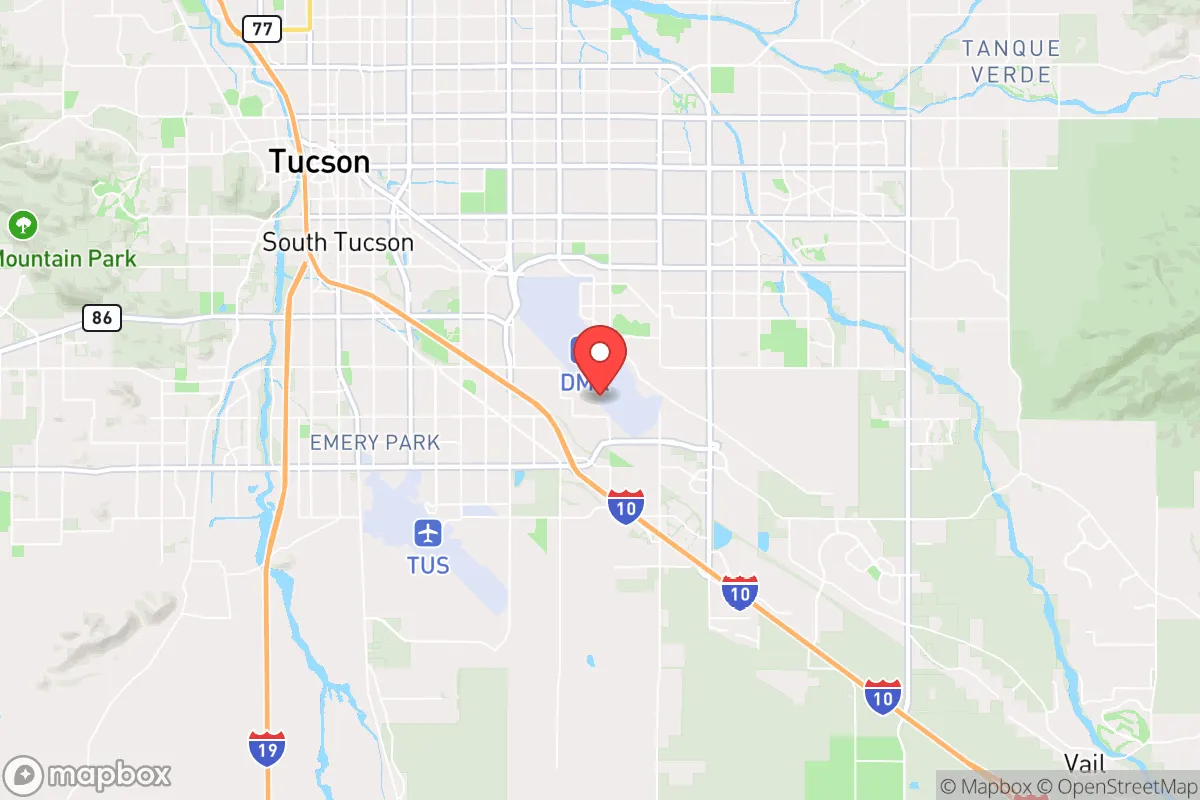
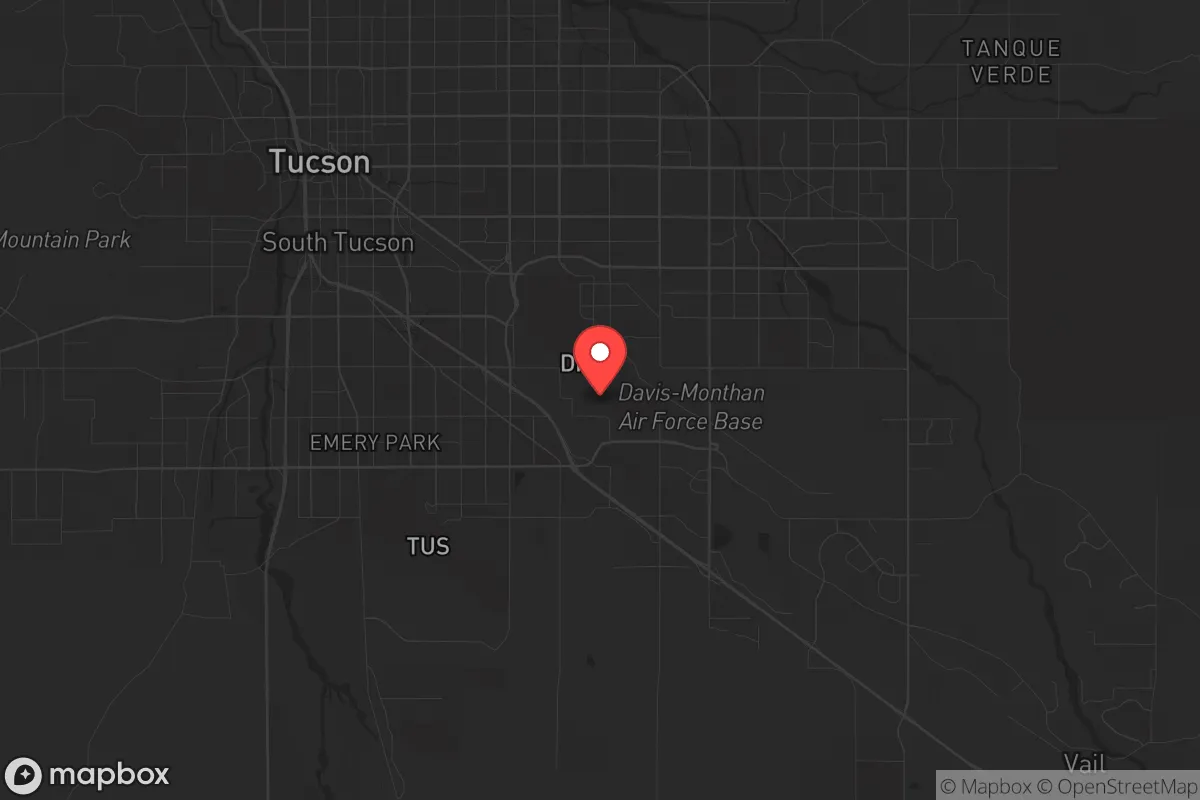
District shown is the primary district for this city’s centroid. Cities may span multiple districts.
Local Political AnalysisPolitical Analysis of Tucson, AZ
Tucson used to be a place where folks minded their own business, but over the last decade it's shifted hard to the left. The Cook PVI rating of EVEN might look balanced on paper, but that number hides a fast-moving train. Pima County as a whole went for Biden by 20 points in 2020, and the city council is now solidly progressive. If you remember Tucson in the 90s, you remember a place where conservative values like fiscal restraint and personal liberty were still respected. Today, that feels like a different world.
How it compares
Drive 30 minutes north to Oro Valley or Marana, and you'll find a completely different political reality. Those towns lean Republican by double digits, with lower taxes and a more hands-off approach to local business. Head east to Vail, and you're in deep-red territory where the school board still fights for parental rights. Tucson itself, though, is the progressive anchor of Southern Arizona. It votes more like a coastal city than a desert town. The contrast is stark: you can live in a conservative suburb, commute into Tucson for work, and feel like you crossed a state line. The surrounding rural areas—places like Benson or Sahuarita—are where the old-school Arizona values still hold strong, but they're getting squeezed by Tucson's expanding influence.
What this means for residents
For a conservative-leaning family, Tucson's politics are becoming a real headache. The city council has pushed through zoning changes that make it harder to buy a single-family home, and they've flirted with rent control ideas that scare off small landlords. Property taxes keep creeping up to fund social programs you might not support. The school board has embraced critical race theory and gender ideology curricula, leaving parents who object with few options except to homeschool or pay for private school. Gun rights are still protected by state preemption, but you can feel the local pressure to chip away at them. The police department has been defunded in spirit if not in name—response times are up, and property crime is rising in central neighborhoods. If you value personal freedom and limited government, Tucson is becoming a place where you have to fight for those principles every election cycle.
On the cultural side, Tucson has always had a laid-back, live-and-let-live vibe. That's still true in some ways—people are friendly, the food is amazing, and the desert landscape is unmatched. But the progressive majority has brought a new kind of intolerance for dissent. If you publicly support traditional values or question the latest social trend, you'll get labeled fast. The city has also banned plastic bags, pushed for a higher minimum wage, and made it harder to start a small business with red tape. The long-term trajectory is clear: Tucson is heading toward a San Francisco-lite model, with higher costs, more regulations, and less room for conservative voices. If you're thinking of moving here, pick a suburb or a rural county seat—or be ready to vote like your freedoms depend on it, because they do.

State Political ClimatePolitical Climate in Arizona
State Political AnalysisPolitical Environment in the State
Arizona has transformed from a reliably red state into a purple battleground over the past two decades, with a partisan lean that now swings within a few points in presidential elections. The dominant coalition is a tense standoff between a growing, diverse urban electorate in Maricopa County and a deeply conservative rural and exurban base that still holds significant legislative power. Over the last 10-20 years, the state has shifted from a solidly Republican stronghold—where George W. Bush won by 11 points in 2004—to a state that Joe Biden carried by just 10,457 votes in 2020, before Donald Trump flipped it back by roughly 5 points in 2024. This volatility reflects deep demographic and cultural churn, and for a conservative considering relocation, the trajectory is a mixed bag of opportunity and warning.
Urban vs. rural divide
The political map of Arizona is a tale of two landscapes. The Phoenix metro area, anchored by Maricopa County, is the epicenter of the state’s swing—home to 60% of the population and a rapidly diversifying electorate. Suburbs like Chandler and Gilbert were once Republican strongholds but have trended purple, with Gilbert still leaning right but Chandler now a toss-up. Meanwhile, Tucson (Pima County) is a reliably blue urban core, driven by the University of Arizona and a younger, more progressive population. The rural expanse tells a different story: counties like Yavapai (Prescott), Mohave (Kingman), and Coconino (Flagstaff’s rural parts) vote heavily Republican, often by 30-40 point margins. The Prescott area, in particular, is a conservative haven—think gun shows, Tea Party activism, and a strong Second Amendment culture. The divide isn’t just urban vs. rural; it’s also suburban vs. exurban, with places like Queen Creek and Maricopa City (in Pinal County) emerging as fast-growing conservative suburbs that are pushing back against Phoenix’s leftward drift.
Policy environment
Arizona’s policy environment is a patchwork of conservative wins and progressive encroachments. On taxes, the state is relatively friendly: a flat income tax rate of 2.5% (passed in 2021 under Governor Doug Ducey) and no estate tax. Property taxes are moderate, though local school bonds can add to the burden. Regulatory posture is generally light, especially for businesses, but the state has seen a creep in red tape around water usage and housing development. Education policy is a flashpoint: Arizona has one of the strongest school choice programs in the nation—the Empowerment Scholarship Account (ESA) program, expanded in 2022 to allow nearly all families to use public funds for private or homeschool expenses. This is a major draw for conservative parents. However, the state’s public schools are underfunded and often push progressive curricula, so many conservatives opt out. Healthcare is a mixed bag: Medicaid expansion under the Affordable Care Act was accepted in 2013, but the state has resisted further federal overreach. Election laws have been a battlefield—after 2020, the legislature passed stricter voter ID requirements and banned ballot drop boxes in some counties, but a 2024 law also expanded early voting access, a compromise that frustrates both sides. Overall, the policy environment is more free than many blue states, but the constant tug-of-war over election integrity and school curriculum keeps conservatives on edge.
Trajectory & freedom
The trajectory of freedom in Arizona is a worrying one for conservatives. On the positive side, the state has expanded gun rights: in 2021, it passed a constitutional carry law (SB 1382), allowing permitless concealed carry, and preempts local gun ordinances—so Tucson can’t ban firearms like some cities try. Parental rights got a boost with the 2022 “Parents’ Bill of Rights” (HB 2161), which requires schools to notify parents about curriculum changes and medical services. But the dark side is real: in 2023, the state supreme court upheld a near-total abortion ban from 1864, only to have the legislature repeal it in 2024 after a massive backlash—a sign that cultural tides are shifting. Medical autonomy took a hit with COVID-era mandates, though the state resisted lockdowns more than California. Property rights are generally strong, but water scarcity is leading to new regulations on new home construction, especially in the Phoenix metro area, which some see as a government overreach into development. The biggest freedom concern is the erosion of election integrity: despite reforms, many conservatives remain skeptical of Maricopa County’s voting machines and mail-in ballot processes, a distrust that fuels ongoing activism.
Civil unrest & political movements
Arizona has been a hotbed of political activism, both left and right. The most visible flashpoint is immigration: the state’s 2010 SB 1070 law, which required police to check immigration status during stops, was a national lightning rod. Today, the border crisis has fueled a resurgence of hardline rhetoric, with Yuma and Nogales seeing frequent protests and vigilante groups. On the left, groups like LUCHA (Living United for Change in Arizona) organize for driver’s licenses for illegal immigrants and against border enforcement. Election integrity protests have been massive: after 2020, the “Stop the Steal” movement drew thousands to the state capitol in Phoenix, and the 2021 audit of Maricopa County ballots (the Cyber Ninjas audit) became a national spectacle. On the right, the Arizona Freedom Caucus in the legislature has pushed for nullification of federal gun laws and election reforms. There’s also a growing secessionist sentiment in rural counties like Mohave and Yavapai, where some talk of joining a “Greater Idaho” style movement, though it’s mostly rhetorical. A new resident would notice the polarization in everyday life: bumper stickers, yard signs, and even grocery store conversations often turn political.
Projection
Over the next 5-10 years, Arizona is likely to become more purple, with a slight leftward tilt driven by in-migration from California and the growing Hispanic electorate. The 2024 election showed that Trump can still win here, but the margin is razor-thin. The Phoenix suburbs are filling up with tech workers and remote employees who bring blue-state values, while rural areas are aging and losing population. The state’s water crisis will force more government intervention, which could alienate libertarian-leaning conservatives. However, the school choice movement and gun rights are likely to hold, as they have broad bipartisan support. The biggest wildcard is the border: if the federal government fails to secure it, expect Arizona to become a national flashpoint, with the state legislature passing more aggressive enforcement laws that could trigger federal lawsuits. For a conservative moving in now, expect to live in a state where your vote counts—but where you’ll need to stay engaged to prevent the slide into California-style governance.
For a new resident, the bottom line is this: Arizona offers a relatively low-tax, high-freedom environment compared to the West Coast, but it’s not a conservative utopia. You’ll find strong school choice, constitutional carry, and a vibrant conservative community in places like Prescott or Queen Creek. But you’ll also face a state government that’s increasingly split, a growing progressive urban core, and constant battles over election integrity and border policy. If you’re willing to be politically active and choose your community wisely, Arizona can still be a great place to raise a family. Just don’t expect it to stay the same—it’s a state in flux, and your voice matters more here than in a deep blue or deep red state.
* Values derived from national, state, county, city and local statistics and may differ in a specific area. Last updated: 2026-05-01T21:59:19.000Z
Narrative content on this page is AI-generated and may contain mistakes. Verify any details that matter before acting on them.
ReloMaps may earn a commission from affiliate links at no extra cost to you.

