Photo: Wikipedia
Find The Best Places To Live in Maricopa County
PRO TIP! You can paste a Zillow or Redfin link to get info on that property.
Best Places to Live in Maricopa County


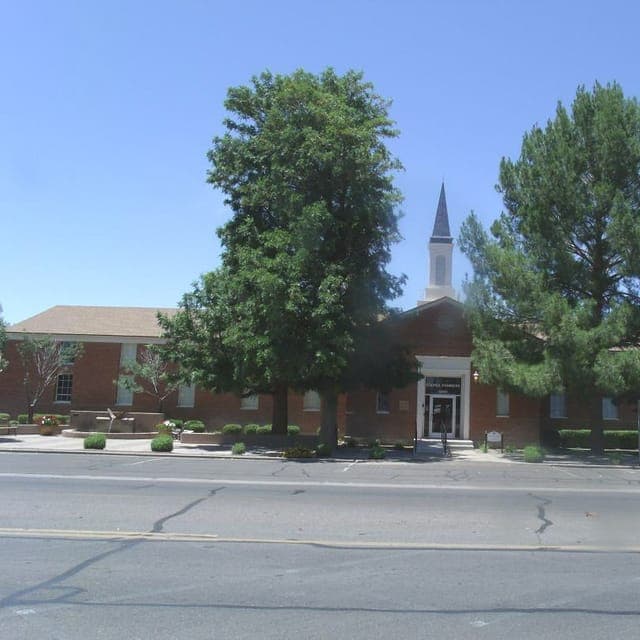

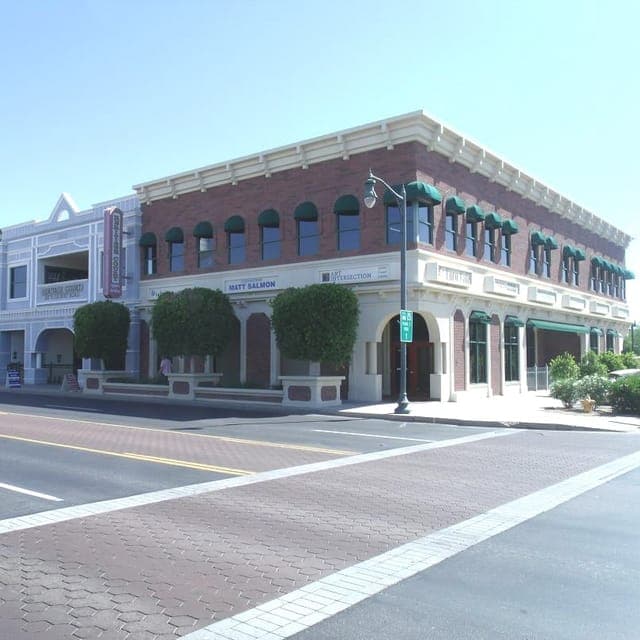
Cities & Towns in Maricopa County
Cities in Maricopa County
What It's Like Living in Maricopa County, AZ
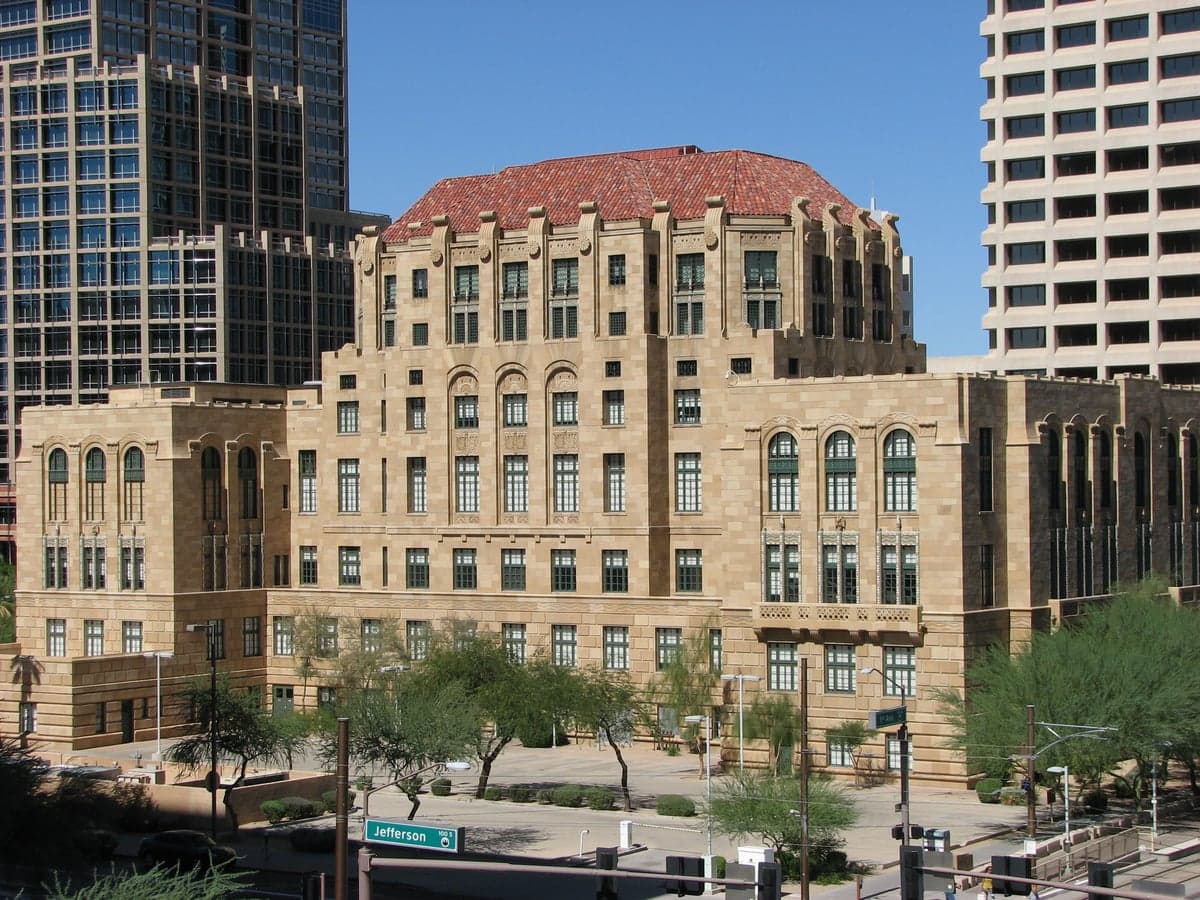
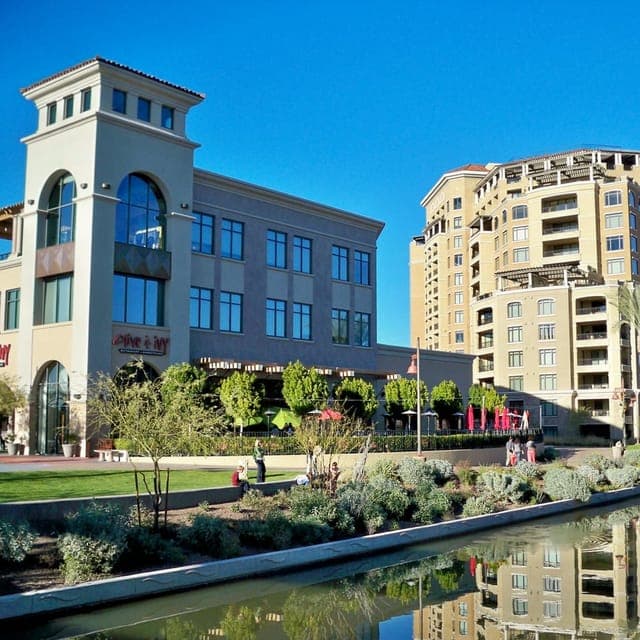
Living in Maricopa County means signing up for a life defined by relentless sun, sprawling freeways, and a distinctly Western sense of self-reliance that still feels authentic even as the population pushes past 4.4 million. This isn’t a single city experience—it’s a patchwork of everything from the high-rise glass of downtown Phoenix to the horse properties of Cave Creek and the master-planned grid of Gilbert. Whether you’re a single professional chasing a paycheck or a parent weighing school districts, the county asks you to adapt to its rhythms: early mornings to beat the heat, a car-centric existence, and a surprising amount of community pride that shows up at high school football games and local taco joints alike.
The Daily Grind: Commutes, Weather, and Where You Actually Spend Time
The average commute here clocks in at about 26 minutes, which sounds manageable until you factor in the summer months when a broken AC in your car feels like a crisis. Most people structure their days around the heat: errands before 10 a.m. from June through September, then a lull during the punishing midday, followed by a second wind after 5 p.m. when the Valley cools down enough to grill or hit a park. In Scottsdale, that evening ritual often means dinner at a spot like The Mission or a walk through Old Town; in Avondale, it’s more likely a trip to the Wigwam or a weekend soccer game. The freeway system—I-10, Loop 101, Loop 202—is the backbone of daily life, and anyone living in Mesa or Chandler knows the 101 can turn into a parking lot during rush hour. Grocery shopping is dominated by Fry’s and Bashas’, but the real local color shows up at the farmers’ markets in Gilbert and Tempe, where you’ll find citrus and dates in season.
School choice is a major factor for parents. The county has a mix of highly-rated public districts like Chandler Unified and Scottsdale Unified, alongside a strong charter school presence (BASIS, Great Hearts) that draws families from across the Valley. The median age of 37.5 means you’re surrounded by other people in the same life stage—raising kids, advancing careers, or both. For singles, the social scene is heavily concentrated in Tempe (around Arizona State University) and parts of Phoenix (think Roosevelt Row or Arcadia), where breweries like The Shop Beer Co. and Four Peaks draw a crowd that’s more laid-back than pretentious.
Sports, Weekends, and the Things That Define Local Identity
Sports are a religion here, but not in the way you’d expect from a Sun Belt metro. High school football is genuinely huge—games at Chandler High or Hamilton High can draw thousands on a Friday night, and the rivalries are intense enough to make local news. On the pro side, the Phoenix Suns (NBA) and Arizona Diamondbacks (MLB) have passionate but fair-weather followings, while the Arizona Cardinals (NFL) inspire more hope than history. The real cultural touchstone, though, is spring training: the Cactus League brings 15 MLB teams to stadiums scattered across the county, from Goodyear to Mesa, and it turns February and March into a month-long baseball party. For outdoor types, the county’s desert preserves—Camelback Mountain, South Mountain, Papago Park—are packed with hikers and trail runners from October through April, but the summer months are mostly a no-go unless you’re out before sunrise.
Festivals and events give the year a rhythm. The Arizona State Fair in Phoenix, the Scottsdale Arts Festival, and the Mesa Market at the Bridge are staples. For a quirkier local tradition, the Wickenburg Gold Rush Days (about 60 miles northwest of Phoenix) celebrates the county’s mining history with a parade and rodeo that feels a world away from the suburban sprawl. The cost of living index sits at 141, which is noticeably higher than the national average—driven mostly by housing. The median home value of $414,700 means a decent single-family home in a good school district will run you well over $500,000 in Gilbert or Chandler, though Buckeye and Surprise still offer more affordable entry points for families willing to commute.
What Works, What Grates, and Who Thrives Here
Pros: The weather from October through April is genuinely world-class—sunny, dry, and warm enough for outdoor dining or hiking. The job market is strong, especially in healthcare, finance, and tech, with a median household income of $85,518 that outpaces the national average. There’s a palpable sense of opportunity, and the county’s growth (it’s one of the fastest-growing in the U.S.) means new restaurants, schools, and infrastructure are constantly appearing. The political climate leans conservative overall, with a strong libertarian streak—people here generally want to be left alone to live their lives, which resonates with the target audience.
Cons: The summer heat is brutal—110°F days are routine from June through August, and it limits outdoor activity to early mornings or air-conditioned spaces. Traffic is a genuine headache, especially on the I-10 and Loop 101 corridors, and the 26-minute average commute hides the reality that many people drive 40+ minutes each way. The violent crime rate of 359.9 per 100,000 is higher than the national average, though it’s heavily concentrated in specific areas of Phoenix and Mesa—most suburban neighborhoods feel safe. Water scarcity is a long-term concern that locals talk about but rarely feel day-to-day, though it shapes development patterns and HOA rules about grass lawns.
The kind of person who fits best here is someone who values space, independence, and a slower pace of life—even in the denser parts of Tempe or Scottsdale. It’s a place where you can own a home with a yard, drive a truck, and still grab sushi from a strip mall. Parents appreciate the school options and the family-friendly vibe of cities like Gilbert and Chandler, while singles and young professionals find their footing in Tempe or the revitalized parts of Phoenix. The cultural quirks are real: people wave in parking lots, they take pride in their high school alma maters, and they’ll tell you with a straight face that “it’s a dry heat” while you’re sweating through your shirt. It’s not perfect, but for the right person, it feels like home.

* Values derived from national, state, county, city and local statistics and may differ in a specific area. Last updated: 2026-04-21T19:05:27.000Z
Narrative content on this page is AI-generated and may contain mistakes. Verify any details that matter before acting on them.
ReloMaps may earn a commission from affiliate links at no extra cost to you.

