Photo: Wikipedia
Personal Sovereignty in Unalaska, AK
Strong independent fundamentals that actively favor personal liberty and low regulation.
What does Personal Sovereignty tell us?
Personal Sovereignty measures your capacity for self-reliance and independence with minimal government friction. Higher scores mean fewer barriers between you and the way you want to live... but it assumes you have the space you need and good neighbors.
What does this tell us?
Personal Sovereignty measures your capacity for self-reliance and independence with minimal government friction. Higher scores mean fewer barriers between you and the way you want to live... but it assumes you have the space you need and good neighbors.
State Policy
Energy independence: Net exporter (350% of energy produced in-state)
Personal Liberty
Homesteading

Personal Liberty Analysis
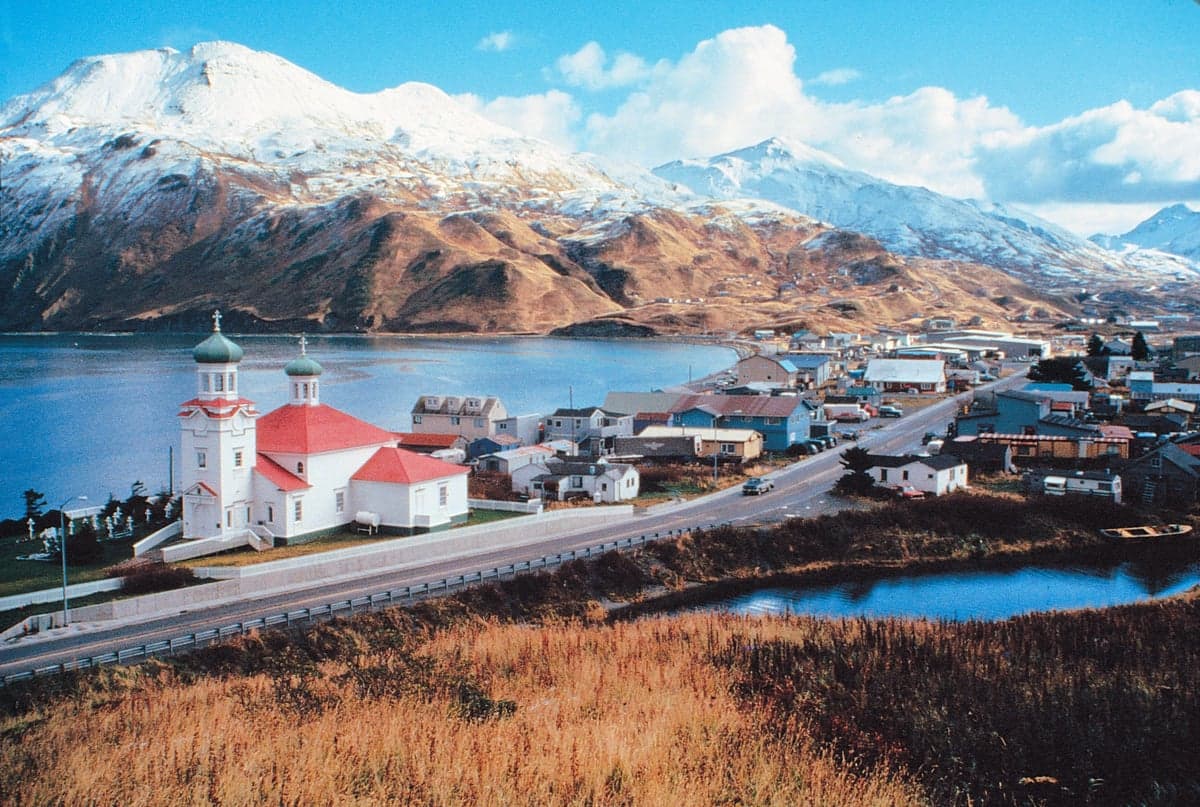
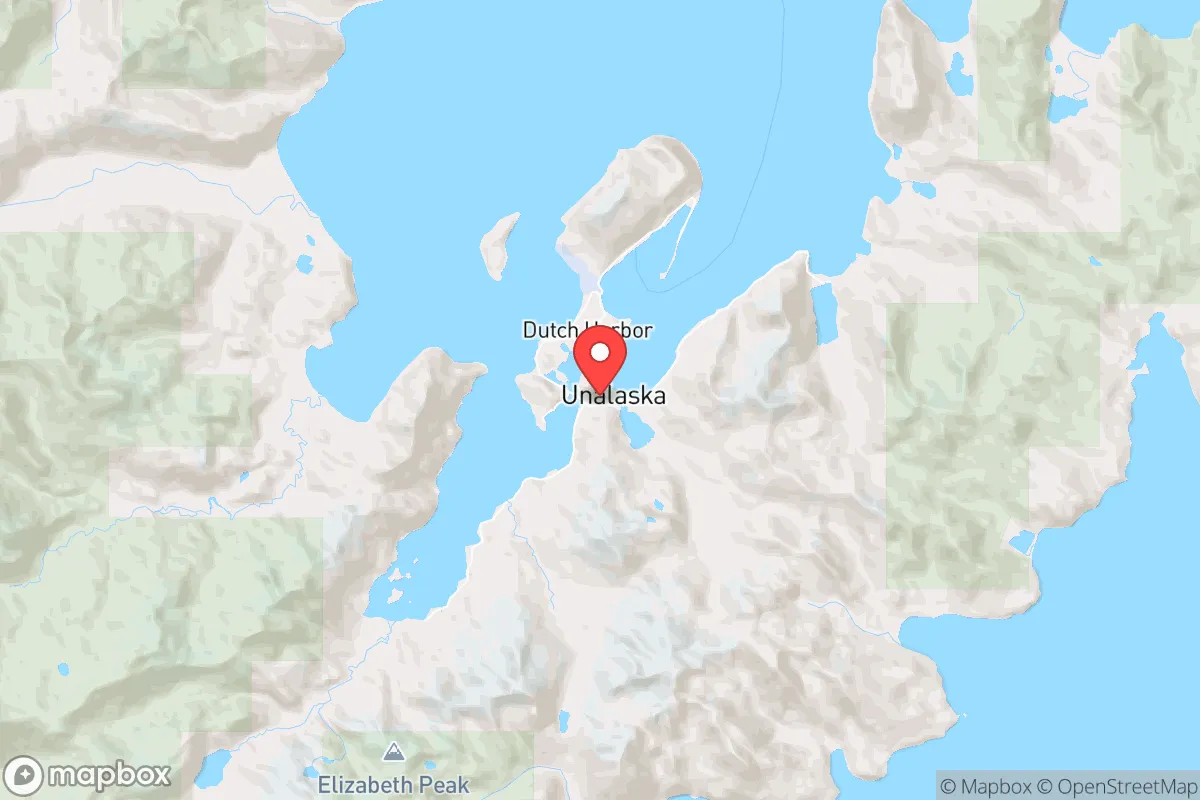
Unalaska, Alaska offers a unique environment for personal sovereignty that stands apart from most of the Lower 48, but it comes with severe trade-offs that a survivalist or prepper must weigh carefully. The remote Aleutian location—hundreds of miles from the nearest road system—creates a natural buffer against federal overreach and urban chaos, yet the same isolation means you are heavily dependent on air and sea links for supplies, medical care, and escape routes. For those willing to accept the logistical burdens, Unalaska provides a rare combination of low regulatory pressure, strong self-defense rights, and a frontier ethos that rewards self-reliance. However, the harsh climate, limited land availability, and heavy reliance on a single industry (seafood processing) mean this is not a place for the unprepared or the faint of heart.
Tax burden and regulatory posture in Unalaska
Alaska’s state-level tax environment is among the most favorable in the nation for those seeking to minimize government extraction from their income and property. There is no state income tax, no state sales tax, and no state-level property tax—a trifecta that leaves more money in your pocket for prepping, gear, and land acquisition. Unalaska itself imposes a modest 3% sales tax on most goods (with exemptions for unprepared food and prescription drugs), and property taxes are levied at the local level, typically around 10–12 mills on assessed value. For a home valued at $300,000, that translates to roughly $3,000–$3,600 annually—far lower than equivalent properties in Anchorage or most Lower 48 states. The regulatory posture in Unalaska is light compared to urban centers; the city government is small, permitting processes for home improvements or small-scale construction are straightforward, and there is no onerous zoning code that restricts what you can do on your own land. However, the Alaska Department of Environmental Conservation does enforce strict water and waste regulations, and the U.S. Coast Guard maintains a heavy presence due to the port’s strategic importance—meaning federal eyes are never far away. For a prepper, the low tax burden is a clear win, but the remote location means you are still subject to federal agencies like the EPA and NOAA, which can impose costly compliance on any commercial or large-scale land use.
Self-defense and gun law specifics in Unalaska
Alaska is one of the most gun-friendly states in the Union, and Unalaska fully benefits from that legal framework. The state has constitutional carry—no permit required to carry a concealed firearm for anyone 21 or older who can legally possess a gun. Open carry is also legal without a permit. There is no state-level waiting period, no magazine capacity restrictions, and no assault weapon ban. The Alaska Self-Defense Law (AS 11.81.335) provides a strong "stand your ground" provision, with no duty to retreat from any place you are lawfully present. This is critical for a prepper mindset: if a threat arises in your home, vehicle, or on the street, you have broad legal latitude to use deadly force if you reasonably believe it is necessary to prevent death or serious physical injury. The only notable restriction is that firearms are prohibited in certain federal facilities (like the post office) and in K-12 schools unless you have a valid permit. Ammunition and firearms are available locally at a few sporting goods stores, but prices are inflated due to shipping costs; serious preppers should bring a multi-year supply. The Unalaska Police Department is small (about 10 officers), and response times in the outlying areas can be 20–30 minutes or more, making personal firearms not just a right but a practical necessity for self-defense against both human and wildlife threats—brown bears are common on the island.
Self-reliance and homesteading viability in Unalaska
True homesteading in Unalaska is extremely challenging due to the climate, soil conditions, and land ownership patterns. The average lot size in the city is small—typically 5,000 to 10,000 square feet—and most residential land is leased from the city or the Ounalashka Corporation (the local Native village corporation), not owned in fee simple. This means you cannot simply buy a parcel and build an off-grid cabin; you must navigate leasehold agreements that restrict what structures you can erect and how you can use the land. Zoning is primarily residential, with no allowance for commercial agriculture or livestock beyond small gardens and a few chickens. The growing season is short (May to September) and the soil is rocky and acidic, requiring raised beds and imported topsoil for any serious gardening. Off-grid feasibility is limited: while solar panels can work during the long summer days, the winter months bring near-total darkness and persistent cloud cover, making wind or diesel generators the only reliable power sources. Rainwater collection is viable (annual precipitation is about 60 inches), but you must treat it due to volcanic ash and bird droppings. For a prepper seeking true self-reliance, Unalaska is a poor fit unless you are willing to invest heavily in imported infrastructure and accept that you will never be fully food-independent. The real homesteading value here is in marine resources: the surrounding waters are rich in salmon, halibut, crab, and shellfish, and a skilled fisherman with a small boat can harvest a year’s worth of protein. But that requires significant upfront investment in gear, knowledge, and a vessel capable of handling the brutal Bering Sea conditions.
Personal liberties in Unalaska: parental rights, medical autonomy, speech, and property
Alaska generally respects personal liberties more than most states, and Unalaska reflects that ethos. Parental rights are strong: there is no state-level mandate for childhood vaccines (though schools require them for attendance, with broad exemption options), and homeschooling is lightly regulated—parents need only submit a simple notice of intent and provide an annual assessment. The Unalaska City School District is small (about 400 students K-12), and many families choose remote learning or hybrid models. Medical autonomy is robust: Alaska has no state-level vaccine passport system, no mask mandates in effect as of 2026, and the state’s Medical Freedom Act (passed in 2023) prohibits discrimination based on vaccination status. However, the local hospital—Iliuliuk Family and Health Services—is a small clinic with limited capabilities; serious medical emergencies require a medevac to Anchorage, which can cost $50,000 or more. For a prepper, this means you must have a comprehensive medical kit and the skills to handle trauma and chronic conditions yourself. Free speech is protected under the Alaska Constitution, which has its own strong free-expression clause, and there is no local ordinance restricting political speech or assembly. Property rights are generally respected, but the leasehold system on Native corporation land means you do not truly own the ground beneath your home—a significant sovereignty concern for anyone who values fee-simple ownership. The Unalaska City Council has shown a tendency toward progressive social policies (e.g., a 2024 resolution supporting LGBTQ+ rights), but these have not translated into restrictions on gun ownership, homeschooling, or medical choice. Overall, the personal liberties environment is favorable, but the leasehold land system and dependence on external supply chains are serious vulnerabilities for a prepper.
Compared to other remote Alaskan communities like Bethel or Nome, Unalaska offers a stronger economic base (the seafood industry provides stable jobs and infrastructure) and better access to marine resources, but it also has a higher cost of living and more federal oversight due to the port. For a conservative-leaning individual or family seeking maximum personal sovereignty, Unalaska is a mixed bag: the tax burden is minimal, gun laws are excellent, and personal liberties are strong, but the leasehold land system, harsh climate, and reliance on imported goods limit true self-reliance. If your priority is to be left alone by government while living off the land, you would be better served by a remote homestead in the Interior (e.g., the Tok area) where fee-simple land is available and you can truly go off-grid. If your priority is a low-tax, high-freedom community with a stable job and good fishing, Unalaska is a viable option—but only if you are prepared for the logistical and environmental realities of life on a windswept island in the Bering Sea.

* Values derived from national, state, county, city and local statistics and may differ in a specific area. Last updated: 2026-04-19T19:40:13.000Z
Narrative content on this page is AI-generated and may contain mistakes. Verify any details that matter before acting on them.
ReloMaps may earn a commission from affiliate links at no extra cost to you.

